





The Death of Touch: Architecture in the Age of the Metaverse
Architecture is fundamentally an art of enclosure, a negotiation between body and world defined by texture, temperature, and resistance. The metaverse proposes a realm where these tangible negotiations are rendered obsolete, replaced by pure visual data and kinetic illusion. This shift represents not just a change in medium but a profound sensory impoverishment, trading the weight of stone for the weightlessness of pixels. Our most ancient way of knowing space, through touch, is being systematically erased in favor of ocular dominance. The resulting environment is one of limitless visual spectacle but zero physical consequence, a palace you can walk through but never feel.
From Material to Immaterial: A Historical Shift
For millennia, architectural value was measured in mass and endurance, in the labor of quarrying stone and raising walls against gravity. The modern era began a slow pivot toward lightness, from steel frames to curtain walls that dematerialized the solid envelope. Today, the ultimate expression of this trend is not a thinner wall but a complete migration into the digital ether. The historical arc bends from the Pyramids to the cloud, from monuments meant to outlast civilizations to experiences that vanish when the server sleeps. This transition redefines permanence itself, locating it not in place but in persistent data streams and networked attention.
The Primacy of Haptic Experience in Traditional Architecture
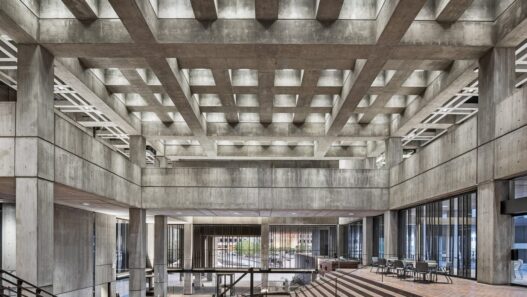
We understood a building by running a hand along cool marble or feeling the grit of rough-hewn plaster against our skin. This haptic dialogue grounded us, offering a quiet, constant reassurance of our own physicality within a constructed world. A wooden handrail, worn smooth by generations of touch, carried a narrative of collective use that no pristine digital model can replicate. These textures and temperatures were not mere decoration but the very language of architectural meaning, speaking directly to the body before the mind. To lose this is to lose architecture’s most intimate, humanizing dimension.
The Screen as the New Primary Facade
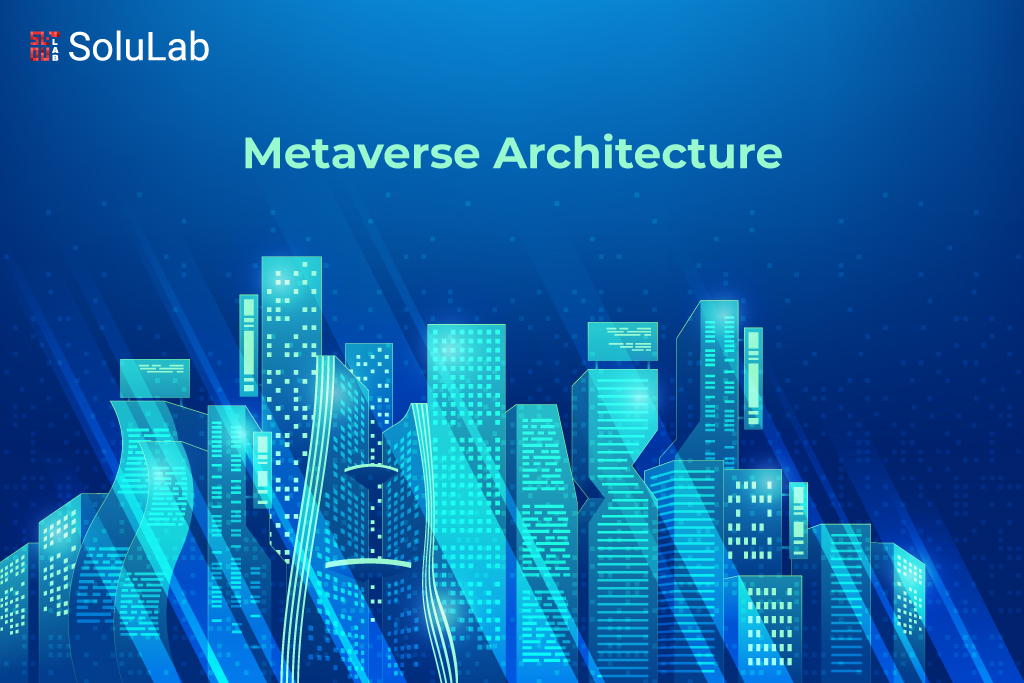
The building’s exterior is no longer its first point of contact with the public; that encounter now happens on the glowing rectangle of a phone or computer. This screen facade is dynamic, customizable, and globally accessible, divorcing presence from physical location. It prioritizes image over substance, turning architecture into a flat commodity to be scrolled past. The actual brick and glass structure becomes a mere backdrop for its own digital representation, often visited more in photographs than in person. This inversion makes every building potentially iconic yet perpetually distant, experienced more as a curated image than a surrounding space.
When Blueprint Became Code: The Digital Design Revolution
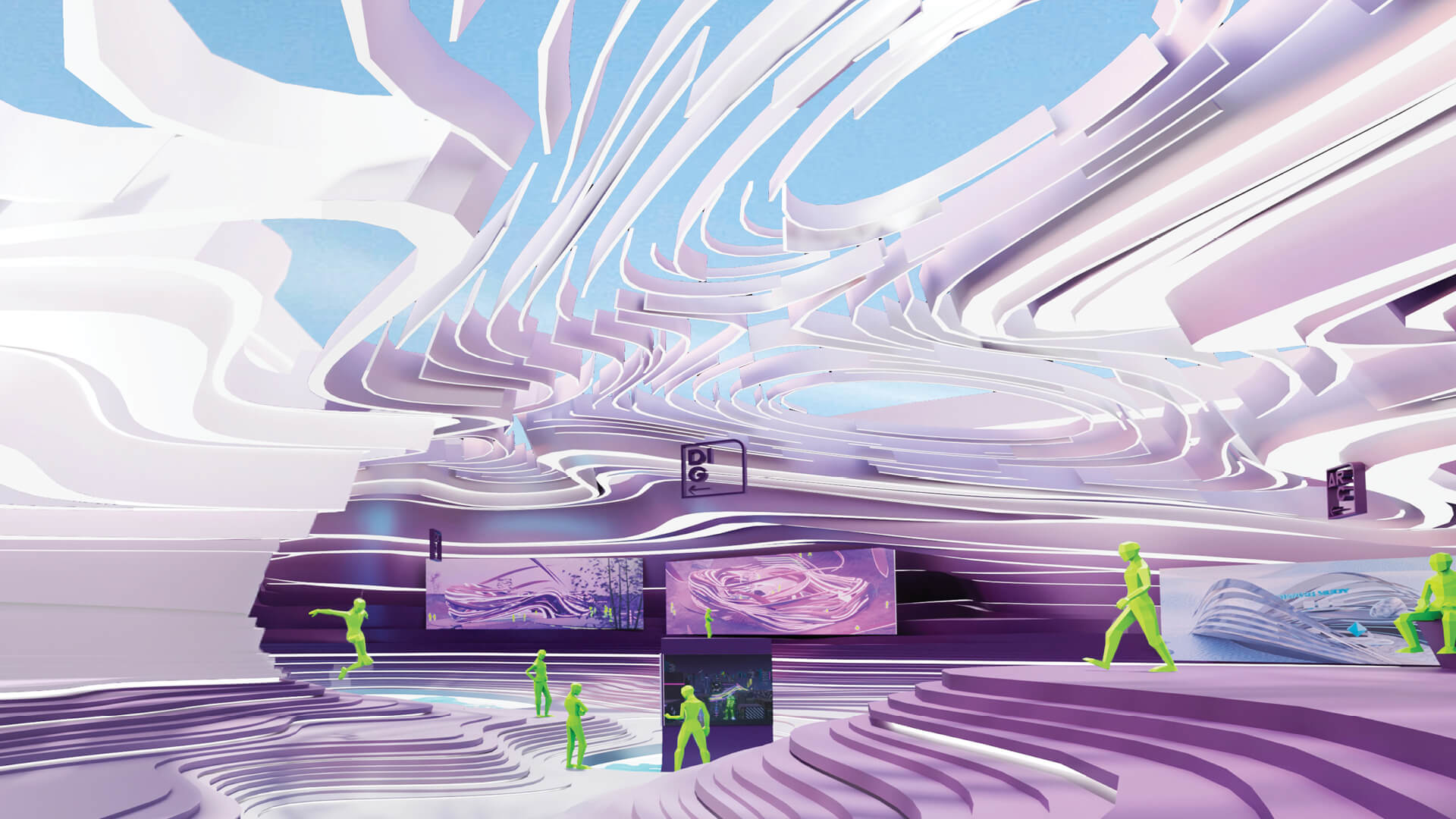
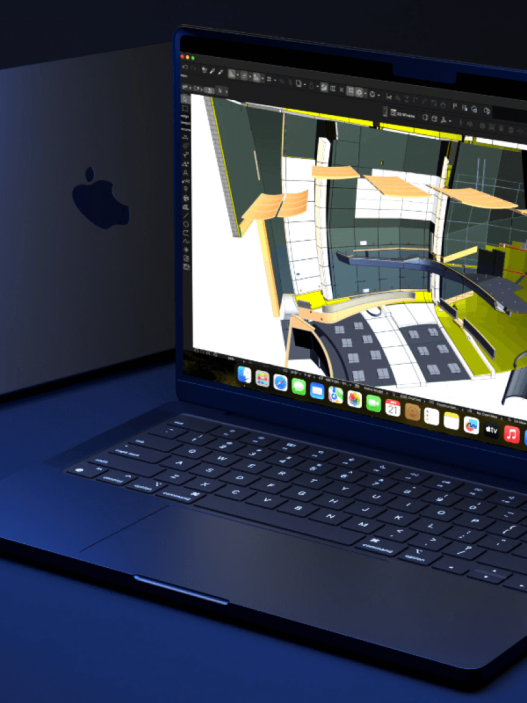
The shift from drafting table to digital workstation was more than a change of tools; it was a change in the very substance of architectural thought. The blueprint was a fixed instruction, a final proposal for a static object. Code is generative, procedural, and alive with variables, allowing forms of complexity and fluidity previously unimaginable. Design thinking transformed from drawing what is to scripting the parameters of what could be. This revolution birthed a new architectural language of splines, meshes, and algorithms, where the architect becomes a composer of processes rather than a drawer of lines.
Abandoning the Site: The Disappearance of Context
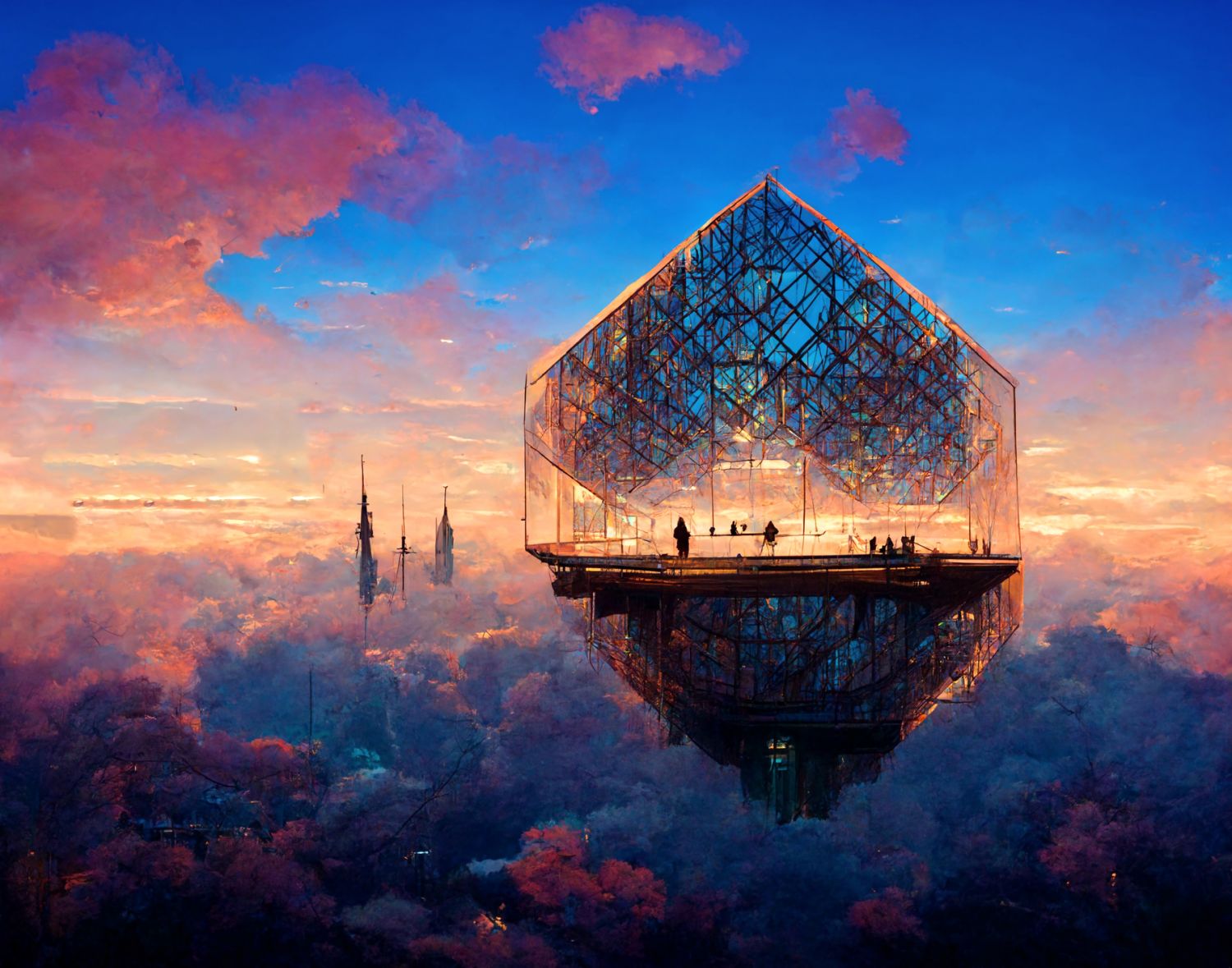
Traditional architecture began with a dialogue with its site, responding to sun, wind, topography, and cultural memory. The digital paradigm liberates form from these earthly constraints, allowing structures to be conceived for nowhere or anywhere simultaneously. A building designed for virtual existence has no climate, no neighbors, and no gravity, only the abstract void of the digital canvas. This abandonment severs the vital thread that connects a work to its specific place in the world. The result is a placeless architecture, free from local constraints but also devoid of local meaning and responsibility.
Designing for Avatars: New Principles for a New Reality
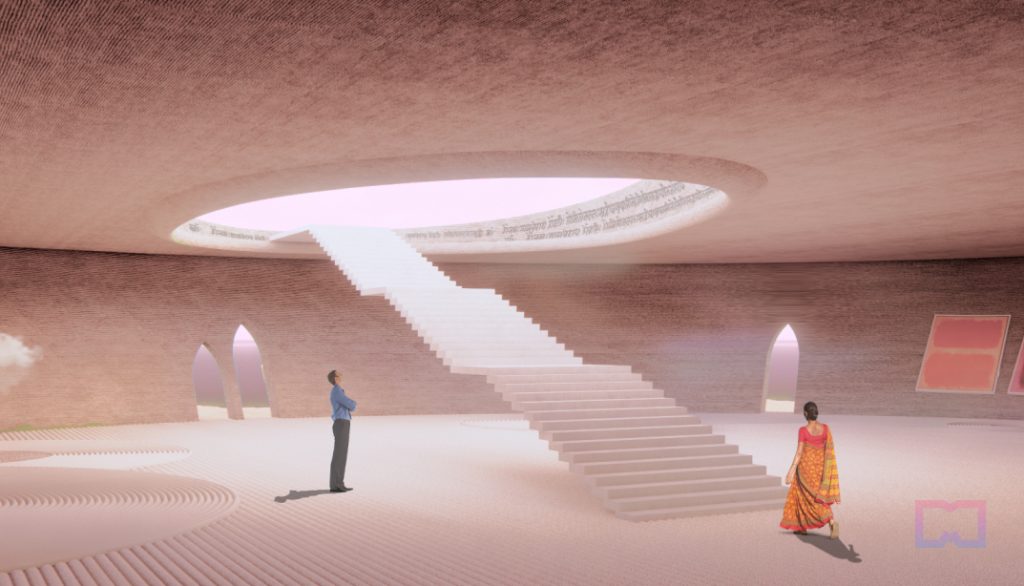
This is architecture for a body that is pure information, unbound by flesh. It demands a shift from ergonomics to identity, crafting spaces that reflect and amplify a user’s chosen self. The environment becomes a direct extension of personal or brand narrative, a stage for digital being. Its importance lies in making the intangible feel authentic and inhabited, fostering a new kind of belonging. We are building the homes for our digital souls.
Gravity is Optional: Defying Physics in Virtual Space
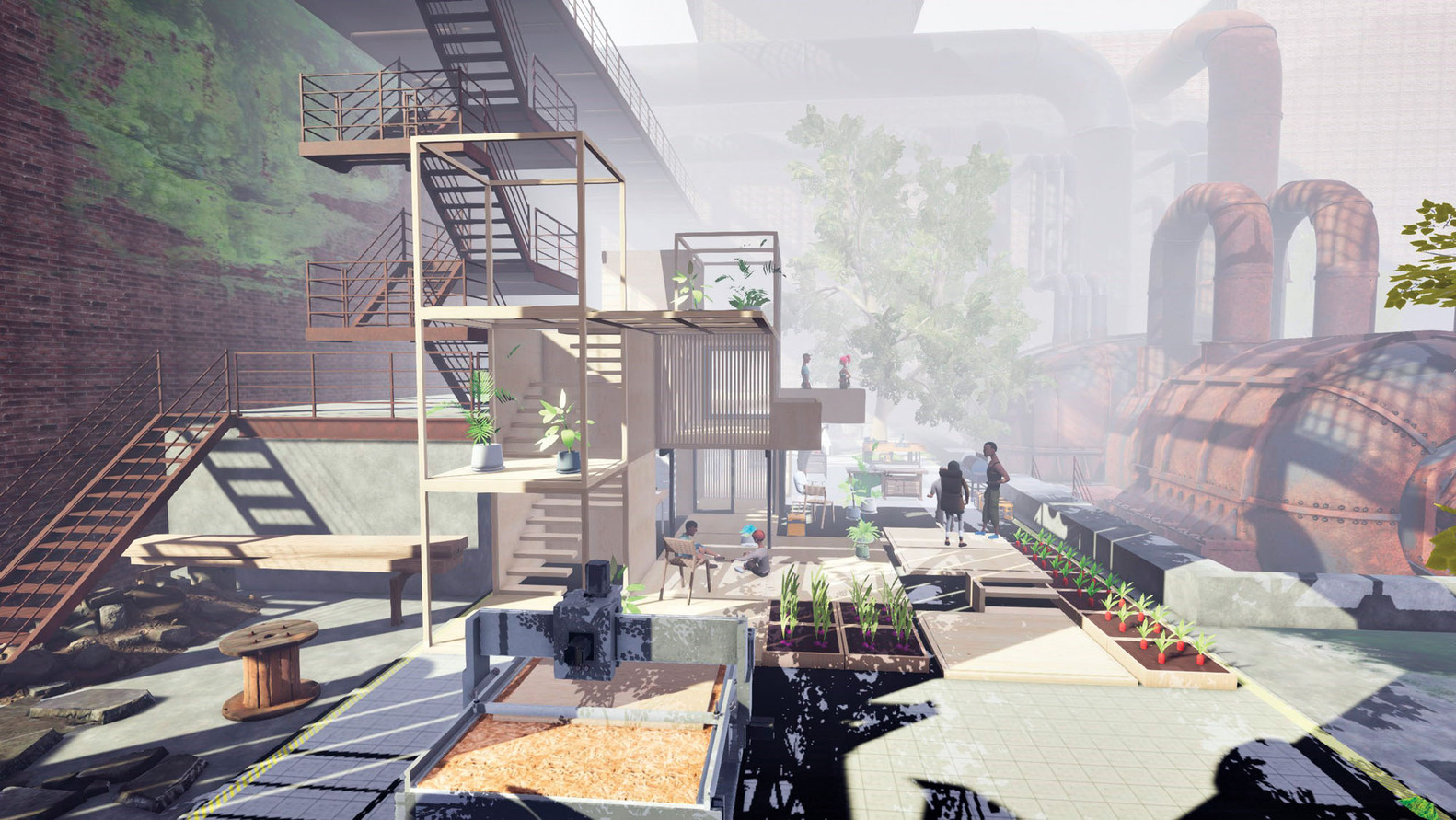
Architecture is liberated from its oldest and most fundamental constraint. Floors can become walls, and ceilings can become infinite vistas, redefining orientation itself. This allows for the pure expression of concept and emotion, where a feeling of awe or disorientation is a deliberate material. It matters because it expands the very definition of what a space can be and how it can affect us. We are no longer building shelters from nature but constructs for the limitless mind.
The Currency of Attention: Spectacle Over Substance
In digital realms, the primary economic force is human focus. Architectural form is often optimized for immediate visual impact and shareability, prioritizing memorable silhouettes over functional plans. This creates landscapes of iconic objects competing in a visual economy. While this can foster innovation in shape and scale, it risks creating environments that are stimulating but ultimately hollow. The challenge is to build spectacles with depth that reward sustained engagement.
Programmable Atmospheres: Light, Sound, and “Feel” as Data
The ambient qualities of a space are no longer fixed conditions but dynamic software. Mood, time of day, and even social context can be scripted and altered in real time, making atmosphere a living layer. This transforms architecture from a static container into a responsive performance. It matters because it allows environments to adapt to specific human activities and emotions with precision. We are moving from building rooms to coding experiences.
Architecture as User Interface (UI)
The walls, portals, and objects within a space become the controls for interaction itself. A corridor is not just a path but a menu; a plaza is not just a void but a dashboard. Form directly dictates function in the most literal sense, guiding behavior through spatial affordances. This convergence matters because it makes complex digital systems navigable and intuitive through physical metaphor. The space is the system you inhabit and command.
Personalization vs. Permanence: The Ephemeral Environment
Digital architecture introduces a fundamental tension between the individual’s desire for a custom world and the collective need for a stable, shared context. Environments can shift to match a single user’s preference, erasing the common ground of public space. This questions the value of permanence, a cornerstone of physical architecture that fosters cultural memory. We must now design for both fluid identity and enduring meaning, a new dialectic of place.
The Architect’s Evolving Role: Creator, Coder, Curator
The architect is no longer just a designer of static form but a creator of dynamic systems. This shift moves the profession from crafting singular objects to authoring responsive frameworks and interactive rules. It matters because architecture becomes a living process, not a fixed endpoint, capable of adapting to data and human behavior over time. The role now encompasses the curation of experience, carefully selecting and arranging both digital and physical elements into coherent narratives. This evolution positions the architect as a vital synthesist in a fragmented world, blending atoms and bits into meaningful place.
Mastering the New Toolkit: From CAD to Game Engines
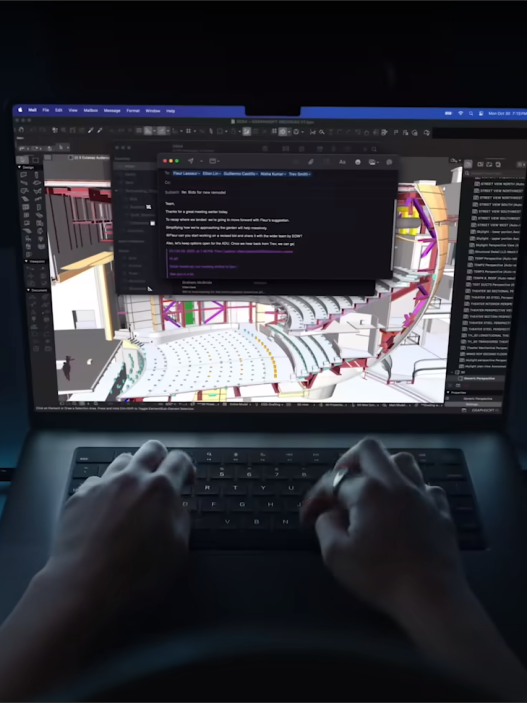
Traditional CAD software documented a finished idea, but new tools like game engines build worlds that can be inhabited and tested in real time. This transition is fundamental, moving from representation to simulation, where light, material, and physics are not just drawn but computationally enacted. It matters because these tools allow architects to prototype the feeling of a space before a single physical material is sourced. They enable a dialogue with design at a human scale, within a fully immersive context. Mastering this toolkit is less about drafting and more about worldbuilding, a skill that bridges imagination and experiential truth.
Ethics of Exclusion: Who Gets Left Behind in a Digital World?
Every digital platform or smart city proposal creates a boundary defined by access, literacy, and infrastructure. This is an architectural act of exclusion as potent as any wall or gate, silently shaping who can participate. It matters because when experience is increasingly mediated by technology, to lack access is to be denied a part of the civic realm. The ethical challenge is to design not just for the connected and capable but to actively bridge the digital divide. Architecture must now consider data poverty and interface alienation as critical forms of social displacement, demanding new forms of inclusive advocacy.
Preserving the Human Scale in an Infinite Canvas
Digital environments offer boundless space, a seductive freedom that can easily overwhelm human perception and comfort. The absence of physical constraints risks creating vast, meaningless voids or oppressively dense fields of information. It matters because human cognition and connection are rooted in proportion, detail, and tactile feedback. Preserving scale is about intentionally designing thresholds, moments of rest, and sensory anchors within the limitless. This conscious restraint is what transforms a chaotic simulation into a place that feels intuitively centered and navigable, a digital habitat for the human spirit.
The New Client: Tech Giants and Virtual Communities
The patron of new architecture is as likely to be a platform corporation seeking a branded metaverse as a decentralized online community pooling resources for a shared virtual home. This redefines the client-architect relationship, shifting from serving individual vision to interpreting collective data or democratic will. It matters because these entities commission not just buildings but entire layers of reality, with values and biases embedded in their code. Engaging with them requires architects to be negotiators of digital policy and cultural anthropology. The challenge is to imbue these commissioned worlds with public good and poetic resonance, beyond mere utility or commercial engagement.
Dök Mimarlık sitesinden daha fazla şey keşfedin
Subscribe to get the latest posts sent to your email.