

Quinta Monroy Elemental
This housing project in Chile has redefined the architectural blueprint for the urban poor. It not only provides shelter but also creates a framework for building wealth. The design understands that a home is not a finished product but a vital financial asset. By allowing for incremental expansion, it transforms government subsidies into a legacy of ownership and dignity.
The Birth of a Participatory Project
The genesis of this project stemmed from confronting a painful reality: families had been living illegally on their land for thirty years. This state of permanent temporariness demanded a new kind of architectural solution. The project began not with a plan, but with a question posed to the community. They were asked what they needed to start building their own future, and participation was made the foundation of the project, not an afterthought.
Addressing the “Half Good House” Issue
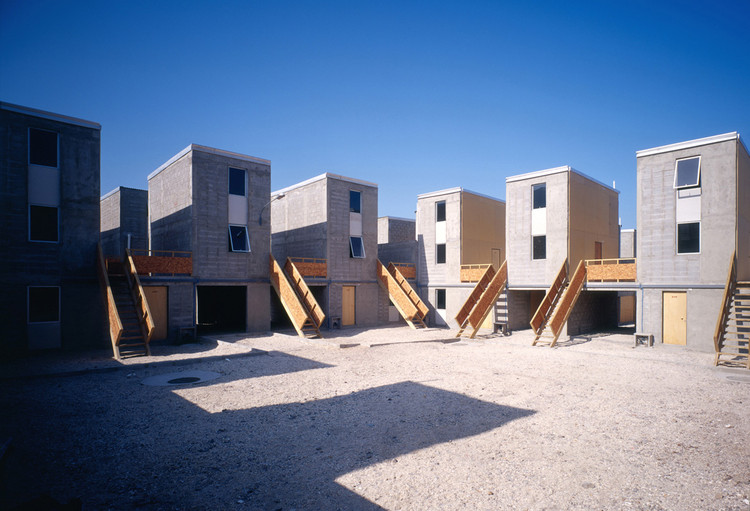
Elemental proposed a radical reversal of the traditional social housing logic. Instead of delivering many completed but small and inadequate units, they built fewer but structurally solid “half-houses.” This strategic core provided essential and costly components such as bathrooms, kitchens, and earthquake-resistant walls. By leaving intentional and secure voids that families could fill according to their means and timelines, they turned residents into co-authors.
Collaboration with Residents of Iquique
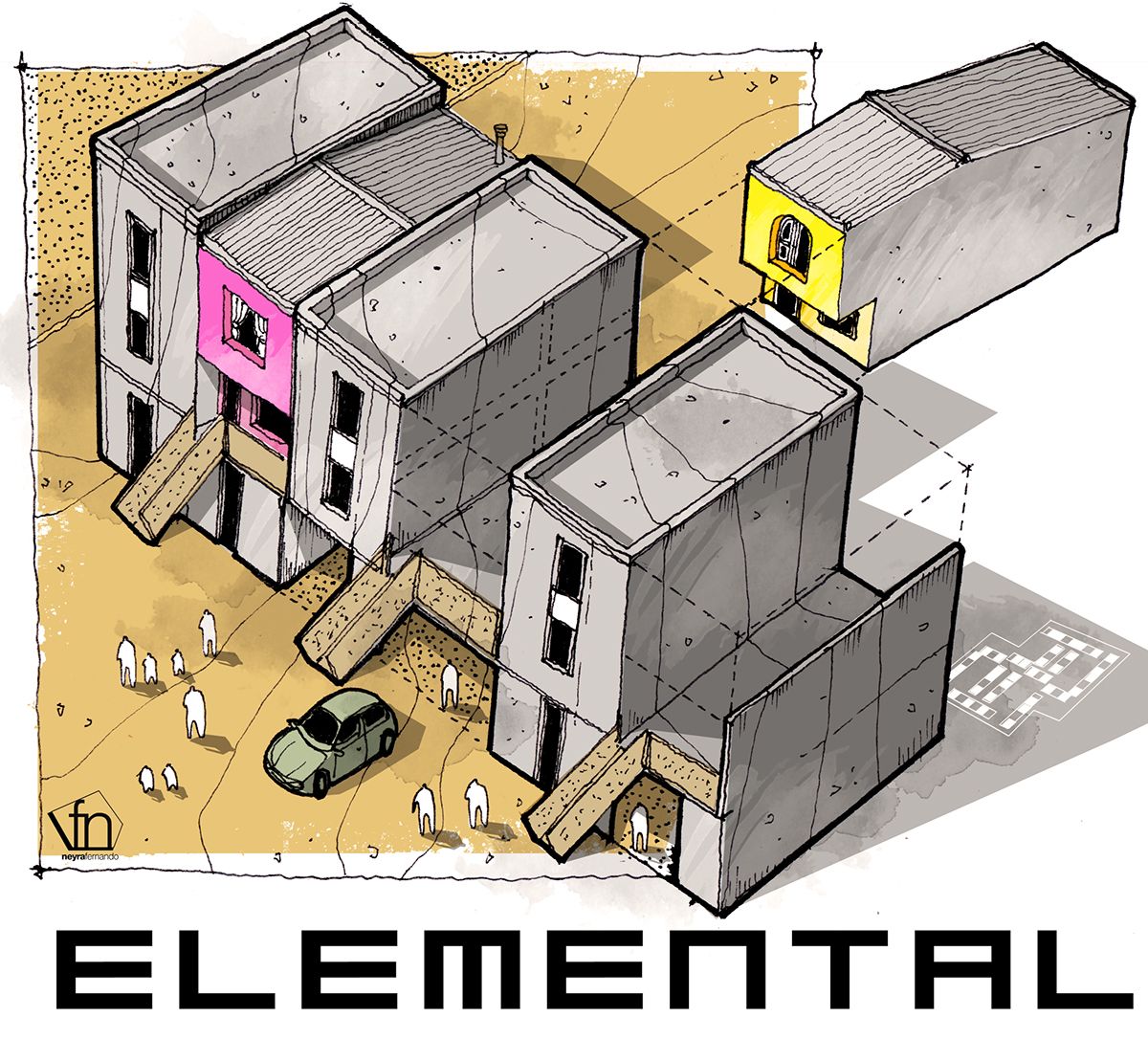
True collaboration meant that the architects listened to the rhythm of daily life already present on the ground. The design process included workshops where families mapped their existing social networks and spatial rituals. This dialogue ensured that the new structures would strengthen, rather than erase, the community’s identity. The resulting layout feels like a lived experience organically evolved and directly translated into built form.
Economic and Political Constraints Affecting the Design Process

Severe budget constraints and fixed political subsidies became the project’s most powerful creative forces. These limitations necessitated a focus on core value by eliminating unnecessary movements. The architecture had to serve multiple functions, acting as both emergency shelter and a platform for long-term growth. The pressure born from this necessity gave rise to an innovative model of efficient and catalytic design.
From Concept to Community: The First Vision
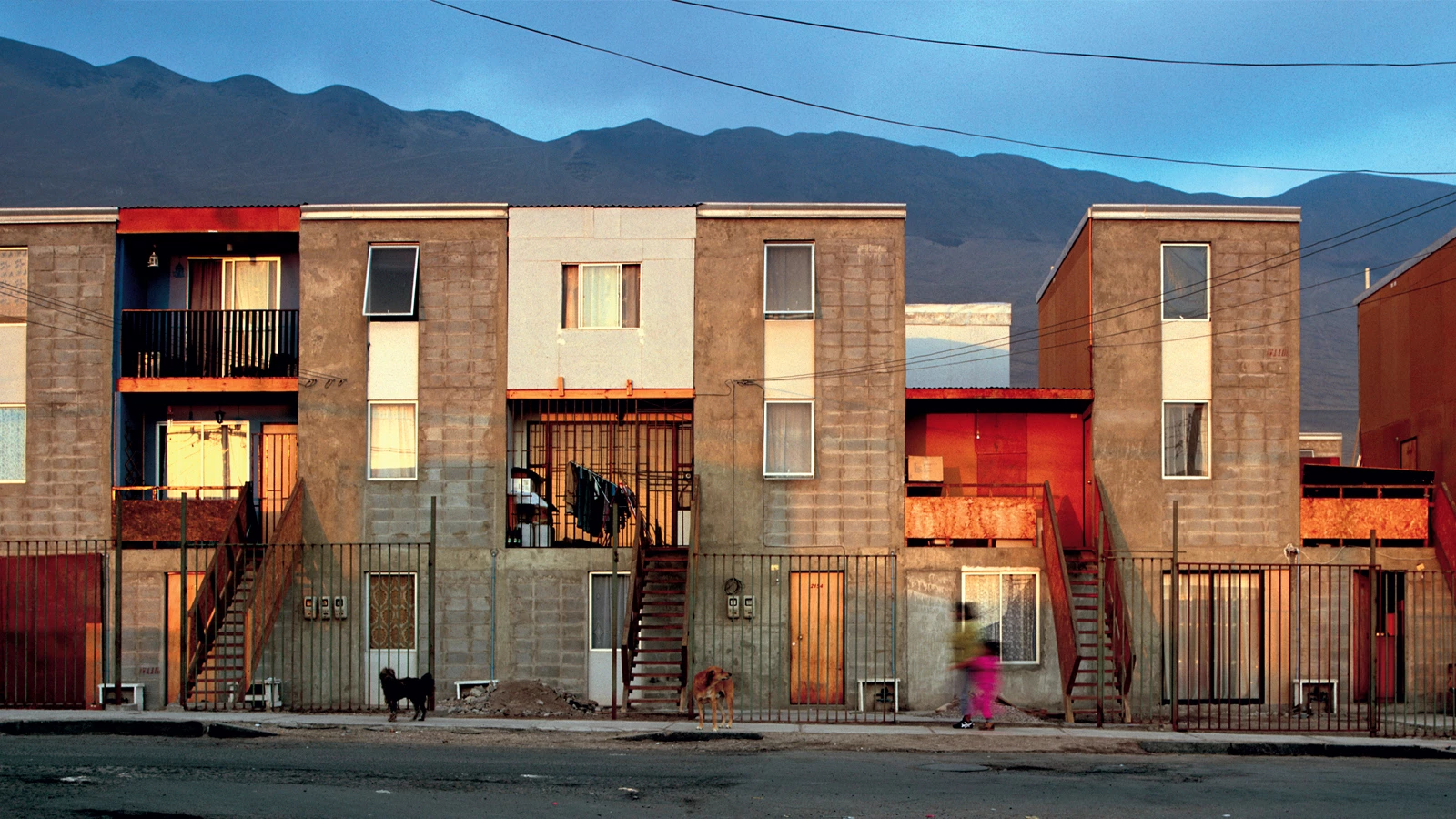
The initial vision was architectural acupuncture, a delicate intervention to unlock hidden potential. This vision saw the space not as a blank slate, but as a living organism in need of a stabilizing framework. The goal was to provide just enough structure to catalyze organic, self-directed growth. This approach trusted in the residents’ capacity to complete the architectural sentence, fostering a genuine community from the inside out.
Reconstructing Architectural Innovation
This is the deliberate dismantling of established forms to reveal new possibilities. The process is not about destruction, but rather a forensic analysis of why buildings are the way they are. By questioning traditions, it creates space for unexpected solutions that better reflect contemporary life. Its value lies in its ability to challenge complacency and create truly original forms of dwelling.
“Incremental” Structural Framework
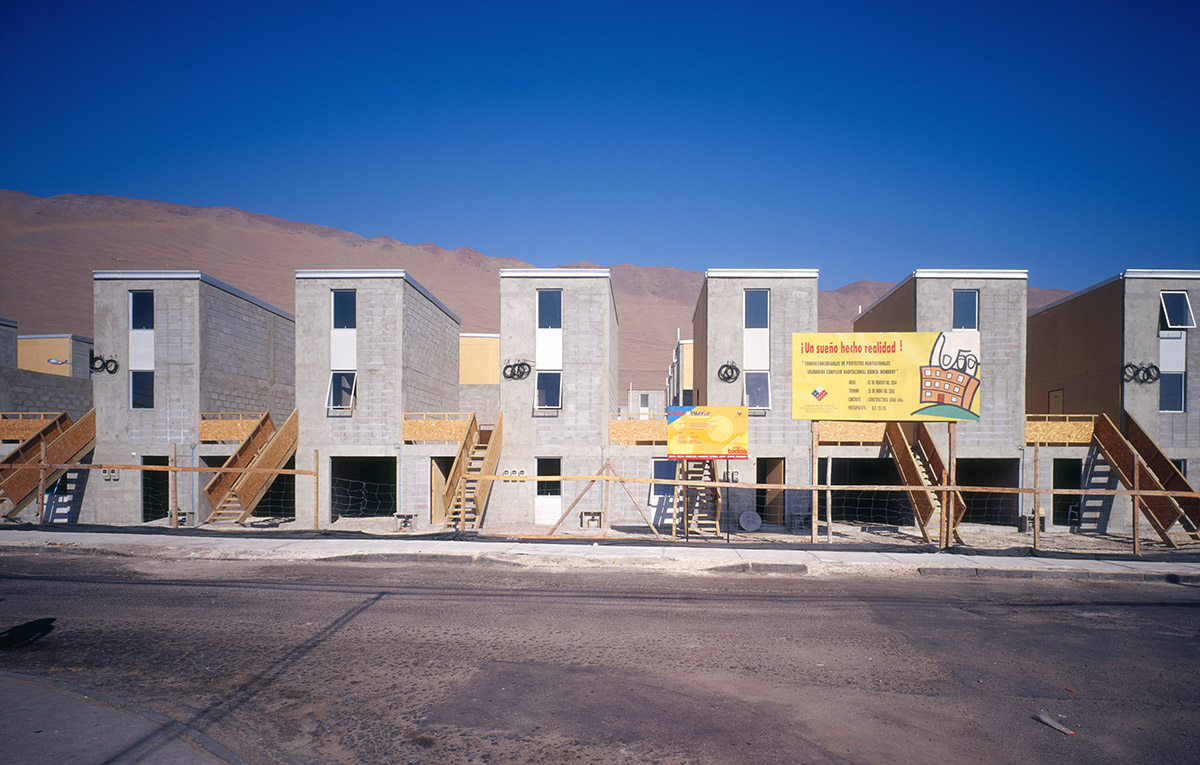
This approach treats a building’s main structure as a durable, long-lasting scaffold. It provides a stable and permanent framework that can safely accommodate changes over decades. This philosophy acknowledges that a family’s needs or a business’s functions will inevitably evolve. Its significance lies in creating inherently adaptable buildings, thereby reducing future waste and obsolescence through design.
Strategic Density and Semi-Detached Row Houses
This model bridges the gap between isolated suburban homes and dense urban apartments. It creates a community through shared walls and efficient land use while preserving private outdoor spaces and individual identity. This careful balance offers a more sustainable and socially engaging way of life. It serves as a pragmatic yet human-centered response to urban growth, strengthening neighborhood connections without sacrificing autonomy.
Temel “Securing the Hard Half”
This concept forms the permanent, complex, and costly foundation of a residence. The foundation includes the structure, infrastructure, and weather-resistant exterior, establishing a definitive footprint and layout. This framework provides precision and quality for the most challenging aspects of construction. Its importance lies in reducing risk and complexity for the residents. Consequently, residents can complete their homes in a more manageable and personalized manner.
Pre-designed Expansion Volumes and Future Readiness
These are intentional voids or connection points designed into the initial building structure. They are not later additions but formally considered spaces reserved for future growth. This strategy embeds adaptability DNA directly into the architecture from the outset. This is important because it transforms a static object into a living system and gracefully accepts change as a natural part of its lifecycle.
Material Integrity and Construction Logic
This principle requires that materials be used in a way that expresses their inherent properties and the manner in which they are assembled. A brick wall should look as if it is made of bricks, revealing the method of joining and support. This realism creates buildings that are legible, authentic, and deeply connected to the construction process. It fosters a profound respect for craftsmanship and presents a narrative of construction that endures long after the builders have departed.
Impact and Legacy on People and Applications
This is an architecture that redefines success beyond the building itself. Its true legacy is measured by the sustainable well-being of its inhabitants and the evolving consciousness of the profession. It proves that design integrity and social purpose are not mutually exclusive, but rather fundamental elements. The project becomes a quiet argument for a more empathetic and responsible practice, inviting peers to consider the long-term human consequences of their work. It leaves behind not just walls and roofs, but a new standard for what architecture can and should do
Transforming Lives: Residents’ Stories and Urban Integration
Here, architecture functions as a catalyst for personal and communal narratives. The stories of residents evolve from tales of survival into dignified testimonies; a well-considered window or a shared courtyard becomes part of a family’s history. This transformation extends into the urban fabric, mending city wounds through thoughtful density and active ground plans. The building ceases to be an isolated object and becomes a nexus for the neighborhood. This also demonstrates that true integration is not merely physical but social, transforming residents from marginalized occupants into active
A Case Study on Architecture Agency and Social Responsibility
This project represents a deliberate exploration of what architecture can actively choose not to be. It demonstrates its impact by prioritizing ethical imperatives over formal innovation or market forces. Design decisions are framed as direct responses to social inequality, making responsibility visible in the arrangement of a unit or the quality of light. It serves as a tangible rebuttal to the notion that these issues are someone else’s problem. The case study illustrates that the architect’s most powerful tool is not style, but stance.
Influencing the Global Debate on Affordable Housing
It shifts the conversation from the quantitative issue of units to the qualitative vision of a home. The project enters the global discourse as a compelling counterpoint, proving that affordability does not necessarily mean poverty or isolation. By introducing the word hope into a discussion often dominated by crisis, it demonstrates that good design is not a luxury but a right. This impact compels policymakers and designers worldwide to raise their expectations. It elevates housing from a basic need to a fundamental pillar of civic well-being.
Criticisms, Challenges, and Lessons Learned
No converter project is devoid of complexities, and these are not weaknesses but foundational data. Critiques may focus on the challenging balance between scalability, cost, or architectural goals and pragmatic implementation. The difficulties encountered become invaluable lessons, revealing friction points between the idealistic vision and real-world constraints. These lessons are the project’s generous contribution to the collective wisdom of the field. For those who dare, they offer a roadmap marked by both achievements and warnings.
Discover more from Dök Architecture
Subscribe to get the latest posts sent to your email.