





Miami Art Deco
This is a visual melody composed of the architecture of pure optimism, pastel colors faded by the sun, and rhythmic geometric facades. It transforms a tropical coastline into the stage of a machine-age fantasy, where buildings smile with their eyebrows and ziggurats capture the coastal light. This style is significant because it captures a fleeting moment of American cheerfulness and escapism, permanently etching the spirit of the 1930s into the city’s skin. It is not merely a historical artifact but a
Historical Canvas: The Birth of Miami Beach Style
Tuval, a barren dune, was like a blank slate awaiting a grand vision after a devastating hurricane. The pioneering developers and architects saw not destruction, but a radical opportunity—a chance to build an entirely new city from scratch. This clean start, free from the burden of existing architectural traditions, allowed a harmonious aesthetic to take root. The resulting style became the region’s first true identity, an intentional creation that transformed a vacation destination into an iconic place.
Rebirth After the Hurricane: The Construction Boom of the 1920s
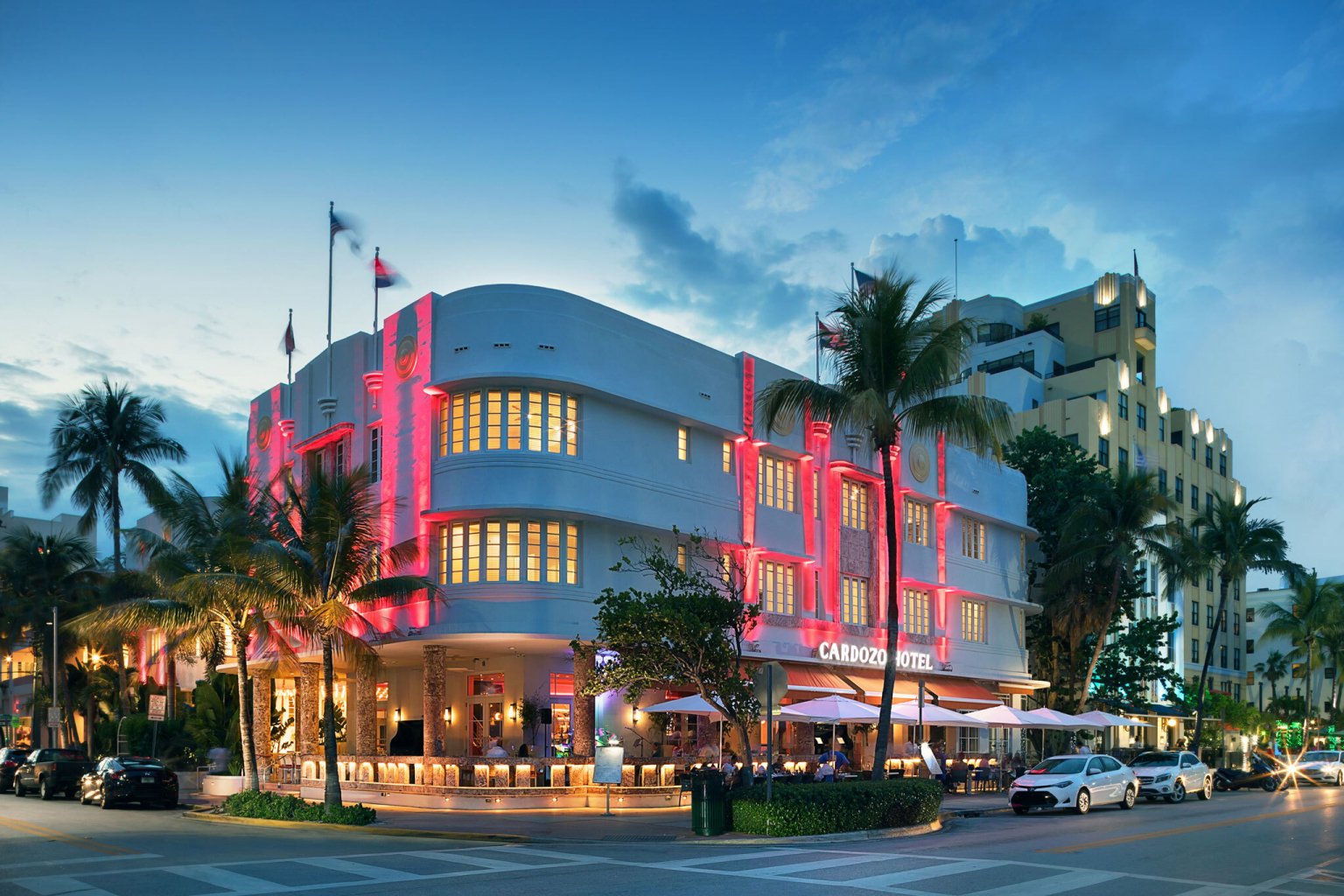
In 1926, a major hurricane paradoxically sparked an unprecedented burst of creativity. The reconstruction efforts demanded speed, efficiency, and a bold new image to attract tourists and investors back. Architects embraced the emerging Art Deco language not merely as decoration, but as a symbol of resilient modernity rising from the storm’s wreckage. This explosion laid the physical and thematic foundation for the iconic district we know today, proving that disaster can be a catalyst for defining beauty.
Paris, Hollywood and the effects of the Machine Age

This style is like a cultural cocktail that blends Europe’s sophisticated taste with American glamour and industrial might. Paris provided the foundational Exposition style, while Hollywood’s silver screen added theatrical fantasy and aerodynamic curves. Most importantly, the Machine Age contributed a belief in progress, expressed through motifs like stripes and fins that evoked speed and dynamism. This fusion is significant because, by creating a uniquely democratic and inspiring architecture, it offered every winter visitor an exotic luxury and a futuristic hope.
The Great Depression and the Role of the WPA
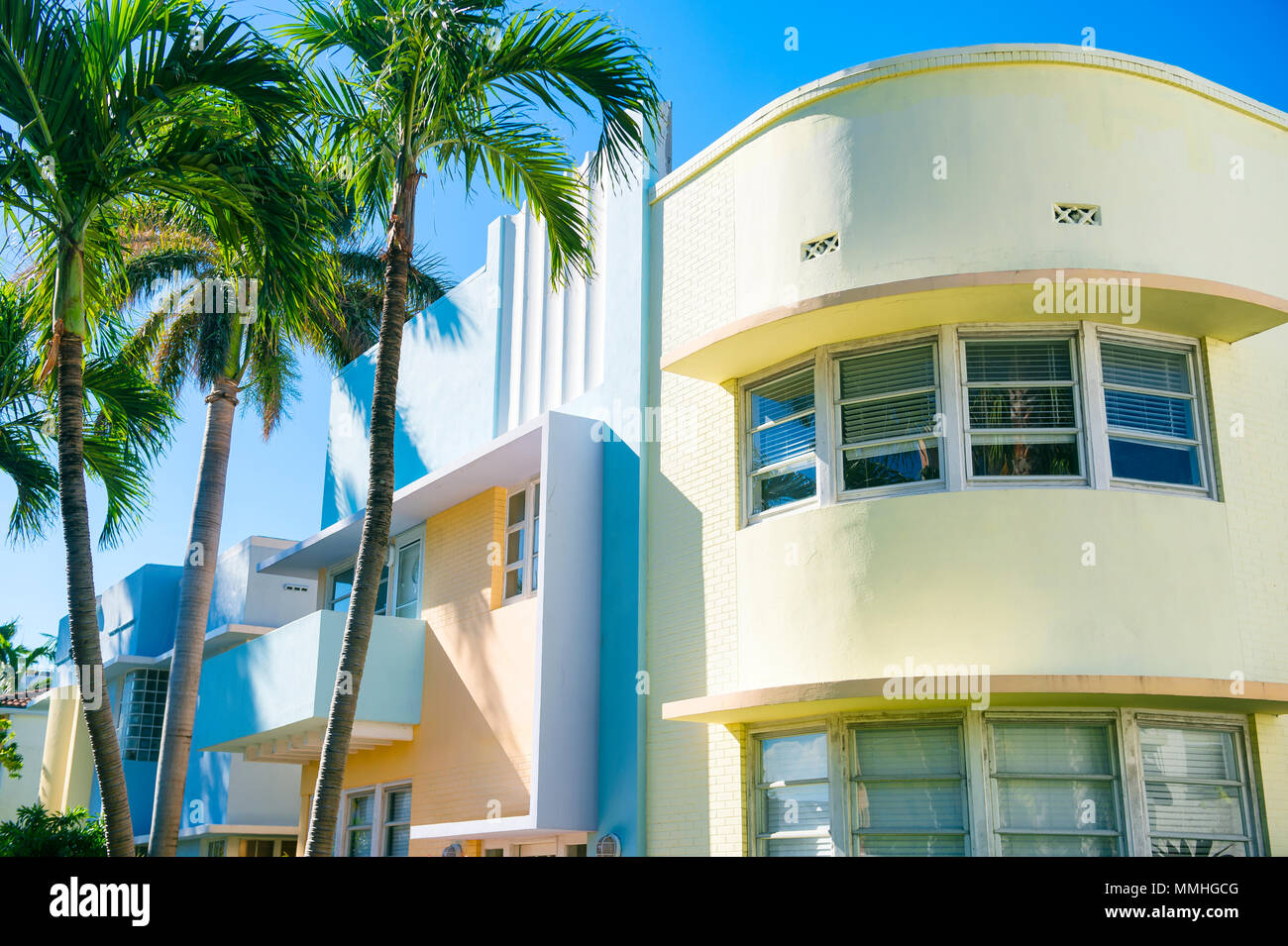
The economic collapse of the 1930s could have halted this architectural vision in its tracks. Instead, necessity and public works refined and solidified the style. The Works Progress Administration funded key infrastructure, such as the iconic Ocean Drive sidewalks and lighting, which framed buildings as public art. This period led to the emergence of a simpler, more robust variant, often referred to as Depression Modern, stripping away some of the more extravagant elements. The government’s role ensured the area’s completion and embedded a story of
Protection Struggles: Saving the Region from Destruction
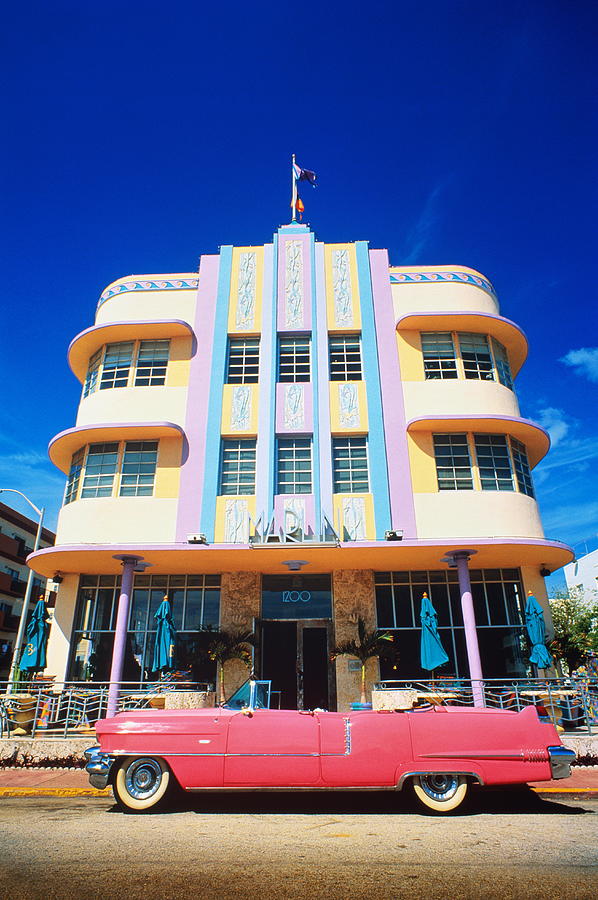
By the 1970s, this architectural treasure began to be seen as outdated and faced the threat of demolition to make way for high-rise buildings. A small group of activists, led by Barbara Baer Capitman, fought to redefine these buildings not as obsolete, but as irreplaceable cultural artifacts. Their struggle, which championed the value of the harmonious streetscape of the 20th century, became a significant turning point in American preservation history. Their victory is important because it saved a
Decoding the Design Language: Signature Elements
These are distilled forms that serve as a recurring visual vocabulary to create a recognizable identity defining an architectural era. They function as a collective memory, where a curve or a line instantly evokes a specific time and place. Their significance lies in transforming a building from a mere structure into an expression by creating consistency. These are the grammar of style, enabling architecture to convey its purpose and origin without uttering a single word.
“Rule of Thirds”: Symmetry and Vertical Accents
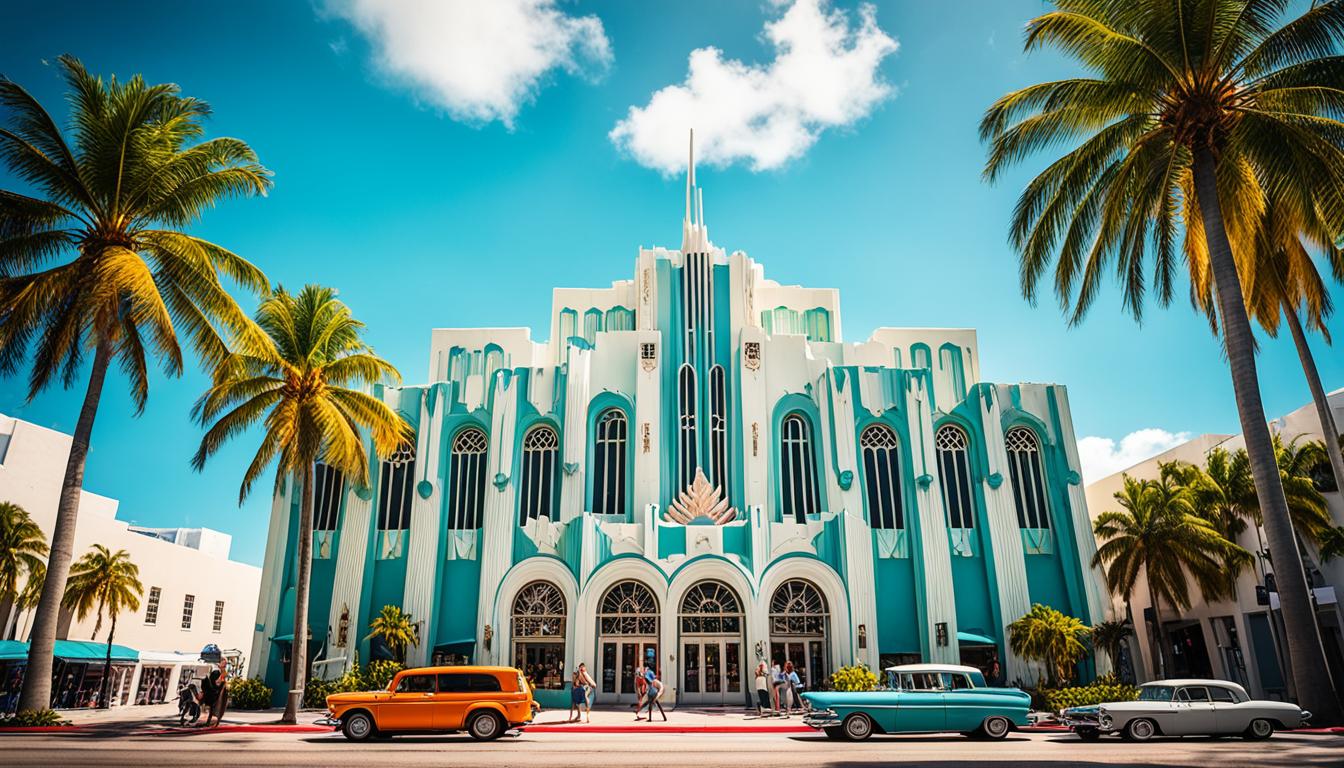
This principle imparts a classical sense of order and rhythm to modern forms and is often seen in three-part facades. It grounds the building and provides a familiar structure, such as base, middle, and crown, which the eye naturally follows. Vertical accents, like fluting or glass blocks, draw the gaze skyward and evoke a sense of aspiration and progress. Together, they balance exuberant decoration with a timeless, human-scale framework, creating a dignified presence.
Maritime Motifs: Porthole Windows and Ship Railings
These elements directly bring the romance of ocean liners ashore, reflecting the era’s spirit of entertainment and escape. Like a ship’s captain might see, the porthole window frames the world, turning the view into a journey. Sleek, pipe-shaped railings mimic a ship’s deck, evoking a sense of motion and connection to the horizon. They are significant because they add a narrative to the building, transforming residents into travelers on a perpetual vacation.
Showy Geometry: Chevrons, Ziggurats, and Solar Flares
This is the exuberant syntax of style, where geometry breaks free from constraints and transforms into pure decoration. Chevrons evoke dynamic energy and speed, while ziggurats recall ancient grandeur in their stepped parapets, and sunbursts explode as symbols of optimism. These are architectural jewels that celebrate the facade as a canvas of joy and fantasy. Their meanings are emotional, their patterns awe-inspiring, and they declare that a building can be a daily source of delight.
“Kaş”: Iconic Shading Devices
This elegant, horizontal projection serves both as a functional roof and a defining stylistic signature. With its soft, curved geometry that rejects harsh lines, it shelters interior spaces from the sun. Architecturally, it adds a layered, rhythmic depth to the facade, creating plays of light and shadow throughout the day. It stands as a thoughtful gesture of shelter, blending practicality with a distinctive, almost winking character.
Pastel Color Palette: The Color Story of Miami Beach
Coral, water, and peach-like soft tones directly reject the seriousness of stone and brick. These hues capture the twilight sky, the sea in shallow waters, and vibrant vegetation by reflecting the local environment. This palette transforms architecture into a canvas that captures light, adding lightness and a playful atmosphere to the buildings. The visual climate, as important as the physical one, is crucial for creating a sense of space that evokes a constant feeling of vacation.
For Architects: Lessons in Harmony and Heritage
Architecture is the slowest evolving art form, and its meaning unfolds across generations. The true test of a building is not its opening day, but its capacity to host new lives within its old structure, to rediscover itself. This teaches us that heritage is not a static monument, but a flexible framework, a gift to an unknown future. Our greatest designs are those that continue to offer generous hospitality long after our own story has ended.
Climate-Sensitive Design: Shading, Ventilation, and Materials
This is the art of establishing a dialogue with the sky and the sun. It goes beyond technical specifications to shape the experience; a deep overhang creates a shaded social space, while a thermal chimney brings a cool breeze into a quiet room. The choice of local stone or textured concrete is not merely aesthetic but also a tactile memory of the space, balancing warmth and telling a geological story. This design philosophy regards the building not as a closed fortress against its ecosystem, but as an active part of it.
Modern Comments: Neo-Deco in Contemporary Practice
Neo-Deco is not merely nostalgia, but a revival of optimism and meticulously crafted details in the digital age. By transforming the aerodynamic speed and sunburst motifs of the past into new materials and scales, it offers a humane counterpoint to minimalist glass boxes. This movement is significant because it reintroduces narrative and joy to the urban landscape, proving that ornamentation can be meaningful rather than superfluous. An architecture that remembers to smile creates iconic structures that feel both familiar and forward-looking.
Urban Planning Insights: Walkability and Human Scale
This is the science of designing according to the pace of conversation, where the distance between a home and a café feels not like a commute, but like a pleasant stroll. It prioritizes the intimate sensory details a pedestrian encounters—the texture of a wall, the scent of a bakery, the shade of a tree—over the abstract efficiency of traffic flow. Cities built to this human rhythm transform streets into shared living spaces by fostering chance encounters and community. They acknowledge that urban vitality is measured not by vehicle
Sustainable Conservation: Preserving Historical Integrity
This is a profound act, representing the highest form of recycling by extending a building’s lifespan. It values the embodied energy and cultural memory within old walls more than the energy required to renew them. The challenge lies in establishing a delicate dialogue—thoughtfully integrating modern performance so that the original character can continue to speak. True preservation ensures that history remains a usable and relevant part of the city’s daily fabric, fostering a living connection with the past.
Discover more from Dök Architecture
Subscribe to get the latest posts sent to your email.