

Mason City, Iowa: The Masterpiece of Prairie School
This small Midwestern city boasts a unique concentration of Prairie School architecture, serving as a living museum of this movement. Its collection is not a scattered assortment of disconnected works, but a harmonious environment where banks, homes, and public buildings speak the same design language. This density transforms the urban fabric into a unified artistic expression, making the city a testament to a radical American vision. Walking its streets means experiencing the ideals of an architectural revolution made permanent in brick, glass, and mortar.
The Prairie School Philosophy in Mason City
Here, architecture was conceived as a democratic force to enhance daily life. This philosophy extended beyond mere style, encompassing how buildings could shape community interaction and individual well-being. Structures were designed to be honest in their use of local materials and rational in their forms, rejecting historical imitation. This created an environment that was both radically new and authentically Midwestern—a genuine expression of space and progressive thought.
The Enduring Influence of Frank Lloyd Wright

Its presence is felt not as a signature, but as a fundamental grammar shaping the city’s architectural dialogue. With its strong horizontal lines and geometric ornamentation, the iconic City National Bank and Hotel established a powerful local prototype. This work provided a vocabulary of form and space that other architects in the city would adopt, adapt, and reinterpret. Wright’s genius here lies not in a single building, but in sowing the seeds for the development of an entire design ecosystem.
Walter Burley Griffin and Local Heritage
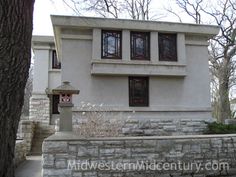
Although Wright sparked the initial spark, Griffin and his wife Marion Mahony nurtured it, transforming it into a sustainable local practice. Designs like the magnificent Melson House showcase the Prairie spirit through a more poetic and botanical interpretation. By demonstrating how this style could be personalized, they created homes with an organic feel and a scale suited to family life. Their prolific work allowed this movement to take deep root, evolving from a fleeting import into a genuine local tradition.
Compatible with the Midwest Landscape
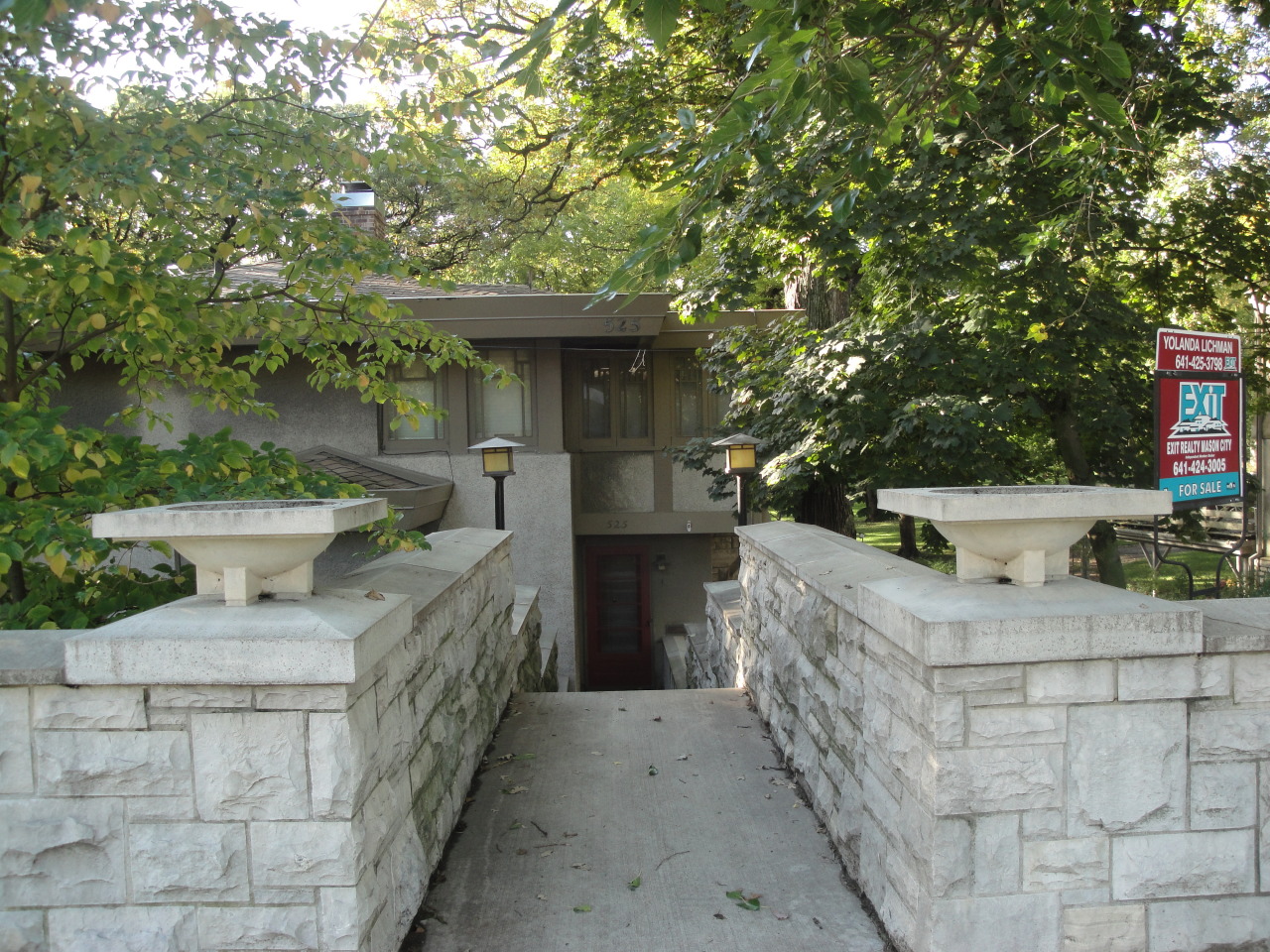
Architecture seeks a quiet harmony with the vast, flat terrain of the Iowa plains. Low, broad rooflines and pronounced horizontal lines reflect the horizon, making the buildings appear as natural extensions of the land. Rows of windows and open interior plans dissolve the barrier between the indoors and the expansive outdoors. This creates a sense of spacious, protective shelter while never feeling disconnected from the surrounding boundless sky and earth.
Defining the “Prairie Style” Aesthetic
This is the aesthetic of repose and integration, deliberately departing from the vertical, compartmentalized Victorian design. Its defining feature is the horizontal lines expressed through long ribbon windows, deeply overhanging low roofs, and uninterrupted brick walls. The interiors are arranged fluidly as open spaces around fireplaces, fostering a sense of unified family life. When ornamentation is used, it is abstracted from native plants and soil, making the decoration a reflection of the natural world rather than historical precedents.
Architectural Symbols and Important Structures
These structures are the physical embodiments of design philosophy. They transform a city’s map into a living timeline of architectural thought. Each building serves as a public argument for a different way of living and working. Their collective existence creates a rare dialogue of styles within a single community. This concentration turns the entire city into an open-air museum of American design.
Historic Park Inn Hotel: The Last Surviving Wright Hotel

It stands as a singular testament to Frank Lloyd Wright’s vision of communal urban living. This building is not merely a hotel but a compact, vertical city block encompassing all the functions of civic life. Its survival is a fragile miracle, preserving the sole remaining example of Wright’s work in the commercial hospitality realm. To experience these spaces is like walking through a manifesto of integrated design, where every element serves the whole. The architecture matters because it captures a fleeting moment when it aimed to comprehensively shape human
Rock Crest / Rock Glen Residential Area
This area, carved into limestone cliffs, represents a quiet revolution in suburban planning. It embodies the Prairie School’s harmonious response to the picturesque landscape, rejecting grid-shaped lots in favor of organic contours. The houses are not placed on the land but emerge from it, with low horizontal structures reflecting natural terraces. This approach has created a community where architecture and landscape are inseparable partners. It stands as a successful experiment in crafting a neighborhood that offers both a profound sense of privacy and an intrinsic connection to the natural
City National Bank (Now a museum)
This building redefined the public presence of financial institutions at the turn of the century. With its monumental arch and robust structure, it serves as a fortress of trust for the community, evoking a sense of stability and permanence. Inside, the naturally lit, double-height space transformed banking from a transaction into an experience. Its adaptive reuse as a museum perfectly honors its original role as a treasury of value. It powerfully reminds us that the most enduring architecture meets both practical functions and public expectations.
Key Elements: Art Glass, Brick Wall, and Consoles
These elements constitute the distinctive vocabulary of the regional architectural language. Stained glass windows are intricate light filters that create interiors shimmering with geometric patterns and soft hues. Long Roman brick walls emphasize horizontal lines and visually anchor the structure to the prairie landscape. Bold cantilevers defy gravity, creating sheltered spaces and a sense of weightless refuge. Together, they articulate a philosophy where decoration is structural and structure is inherently decorative, achieving a profound sense of unity.
Interior Design and Built-in Furniture
The interior is the inevitable outcome of the exterior architectural concept. Built-in furniture is not added as decorative elements but emerges from the walls and floors. This integration eliminates clutter, directing focus toward the quality of space, light, and materials. It creates an orderly environment of repose, where every object is intentionally placed. This total design control shapes not just an appearance but also a calmer, more focused lifestyle within the architecture.
Protection, Heritage, and Visiting Today
These places are not frozen remnants, but are engaged in an active dialogue over time. Preserving them is a conscious choice about which stories we carry into the future. Visiting these sites means physically inhabiting a timeline, feeling the weight of heritage beneath our feet. This encounter transforms abstract history into a tangible, sensory experience, prompting us to question our own temporality.
Conservation Studies and Architectural Tourism
Preservation is a delicate art akin to repairing a building’s structure while safeguarding its soul. It ensures that structures remain as relevant documents by balancing historical fidelity with contemporary necessities. Architectural tourism transforms this preservation into a shared cultural ritual, generating economic value from heritage. This symbiosis finances the future of the past and turns visitors from passive observers into active participants.
Inspiring Modern Architects and Designers
For contemporary creators, these places serve as a deep library of resolved problems and bold experiments. They are not templates to be copied, but conceptual fuels offering lessons on materiality, light, and social form. Engaging with them is an intergenerational dialogue, challenging modern practices to build with a similar conviction. This inspiration is less about style and more about remembering architecture’s capacity to embody profound human ideas.
Planning Your Architectural Pilgrimage
A meaningful visit requires shifting from checklist tourism to conscious travel. Before arriving, research the story of the place and understand the forces that shaped it. Plan for slow interaction, allowing time to uncover the rhythm and details of the space. This preparation frames the journey as a personal inquiry and allows the architecture to reflect not only its own history but also your present perspective.
Discover more from Dök Architecture
Subscribe to get the latest posts sent to your email.