
Kyoto, Japan: The Enduring Legacy of Shoin-zukuri
This architectural style is the DNA of traditional Japanese design; a quiet revolution in wood and paper that has defined domestic interiors for centuries. By shifting architecture from the grandeur of ceremonies to a disciplined art of daily living, it created spaces for contemplation and cultural practices. Its legacy is a timeless language of proportion, material honesty, and connection with nature that still resonates in modern design. Encountering shoin-zukuri means understanding the Japanese genius for finding eternity in a carefully framed landscape.
Historical and Cultural Foundations of Shoin-zukuri
Its origins trace back to the late Muromachi period, when political power shifted from court nobles to military governors. This new warrior aristocracy needed an architectural expression that blended residential comfort with official authority and intellectual prestige. Thus, this style emerged as the physical manifestation of a sophisticated ruling class, encoding spatial order. It transformed the house from merely a shelter into a stage for governance, art, and the tea ceremony, embedding culture within the structure itself.
From Shinden-zukuri to Samurai Aesthetics
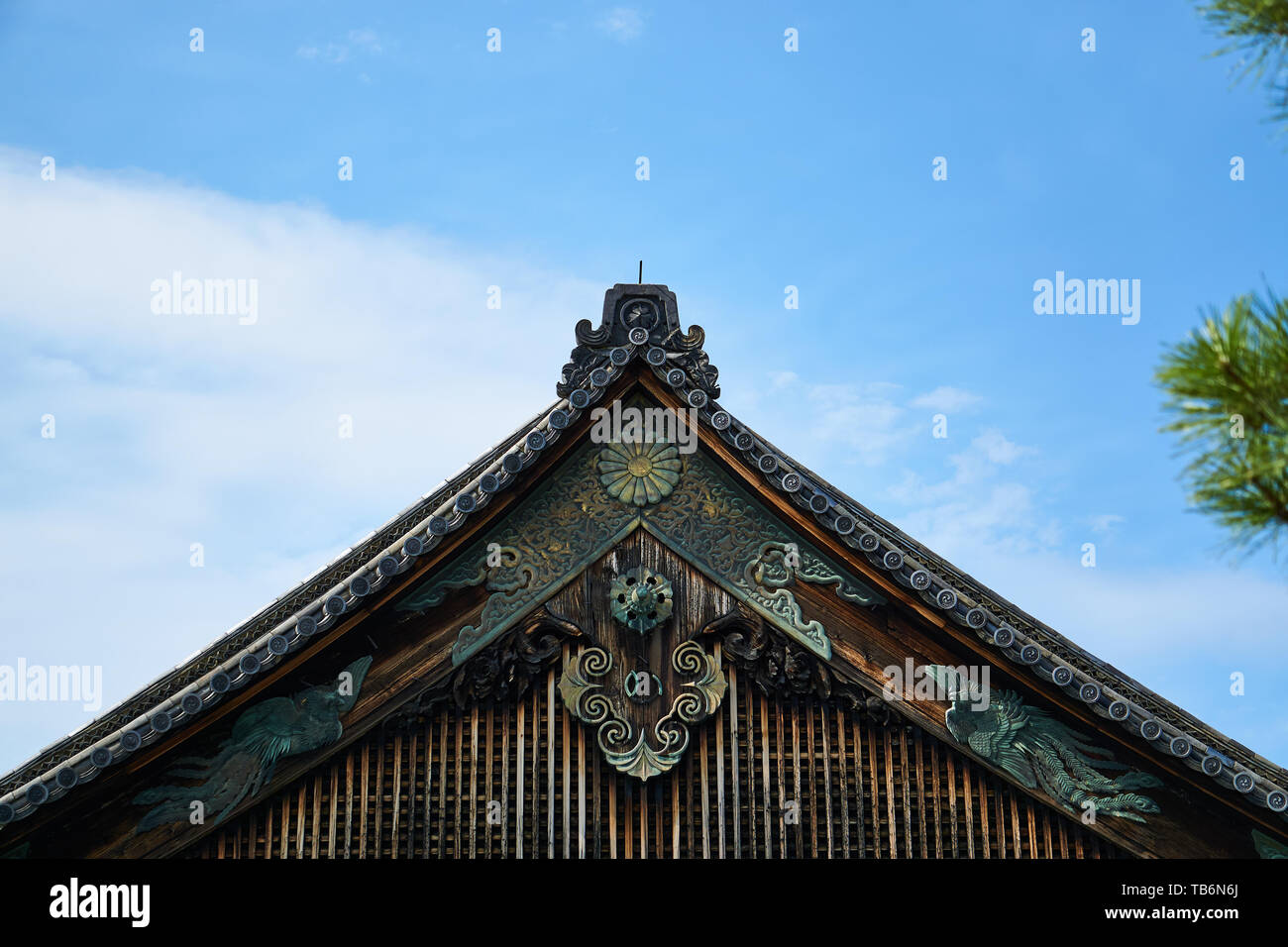
The old Shinden-zukuri was a spacious, symmetrical structure designed for palace ceremonies, opening onto garden courtyards. The new samurai class adapted this model by turning it inward, prioritizing private, asymmetrical room arrangements over public displays. This shift transformed architecture from an external display of status into an internalized experience of control and refinement. The resulting aesthetic was one of measured progression and layered privacy, directly reflecting the samurai’s disciplined worldview and their need for a secure, contemplative space.
Zen Buddhism and the Influence of Wabi-sabi
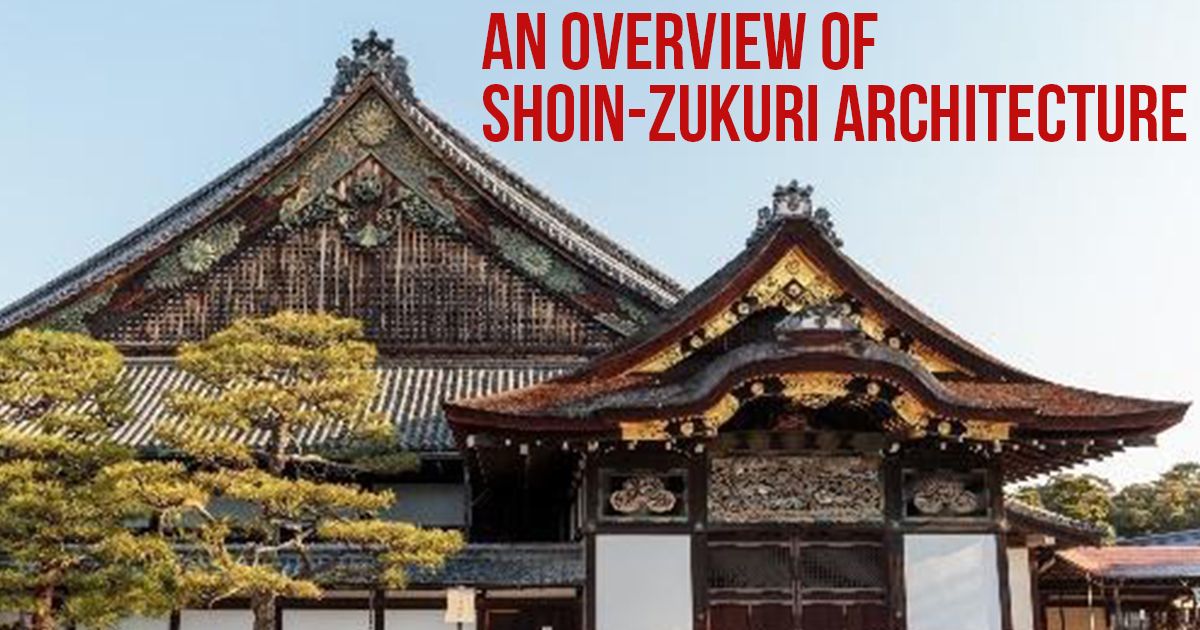
Zen philosophy stripped away ornamentation to reveal essence, directing style toward a simple elegance and purposeful emptiness. This is seen in the unadorned wooden pillars, the stark white shoji screens, and the calculated use of shadows. Emerging around the same time, the ideal of wabi-sabi advocated finding beauty in imperfection and transience, embracing the textures of natural materials and asymmetrical compositions. Together, these two ideals taught that a room’s power lies not in what is added, but in
Shoin-zukuri as a Symbol of Power and Wisdom

The tokonoma was not merely a niche for displaying artworks, but a sacred focal point that revealed the host’s cultural roots and tastes. The built-in writing desk, or shoin, from which this style takes its name, was a potent symbol of administrative authority and literary culture. Every element, from the tiered shelves to the hierarchy of floor mats, reflected social order and intellectual refinement. This architecture quietly emphasized that true power was demonstrated not only through military might, but through expertise and cultivated comp
Important Historical Examples: Katsura and Nijo

The Katsura Imperial Villa is the pinnacle of refined simplicity; it is a poetic experiment where architecture and garden merge into a single, breathing entity. Deliberately rustic appearances and winding paths embody the wabi-sabi philosophy, creating an atmosphere of profound tranquility and meticulously designed naturalness. In contrast, Nijo Castle reflects overt political authority with its vast, imposing reception halls and the famous nightingale floors that chirp at the step of an intruder. These two sites represent the full spectrum of
Deconstruction of Architectural Principles
These are not just rules, but a philosophical framework that shapes the space and the experience. Beyond the building form, they prioritize the relationship between the human body, nature, and the built environment. This creates an architecture of deep empathy, where proportion and material choices feel instinctively right. The result is a space that feels less constructed and more discovered, providing a quiet backdrop to the flow of life.
Defining Tokonoma and Chigaidana
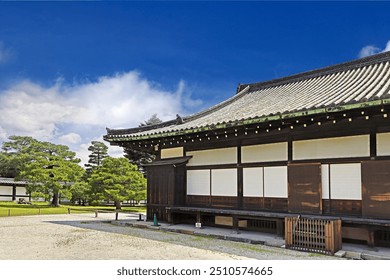
The tokonoma is a sacred alcove that serves as the spiritual anchor of a room, designed to honor a single revered object. Its raised floor and limited depth create a contemplative stage that elevates artworks or floral arrangements into focal points for meditation. The adjoining chigaidana, with its staggered shelves, introduces an asymmetrical balance and deliberate complexity that complements the purity of the alcove. Together, they form a microcosm of aesthetic principles, teaching the beauty of restraint and intentional emptiness
Shoin: The Study Alcove and Its Evolution
Originating as a simple window alcove for reading, the shoin evolved into the architectural DNA of the Japanese room. Its fixed features—the writing desk and tiered shelves—established a new standard for residential design centered on scholarship and refinement. This alcove transformed the room from mere shelter into a canvas for cultural expression. Its legacy is the idea of a home space specifically crafted for intellectual and artistic pursuits.
Fusuma, Shoji and the Art of Spatial Flexibility
These sliding elements eliminate the concept of static walls, transforming the space into a fluid and participatory creation. The fusuma, with their opaque surfaces, allow interior spaces to expand, contract, or completely disappear with a gentle push, redefining rooms. The shoji, as semi-transparent screens, perform a magical trick with light, softening sunlight and transforming it into a diffuse glow that defines the daytime atmosphere. Together, they empower the inhabitants with creative control over their environment.
The Role of Engawa: Blurring the Boundaries Between Inside and Outside
Engawa is a transitional veranda that belongs to the somewhat ambiguous zone of the house garden. It serves as a breath between the interior and exterior—a place where you can sit and observe nature from a sheltered position. This ambiguous threshold blurs the boundaries of the home, allowing the seasons to visually and emotionally permeate the living space. It frames the garden like a living painting, constantly changing with the light and weather.
Structural Simplicity and Modular Tatami Logic
The architecture reveals its skeleton through honest and lightweight construction with exposed columns and beams. This clarity creates a sense of openness and resilience, like a tree that bends but does not break. Tatami mats provide a human-scale module, their consistent dimensions determining the proportions of each room and the placement of every column. This grid transforms floor planning into a poetic exercise of rhythm and harmony, where space is measured not in meters, but in mats.
The Influence of Shoin-zukuri on Modern Architecture
This medieval Japanese residential style quietly reshaped global design sensibilities. Its key innovation was the tokonoma alcove—a space dedicated to art that framed emptiness as a positive presence. This concept taught modernism that a room is not merely a container for objects but also a stage for contemplation. Sliding fusuma panels eliminated rigid walls, introducing the idea of fluid, adaptable space. As a result, shoin-zukuri offered a blueprint in which structure, function, and spiritual atmosphere are inseparable
Frank Lloyd Wright and the Inspiration He Took from the Japanese
Wright did not copy Japanese forms; he embraced their philosophical essence. In their architecture, he saw a profound harmony between building and landscape, and this became his organic principle. The low, sheltering roofs and broad eaves of the Prairie houses reflect the horizontal embrace of Japanese temples. More profoundly, he learned the art of compression and release, using low entrances to magnify the drama of interior space. This cross-cultural dialogue proved that great design speaks the universal language of human experience.
Contemporary Japanese Minimalism
Today’s minimalism is evolving beyond mere aesthetic reduction toward a conscious curation of existence. It is not an empty space, but one imbued with intention and an awareness of material reality. Architects like Tadao Ando use raw concrete not as a cold industrial material, but to frame light and shadow as tangible elements. This approach creates environments that evoke a profound sense of tranquility, as every object and surface finds its rightful place. It is an architecture that silences the external world to amplify the inner
Sustainable and Human-Centered Design Courses
True sustainability begins with a deep respect for natural patterns and local context. Traditional Japanese design teaches working in harmony with the climate—using deep eaves for shade and permeable screens for ventilation—long before mechanical systems existed. Its human-centered approach is found in the intimacy of proportion, with floors and ceilings scaled to the seated body, strengthening connection. This philosophy values the longevity of spirit and material over fleeting innovations. It shows that the most advanced designs often rest on timeless, simple wisdom.
Adapting Principles to 21st Century Life
The challenge here is adapting old principles of harmony and restraint to our complex digital age. This means designing homes that offer digital detox zones by using screens and thresholds to separate frenetic environments from calm ones. Resisting the pressure of fixed functions, flexible spaces that can evolve according to the family’s needs are advocated. The goal is to create shelters that are not just efficient machines, but also restorative sanctuaries. It’s about building an architecture that supports being human in a world that often forgets how
Discover more from Dök Architecture
Subscribe to get the latest posts sent to your email.