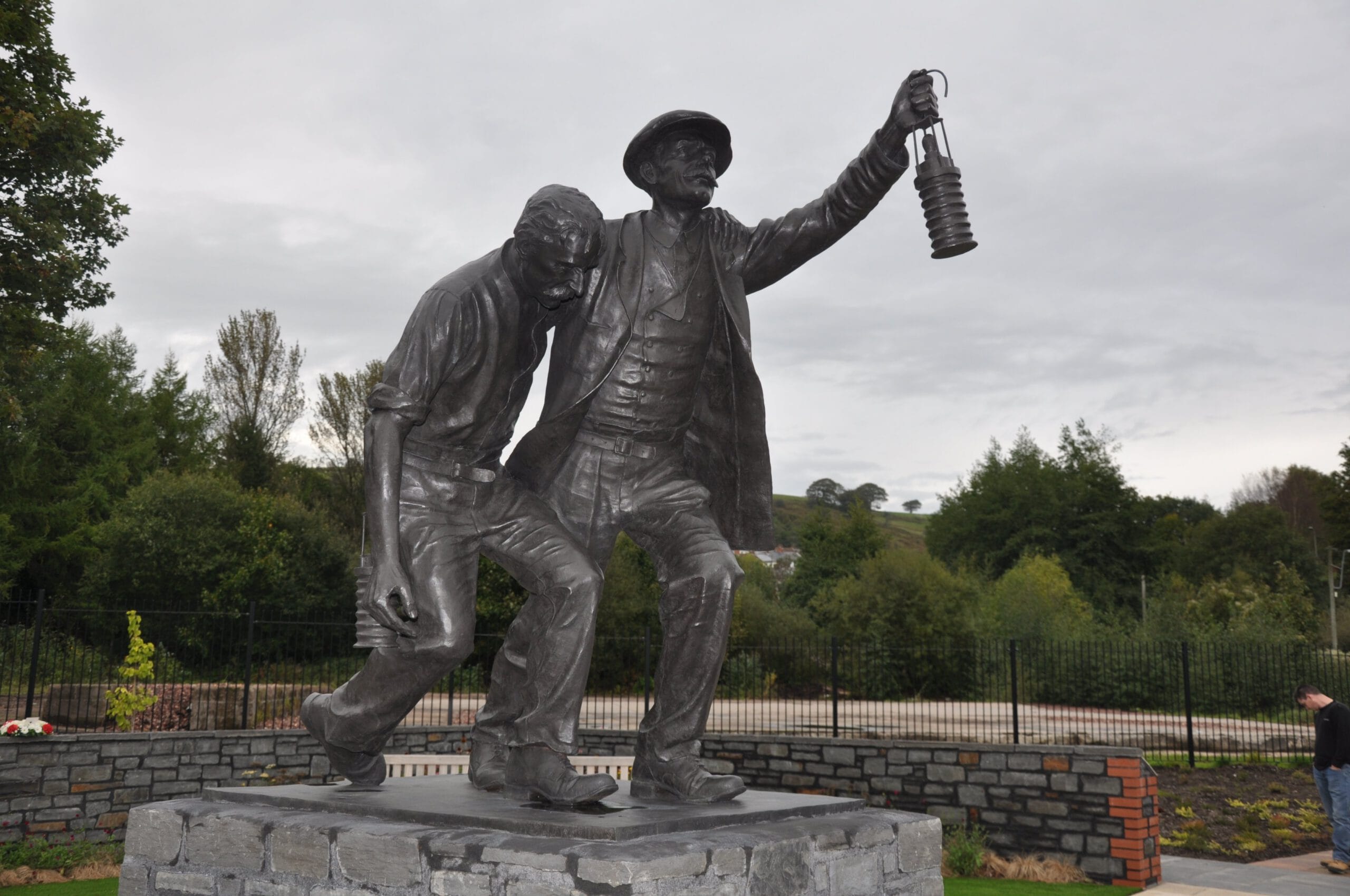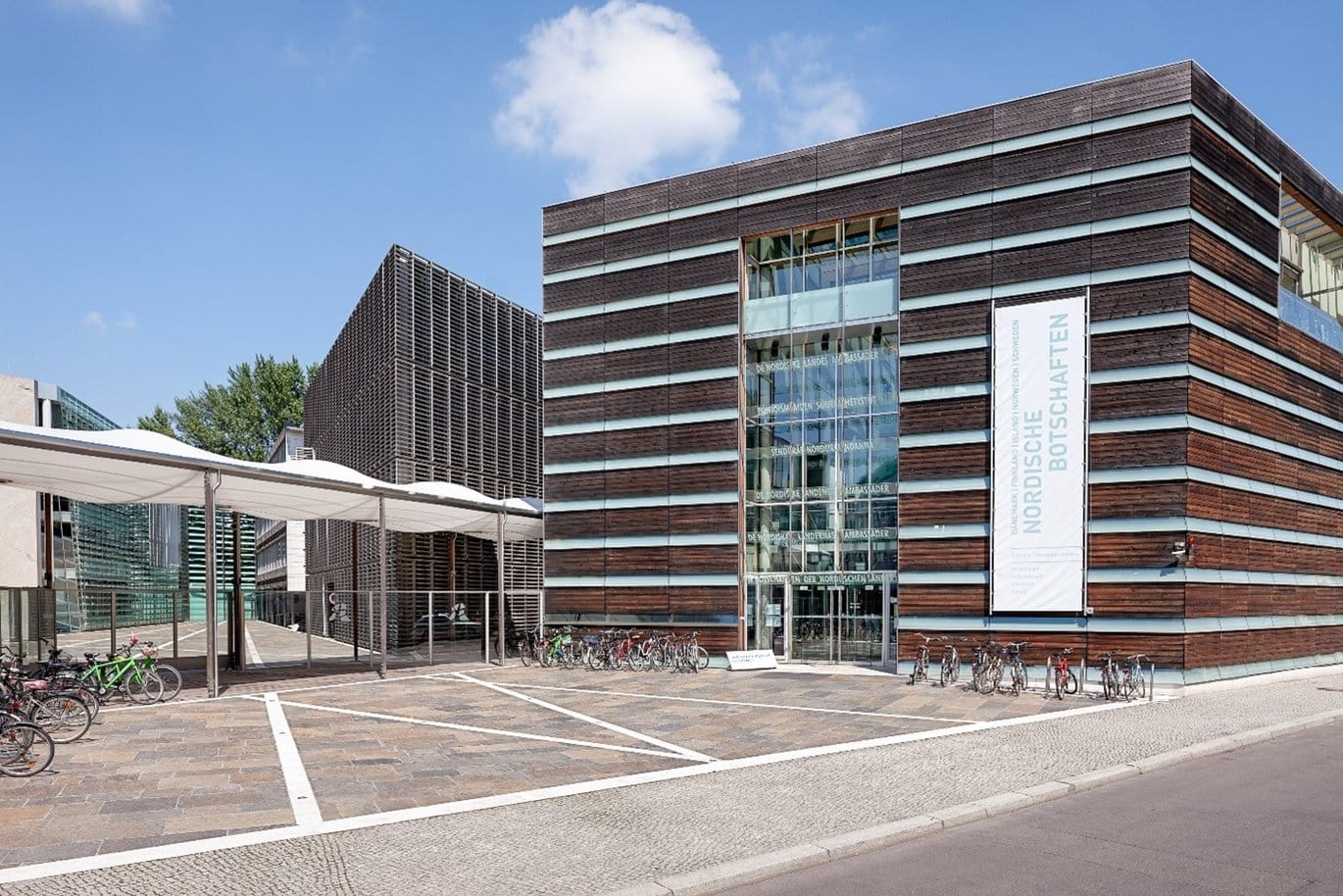

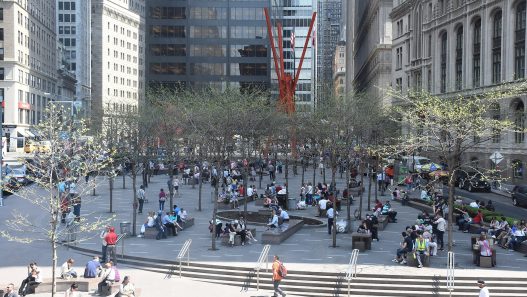

Freedom in architecture does not mean emptiness or a lack of rules; it means providing people with a real space for making choices, making changes, and growing organically. Buildings that “learn” over time, adapting to changing lives, offer a different kind of beauty: not the fixed perfection of a model, but the lived elegance of a constantly responsive space. Consider Stewart Brand’s view that buildings succeed when their layers can change at different speeds, allowing users to easily modify the movable parts without disrupting the permanent ones. This layered flexibility is a practical path to spatial freedom.
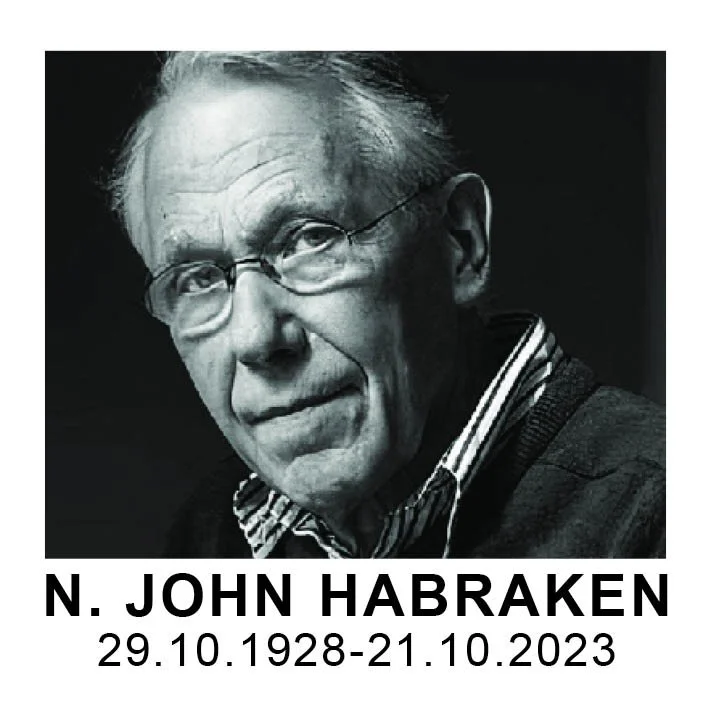
The second source of freedom lies in the distinction between what is fixed and must be shared, and what is personal and can be variable. N. John Habraken referred to this as “support” and “filler,” arguing that if the main structure is designed as a durable framework, residents should be able to control everything within it. This simple redistribution of power—the frame by professionals, the living by residents—transforms the building from a product into a platform. Open Structure theory has demonstrated how cities can be planned not against change, but for change, by translating this into methods, contracts, and case studies.
When freedom becomes the goal, the architect’s role also changes: rather than being the composer of finished monuments, they become the guardian of possibilities. You can see this in Alejandro Aravena’s phased housing, where he designs “half-good houses” that families can complete over time and then makes these designs freely downloadable so others can adapt them. You can also see this in the Scandinavian participatory design tradition, where users are invited to participate in decisions from the outset rather than being consulted afterward. Freedom is not a style; it is an embedded management, methodology, and ethical approach to the work.
The Foundations of Architectural Autonomy
Architectural autonomy begins with user autonomy: spaces that allow people to write their own lives rather than implement the designer’s scenario. Christopher Alexander’s “patterns” defined autonomy as a body of knowledge accessible to ordinary people—simple rules of language that help everyone shape streets, rooms, and thresholds that feel right. Viewing people as co-authors transforms design from a one-time decision into a social dialogue.

At the city level, spatial structure promotes movement, encounters, and choices, thereby fostering autonomy. Spatial syntax research shows how the configuration of streets and rooms silently influences people’s actions (where they walk, where they stop, how communities gather). Designing with this knowledge is not about control; it is about hospitality at the planning scale, enabling diverse lives to emerge by aligning spatial networks with human agency.
Historical Changes Toward User-Centered Design
User-centered design in the built environment did not emerge overnight; it arose from critiques of top-down modernism in the mid-20th century and from democratic experiments in Scandinavia, where unions and communities argued that workers and residents should have a say in shaping their environments. This political stance sowed the seeds for the methods that architecture later adapted to housing, public buildings, and neighborhoods (workshops, prototypes, feedback loops). The goal here was not cosmetic participation, but the redistribution of authorship.
Voices like Alexander’s advocated for design languages that even non-experts could use. An “example” is not a prescription; it is a compact piece of shared knowledge about what works, and it can be combined, adapted, and debated. This spirit—teaching the basic rules and then stepping back—helped foster a culture that embraces architecture, the knowledge of non-experts, and everyday life as legitimate design inputs.
The Rise of Modular and Open Systems
Modularity and Open Structure have transformed user-centric ideals into construction logic. If the main building carries heavy and durable elements, the infill material can be replaced like furniture. This technical distinction also allows for legal and financial separation: different parties can own, maintain, and replace different layers without interfering with each other. The result is a city that can be renewed unit by unit from within, without demolition.
Brand’s “decomposition” approach expresses the same situation in different terms: the site lasts the longest, the structure is permanent, services become obsolete more quickly, the site plan changes frequently, and “furnishings” are constantly changing. When buildings follow these rhythms (easy to maintain, easy to replan), people gain the freedom to restructure without wasting their lives. Modularity is not a preference for grids; it is a commitment to time.
Architects as Facilitators, Not Controllers
If architectural freedom is to be catalyzed, the architect regulates the conditions rather than dictating the outcomes. Aravena’s phased housing is a vivid example of this: half-finished cores ensure quality and safety; families add rooms, finishes, and workplaces as resources permit. Years later, research on these neighborhoods reveals a mosaic of additions reflecting culture, income, and imagination—precisely the diversity that top-down design struggles to produce.
An enabling attitude also means sharing tools. When Elemental published the drawings of housing systems for everyone to use, it redefined authorship as a service. This lesson can be generalized: publish the parts set, explain the patterns, open the framework. The more a project is understood and adaptable by its community, the more it belongs to them in practice, not just on paper.
From Monument to Frame: Changing Philosophies
Cedric Price was quick to realize that the most generous buildings could serve as scaffolding for changing programs, meaning that the opportunities they provided were more important than their forms. The Fun Palace was designed as a programmable cage for learning and play; the Potteries Thinkbelt envisioned transforming railway infrastructure into a mobile university. These were design fictions aimed at real politics, demonstrating how architecture could prioritize change over completion.


This mindset has become a practical ethic in the age of carbon and change. Even in mainstream discussions, adaptability is now valued over disposable glamour. This reflects Brand’s critique of “untouchable” icons that resist change. The city of the future will not be a museum showcasing perfect objects; it will be a toolkit composed of durable frameworks open to maintenance, reuse, and new narratives.
The Role of the Agency in Spatial Narratives
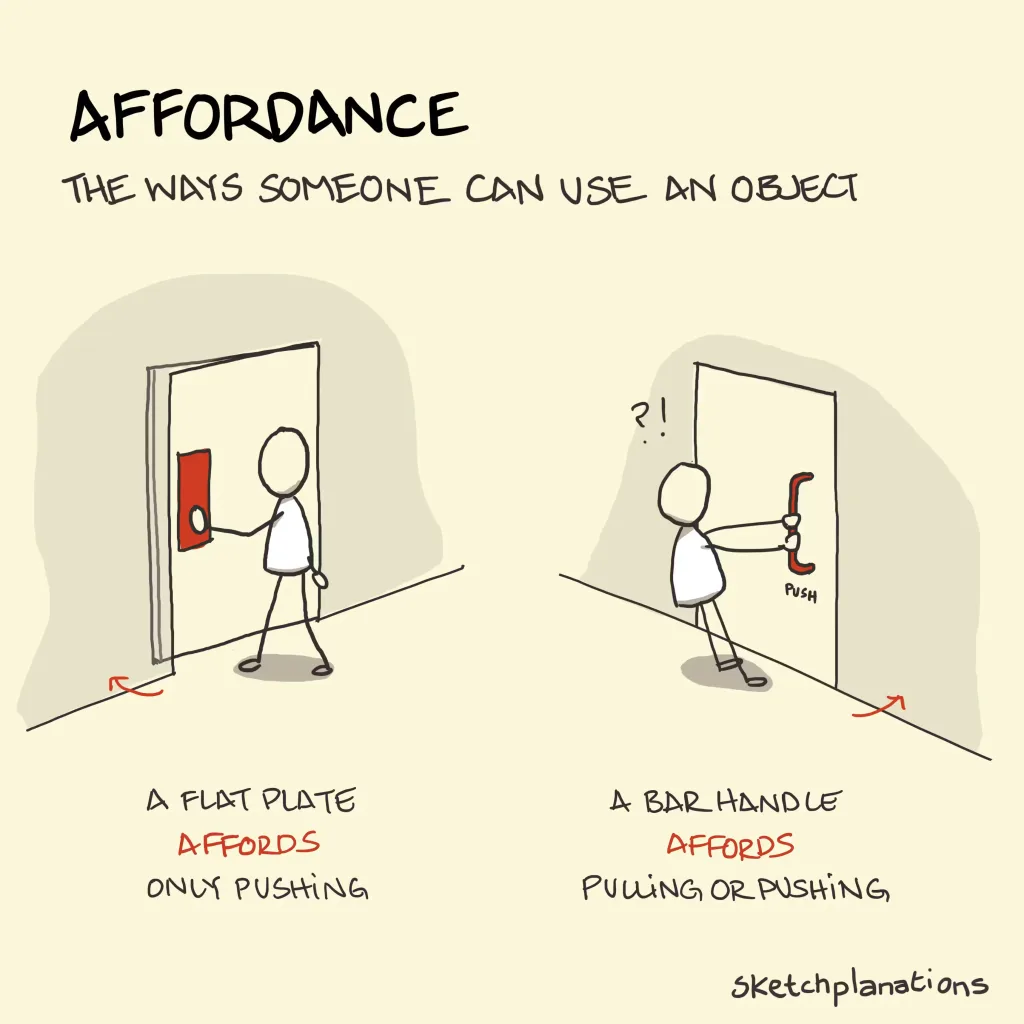
An agency is not just the right to change walls; it is the feeling that the space invites action. Ecological psychology refers to these invitations as “affordances”: a bench invites sitting, a ledge invites leaning, a wide staircase invites gathering. Good spaces are like open sentences—you can complete them in many ways. Designing with affordances in mind adjusts thresholds, edges, and surfaces so that people discover possibilities rather than instructions.
https://sketchplanations.com/affordance
Freedom Within Restrictions
Design evolves when it encounters a boundary and decides to dance with it. Rules, budgets, materials, climate, and location are not obstacles to creativity; they are part of the rhythm. If you see them as partners, they will advance the project in terms of clarity, durability, and meaning. The most generous buildings often emerge where rules are strict and resources are limited, because every move matters and every choice must serve life.
Construction Regulations and Creative Expression
Building codes are not meant to stifle creativity; they establish fundamental rules for safety and integrity, allowing creativity to flourish safely. For example, the International Building Code establishes fundamental rules related to fire and life safety, such as compartmentalization, detection, and suppression, so that people can exit the building and firefighters can enter it at the most critical moments. When these indisputable rules are met, form, light, and program can take risks more freely. In other words, rules are not the path, but the guardrails.
Accessibility standards work in the same way. The 2010 ADA Standards define the minimum scope and technical requirements for doors, ramps, restrooms, counters, and pathways to be usable by everyone. Good projects take these requirements as a baseline and then go beyond the law to make daily movements elegant and intuitive. When accessibility is designed to be universal, the expression becomes more generous, not less.
Codes are also evolving to accommodate new forms of expression. The 2021 IBC officially introduced high-mass wood types (IV-A, IV-B, IV-C), enabling wood buildings to reach new heights while meeting stringent fire resistance criteria. This change did not “domesticate” wood; it legitimized it and invited architects and engineers to explore warmer, lower-carbon structures on an urban scale.
Budget and Material Constraints
Limited budgets can make projects clearer and bring architecture closer to human needs. Alejandro Aravena’s phased housing project treats cost as a design variable: it builds the part that is most difficult for families to build on their own (structure, kitchen, bathroom) and leaves ample space and capacity for residents to complete and expand over time. By even releasing the working drawings of several projects to the public, he demonstrated that open information and careful stewardship can create cities that grow alongside their communities.
Material scarcity can also act as a catalyst. Shigeru Ban’s disaster relief efforts utilize modest paper tubes in situations with challenging constraints in terms of speed, cost, and logistics. In Rwanda and post-earthquake Kobe, his teams rapidly established respectable shelters and community spaces using components that could be sourced, constructed, and even relocated elsewhere by volunteers. The result is not “cheap” architecture, but a meticulously empathetic system.
Within the scale of existing cities, limited budgets have led to the emergence of radical reuse. Lacaton & Vassal’s transformation of the Grand Parc housing complex in Bordeaux prevented demolition and instead illuminated, expanded, and revitalized 530 occupied apartments at lower cost and with reduced carbon emissions by adding deep winter gardens and balconies. Here, constraint has given rise to generosity: more space, more light, and greater freedom of movement for residents.
Climate, Context, and Region-Specific Challenges
Climate is not a backdrop; it is a co-author. Thermal comfort standards such as ASHRAE 55 and the Adaptive Comfort Guide (CIBSE TM52) provide measurable targets that vary according to season and expectations, guiding designs toward passive strategies (air movement, shading, thermal mass) before mechanical solutions. When comfort is adjusted to actual weather conditions and real people, buildings work in harmony with the climate, not against it.
Light is another climate. EN 17037 redefines daylight as a quality that includes measurable targets for lighting, views, access to sunlight, and glare control. Treating daylight not as an afterthought but as a design criterion shapes courtyards, window placements, and section profiles to make interiors feel vibrant without compromising visual comfort.
Some places speak the language of water. In floodplains, ASCE 24 specifies minimum elevations, foundation types, and material requirements related to flood risk and the importance of the building. These rules, far from stifling ideas, guide projects toward elevated ground floors, detachable walls, and resilient structures that enable communities to continue functioning after a storm. Here, resilience is design clarity under pressure.
How Can Regulations Encourage Innovation?
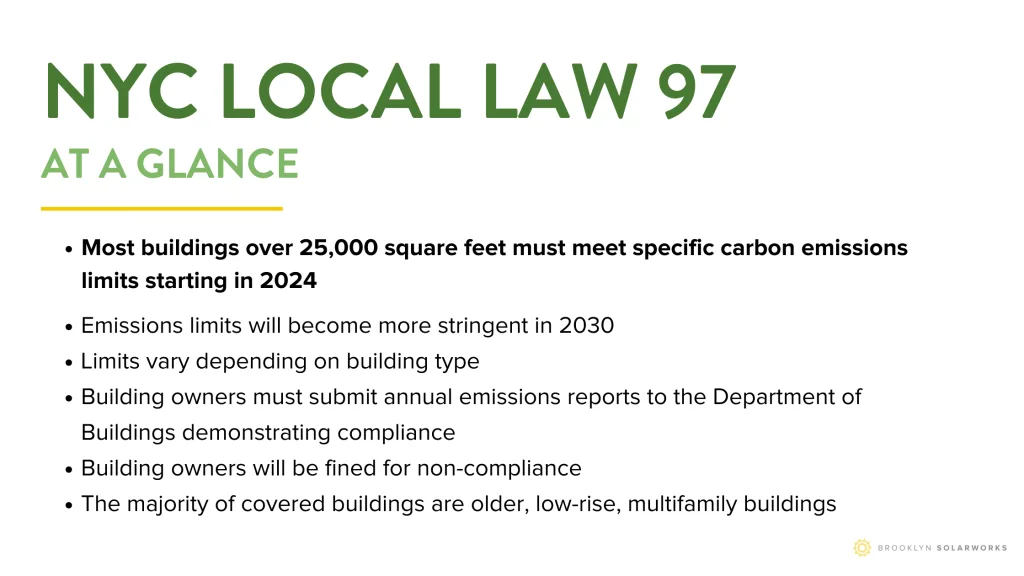
Carbon restrictions in cities like New York have transformed legal regulations into a climate engine. Local Law 97 sets emission limits for large buildings, encouraging building owners to renovate building envelopes, use efficient systems, and adopt clean energy. The race to comply with the law also serves as a race to rethink facades, mechanical rooms, and renovation logistics; an urban design summary born from the law.
YBird life protection has reshaped the glass itself. New York’s Local Law 15 requires bird-friendly practices at critical heights and conditions, encouraging the emergence of new frit patterns, UV-reflective coatings, and frame details that reduce collisions while preserving views and daylight. Here, regulation becomes a quiet aesthetic: glass that considers the city’s non-human inhabitants.
And when codes expand the possibilities of materials such as high-mass wood, they don’t just give the green light to innovation; they catalyze new typologies and supply chains, from CLT floor slabs to hybrid cores, all under strict fire safety performance. Innovation often emerges not despite regulations, but because of them.
Case Studies of Limited Brightness
The Moriyama House in Tokyo addresses a micro plot, privacy concerns, and strict zoning restrictions, transforming the “house” into a small village composed of rooms and courtyards. The result is flexible living, a permeable community, and light-filled interiors; a freedom carved out of the rigid realities of a dense neighborhood.

At the Kimbell Art Museum, sensitive artworks required strict control of light and temperature. Louis Kahn’s solution was cycloidal vaults featuring continuous skylights and suspended reflectors. This solution transformed the conservation constraints into a poetic feature of the building: soft, even, and endlessly vibrant daylight.
The Grand Parc renovation project in Bordeaux demonstrates how financial, social, and construction constraints can generate more, not less, livability. By preserving the structure and adding livable layers (winter gardens deep enough to become rooms), Lacaton & Vassal delivers daily luxury on a social housing budget, allowing residents to stay put. This is a masterclass in turning limitations into opportunities.

Hedef özgürlükse, kısıtlama da zanaattır. Kodlar, pazarlık edilemez olanları belirler. Bütçeler, niyeti odaklar. Malzemeler alçakgönüllülüğü öğretir. İklim tempoyu belirler. Yer, hikayeyi yazar. Mimari, hepsini dinleyerek ve hassasiyet, nezaket ve cesaretle yanıt vererek özgürlüğünü kazanır.
Spatial Policy and the Right to the City
The phrase “right to the city” began as a provocation and evolved into a program. Henri Lefebvre argued that urban space should not be produced solely as a commodity, but rather created and managed collectively by the people who live there. Subsequent policy work transformed this idea into concrete tasks for governments and designers: expanding participation, protecting access, and treating inclusivity not as an afterthought in urban development, but as a fundamental element. In this context, architecture is never neutral; every door width, bench shape, plaza rule, and housing policy distributes power.
Today, the “right to the city” forms the basis of international agendas and local regulations, demanding that cities guarantee non-discrimination, meaningful participation, and equal access to housing, transportation, and public spaces. This shift reframes design issues as matters of citizenship: Who can be here? Whose voices are heard before construction begins? Who can stay when the neighborhood improves? The answers lie both in the law and in the settlement plan.
Access, Inclusion, and Democratic Design
Inclusivity starts with things you can touch. Universal Design offers simple, practically tested principles (equal access, flexibility, simple use) that help make rooms, streets, and vehicles usable by as wide an audience as possible. In the United States, the 2010 ADA Standards have translated these ethical principles into minimum standards for accessibility in public and commercial facilities. When teams treat these as a baseline rather than a ceiling, ramps, paths, doors, and counters become moments of dignity rather than exceptions.
Democracy manifests itself not only in the process but also in the outcome. Sherry Arnstein’s “ladder of citizen participation” warns that symbolic social assistance can mask the status quo; power only moves when communities help determine priorities and control resources. Cities that open their budgets to residents, such as New York’s participatory budgeting cycles, transform participation into binding choices regarding parks, schools, and safety improvements. Neighborhood models like the “15-minute city” also promote inclusivity by locating daily needs within a short walk or drive, thereby reducing the time and financial costs that silently exclude.
Gentrification and the Illusion of Choice
Gentrification is often framed as a story of individual choices—new cafes, new tenants, new tastes—but research shows there is a system underlying it. Public investments and policy changes alter land values, and when protective measures are not taken, low-income tenants pay the price through rent increases and displacement. Evidence compiled by the Urban Displacement Project shows that certain investments, particularly new rail lines and station areas, increase the risk of displacement when protective measures to prevent displacement are inadequate. Freedom of choice is felt until the lease expires.
Climate stress is exacerbating the situation. In Miami’s Liberty City neighborhood, higher-elevation neighborhoods have begun to attract speculative interest as sea levels rise; this phenomenon has been dubbed “climate gentrification.” Redevelopment promises resilience but may exclude the most vulnerable communities through pricing. The lesson here is not to halt investment but to combine it with tools that ensure the right to stay (rent stabilization, income-restricted housing, and community management), so that those experiencing the shocks can also benefit.

Simulation of sea level rise in 2150 and its impact on Miami.
Customized Public Spaces and Invisible Boundaries
Some “public” spaces are not public in the legal sense. New York’s Privately Owned Public Spaces (POPS) are plazas and passageways delivered by developers in exchange for extra floor space; these spaces must remain open and meet announced amenity and signage standards, but their owners set the rules of conduct and manage access. This ambiguous situation emerged during the Occupy Wall Street encampment at Zuccotti Park, where the usual protections of the First Amendment clashed with private control. This incident revealed how governance regulations can quietly narrow the space for assembly.

London has its own map of “so-called public” squares patrolled by private security guards and governed by opaque rules. Even if entry is nominally open, subtle markers such as signs, selective enforcement, or divided benches draw invisible boundaries around who can spend time here. Research on defensive or hostile architecture documents how these micro-designs control behavior while simultaneously undermining inclusivity for the homeless, the elderly, and families. Design can either encourage or eliminate civil life.
The Role of Architecture in Social Mobility
The structured environment can either broaden or narrow the path from childhood to opportunity. Long-term evidence from the Moving to Opportunity experiment shows that when young children move from high-poverty neighborhoods to lower-poverty neighborhoods, their college enrollment rates increase and adults’ earnings improve, resulting in measurable lifetime gains; timing and stability matter. This finding reframes the “where” question as policy: affordable housing, schools, libraries, and clinics within real commuting distance of jobs and social networks, and the city itself becomes a ladder.
Mobility is not limited to housing. Medellín’s cable car-based public transportation system has reduced travel times by connecting neighborhoods on steep slopes to the city center. In the areas where the system is implemented, particularly when combined with libraries and public spaces, it has led to significant reductions in homicide rates. When infrastructure is designed with and for marginalized areas, it can redistribute the fundamental elements of mobility: time, safety, and visibility.
Designing with (and for) Marginalized Voices
“Nothing about us without us” has become a cornerstone of disability rights and beyond, because it articulates a simple truth: designs that exclude people from the decision-making process will likely exclude them from the outcomes as well. Design Justice expands this ethic by advocating that projects be managed by those most affected, be accountable to their communities, and pay attention to how race, gender, class, and ability shape the harms and benefits of design. This is not charity; it is about projects being managed by knowledgeable individuals who live under the conditions they seek to change.
There are models that can be emulated. In Boston, the Dudley Street Neighborhood Initiative gained community control over land through a community land trust, ensuring long-term affordability and development. Elsewhere, structured co-design processes—from transforming schoolyards to neighborhood laboratories—demonstrate that when institutions share tools and budgets, residents can set criteria, design alternatives, and manage implementation. When participation evolves from workshops to ownership, “right to the city” becomes a daily practice.

The Psychological Dimensions of Spatial Freedom
Spatial freedom begins in the mind. People don’t just move around rooms; they create expectations, stories, and feelings about what those rooms allow them to do. Environmental psychology shows that spaces evoke recognizable experiential dimensions (including consistency, enchantment, and home-like warmth) and that these dimensions shape how free we feel to stay, explore, or be drawn to a space. Designing for freedom means designing these internal responses with the same care we show when designing walls and windows.
Perceived and Actual Autonomy in Design
Autonomy is partly about what a building actually allows you to change, and partly about what you feel you can influence. Classic field experiments have shown that when nursing home residents are given real choices (such as caring for a plant or choosing activity times), their moods and health measurably improve. This demonstrates that even small, genuine control can restore agency. Spaces that offer meaningful decisions, rather than merely decorative variety, tend to facilitate this improvement more effectively.
Designers should also avoid “false” choices, i.e., illusions of control. Psychology and neuroimaging studies show that the very nature of having the opportunity to make a choice is rewarding and activates the brain’s valuation and reward systems; however, dummy keys and fake buttons only simulate this reward and can lead to disappointment when people realize they never had control. The lesson here is simple: If you are signaling control with a lever, key, movable partition, or reservable room, make sure that the control is real and has consequences.
Open Plans and the Privacy Paradox
Open layouts promise freedom—light, visibility, flexibility—but they often eliminate the privacy that makes freedom feel secure. Large-scale studies comparing office layouts show that open layouts perform worse than private rooms in terms of acoustics, perceived privacy, and overall satisfaction. People adapt to this situation by reducing face-to-face collaboration, relying instead on headphones and messages, despite being more exposed. The headline is counterintuitive: without controllable silence, openness diminishes the social energy it hopes to foster.
The practical solution is not to abandon openness, but to reintegrate privacy as a resource that people can control. Small rooms you can enter without permission, phone booths with real sound insulation, and noise-reducing furniture allow users to choose when to be visible and when to retreat. When a plan brings together views and shelters (clear sightlines and places to hide), people regain the freedom to manage their attention and social exposure on their own terms.
Freedom of Movement and Wayfinding
If you don’t know where you are or how to get to where you need to go, freedom turns into anxiety. Kevin Lynch called the feature that prevents this “visibility”; the ability of roads, edges, areas, nodes, and landmark structures to form a clear mental map. Decades of wayfinding research expanded this insight into methods for shaping patterns, sequences, and signs, so that buildings could be read not like puzzles but like legible stories. What matters is not just clarity, but dignity in motion.

Neuroscience adds a deeper dimension: Humans navigate using the hippocampal-entorhinal system, which creates cognitive maps including grid-cell-like codes that track position and direction. When environments feature landmarks, sightlines, and subtle decision points, they align with the brain’s natural mapping mechanism and reduce cognitive load. Consider wide field of view cones at intersections, distinct nodes, and consistent cues from entry to destination — preferred architecture begins with the ability to effortlessly select a route.
Emotional Responses to Spatial Control
People feel crowded not only when density is high, but also when they feel unable to regulate their contacts or withdraw. Basic models distinguish physical density from the feeling of crowding and associate stress with blocked goals and lack of control. Privacy regulation theory frames design as a tool for setting the desired level of interaction: thresholds, doors, curtains, and zones help us maintain social distance appropriately. In this context, a well-placed entrance hall or bench backrest is not a detail; it is an emotional infrastructure.
Access to nature can further regulate stress. Classic clinical evidence shows that even a window view of trees instead of a brick wall can speed up post-operative recovery and reduce analgesic use. More comprehensive studies reveal that exposure to nature is associated with lower self-reported stress and, in some studies, reduced cortisol levels. By adding biophilic elements to places where options are limited, such as corridors, waiting areas, and transition points, you can provide the nervous system with a calming support during situations where autonomy is temporarily reduced.
Neuroscience and the Voting Experience
Choice is not just a philosophy, but also an emotion. Experiments show that anticipating the opportunity to make a choice activates reward circuits, particularly in the ventral striatum, while valuation centers such as the ventromedial prefrontal cortex integrate how valuable this choice is to us. More recent studies suggest that neural responses to perceived control can even predict future well-being, highlighting why environments that offer real, tangible choices feel so invigorating.
Translating this into a space means offering options that the brain can perceive and enjoy without fatigue. Numerous routes that are truly different in terms of feel and duration, micro-adjustments that support different stances and levels of privacy, and controls that clearly reflect the action’s outcome help users experience agency rather than being overwhelmed by decision load. When architecture allows people to feel, understand, and apply control on the scale of a chair, a room, and a route, freedom transforms from a slogan into a daily, tangible reality.
Tools, Technology, and the Changing Role of the Architect
The most important change in design tools is not speed or grandeur, but the shift in authorship. Software no longer just records; it also makes suggestions. Standards are bringing many tools together in a single dialogue. The application is shifting from creating a single “final” object to maintaining living systems such as rules, data sets, and platforms that others can extend. This evolution does not diminish the architect’s role; it redefines it. Curation, ethics, and interoperability become as decisive as composition. Open, unlicensed data schemas like IFC and process standards like ISO 19650 make multi-tool and multi-team work understandable throughout project lifecycles, and this is where freedom begins for clients and communities.
A second change is cultural in nature. In 2024-2025, professional organizations and companies reported a sharp increase in artificial intelligence experiments and applications, while also demanding clearer rules on ownership, risk, and fairness. The same reports explain that with the spread of automation, the profession has learned to “keep humans in the loop.” The task ahead will be less about choosing a miraculous tool and more about deciding how decisions will be made, by whom, using what data, and under what obligations.
Parametric Design and Algorithmic Agency
Parametric design reframes a project not as a single fixed form, but as a negotiable space of rules governing geometry, performance, and manufacturing. According to Schumacher’s own explanation and recent academic work, “parametricism” is both a style and a methodology: elements become variable and interdependent, and designers establish relationships so that a change in one place is consistently reflected throughout the entire structure. Power comes not from the curve itself, but from the ability to establish connections between intention and outcome across thousands of parts.
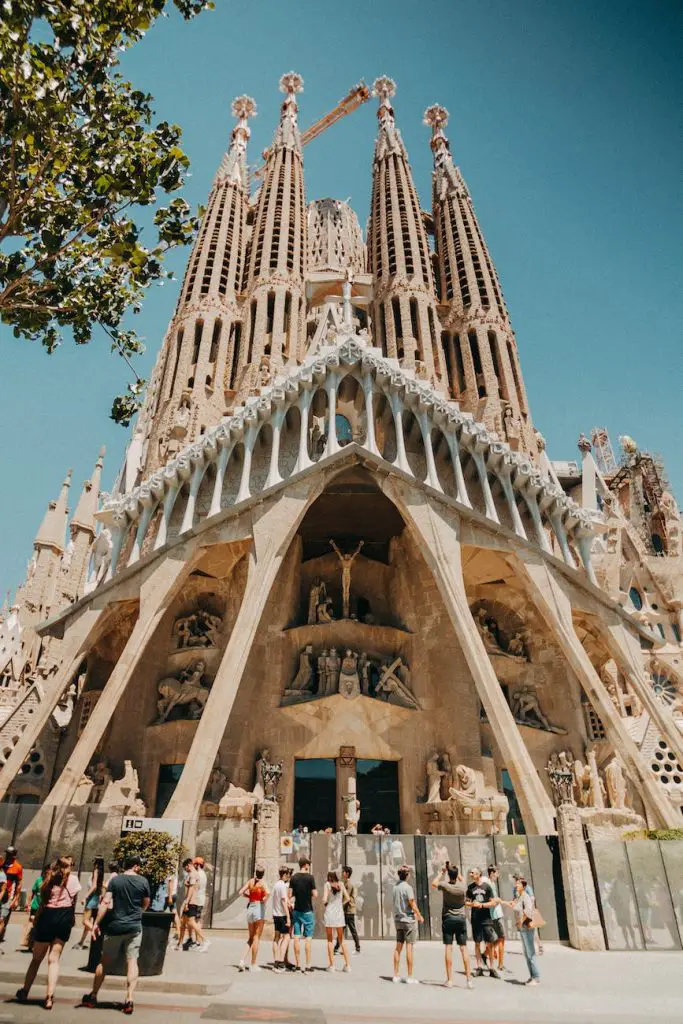
A classic example is the auditorium of the Elbphilharmonie. The auditorium’s 10,000 unique acoustic panels were produced and manufactured using a parametric pipeline to ensure that the sound and surfaces harmonize with each other. Another example is the long-standing research surrounding the Sagrada Família. Here, parametric and relational geometry has helped translate Gaudí’s analog rules into buildable digital logic. In both cases, the architect’s role shifts from selecting a shape to shaping the rules that govern many good shapes and then evaluating which one will best serve life.

The Future of Artificial Intelligence, Automation, and Personalization
AI extends this rule-making process to pattern recognition. In the housing sector, mass customization is progressing from promise to workflow: modular solution architectures and configurators enable many households to obtain “sufficiently customized” solutions without paying premium prices, and recent studies show that CAD/CAM and algorithmic processes play a central role in making this economically viable. In industrial strategy, mass customization in the AI era relies on modular kits and guided selection architectures to help users navigate complexity without getting overwhelmed.
The adoption rate is rapidly increasing. According to RIBA’s 2024 survey, 41% of architects were already using artificial intelligence in some way; a year later, RIBA reported that this figure had risen to approximately 59%, even though members were requesting clearer application guidelines. In the field, teams are using generative tools to expand their options, vendor platforms to quickly test trade-offs, and cloud services like Hypar to automate space planning according to program rules while staying connected to Revit/BIM. This is not a replacement, but an enhancement; provided authorship, ownership, and accountability are clearly defined.
AIA has already raised questions about who owns designs generated by AI and has called on companies to establish policies regarding which tools may be used and what data can be input into these tools. Meanwhile, NIST’s Generative AI Risk Management profile warns that automation can produce convincing but contextually incorrect results unless teams base models on procurement, cost, and code realities. The practical lesson for architects is to treat AI not as a decision-making machine but as a suggestion engine within a human-managed process.
User Participation in Digital Design Processes
Digital participation is not a comment box, but a tool. UN-Habitat’s Block-by-Block program demonstrates how a familiar gaming tool like Minecraft enables residents to collaboratively develop spatial ideas and generate proposals that are precise enough to brief engineers, yet accessible enough for non-experts to reshape.
Immersive technology is expanding this channel. Peer-reviewed studies on AR/VR for planning show that allowing people to experience proposals at real scale improves understanding and the quality of feedback, especially for those often excluded by drawings and jargon. Recent civic pilot projects are taking this further: Tampa Bay residents scanned a QR code on the street to view flood resilience proposals via phone-based AR. This small environmental change transformed abstract infrastructure into something people could actually discuss. Participation yields the best results when it feels like usage, not homework.
Open Source Architecture and Global Collaboration
Open source makes methods a common asset. WikiHouse publishes CNC-cut wood systems as downloadable building blocks, enabling local micro-factories to produce high-performance parts that can be assembled in a matter of hours. This project is part of the broader Open Systems Lab initiative, which treats construction systems as code that anyone can examine and improve. On the data side, Speckle’s open-source platform enables teams to flow models between tools, add comments, and make version changes; this is crucial when projects are executed across multiple applications and timeframes. These are not gadgets; they are governance through transparency.

This idea also has a manifesto. Carlo Ratti’s work, “Open Source Architecture,” argued a decade ago that digital prototyping and networked collaboration could democratize authorship in the built environment; the project’s collaborative drafting process proved his point. Combine this cultural stance with strict standards like IFC (ISO 16739), and you get both ethics and infrastructure: permission to share and a common language for it to work.
Flexibility with Balance Control in Technology-Focused Design
The ethical aspect of all this is not an optional extra. While the AIA Code of Ethics defines the profession’s obligations to the public, clients, and the craft, the AIA Trust’s guide on generative AI encourages firms to set clear boundaries, train staff, and document usage. In parallel, ISO 19650’s information management framework and the concept of a Common Data Environment enable teams to pre-determine which decisions belong to whom, which files are authorized, and how revisions will be managed. This way, you can achieve flexibility without chaos.
There are real risks in naming and design. Automation bias can lead teams to place excessive trust in streamlined outputs; urban AI research highlights bias, transparency, and accountability as ongoing concerns for public decisions. The solution is structural: human-in-the-loop workflows, auditable datasets, open standards like IFC 4.3 for traceability, and participatory review cycles that allow affected users to test before proposals are finalized. As technology capabilities expand, governance must also broaden its scope of responsibility.
The studio of the future will be a bit like a newsroom, a bit like a laboratory: open datasets based on open standards, algorithms that make suggestions, people who offer criticism, communities that collaborate on authorship, and every decision leaving a documented trail. Tools enable freedom by making change secure, understandable, and shareable.
Designing for an Unwritten Future
Designing for the future is not about predicting what will happen in the future; it is about creating rooms, buildings, and areas that can withstand surprises. The most reliable way to do this is to separate what must remain permanent from what must change, then provide the changing layers with freedom of movement and tools. Standards have now formalized this idea. ISO 20887 frames “design for disassembly and adaptability” not as a look, but as a method, helping teams plan connections, services, and assemblies so that spaces can be reconfigured, repaired, or dismantled without waste. Combine this with the concept of a circular economy, and you get a practical summary: continue to use materials at their highest value, reuse before rebuilding, and treat the building not as a single-use product but as a long-lasting resource.
The climate perspective also leads to the same conclusion. The IPCC’s latest assessment emphasizes that resilient places are those that can adapt under stress: changing usage, managing heat and water, and protecting vulnerable groups as risks intensify. From a design perspective, resilience is more like a choreography than a shelter: elevating what needs to stay dry, making plans flexible so rooms can change roles in a crisis, and keeping maintenance and upgrade pathways open, ensuring that adaptation becomes a routine action rather than an emergency response.
Structural Durability and Adaptability
Adaptable buildings begin with details most people never see. When structures, cores, and facades are designed as “long-lasting” layers and compartments, and services and equipment as “flexible” layers, a project gains decades of options. This ethos, summarized by RIBA’s slogan “long-lasting, loosely coupled, low-energy,” has reemerged as a practical guide for decarbonization, because a building that can change is a building that avoids demolition. As stated in ISO 20887, planning for disassembly and modular replacement makes upgrades cheaper and faster; as recommended in the circular economy guide, planning for reuse ensures that the carbon spent works for longer.
At the city level, “renovation first” policies and whole-life cycle carbon assessments provide clear reasons for owners to adapt their existing buildings before constructing new ones. Engineering guidelines increasingly demonstrate that deep retrofitting can extend the lifespan, reduce risk, and lower concrete emissions, while also enhancing comfort and convenience. Designing today’s buildings as tomorrow’s good renovations—accessible services, generous floor-to-ceiling heights, flexible cores—transforms resilience from a slogan into a design decision.
Freedom as an Ongoing Dialogue
Freedom yields good results when project teams continue to listen after the opening day. The RIBA Work Plan includes “use” and “post-occupancy evaluation” in stages 6 and 7, so that feedback, seasonal commissioning, and minor adjustments become standard practice rather than optional extras. BSRIA’s Soft Landings model extends this process, requiring designers and contractors to continue their involvement during the handover and initial use phases, so that inconsistencies are corrected and lessons are learned. In this model, the building is a relationship: the purpose is stated, performance is monitored, and adjustments are made together.
At the management level, Open Building provides a language for this dialogue: shared community resources and residents’ control over building materials. When responsibilities are clear, change becomes routine; families, managers, and small builders can act without disrupting the elements that hold the space together. Freedom is not the absence of boundaries; it is the presence of understandable boundaries that encourage participation.
Post-Use Reinterpretation of the Space
Buildings teach us how they actually perform after people move in. Post-occupancy evaluations (reviews, performance data, interviews) transform these lessons into design intelligence. Decades of practice and research show that POE increases comfort and reliability while reducing the “performance gap” between simulations and real-world experience. National guidelines now treat this not as a research luxury, but as part of the delivery cycle. When feedback loops are normal, rooms can be readjusted, policies rewritten, and future projects launched more intelligently.
A mature POE culture also legitimizes reinterpretation. If a lobby workspace functions better or a meeting room needs to be a quiet room, teams can first change the signage, furniture, and reservation rules, then modify the partitions or services if the demand persists. This type of iteration works if the structure is designed to be flexible and there is a listening period in the contract.
Frames on Certainty: A New Design Ethics
Some of the most influential “buildings” were shaping the framework for future behavior. Cedric Price’s Fun Palace envisioned a programmable cage where activities could be added or removed as needed, making change the project’s primary function. This sensitivity resonates in contemporary applications: thinking of architecture as an enabling system, keeping components interchangeable, and allowing culture to rewrite the script. This is an ethic aligned with cyclicality and the tradition of “long-lasting, loose fit”; a transition from the perfect object to the resilient platform.
Standards help translate this ethic into practice. ISO 20887 provides adaptability and disassembly criteria that designers can test, while circular economy guidelines offer decision paths for reuse, repair, and recovery. When these frameworks guide early choices (grids, cores, service paths), the result is an architecture that awaits organization rather than burial.
An architect is someone who asks questions, not answers them.
Cities face “complex problems” as defined by Rittel and Webber; problems that have no single definition or definitive solution. In such a world, the architect’s most valuable skill is asking the right questions, designing adaptable systems, and conducting honest tests with those affected. The role is shifting from producing definitive outcomes to compiling evidence and options.
This approach does not lower standards; rather, it raises them. Building performance assessment formalizes learning throughout the entire project life cycle, and post-occupancy feedback grounds decisions in lived reality rather than drawings. When the practice is organized around these questions—What needs to be permanent? What needs to change? Who makes decisions and when?—design becomes a social process that can continuously adapt to what the future brings.
Discover more from Dök Architecture
Subscribe to get the latest posts sent to your email.