
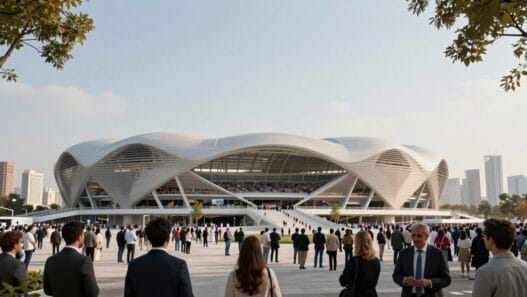
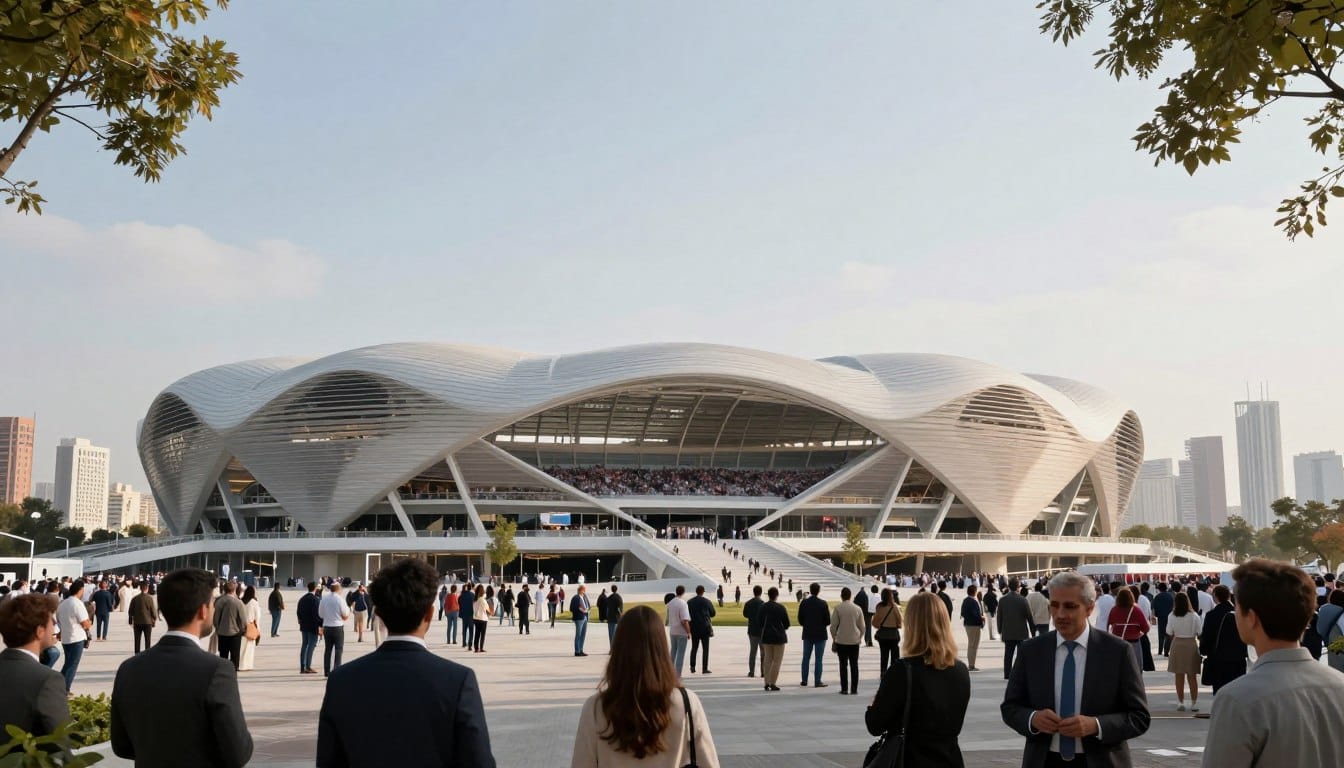
For the first time in history, a single sporting spectacle will be hosted across three nations. The upcoming cup 2026 will unfold in 16 major cities spanning Canada, Mexico, and the United States.
This unprecedented scale invites a deeper inquiry. What is the true legacy of the arenas built for such an event? This guide moves beyond mere description to question how these colossal structures reshape their urban homes.
The planning for the world cup 2026 represents a profound shift. It blends iconic existing venues with new demands for sustainability and global spectacle. Yet a critical tension emerges between creating a temporary show and forging permanent community assets.
This analysis examines the ethical weight of hosting across diverse economic landscapes. It explores the philosophical clash between commercial branding and public utility in modern sports infrastructure. The choices made now will resonate for generations in metropolitan regions across a continent.
Overview of the 2026 World Cup and Its Iconic Venues
An expanded tournament format demands a network of venues capable of hosting a global audience across three distinct nations. The upcoming FIFA World Cup returns to North America after a 32-year absence, featuring 48 teams in 16 host cities.
This scale utilizes a blend of historic landmarks and cutting-edge facilities. Each location offers a unique architectural narrative from concrete monuments of football history to climate-controlled arenas of the future.
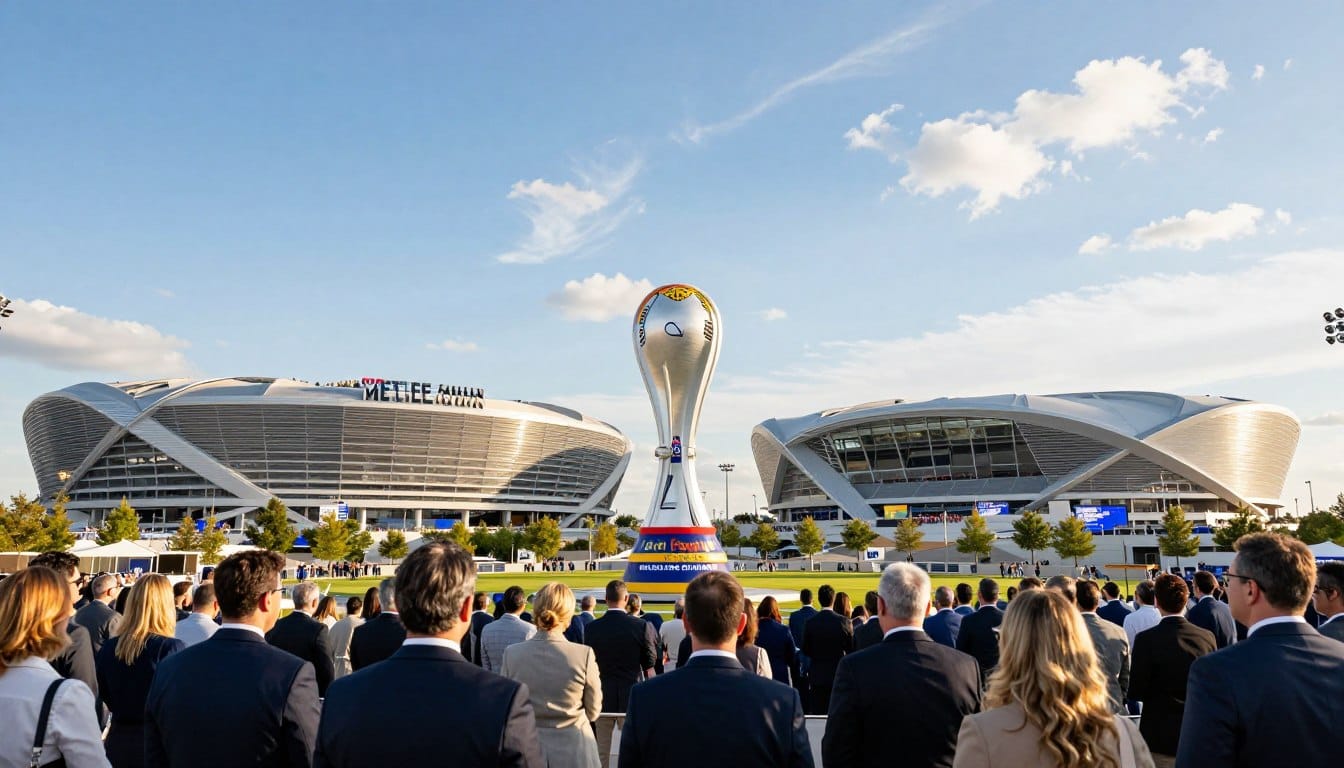
The selection process reveals a deep cultural symbolism. The design of these sites reflects the diverse heritage of the three participating countries.
Fans will navigate a varied experience across four time zones. This world cup 2026 edition presents a complex challenge: balancing the immediate spectacle with the long-term utility of each venue.
Analyzing the cup 2026 infrastructure provides a window into continental preparation. It shows how the United States and its neighbors are adapting their sports landscapes for an unprecedented influx of international visitors.
The Evolution of Stadium Architecture for a Global Event
Architectural philosophy for major sporting events now grapples with a dual mandate. It must host a fleeting global spectacle while forging a lasting civic legacy.
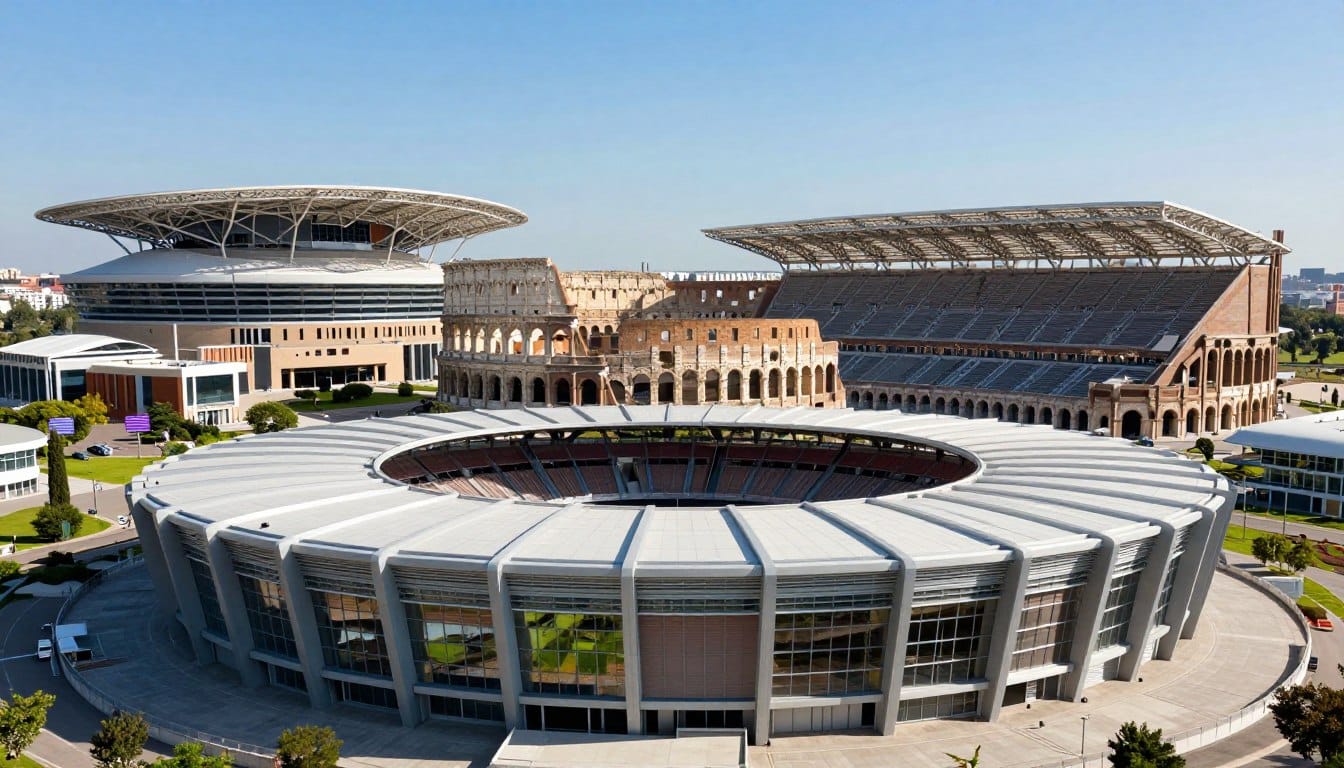
The history of these structures shows a clear path. It moves from simple open-air bowls to complex, multi-functional urban hubs.
Historical Legacy and Renovation Milestones
Older venues are being retrofitted to meet rigorous new standards. This process honors their past while preparing them for a future global stage.
In the United States, MetLife Stadium will host the world cup final. Its updates focus on internal modifications for superior sightlines and accessibility.
Innovative Design Trends Shaping the Future
Current design priorities extend far beyond sheer capacity. They integrate smart technology and sustainable materials to reduce environmental impact.
The focus for world cup 2026 is on quality fan experience and long-term utility. Architects now create flexible spaces that adapt to diverse community needs long after the final whistle.
This evolution reflects a deeper shift. It changes how we perceive the arena’s role within the modern city.
2026 world cup stadiums architecture: Design and Functionality
Contemporary arena construction for international events balances iconic form with essential, day-to-day function. This synthesis defines the approach for the upcoming global football tournament.
The planning phase moves beyond creating a temporary stage. It focuses on forging permanent, adaptable civic assets.
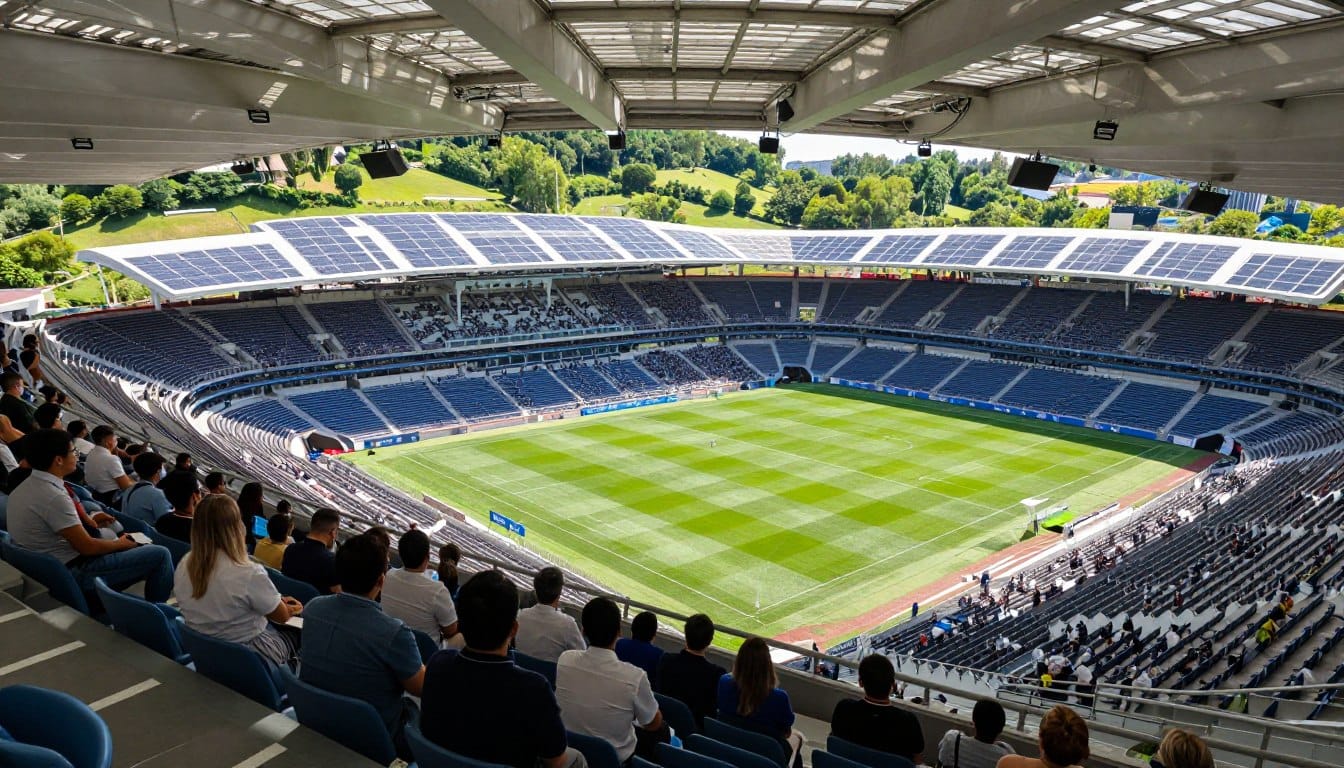
Key Design Features and Modern Materials
Engineers prioritize durability and spectator comfort. They employ high-performance steel and glass to craft memorable silhouettes against city skylines.
These materials must withstand intense use during the tournament. Advanced ventilation systems are integrated to manage diverse North American summer climates.
The result is a venue built for longevity. Its aesthetic appeal is matched by a resilient structural framework.
Technological Advancements in Venue Design
Digital infrastructure is now a core component of the fan experience. It allows for real-time interaction and enhances engagement with the match.
Architects use data-driven models to optimize human flow. This ensures safety and accessibility for every attendee within the facility.
In the United States, designs often include retractable elements. This flexibility supports year-round use, extending the building’s utility long after the cup 2026 concludes.
Social and Cultural Impacts on Host Cities
Beyond the roar of the crowd, the true legacy of a major sporting event is etched into the streets and neighborhoods of its host communities. This impact forms a complex negotiation between global branding and lasting local benefit.
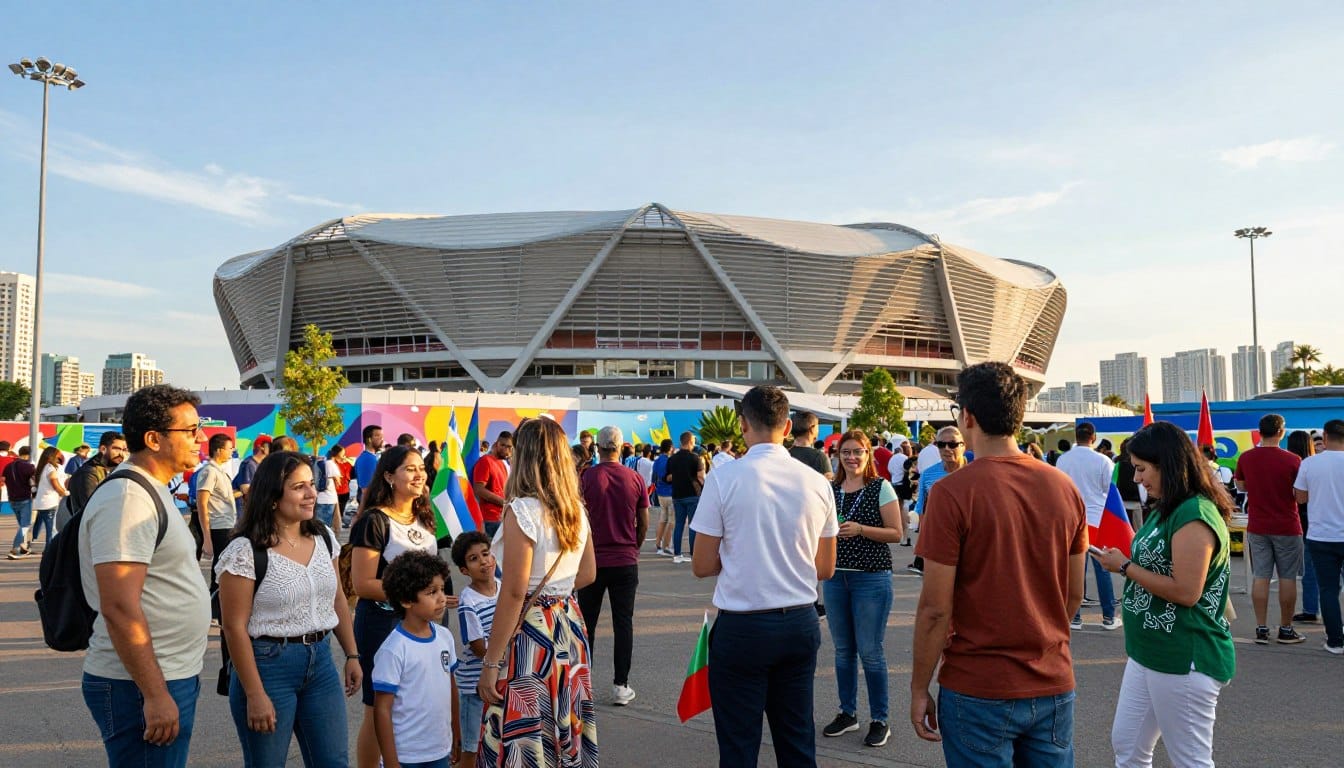
Urban Transformation and Community Engagement
Hosting a world-class competition acts as a powerful lever for urban investment. Cities are channeling funds into public transit and infrastructure. This upgrades accessibility for all residents and visitors long after the final match.
These projects often target neglected areas, serving as a catalyst for renewal. The sports infrastructure encourages broader development, transforming underutilized zones into vibrant public spaces.
Parallel community programs ensure the tournament’s legacy is positive and inclusive. Planners are tasked with fostering active local participation. This makes the football experience culturally representative for everyone involved.
The ultimate goal is to create a venue that becomes a hub for social interaction and civic pride. This effort highlights the unique identity of each participating city across the United States and other countries.
As we evaluate the world cup 2026, a critical question remains. How will these cup 2026 initiatives affect the daily lives of ordinary residents? The answer defines the event’s real social footprint.
Ethical Considerations in Modern Stadium Projects
Modern stadium projects are increasingly judged by their social conscience, not just their architectural grandeur. Ethical development demands transparent planning and fair labor practices from the very start.
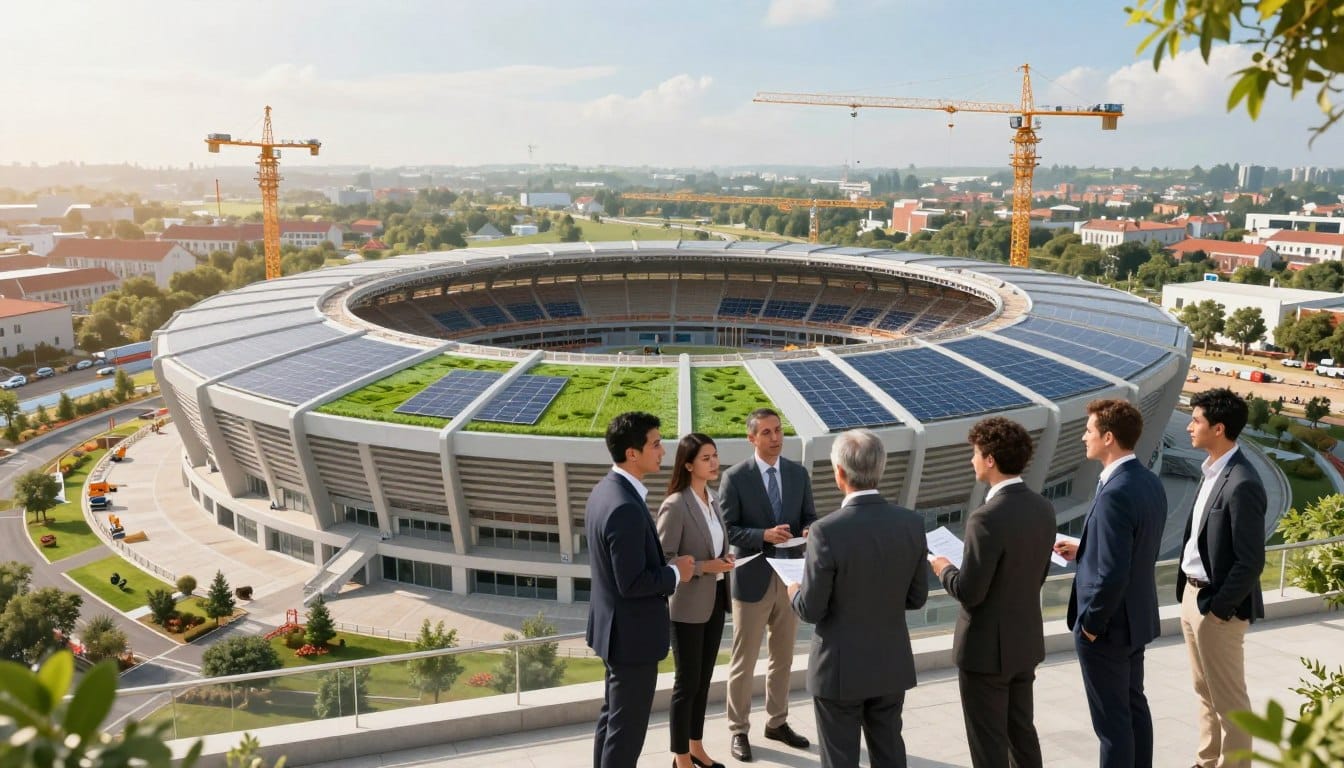
Planners face intense scrutiny over potential community displacement. A core ethical question involves the allocation of public funds to support essentially private ventures.
As a host, each city performs a delicate balancing act. It must weigh promised economic development against the preservation of local community interests.
The history of large-scale football events offers cautionary tales. A venue can become a symbol of exclusion rather than a welcoming space for all.
In the United States, debates around the world cup 2026 highlight concerns over long-term financial burdens. Who bears the cost for maintenance after the global spectacle ends?
Ethical planning requires a firm commitment to universal accessibility. The cup 2026 must prioritize the needs of local populations alongside the demands of an international tournament.
Analyzing these challenges clarifies the profound responsibility that comes with hosting a world cup. The true legacy is measured in civic trust and equitable access.
Sustainability and Environmental Innovations in Venue Architecture
The environmental footprint of a global sporting event is now a primary metric of its success. This shifts the focus from spectacle to long-term ecological stewardship.
For the upcoming world cup 2026, this principle is foundational. It transforms how host cities conceive and operate their facilities.
Green Building Practices and LEED Certifications
Leadership in Energy and Environmental Design (LEED) certification provides a rigorous benchmark. It evaluates a building’s performance across energy use, water efficiency, and material selection.
The Mercedes-Benz Stadium in Atlanta, a host venue, has achieved the highest LEED Platinum status. This sets a formidable standard for sustainable design in the United States and beyond.
Renewable Energy Integration and Resource Efficiency
Modern football facilities are integrating systems that drastically reduce their operational impact. The goal is to create a venue that operates with minimal waste and maximum efficiency.
Key innovations for the cup 2026 include:
- Extensive solar panel arrays to generate clean, on-site power.
- Advanced rainwater harvesting systems for irrigation and non-potable uses.
- High-efficiency HVAC and lighting to slash energy consumption.
This integrated approach reflects a broader commitment. It answers a growing demand from fans for responsible event planning on the world stage.
Safety, Accessibility, and Inclusivity in Stadium Planning
True architectural excellence for a global tournament is measured in centimeters of clear passageway and the absence of barriers. This principle shifts the focus from grandeur to fundamental human dignity within the sports venue.
Universal design is no longer an optional feature. It is the foundational ethic that ensures equitable experience for every attendee, including fans with disabilities.
Parallel to this is the non-negotiable mandate for safety. Managing dense crowds requires rigorously tested protocols and intelligent spatial planning.
Enhancing the Fan Experience through Design
Thoughtful design directly shapes the subjective quality of a visit. Clear wayfinding and inclusive seating arrangements reduce anxiety and foster a sense of belonging.
For a host city in the United States, this means creating an environment that feels intuitively welcoming to diverse international visitors. The goal is a seamless, enjoyable experience from entry to exit.
Ultimately, these considerations forge a venue that serves as a genuine community asset. Its value extends far beyond the final whistle of any football match.
Fan Experience: Navigating Facilities and Services
Navigating a major sporting event is less about the game and more about the seamless orchestration of space and service. What defines a positive memory for an attendee? It is often the ease of movement and the quality of support encountered.
Modern facilities are equipped with digital wayfinding systems and dedicated mobile applications. These tools help visitors locate seats, concessions, and exits with minimal confusion. Expanded hospitality areas cater to international guests, offering a premium tier of the tournament experience.
A well-conceived layout is fundamental. It minimizes crowd bottlenecks and maximizes comfort for every fan on match days. The quality of services from diverse food options to efficient transport links directly shapes this subjective journey.
As a host, a city must provide clear, accessible information. This guides visitors not only through the venue but into surrounding entertainment districts. The following table outlines key integration points between challenge and solution.
| Navigation Challenge | Integrated Solution | Primary Fan Benefit |
|---|---|---|
| Finding Seats & Amenities | Mobile App with Real-Time Maps | Reduced Anxiety, Time Saved |
| Accessing Transport & Exits | Digital Wayfinding Kiosks | Efficient Entry/Exit, Less Congestion |
| Ordering Food & Services | In-Seat Mobile Ordering | Personalized Experience, Minimal Wait |
| Understanding Local Offerings | City-Host Information Hubs | Enhanced Cultural Engagement |
In the United States, organizers for the world cup 2026 prioritize a smooth encounter for all football supporters. Integrating technology into the venue’s infrastructure allows for more personalized and efficient service.
Architects focus on intuitive design, ensuring the cup 2026 is accessible and enjoyable for everyone involved. The legacy of a world cup is thus also written in the quality of these daily navigations.
Comparative Analysis of North American and Mexican Venues
Examining the venues across the three host nations reveals a tapestry of design philosophies. This comparative analysis uncovers how national context and cultural priorities shape architectural expression for a global event.
US Venues vs. Mexico and Canadian Venues
Facilities in the United States often embody a forward-looking, technology-driven ethos. They are designed as multi-purpose entertainment hubs, prioritizing innovation and sheer scale for the world cup.
In stark contrast, Mexico City’s Estadio Azteca serves as a living monument to football history. Its atmosphere is deeply rooted in tradition, offering a visceral connection to the sport’s past that newer structures cannot replicate.
Canadian host cities approach design with a pragmatic response to local climate. Venues like the one in Vancouver incorporate retractable roof systems. This ensures year-round utility and fan comfort in variable weather conditions.
The world cup 2026 highlights this continental diversity. Key contrasts include:
- Historical Legacy vs. Modern Innovation: Estadio Azteca’s enduring presence versus the United States’ cutting-edge complexes.
- Climate Adaptation: Canada’s enclosed or flexible structures compared to more open-air designs in other host nations.
- Cultural Integration: Each venue subtly reflects local identity, from materials to spatial organization.
This cup 2026 planning demonstrates how geography and culture fundamentally influence the architecture of a world event. The resulting variety promises a richer, more nuanced experience for every football fan.
The Role of Technology in Enhancing Stadium Experiences
In an era defined by connectivity, the spectator journey is being redefined by a silent, pervasive network of technology. This digital layer is now a core architectural component, as vital as any structural beam.
This digital substrate forms the backbone of intelligent venue operations. It allows for the seamless orchestration of services that define a modern event.
Smart Infrastructure and Digital Integrations
High-speed, ubiquitous connectivity is no longer a luxury. It is a fundamental utility for the contemporary fan.
As a host, a city must ensure its facility can support thousands of simultaneous connections. This capacity enables real-time sharing and interaction, transforming a passive audience into an engaged community.
State-of-the-Art Video Boards and Connectivity
Massive, high-definition displays serve as an immersive canvas for the action. They provide crystal-clear replays and real-time data, keeping every attendee connected to the narrative of the match.
This integration of sight and information deepens the emotional resonance of the live football experience. For the upcoming global tournament, such technological foresight ensures the venue remains a cutting-edge facility for years.
Iconic Stadium Case Studies: From Azteca to SoFi
Two structures stand as powerful bookends in the narrative of football’s architectural evolution. They represent contrasting philosophies that will define the upcoming global tournament.
This analysis examines how history and innovation coexist within the same sporting spectacle.
Estadio Azteca: History and Transformation
Estadio Azteca in Mexico City holds a unique place in football history. It is the only venue to have hosted two World Cup finals, in 1970 and 1986.
Its current renovations honor this legacy while preparing for future events. The work focuses on enhancing safety and modernizing facilities for a new generation of fans.
SoFi Stadium: Futuristic Design and Features
SoFi Stadium in Los Angeles represents a radical departure. This $5 billion facility in the United States features a translucent roof and a massive ovular video board.
Its design prioritizes technological immersion and premium spectator experience. It serves as a template for future multi-purpose venues.
| Feature Category | Estadio Azteca | SoFi Stadium |
|---|---|---|
| Historical Significance | Living monument to football history | Blueprint for future venue design |
| Design Philosophy | Renovation preserving legacy | Ground-up technological innovation |
| Technological Integration | Modernized systems within historic shell | Fully integrated digital ecosystem |
| Primary Legacy | Cultural touchstone and hallowed ground | Entertainment hub and architectural icon |
As host sites, these venues demonstrate the range of experiences available during the world cup 2026. They show how architecture shapes memory on the world’s biggest football stage.
Cultural Heritage and Architectural Symbolism in World Cup Venues
The silent language of a building can tell a story deeper than any match played within its walls. For a global tournament, this narrative is woven from local materials, forms, and cultural memory.
Cultural heritage is deeply embedded in the world cup experience. Each host city’s venue serves as a powerful symbol of its unique identity.
The design often reflects local history and community values. This creates a more meaningful and resonant football experience for everyone.
The following table illustrates how different host regions integrate cultural symbolism into their venues.
| Host Region | Symbolic Design Element | Cultural Reference | Intended Impact |
|---|---|---|---|
| United States | Use of regional stone & glass facades | Celebrates diverse national landscape | Modern icon reflecting local pride |
| Mexico | Pre-Hispanic geometric patterns | Honors ancient Mesoamerican legacy | Deep historical connection for fans |
| Canada | Timber accents & natural light | Evokes vast forests & openness | Warm, inclusive community feel |
As a host, a city uses its venue to showcase cultural pride to a global audience. The world cup 2026 will highlight how this architectural symbolism unites people.
It fosters a shared love of the game across borders. The cup 2026 turns each site into a landmark for the world, not just a sports facility.
Host City Perspectives: Economic, Social, and Ethical Benefits
The calculus of hosting a world cup extends far beyond the temporary surge of visitors. Municipal leaders engage in a complex valuation of opportunity for their communities.
Economically, cities anticipate a significant influx of international tourists. This football event drives immediate revenue for local businesses. It also enhances global brand visibility, attracting future investment.
Social benefits are equally critical. The world cup 2026 often accelerates overdue public infrastructure projects. New transit links and community plazas emerge around the central venue.
These upgrades aim to serve local populations for decades. They transform underutilized areas into vibrant civic hubs.
Ethically, the cup 2026 planning requires balancing spectacle with substance. In the United States, extensive consultation ensures projects address broad community needs. The true measure is a legacy of equitable access and shared civic pride.
The Future of Stadium Architecture Beyond 2026
The true test of a stadium’s design unfolds in the decades following the fleeting glory of a world championship. Its value transitions from a stage for global spectacle to a permanent civic asset.
Emerging Trends and Post-World Cup Opportunities
Innovation will increasingly prioritize modular construction. This allows facilities to be resized or reconfigured for diverse community needs after the tournament ends.
Carbon neutrality is set to become the primary driver. The next generation of venues must operate with net-zero environmental impact.
Integration into the urban fabric is essential. Future designs will serve multiple functions, from concert halls to emergency shelters.
As a host, a city’s planning must extend far beyond the final match. The legacy of the 2026 event in the United States will be judged by long-term viability.
These facilities become testing grounds for new concepts. Lessons learned will shape how we build for global sporting events for years to come.
Planning Your Ultimate 2026 World Cup Experience
Beyond the pitch, the true narrative of a World Cup unfolds in the interstices of travel plans, hotel bookings, and serendipitous urban exploration. This logistical layer is where personal memory is forged. For the attendee, foresight is the key to transforming potential chaos into a seamless odyssey.
Travel, Accommodation, and Local Exploration Tips
Given the immense demand, securing flights and lodging many months prior is non-negotiable. Each host city presents a distinct cultural tableau waiting to be discovered. Fans are encouraged to venture beyond the stadium perimeter.
The culinary landscape and major attractions offer deep insights into local identity. In the United States, organizers provide digital resources to navigate metropolitan areas efficiently.
Consider these strategic approaches to enrich your visit:
- Coordinate match-day logistics with time for immersive neighborhood walks.
- Research each location’s unique heritage sites and dining scenes.
- Utilize official planning tools released for the 2026 event.
Such preparation ensures the tournament resonates as a holistic cultural encounter. It elevates the experience from a series of matches to a curated journey across continents.
Conclusion
Architecture’s most profound impact is often felt long after the crowds have departed. The upcoming global tournament represents a pivotal moment in how we build for sport.
This analysis has traced a shift from pure spectacle to civic legacy. It blends historical reverence with technological ambition across North America.
The ethical weight of hosting such an event cannot be overstated. It demands a balance between global prestige and local community benefit.
These lessons will undoubtedly inform future projects in the United States and beyond. The football world cup serves as a unique lens examining the intersection of culture, commerce, and concrete.
Dök Mimarlık sitesinden daha fazla şey keşfedin
Subscribe to get the latest posts sent to your email.