
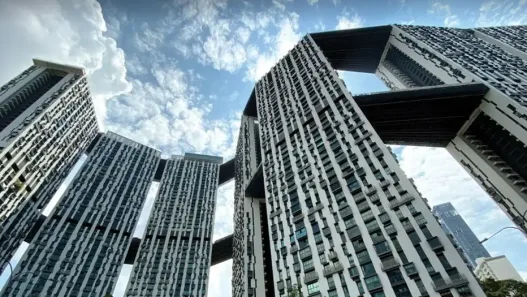
The Pinnacle at Duxton is a remarkable residential project located in Singapore, recognised not only for its stunning architecture but also for its innovative approach to urban living. As one of the tallest public housing projects in the world, it stands as a beacon of modern design and sustainable living.
- Location: The Pinnacle at Duxton is located in the heart of Singapore’s Chinatown and offers spectacular views of the city skyline.
- Architectural Design: Designed by architect Ken Yeang, the project features a unique combination of residential and common space that emphasises vertical living.
- Height: Consisting of seven 50-storey residential towers, the complex is one of the tallest public housing projects in Singapore.
- Year of Completion: Pinnacle was completed in 2009 and has since become an iconic landmark in Singapore’s urban landscape.
- Sky Bridge: A notable feature is the sky bridge on the 26th floor, which connects the seven towers and offers panoramic views of the city.
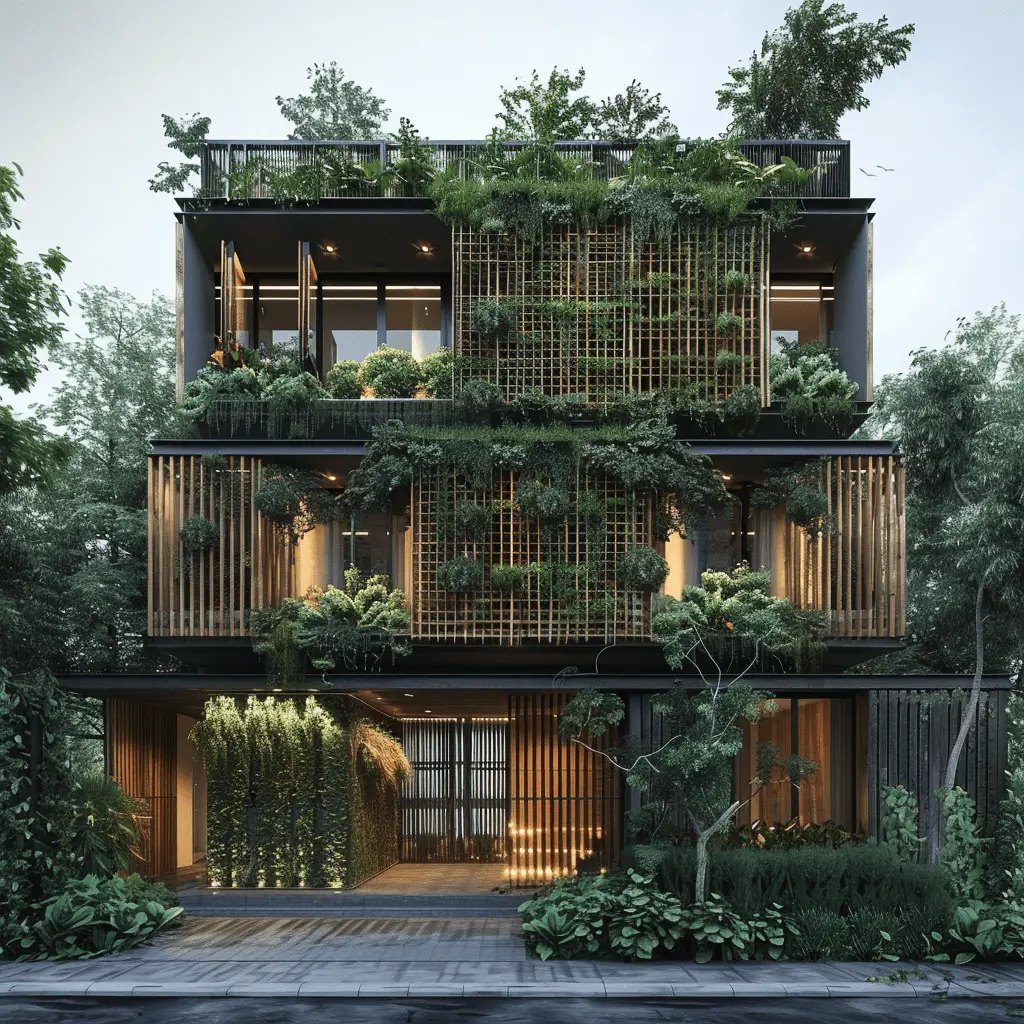
- Sustainability: The design incorporates sustainable elements, including green roofs and vertical gardens that promote biodiversity and environmental harmony.
- Community Spaces: The site includes a variety of communal facilities such as running tracks, gardens and recreation areas, fostering a sense of community among residents.
- Public Housing Innovation: Pinnacle at Duxton is a prime example of Singapore’s innovative public housing policy and aims to provide high quality living spaces for its citizens.
- Accessibility: The complex is well connected to public transport, making it easily accessible and improving urban mobility for residents.
- Awards and Recognition: The site has received numerous awards for its architectural design and sustainability efforts, cementing its status as a model for future urban housing projects.

Project Overview
Pinnacle at Duxton comprises seven interconnected residential towers, each rising to a storey height and becoming an iconic part of Singapore’s cityscape. Completed in 2009, this project offers a mix of public housing with amenities that encourage community interaction. The project’s unique feature is the sky bridges that connect the towers on the 26th and 50th floors, offering residents breathtaking views of the city and fostering a sense of togetherness among the community. Pinnacle is home to more than 1,000 units that combine comfort with functionality, making it an exemplary model of modern living.
Historical Context
To understand The Pinnacle at Duxton, it is crucial to consider Singapore’s housing environment. In the 1960s, Singapore faced a severe housing shortage due to rapid urbanisation and population growth. The government responded with the establishment of the Housing and Development Board (HDB), which aimed to provide affordable housing. Pinnacle represents the culmination of decades of evolution in public housing policies, demonstrating a shift towards high-density living while maintaining quality of life. Its development took place at a time when Singapore was transforming into a global city and the need for innovative urban solutions was emphasised.
Importance in Urban Development
The Pinnacle at Duxton is significant not only for its height, but also for its role in redefining urban living in a densely populated city. It exemplifies how high-rise living can be both sustainable and community-orientated. The project sets a model for future urban developments by integrating green spaces, recreational areas and communal facilities. Its design encourages social interaction between residents, which is crucial in a rapidly urbanising environment. Pinnacle has become an urban planning case study that demonstrates how intelligent design can improve quality of life while addressing spatial constraints.
Design Philosophy
The design philosophy behind The Pinnacle at Duxton is based on the principles of modernism, sustainability and community. The architects aimed to create not only a living space, but also a vibrant community centre. The use of sky gardens and open spaces allows residents to connect with nature and each other, fostering a sense of belonging. The towers’ sleek lines and contemporary materials reflect Singapore’s identity as a forward-thinking metropolis. The design also incorporates environmentally friendly features such as rainwater harvesting and energy-efficient systems in line with global sustainability goals.
Awards and Recognition
The Pinnacle at Duxton has received numerous awards and accolades highlighting its architectural excellence and innovative approach to urban living. It received the prestigious Urban Land Institute (ULI) Global Excellence Award in 2010 for its impact on urban development. The project was also recognised for its contribution to sustainable architecture and community life. These recognitions have not only raised the profile of The Pinnacle, but have also inspired similar projects around the world by demonstrating the importance of integrating social, environmental and aesthetic considerations into urban planning.
In summary, The Pinnacle at Duxton is much more than a residential project; it is a landmark that epitomises Singapore’s aspirations for modern living, sustainability and community engagement. Its success sets an example for future urban developments worldwide, demonstrating that innovative design can harmonise individual needs with community values.
Architectural Design and Features
Architectural design is not just about creating buildings; it is about creating spaces that resonate with human experiences and environmental contexts. This field combines art and science, focussing on aesthetics while ensuring functionality, safety and sustainability. As we explore various aspects of architectural design, we will uncover how innovative concepts and thoughtful features shape our built environment.
General Design Concept
The overall design concept serves as the backbone of any architectural project. It begins with a vision – an idea that reflects the purpose and character of the space. This vision intertwines with the cultural, historical and social context to create structures that are not only visually appealing but also meaningful. For example, a community centre may use local materials and traditional building techniques to honour its heritage, while a technology centre may embrace modern aesthetics to reflect innovation.
When developing a design concept, architects often consider the function of the building and the experiences they want to evoke. This may mean creating open, inviting spaces that encourage interaction or designing intimate corners for solitude. The concept informs every decision, from layout to colour and material selection, and ensures a consistent narrative throughout the building.
Innovative Use of Space
Innovative use of space is crucial in modern architecture, especially in urban environments where land is limited. Architects are increasingly challenged to maximise functionality while minimising footprint. One approach is the integration of multifunctional spaces where rooms serve a variety of purposes. For example, a living room that doubles as a workspace or a dining area that turns into a gathering space for events.
Another exciting trend is vertical design, where buildings extend upwards rather than outwards. Skyscrapers and high-rise apartment buildings take advantage of vertical space to offer stunning views and maximise land use. In addition, open floor plans are gaining popularity, allowing for fluid movement and adaptability within a space. This flexibility not only enhances the user experience, but also supports changing lifestyles.
Materials and Sustainability
The choice of materials in architecture is of great importance not only in terms of aesthetics but also in terms of sustainability. Architects are increasingly favouring eco-friendly materials that reduce environmental impact. These materials include recycled steel, bamboo and reclaimed wood, which are not only sustainable but also add unique textures and character to a space.
Sustainability goes beyond materials; it encompasses energy efficiency and a building’s overall environmental footprint. Many architects are incorporating renewable energy sources such as solar panels and wind turbines into their designs. This commitment to sustainability can significantly reduce operating costs and contribute to a healthier planet.
In addition, innovative technologies such as green roofs and insulated glass help buildings maintain comfortable temperatures and improve air quality. By prioritising sustainability, architects not only design buildings but also encourage a healthier relationship between people and the environment.
Roof Gardens and Sky Bridges
Roof gardens and sky bridges are fascinating architectural features that enrich urban living. Rooftop gardens transform underutilised rooftop spaces into vibrant green spaces, providing urban dwellers with a respite from the crowded city below. These gardens not only enhance the skyline, but also contribute to biodiversity, improve air quality and reduce energy costs by providing insulation.
Sky bridges connect buildings and create a sense of community in urban environments. They facilitate movement between buildings and offer stunning views and a unique perspective of the cityscape. The High Line in New York City is an excellent example of a former elevated railway turned public park that showcases innovative landscaping and architecture and invites people to experience the city from above.
Both of these features exemplify how modern architecture can integrate nature and encourage social interaction, ultimately improving the quality of urban life.
Integration with the Environment
Effective architectural design integrates seamlessly with its surroundings. This means taking into account not only the physical landscape, but also the cultural and social context. Buildings should complement their surroundings rather than dominate them. For example, a rural house may use local stone and traditional building techniques to harmonise with the natural landscape, while an urban building may incorporate elements that reflect the history and culture of the city.
The integration process often involves careful site planning where architects assess factors such as sunlight, wind patterns and topography. This analysis helps to position the building to take advantage of natural light and views, while minimising environmental degradation. Furthermore, sustainable design practices such as the preservation of existing trees and vegetation further enhance this integration.
By respecting and responding to their surroundings, architects create spaces that are not only functional but also resonate with a sense of place and enrich the lives of those who live in them. Through thoughtful design, architecture becomes an extension of the environment rather than an intervention, fostering a sense of belonging and community.
Life at The Pinnacle at Duxton
Pinnacle at Duxton stands as a striking example of modern urban living in the heart of Singapore. This architectural marvel redefines the concept of high-rise living by blending innovative design with community-orientated amenities. As one of the largest public housing projects in Singapore, it offers a unique perspective on how vertical living can foster a vibrant community. Exploring life at The Pinnacle at Duxton reveals the intricacies of the residential units, community amenities, accessibility, lifestyle and the challenges that come with such a diverse lifestyle.
Residential Units Overview
The residences at The Pinnacle at Duxton are designed to appeal to a diverse population, including families, young professionals and retirees. Each unit features a modern aesthetic paired with practical layouts that maximise both space and comfort. The apartments range from two to five bedrooms, suitable for a variety of household sizes.
Natural light floods into the apartments through large windows, creating a warm and inviting atmosphere. The interiors are fitted with contemporary fixtures and finishes, reflecting a commitment to quality living. Residents often enjoy breathtaking views of the cityscape, adding to the allure of high-rise living. Careful consideration of both form and function ensures that every resident feels at home, while the design encourages a sense of community among neighbours.
Community Facilities
The community amenities at The Pinnacle at Duxton are designed to enhance the living experience and encourage interaction between residents. One of the highlights are the sky gardens, which provide lush green spaces high above the ground. These gardens serve as communal areas where residents can relax, exercise or socialise. Beautifully landscaped, these gardens offer a tranquil escape from the busy city below.
In addition to the sky gardens, there are various recreational facilities including swimming pools, fitness centres and playgrounds for children. These facilities are not just for recreation; they promote a healthy lifestyle and active participation of residents. The integration of such facilities into the residential complex reflects a holistic approach to community living that prioritises health and well-being.
Accessibility and Transport
Accessibility is a defining feature of The Pinnacle at Duxton. Located in a strategic urban area, residents enjoy excellent connectivity to various parts of Singapore. Nearby MRT stations and bus stops make commuting easy and efficient. This proximity to public transport encourages a car-free lifestyle, which is in line with Singapore’s sustainable urban development goals.
Furthermore, The Pinnacle’s design incorporates pedestrian pathways that seamlessly connect to the surrounding neighbourhoods. This thoughtful planning encourages walking and cycling, allowing residents to easily explore Singapore’s bustling streets. The emphasis on accessibility not only increases convenience, but also contributes to a more environmentally friendly way of life.
Lifestyle and Community Involvement
Living at The Pinnacle at Duxton is not just about occupying a space; it is about being part of a thriving community. The design encourages social interactions between residents through communal spaces and community events. Regular events such as film nights, fitness classes and cultural celebrations encourage a strong sense of belonging.
The diverse demographics of the residents contribute to this vibrant community spirit. People from different backgrounds come together to share their experiences and traditions. This cultural exchange enriches the living environment, making it a dynamic place to call home. Pinnacle transforms just living into an enriching lifestyle experience by promoting inclusivity and engagement.
Challenges of Vertical Living
While The Pinnacle at Duxton offers many advantages, vertical living brings its own challenges. One major issue is the potential for isolation. Despite many shared spaces, occupants may feel disconnected from their neighbours, especially in a high-rise environment where interactions may be limited.
Another challenge is managing noise and privacy in densely populated buildings. With multiple families living in close proximity, sound can easily spread and cause disturbances. Maintaining an open and airy feel while ensuring that each unit is soundproofed is a delicate balance that architects must strike.
Finally, emergency preparedness is a critical aspect of vertical living. High-rise buildings require special safety protocols to ensure the safety of residents during emergencies such as fire or natural disaster. Addressing these challenges through thoughtful design and community planning is crucial to creating a sustainable and enjoyable living environment.
In summary, life at The Pinnacle at Duxton offers a unique blend of modernity, community and urban convenience. As residents navigate both the advantages and challenges of high-rise living, they contribute to a vibrant, interconnected community that truly embodies the spirit of urban living in Singapore.
Architectural Innovations
Architectural innovation is at the forefront of modern design, pushing the boundaries of what is possible in the built environment. These innovations reflect a mix of creativity, technology and sustainability, reshaping the way we think about and interact with our environment. In exploring this topic, we will explore various aspects of architectural innovation, including overcoming engineering challenges, the integration of technology into construction, the rise of modular design, energy efficiency solutions and future trends in vertical architecture.
Overcoming Engineering Challenges
Engineering challenges in architecture are often daunting and require innovative solutions that blend creativity with technical know-how. From the complexities of designing skyscrapers that can withstand high winds to creating earthquake-resistant structures, architects and engineers have had to think outside the box.
A notable example is the Burj Khalifa in Dubai. Standing metres high, this engineering marvel faced numerous challenges, including the need for a solid foundation to support its enormous weight. Engineers enabled the structure to reach unprecedented heights using advanced methods such as deep pile foundations and a unique buttressed core design that effectively distributes weight.
In addition, sustainable practices enabled challenges related to materials and environmental impact to be overcome. Innovations in materials science, such as the development of lightweight composites, have enabled architects to create structures that are not only aesthetically pleasing but also structurally sound. These developments reflect a growing understanding of how to harmonise human needs with the natural environment.
Use of Technology in Construction
The integration of technology into the construction industry is revolutionising the architectural field, increasing efficiency and safety. One of the most important developments is the use of Building Information Modelling (BIM). BIM allows architects and engineers to create detailed digital representations of buildings, facilitating collaboration between various stakeholders. This technology helps visualise the project before construction begins, identifying potential problems early on and reducing costly mistakes.
Drones are another technological innovation transforming construction practices. They enable aerial inspection of construction sites, enabling real-time data collection and monitoring. Not only does this feature improve safety by reducing the need for workers to traverse hazardous areas, it also improves project management by providing accurate progress reports.
Furthermore, 3D printing is making waves in the construction industry. The technology allows for rapid prototyping of building components, leading to shorter construction times and reduced waste. An example of this is the construction of a 3D printed house in Austin, Texas, which demonstrates how this method can create affordable housing solutions in a fraction of the time required by traditional methods.
Modular Design Elements
Modular design is emerging as a flexible and efficient architectural approach that emphasises prefabrication. This method involves the off-site construction of building sections or modules, which are then transported and assembled on-site. The benefits of this approach are numerous, including reduced construction time, minimised waste and improved quality control as the modules can be built in a controlled environment.
A striking example of modular design can be seen in the construction of hotels and residential buildings. Companies such as Katerra are pioneering this approach, producing entire hotel rooms in factories and then shipping them to site for assembly. This not only speeds up the construction process, but also allows for greater customisation, as customers can choose specific designs and finishes.
Modular design also facilitates adaptability and scalability. As needs change, buildings can be expanded or reconfigured relatively easily. This flexibility is particularly valuable in urban environments where space is limited and housing demand is constantly increasing.
Energy Efficiency Solutions
As the world grapples with climate change, energy efficiency in architecture has become a critical focus. Architects are increasingly designing buildings that minimise energy consumption while maximising comfort. Key strategies include the use of passive solar design, which reduces reliance on artificial heating and cooling systems by maximising natural light and heat.
One inspiring example is the Bullitt Centre in Seattle, known as the world’s greenest commercial building. It has large windows that allow for natural lighting, as well as a roof garden that provides insulation and reduces rainwater runoff. The building is designed to be net zero energy, meaning that it produces as much energy as it consumes, thanks to solar panels and efficient energy systems.
In addition, advances in smart technology have enabled buildings to become more responsive to their energy needs. Smart thermostats, automated lighting systems and energy monitoring tools help to reduce waste and improve the overall efficiency of buildings. As technology continues to evolve, energy efficiency solutions will undoubtedly play a crucial role in sustainable architecture.
Future Trends in Vertical Architecture
The future of architecture is becoming increasingly vertical, driven by urbanisation and the need for sustainable living spaces. As cities become more crowded, architects are exploring innovative vertical designs that incorporate green spaces, mixed-use developments and community facilities into tall buildings.
Popularised by projects such as Bosco Verticale in Milan, the concept of vertical forests is an exciting trend. These residential towers are planted with trees and plants, creating a self-sustaining ecosystem that improves air quality and provides residents with a unique connection to nature. This approach not only fulfils housing needs, but also improves urban biodiversity.
Another emerging trend is the integration of renewable energy sources into vertical designs. Buildings are being equipped with solar panels, wind turbines and even hydroponic gardens, allowing them to produce their own energy and food. This holistic approach to architecture not only meets the needs of a growing population, but also contributes to a more sustainable future.
Looking ahead, innovations in vertical architecture promise to redefine urban living, creating spaces that are not only functional but also enriching for the environment and the communities they serve. The journey of architectural innovation is just beginning and the possibilities are as limitless as our imagination.
Pinnacle’s Impact on Singapore’s Skyline
Pinnacle at Duxton stands as a remarkable achievement in architectural design and urban living, redefining Singapore’s skyline. Completed in 2009, this residential project features a series of linked towers rising above the city, not only transforming the visual landscape but also reshaping the way residents interact with their surroundings. Its innovative design and sustainable features have made it an important reference point in discussions about urban living in contemporary cities.
Visual Impact on the Cityscape
Pinnacle’s striking silhouette is a testament to the capacity of modern architecture to blend functionality with aesthetic appeal. Rising floor by floor, Pinnacle is one of the tallest public housing projects in the world. The sleekly contoured design features a distinctive arrangement of sky gardens and terraces that provide a unique interaction between the buildings and the sky. This vertical landscape creates an illusion of sprawling greenery amidst the urban fabric, which is particularly striking against the backdrop of Singapore’s dense cityscape.
When residents and visitors look at The Pinnacle, they see a bold statement about Singapore’s commitment to innovative housing solutions. The combination of height and greenery not only elevates the skyline, but also inspires a sense of community and connection among residents. Panoramic views from the sky bridges connecting the towers emphasise the beauty of Singapore and integrate nature with urban living in a way that captivates the imagination.
Comparison with Other Landmarks
Compared to other major developments in Singapore, The Pinnacle stands out for its unique approach to high-density living. While Marina Bay Sands and Esplanade have distinctive forms and luxurious amenities, The Pinnacle emphasises sustainability and community living. It contrasts sharply with the iconic Merlion or the futuristic Gardens by the Bay, which focus more on tourism and spectacle.
Pinnacle serves as a model for the integration of residential and public spaces and demonstrates how high-rise developments can maintain a human scale. It promotes a lifestyle that encourages interaction between residents, something that is sometimes lost in more commercial or tourist-centred architecture. The focus on community in a high-rise building distinguishes it from other important buildings in the city and indicates a shift towards more inclusive urban planning.
Impact on Future Developments
The success of The Pinnacle had a profound impact on subsequent architectural projects in Singapore. It demonstrated that high-density living can be both functionally and aesthetically pleasing and encouraged developers to adopt similar designs. The integration of green spaces, common areas and sustainable practices has become a benchmark for future developments.
Projects such as SkyVille@Dawson and other public housing initiatives have been inspired by the design principles of The Pinnacle. These new developments often incorporate sky gardens, open communal spaces and environmentally friendly technologies, reflecting the growing recognition of the importance of livability in urban environments. As cities around the world grapple with the challenges of urbanisation, The Pinnacle is a blueprint for creating vibrant and sustainable communities.
Public Perception and Reception
Public perception of The Pinnacle has been largely positive, with many praising its innovative design and the lifestyle it promotes. Residents have expressed appreciation for the communal areas that encourage social interaction and foster a sense of belonging. The sky gardens and observation decks have become popular spots not only for residents but also for visitors, reinforcing its status as a local landmark.
However, like any ambitious project, it has been subject to some criticism. Concerns have been raised about maintenance, accessibility and the experience of living in such an elevated environment. Overall, though, The Pinnacle has managed to capture the imagination of locals and tourists alike, and has enhanced Singapore’s reputation as a city that prioritises community and sustainability while embracing modernity.
Cultural Significance in Contemporary Singapore
Culturally, The Pinnacle at Duxton symbolises more than architectural innovation; it represents Singapore’s ongoing journey towards a more sustainable and inclusive society. As a public housing project, it reflects the government’s commitment to providing quality living spaces for its citizens and is aligned with the country’s shared sense of wellbeing.
Pinnacle has also become a cultural icon, frequently featured in the media and local art, representing Singaporeans’ aspirations for a better quality of life. It reflects the country’s understanding of blending tradition with modernity and demonstrates how contemporary architecture can honour the spirit of a rapidly evolving society. As such, The Pinnacle is not only a physical structure, but also a cultural touchstone that embodies the aspirations and identity of modern Singapore.
Conclusion and Future Perspectives
Summary of Highlights
As we conclude our research on vertical neighbourhoods, it is important to reflect on the key points discussed throughout this journey. Vertical neighbourhoods represent a transformative approach to urban living by integrating residential, commercial and communal spaces into tall buildings. This concept not only maximises land use, but also promotes a sense of community in densely populated urban areas. We examined architectural innovations that make these spaces functional and attractive, such as green building practices, mixed-use designs, and the incorporation of technology to enhance livability. The benefits of vertical neighbourhoods go beyond mere convenience; they also promote sustainability and resilience in the face of urban challenges.
Lessons learnt from The Pinnacle
Pinnacle is a striking example of what can be achieved when innovative architecture meets the needs of urban communities. This project emphasised the importance of design that prioritises the human experience and blends aesthetics with functionality. One of the lessons learnt is the need for adaptability; buildings must be able to adapt to changing social needs and environmental conditions. Furthermore, The Pinnacle demonstrated the importance of community participation in the planning process, ensuring that residents’ voices were heard and integrated into the final design. This approach not only increases satisfaction, but also creates a stronger sense of ownership among residents.
The Future of Vertical Neighbourhoods
Looking ahead, the future of vertical neighbourhoods looks bright as increasing urbanisation drives demand for efficient and sustainable living spaces. As cities continue to grow, architects and urban planners are likely to explore more innovative designs incorporating green technologies such as vertical gardens and solar panels that reduce the ecological footprint of high-rise living. Moreover, the integration of smart technologies will play a crucial role by enabling better resource management and improving the quality of life of residents. Vertical neighbourhoods can pave the way for healthier urban lifestyles by transforming into living ecosystems where social interaction, nature and technology coexist harmoniously.
The Role of Architects in Urban Planning
Architects play a crucial role in shaping the urban landscape, especially as we move towards more vertical living solutions. Their expertise in design and functionality allows them to design spaces that are not only aesthetically pleasing, but also practical and sustainable. In the context of vertical neighbourhoods, architects must consider various factors such as environmental impact, community needs and technological developments. Collaboration with urban planners, local authorities and residents is vital to create spaces that truly reflect the aspirations of the community. As cities evolve, architects will be at the forefront of designing innovative solutions that address both current challenges and future possibilities.
Final Thoughts on Urban Living
In conclusion, urban life is undergoing a significant transformation, driven by the concept of vertical neighbourhoods. This evolution presents both challenges and opportunities as we seek to create spaces that foster community, sustainability and well-being. Lessons learnt from projects like The Pinnacle remind us of the importance of thoughtful design and community engagement. Looking to the future, it will be crucial to adopt innovative architectural practices and prioritise the needs of residents. Ultimately, the aim is to create urban environments that not only meet the demands of modern life but also enrich the human experience, fostering connection, creativity and a sense of belonging in our ever-changing cities.
FAQ
1. What is The Pinnacle at Duxton?
The Pinnacle at Duxton is a public housing project in Singapore consisting of seven 50-storey towers designed to create a vertical neighbourhood.
2. Who designed The Pinnacle at Duxton?
The project was designed by architect Ken Yeang, known for his focus on sustainable architecture and urban planning.
3. When was The Pinnacle in Duxton completed?
The Pinnacle was completed in 2009 and quickly became an iconic feature of Singapore’s skyline.
4. What is the height of The Pinnacle in Duxton?
Each of the seven towers reaches a height of 50 storeys, making it one of the tallest public housing projects in Singapore.
5. What unique features does The Pinnacle offer?
A highlight is the sky bridge on the 26th floor, which connects all towers and offers panoramic views of the city.
6. How does The Pinnacle promote sustainability?
The design incorporates green roofs, vertical gardens and other sustainable elements aimed at promoting environmental harmony and biodiversity.
7. What amenities are available for residents?
The Pinnacle includes a variety of communal areas such as running tracks, gardens and recreational areas designed to encourage community interaction.
8. How does The Pinnacle connect to public transport?
The project is strategically located near public transport options, improving accessibility for residents and visitors.
9. Is The Pinnacle at Duxton a public housing project?
Yes, it is a public housing project that exemplifies Singapore’s innovative approach to providing high quality living spaces for its citizens.
10. Has The Pinnacle received any awards?
Yes, The Pinnacle at Duxton has received several awards for its architectural design and sustainable practices, emphasising its importance in the field of urban housing.
My Thoughts on The Pinnacle at Duxton
A striking example of Singapore’s modern architecture, The Pinnacle at Duxton shows how functional and aesthetic high-rise living can be. Designed by Ken Yeang, it is not just a residential complex, but a project that redefines the city’s living spaces. Consisting of seven 50-storey towers, it makes a significant contribution to Singapore’s iconic skyline.
One of the most striking features of The Pinnacle is the skybridge on the 26th floor, which connects all towers and offers spectacular city views to visitors and residents. In addition, the green roofs and vertical gardens within the building create an environmentally sensitive living space, prioritising sustainability.
It can be said that this building offers a solution designed to overcome the challenges of high-rise living, with social spaces and amenities that encourage community living. The Pinnacle at Duxton is not only a residential project, but also a living space and community centre.
What do you think about The Pinnacle at Duxton? How does this building reflect the possibilities and challenges of high-rise living? What impact do you think its design and functionality have on modern city life? Don’t forget to share your opinions with us. If you want to learn about other interesting architectural structures, you can take a look at our reviews.
Architect: Ken Yeang
Architectural Style: Modern Architecture
Year: 2009
Location: Singapore
Discover more from Dök Architecture
Subscribe to get the latest posts sent to your email.