






In a world grappling with environmental challenges and rapid urbanization, the concept of eco-cities is emerging as a beacon of hope. These innovative urban spaces aim to harmonize human activities with the natural environment and create sustainable living spaces for future generations. As cities continue to grow, the need for thoughtful, eco-friendly design is becoming increasingly urgent. Eco-cities represent a transformative approach to urban living, blending technology, ecology and society to promote a better quality of life.

Definition of Eco-Cities
Eco-cities can be defined as urban environments designed on the basis of sustainability. They prioritize green infrastructure, renewable energy sources and efficient resource management. The goal is to minimize the ecological footprint while maximizing the well-being of residents. In essence, an eco-city is a place where urban development meets ecological principles and allows cities to develop without depleting the planet’s resources.
Historical Context and Evolution
The idea of eco-cities is not entirely new; it has its roots in early urban planning movements that aimed to create healthier living conditions. The Garden City movement of the late 19th century, for example, encouraged the integration of green spaces into urban environments. Over the decades, as awareness of environmental issues grew, the concept evolved significantly. In the late 20th century, the rise of sustainability as a global priority catalyzed the modern eco-city movement, leading to innovative projects around the world, from eco-regions in Portland to the ambitious Masdar City in the United Arab Emirates.
The Importance of Sustainable Urban Design
Sustainable urban design is very important for several reasons. First, cities are major contributors to greenhouse gas emissions and consume a significant portion of the world’s energy and resources. By adopting environmentally friendly practices, cities can greatly reduce their environmental impact. Sustainable design also improves the quality of life of urban residents by promoting healthier living conditions, reducing pollution and creating vibrant communities. As urban populations continue to grow, the importance of designing resilient, adaptable and sustainable cities cannot be overstated.
Basic Principles of Eco-City Development
Developing an eco-city revolves around several key principles. One of the key principles is the integration of nature into urban areas, promoting biodiversity and providing residents with access to green spaces. Efficient public transport systems are key elements that reduce reliance on cars and minimize traffic congestion. Energy efficiency is another key principle, emphasizing the use of renewable energy sources such as solar and wind energy. Eco-cities also advocate sustainable water management practices, ensuring that water is used wisely and protected for future generations. Together, these principles form the path to a sustainable and resilient urban future.
Overview of Current Trends
Today, several trends are shaping the future of eco-cities. Smart city technology is at the forefront, leveraging data and connectivity to optimize urban living. Innovations such as smart grids, intelligent transportation systems and IoT devices are improving efficiency and sustainability. Urban agriculture is gaining traction, allowing cities to produce food locally and reduce their carbon footprint. Furthermore, community engagement has become a vital aspect of eco-city development, giving residents a voice in the planning process and fostering a sense of belonging. These trends reflect a growing recognition that sustainable urban living is not only a necessity, but also an exciting opportunity for innovation and community building.
As a result, eco-cities represent a forward-thinking approach to urban development, addressing sustainability challenges while improving the quality of life for residents. By embracing these principles and trends, we can create urban environments that are not only livable but also sustainable, and pave the way for a brighter, greener future.
# Futuristic Eco-Cities: Plans for Sustainable Urban Living
Architectural Features of Eco-Cities
As the world grapples with climate change and rapid urbanization, the concept of eco-cities is emerging as a beacon of hope that shows how architecture can harmonize with nature. Prioritizing sustainability, these cities aim to minimize environmental impact while improving the quality of life of their residents. A closer look at the architectural features of eco-cities reveals innovative solutions that not only address ecological concerns but also foster vibrant communities.
Green Building Materials
In eco-cities, the choice of building materials is fundamental to sustainability. Green building materials are materials that have a minimal environmental footprint through procurement, production or life cycle. Bamboo, for example, is gaining popularity due to its rapid growth and renewability. Recycled materials such as reclaimed wood or reused metal also play an important role, reducing waste and demand for new resources. In addition, many eco-cities use materials that increase energy efficiency, such as insulated panels and green roofs, which help regulate temperature and reduce energy consumption. The use of these materials not only contributes to sustainability, but also creates visually striking structures that reflect a commitment to environmental stewardship.
Innovative Transportation Solutions
Transportation is a cornerstone of urban life and eco-cities redefine how people move. They often prioritize efficient, affordable and accessible public transport systems. Cities such as Copenhagen, for example, have developed extensive bicycle networks, encouraging residents to use bicycles as their primary means of transportation. Electric buses and trams powered by renewable energy sources are also becoming increasingly common, reducing reliance on fossil fuels. In addition, many eco-cities are integrating pedestrian-friendly designs with walkable neighborhoods that minimize the need for cars. These innovative transportation solutions not only reduce carbon emissions, but also promote healthier lifestyles by encouraging physical activity.
Smart Infrastructure Integration
Integrating smart technology into the infrastructure of eco-cities is revolutionizing urban life. For example, smart grids dynamically adjust to demand, optimizing energy use and ensuring efficient use of resources. Sensors installed on roads and buildings monitor traffic flow, environmental conditions and energy consumption in real time, enabling responsive city management. This data-driven approach not only improves the efficiency of city services, but also empowers residents by informing them about their energy use and environmental impact. Cities like Barcelona exemplify this integration, using technology to create a more connected and responsive urban environment that improves overall quality of life.
Water Management Systems
Effective water management is crucial in eco-cities where the goal is to create a sustainable and resilient urban ecosystem. Innovative water management systems often include rainwater harvesting and graywater recycling, which reduces freshwater demand and minimizes wastewater. Singapore, for example, has implemented an extensive rainwater harvesting system that channels water into reservoirs for reuse. Furthermore, eco-cities often have permeable surfaces that allow rainwater to infiltrate into the soil, reducing runoff and preventing flooding. These systems not only save water, but also contribute to the overall health of the urban environment by supporting green spaces and biodiversity.
Biophilic Design Elements
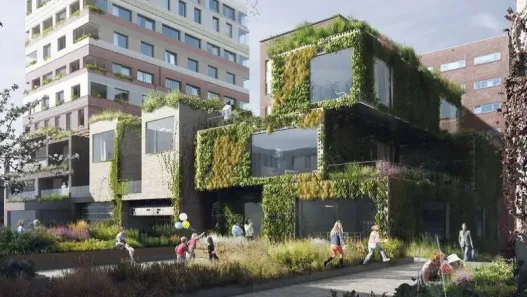
Biophilic design is a philosophy that aims to connect people with nature and plays a critical role in eco-cities. By incorporating natural elements into urban environments, architects and planners create spaces that promote well-being and improve quality of life. This can include green walls, rooftop gardens and urban forests that not only provide aesthetic value, but also improve air quality and reduce heat. For example, Bosco Verticale in Milan features residential towers adorned with trees and plants, creating a vertical forest that helps combat urban heat and promotes biodiversity. Such design elements promote a sense of tranquillity and connection to the natural world, which is vital in our increasingly urbanized lives.
As a result, the architectural features of eco-cities represent a forward-thinking approach to urban living that emphasizes sustainability and quality of life. Utilizing green materials, innovative transportation, smart infrastructure, efficient water management and biophilic design, these cities are not just places to live, but models for a sustainable future. As we continue to explore and develop these concepts, eco-cities are at the forefront of creating a harmonious balance between urban living and the environment.
# Futuristic Eco-Cities: Plans for Sustainable Urban Living
Case Studies of Leading Eco-Cities
Exploring the concept of eco-cities reveals a fascinating intersection of architecture, technology and sustainability. These cities represent innovative approaches to urban living that aim to harmonize human activities with the environment. By examining notable examples, we can understand how various designs and policies contribute to a sustainable future.
Masdar City, UAE
Masdar City is a striking example of a futuristic eco-city located near Abu Dhabi in the United Arab Emirates. Launched in 2006, this ambitious project embodies the vision of a sustainable urban environment powered entirely by renewable energy. The city is designed to be car-free and encourages walking and cycling as the primary mode of transportation. Its layout features narrow streets that create shaded pathways, reducing energy consumption and increasing comfort.
Key to Masdar City’s success is its commitment to integrating innovative technology and sustainable practices. The buildings use advanced materials and design principles that maximize energy efficiency. Solar panels and wind turbines provide renewable energy, while a smart grid intelligently manages energy use. The city also emphasizes water conservation through advanced recycling systems and efficient irrigation methods.
Masdar City acts as a living laboratory for sustainable technologies, attracting researchers and innovators. It demonstrates how urban areas can be redesigned to reduce their ecological footprint while stimulating economic growth. Prioritizing sustainability, Masdar City is paving the way for future urban developments globally.
Songdo International Business District, South Korea
Songdo, located near Incheon, South Korea, is another remarkable example of a planned eco-city. Developed over the last two decades, it is touted as the world’s first smart city that combines ecological sensitivity with advanced technology. The city was designed with a focus on sustainability, with green spaces, efficient public transportation and sustainable energy solutions.
One of Songdo’s highlights is its extensive network of parks and green roofs that promote biodiversity and improve air quality. The urban layout encourages walking and cycling, reducing reliance on cars. The city also uses an integrated waste management system that minimizes waste generation and maximizes recycling.
Songdo’s commitment to technology is evident in its use of sensors and data analytics to optimize energy consumption and improve residents’ quality of life. This mix of sustainability and smart technology positions Songdo as a model for future urban planning and demonstrates how cities can work in harmony with nature while promoting economic development.
Curitiba, Brazil
Curitiba has long been recognized as a pioneer in sustainable urban planning. Since the 1970s, the city has implemented innovative transportation systems and green initiatives that prioritize environmental sustainability. One of its most significant achievements is the Bus Rapid Transit (BRT) system, which provides efficient, affordable public transportation while reducing traffic congestion and pollution.
The city’s planning philosophy revolves around creating a sustainable urban environment that balances social equity, economic viability and environmental responsibility. Curitiba has numerous parks and green spaces that not only enhance the aesthetics of the city, but also serve as essential urban lungs that improve air quality and provide recreational opportunities for residents.
Curitiba also encourages citizen participation in urban planning by adopting community-oriented initiatives. By promoting a culture of sustainability, the city has become a model for others, proving that comprehensive urban planning can improve quality of life while addressing environmental concerns.
Sustainable City, Dubai
The Sustainable City in Dubai is a groundbreaking development that exemplifies modern eco-city principles. Launched in 2015, the community is designed to be self-sufficient, with residential, commercial and educational spaces that prioritize sustainability. The city generates its own energy through solar panels and encourages water conservation through innovative irrigation techniques.
Sustainable City emphasizes community engagement and aims to create a vibrant, inclusive environment. It encourages residents to adopt eco-friendly lifestyles with wide walking paths, cycling trails and green spaces. The city also features urban agriculture, which allows residents to grow their own food, further enhancing sustainability.
By integrating cutting-edge technology with sustainable living practices, Sustainable City demonstrates how urban environments can thrive while minimizing their ecological impact. It serves as a testament to the potential of eco-cities to promote a healthier, more sustainable future.
Eco-City Tianjin, China
Tianjin Eco-City is an ambitious joint venture between China and Singapore designed to be a model for sustainable urban development. Launched in 2008, the project aims to address urbanization issues while promoting environmental sustainability. The city incorporates a range of eco-friendly features, including energy-efficient buildings, renewable energy sources and comprehensive public transportation systems.
Tianjin Eco-City’s design focuses on creating a balanced ecosystem by integrating green spaces and water management systems. The use of recycled materials in construction and innovative waste management practices further exemplify the commitment to sustainability. The city also promotes social equity by providing affordable housing and encouraging community participation.
Tianjin Eco-City represents an important step towards rethinking urban development in the context of rapid population growth and environmental degradation. By showing how cities can be designed to prioritize sustainability, it offers valuable lessons for urban planners and policy makers around the world.
Overall, these case studies illustrate a variety of approaches to creating eco-cities. Each example highlights the importance of sustainability, innovation and community engagement in redesigning urban life. Looking to the future, these cities offer blueprints for a more sustainable and harmonious relationship between people and the environment.
# Futuristic Eco-Cities: Plans for Sustainable Urban Living
The Role of Technology in Eco-Cities
As the world grapples with the problems of climate change and urbanization, the concept of eco-cities is emerging as a beacon of hope. These cities are designed not only to minimize their ecological footprint, but also to improve the quality of life of their residents. Technology plays a crucial role in realizing this vision, acting as a catalyst for innovation and sustainability. By integrating advanced technologies into urban planning and infrastructure, eco-cities can promote renewable energy, efficient resource management and a more resilient urban ecosystem.
Renewable Energy Solutions
At the heart of eco-cities is a commitment to renewable energy solutions. Solar panels, wind turbines and geothermal systems are becoming increasingly common in urban environments. Places like Masdar City in the United Arab Emirates make extensive use of solar energy, powering homes and businesses while minimizing reliance on fossil fuels. The integration of these renewable sources not only reduces greenhouse gas emissions, but also promotes energy independence. Furthermore, the development of energy storage technologies, such as advanced batteries, enables cities to store energy generated during peak production times for use during periods of high demand. The transition to renewable energy contributes to a sustainable energy ecosystem that supports urban life without compromising the health of our planet.
Smart Grid Technologies
Smart grid technologies are revolutionizing the way cities manage energy consumption. Smart grids enable real-time monitoring and management of energy distribution using digital communication tools. This means that residents can monitor their energy use and make more informed decisions about consumption. Cities like Barcelona are implementing smart grid systems that not only increase efficiency but also seamlessly integrate renewable energy sources into the grid. This technology enables better demand response, where energy use can be adjusted according to availability, thus reducing the load on the system during peak times. As a result, smart grids not only promote sustainability, but also increase the resilience of urban infrastructure in the face of challenges such as extreme weather or unexpected demand spikes.
Sustainable Waste Management Systems
Waste management is a critical aspect of urban life and eco-cities are pioneering innovative systems to tackle this challenge. Advanced sorting technologies and waste-to-energy plants are being integrated into city infrastructure to minimize landfill use and maximize resource recovery. Cities such as San Francisco, for example, have implemented comprehensive recycling and composting programs that divert a significant portion of waste from landfills. By using technology to monitor waste generation and disposal patterns, city planners can develop more effective strategies to reduce waste at source. Moreover, initiatives such as anaerobic digestion convert organic waste into renewable energy, transforming waste that was once seen as garbage into a valuable resource for society.
Innovations in Urban Agriculture
Urban agriculture is gaining traction as a sustainable solution for food security in densely populated areas. Eco-cities are adopting innovative farming techniques such as vertical farming and hydroponics, which allow food production in limited spaces. These methods not only reduce the carbon footprint associated with transporting food, but also provide fresh produce directly to residents. Cities like Singapore have invested in rooftop gardens and community farms that engage citizens in the food production process. The integration of technologies such as automated irrigation systems and climate control solutions allows these urban farms to operate efficiently, contributing to the local economy while promoting environmental stewardship.
Data-Driven Urban Planning
Data-driven urban planning is transforming the way cities are designed and managed. By leveraging big data and analytics, urban planners can gain insights into everything from traffic patterns to energy use. This information enables better-informed decisions and helps create urban environments that respond to the needs of residents. For example, cities like New York are using data to optimize public transport routes, reducing traffic congestion and improving accessibility. Furthermore, predictive analytics can guide future development, enabling eco-cities to develop in a way that prioritizes sustainability and livability. By adopting a data-centric approach, urban planners can create dynamic spaces that adapt to changing societal needs while minimizing environmental impacts.
Ultimately, the incorporation of technology into eco-cities is essential for the creation of sustainable urban environments. From renewable energy solutions to data-driven planning, these advancements not only address the pressing challenges of urbanization, but also pave the way for a more sustainable future. As we look to the cities of tomorrow, embracing these technological innovations will be key to fostering a world where both people and planet can thrive.
# Futuristic Eco-Cities: Plans for Sustainable Urban Living
Challenges in the Development of Eco-Cities
Creating eco-cities is a visionary endeavor that aims to harmonize urban life with the natural environment. However, this ambitious goal brings with it a number of challenges. Understanding these barriers is crucial for anyone interested in the future of sustainable urban development.
Financial Constraints
One of the main obstacles to the development of eco-cities is financial constraints. Building infrastructure that is both environmentally friendly and technologically advanced often requires significant upfront investment. Cities are often limited by budgets that prioritize immediate needs over long-term sustainability. For example, the cost of integrating renewable energy sources, green building materials and sustainable transportation systems can be daunting. Moreover, the financing of eco-town projects often relies on government grants or private investment, which can fluctuate depending on economic conditions. This unpredictability can halt projects or lead to compromises that undermine sustainability goals.
Public Acceptance and Community Engagement
Another important challenge is public acceptance and community involvement. Eco-cities often involve changes in lifestyle and urban planning that can be met with resistance. People may be hesitant to embrace new concepts such as high-density living, increased public transportation options or the replacement of traditional developments with green spaces. Effective community engagement is essential to promote understanding and support for these initiatives. This can be achieved through outreach programs, workshops and participatory planning where community members voice their ideas and concerns. Real-world examples, such as the “15-minute city” concept in Paris, show how involving citizens in the planning process can lead to wider acceptance and enthusiasm.
Technological Barriers
Technological barriers also pose significant challenges to the realization of eco-cities. While advances in technology offer enormous potential for sustainable development, they can also be complex and costly to implement. For example, integrating smart grid technology to optimize energy use may require specialized knowledge and infrastructure that some cities lack. Moreover, the rapid pace of technological change can make it difficult for cities to keep up. What looks like an innovative solution today may be outdated tomorrow. Cities must strike a balance between adopting the latest technologies and ensuring that they are adaptable and sustainable in the long term.
Regulatory and Policy Issues
Regulatory and policy issues are another area where eco-cities can face significant challenges. Urban planning regulations may be slow to adapt to new sustainable practices, creating a mismatch between innovative ideas and existing laws. Zoning laws may not accommodate green spaces or mixed-use developments that eco-cities often need. Moreover, policies that incentivize sustainable practices, such as tax breaks for green buildings or subsidies for public transportation, may not exist or may vary significantly from one region to another. Overcoming these regulatory barriers requires collaboration between policy makers, urban planners and community stakeholders to create an enabling environment for eco-city development.
Environmental Impact Assessments
Finally, environmental impact assessments (EIAs) are critical but can also be a challenging aspect of developing eco-cities. While EIAs are designed to assess the potential environmental consequences of a project, the process can be long and complex. Stakeholders may face challenges in accurately predicting the impacts of new technologies or urban designs on local ecosystems and communities. Furthermore, EIA findings can lead to delays or changes in projects, which can discourage investors and stakeholders from pursuing eco-city initiatives. Striking the right balance between thorough assessments and timely project implementation is crucial to move forward in sustainable urban development.
In conclusion, while the vision of eco-cities is inspiring, the journey towards sustainable urban living is fraught with challenges. From financial constraints and public acceptance to technological barriers and regulatory issues, these obstacles require innovative solutions and collaborative efforts. By addressing these challenges head-on, cities can pave the way for a future where urban life coexists in harmony with the environment.
# Futuristic Eco-Cities: Plans for Sustainable Urban Living
The Future of Eco-Cities
As we look forward to the development of futuristic eco-cities, it is crucial to understand how urban life is evolving. Eco-cities represent a transformative approach to urbanization, focusing on sustainability, innovation and quality of life. These cities aim to harmonize human activities with the natural environment, creating spaces that are not only livable but also regenerative.
Urban Growth Projections
Urbanization is on the rise and projections show that by 2050, around 68% of the world’s population will live in urban areas. This change presents both challenges and opportunities. In the face of climate change, resource scarcity and social inequalities, the future of urban growth must prioritize sustainability. Cities are expected to become smarter, leveraging technology to manage resources efficiently. For example, smart grids will optimize energy use, while advanced waste management systems will reduce reliance on landfills and encourage recycling.
We can also expect a shift towards mixed-use developments that integrate living spaces with work and recreational areas. This approach not only increases convenience but also encourages community interactions. Vertical gardens and green roofs will become widespread, helping to improve air quality and reduce urban heat.
Emerging Trends in Sustainable Design
Sustainable design is at the heart of eco-cities and several trends are emerging that will shape their development. One important trend is the use of biomimicry, where architects take inspiration from nature to solve complex design problems. For example, buildings that mimic termite mounds can naturally regulate temperature, reducing the need for artificial heating and cooling.
Energy-efficient technologies are also on the rise. Solar panels, wind turbines and geothermal energy are being integrated into urban infrastructure, allowing cities to benefit from renewable energy sources. In addition, sustainable materials such as bamboo and recycled steel are increasingly being used in construction, minimizing environmental impact.
Another exciting trend is the emphasis on public transportation and walkability. Eco-cities are being designed to reduce dependence on cars and encourage cycling, walking and efficient public transport systems. This not only reduces traffic congestion and pollution, but also improves the overall quality of urban life by encouraging social interactions and physical activity.
Potential Global Impact
The potential global impact of eco-cities is enormous. By prioritizing sustainability, these urban environments can significantly reduce greenhouse gas emissions and resource consumption. For example, cities like Copenhagen have set ambitious targets to become carbon-neutral by 2025, demonstrating how committed urban planning can deliver significant environmental benefits.
Moreover, the adoption of eco-cities can inspire other regions to follow suit, creating a ripple effect. As more cities adopt sustainable practices, we could see a worldwide shift towards greener living. This transformation not only addresses environmental challenges, but also increases economic opportunities through green jobs and sustainability-oriented industries.
The Role of Governments and NGOs
Governments and non-governmental organizations (NGOs) play a crucial role in the development of eco-cities. Effective policies and regulations are essential to steer urban growth in a sustainable direction. Governments can promote green building practices, invest in renewable energy and support public transportation initiatives.
NGOs can complement these efforts by raising awareness and educating communities about sustainable practices. They often serve as advocates for marginalized populations, ensuring that eco-city developments are inclusive and equitable. Collaboration between governments, NGOs and local communities is vital to create urban spaces that reflect the needs and aspirations of all residents.
Vision for a Sustainable Urban Future
Imagining a sustainable urban future involves designing cities that prioritize the well-being of both people and the planet. Imagine neighborhoods filled with greenery, where children can play in safe parks and adults can commute to work on efficient public transportation systems. In this future, buildings will not only provide shelter, but also contribute to the ecosystem by generating energy and improving air quality.
This vision also includes resilient communities that can adapt to environmental changes. Eco-cities will embrace diversity and offer spaces for different cultures and lifestyles to flourish. By fostering social connections and providing access to resources, these cities can create a sense of belonging among residents.
In essence, the future of eco-cities promises a harmonious coexistence between urban life and nature. As we continue to innovate and adapt, the dream of sustainable urban living can become a reality and pave the way for a healthier, more just world.
Discover more from Dök Architecture
Subscribe to get the latest posts sent to your email.