






Often referred to as the cradle of the Renaissance, Florence is a city where art and architecture intertwine in a dance of beauty and innovation. From the 14th to the 17th century, the Renaissance marked a profound shift in artistic and architectural expression, emphasizing humanism, proportion and perspective. In Florence, this movement gave rise to some of the most iconic buildings that continue to inspire awe and admiration today.
Historical Context
To understand Renaissance architecture in Florence, it is first necessary to assess the historical background. The late Middle Ages in Europe were characterized by a focus on the Church and feudal systems. But as the 14th century approached, a new interest in classical antiquity began to emerge. In Florence, a prosperous banking class and a growing sense of individualism catalyzed this shift. The city became a cultural center where artists, architects and thinkers sought to revive ancient Roman and Greek ideals. This period of cultural rebirth in Florence set the stage for the groundbreaking architectural developments that would define the period.
Key Names of Renaissance Architecture
Florence has been home to many important figures whose contributions to architecture are monumental. Filippo Brunelleschi, often considered the father of Renaissance architecture, revolutionized the use of perspective and engineering techniques. His most famous achievement, the dome of Florence Cathedral, remains a marvel of design and construction. Another influential figure was Leon Battista Alberti, who wrote treatises on architecture that blended classical principles with contemporary needs. His works emphasized harmony and proportion, laying the groundwork for future architects. These names, among others, helped establish Florence as a center of architectural innovation and influenced generations to come.
Florence’s Importance in the Renaissance
Florence’s importance during the Renaissance goes beyond its architectural achievements. The city was a crucible of ideas and creativity, nurtured largely by the Medici family, the great patrons of the arts. Their support allowed artists and architects to experiment and push boundaries, leading to a cultural development that influenced not only architecture but also painting, sculpture and literature. The emphasis on humanism, which glorified human potential and the study of classical texts, profoundly influenced Florentine architecture. Buildings were designed not only for their functionality but also to reflect ideals of beauty and order, encouraging a deep connection between the built environment and the human experience.
Overview of Architectural Styles
Renaissance architecture in Florence is characterized by several distinct styles, reflecting the evolution of design principles. Early Renaissance architecture emphasized symmetry and proportion, often inspired by classical Roman structures. As the movement progressed, the High Renaissance introduced bolder designs with majestic domes and intricate facades that evoked a sense of awe. The use of pilasters, arches and harmonious proportions became hallmarks of Florentine architecture. In addition, the Mannerist style, which emerged later, involved a more complex interplay of form and decorative elements that showcased the artists’ mastery of the architectural language. Each style contributed to a rich tapestry of architectural expression that can still be seen throughout the city today.
Purpose of the Blog Post
The aim of this blog post is to take an in-depth look at the architectural heritage of Florence during the Renaissance. By exploring the historical context, key figures, cultural significance and architectural styles, readers will gain a comprehensive understanding of why Florence remains a beacon of artistic achievement. This exploration aims not only to inform but also to inspire a deeper appreciation for the timeless beauty that defines Florence. Through the lens of architecture we can witness the enduring legacy of the Renaissance and its impact on our world today, inviting everyone to experience the charm of this extraordinary city.
Florence, the cradle of the Renaissance, is a city that embodies the essence of artistic innovation and architectural splendor. Its streets are alive with history, inspiring generations of artists, architects and thinkers. This rich cultural fabric is interwoven with iconic buildings that serve as a testament to the city’s historical significance and aesthetic beauty. As we explore these landmarks, we uncover not only their architectural details, but also the stories and cultural movements that shaped them.
Florence’s Iconic Buildings
Florence’s skyline is dotted with remarkable buildings that reflect its artistic heritage and the creativity of its architects. Each building tells a story that invites visitors to delve deeper into the history and culture of this extraordinary city.
Florence Cathedral (Duomo)
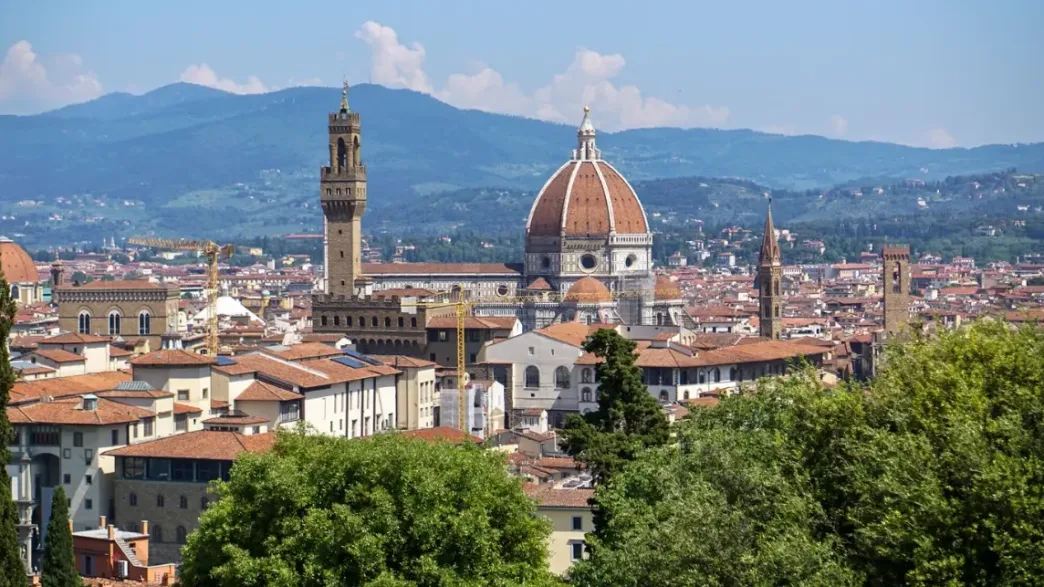
Florence Cathedral, known as the Duomo, is perhaps the most recognizable symbol of the city. Its magnificent dome, designed by Filippo Brunelleschi, is an engineering marvel of the 15th century. Standing tall in the heart of Florence, the Duomo is not only a place of worship but also a celebration of human creativity and ambition.
Its façade of pink, white and green marble creates a striking visual impact. As you approach the cathedral, you cannot help but be mesmerized by its intricate facade and soaring bell tower. A work of architectural genius, the dome remains the largest brick dome ever built. Visitors can climb to the top for breathtaking views of the city, where the beauty of Florence unfolds in every direction.
Beyond its architectural significance, the Duomo is a symbol of the city’s resilience and cultural pride. Reminiscent of a time when art and religion were intertwined, this building has inspired countless artists and architects to follow in its footsteps.
Palazzo Vecchio
Palazzo Vecchio, Florence’s town hall, is a striking example of medieval architecture. With its imposing castle-like structure, it attracts attention in Piazza della Signoria. The building’s rough stone exterior conceals the wealth of artistic treasures it houses.
Inside, one can explore large rooms decorated with frescoes and sculptures that reflect the power and influence of the Medici family. The Salone dei Cinquecento, or Hall of the Five Hundred, is particularly noteworthy for its high ceilings and vibrant artwork. Once the site of political meetings and celebrations, it reflects the city’s rich history of civic engagement.
Palazzo Vecchio serves not only as a historical monument, but also as a vibrant cultural center. It hosts exhibitions and events, ensuring that the spirit of Florence continues to flourish. Walking through its halls, you can feel the weight of history and the pulse of contemporary life intertwined.
Uffizi Gallery
The Uffizi Gallery is a world-renowned museum that houses some of the most important works of art of the Renaissance period. Originally designed by Giorgio Vasari as offices for Florentine judges, the Uffizi has become a sanctuary for art lovers.
As you wander its corridors, you encounter masterpieces by artists such as Botticelli, Michelangelo and Leonardo da Vinci. Each painting tells a story, capturing the essence of human emotions and experiences. The gallery’s design encourages a journey through time, where visitors can appreciate the evolution of art and its impact on society.
The Uffizi is much more than a museum; it is a celebration of Florence’s artistic heritage and a testament to the city’s lasting influence on the art world. Engaging with these works offers a glimpse into the minds of the masters and the cultural context of their work.
Ponte Vecchio
Ponte Vecchio, or Old Bridge, is an architectural jewel stretching over the Arno River. Known for its charming shops and lively atmosphere, the bridge dates back to Roman times. Its unique design, with shops stretching over the water, creates a picturesque landscape that attracts locals and tourists alike.
Originally home to butchers and fish merchants, the Ponte Vecchio has now become a bustling center of commerce and crafts, showcasing jewelry stores. The bridge is not just a passageway; it is a lively marketplace that reflects the artistic spirit of Florence.
As you stroll over Ponte Vecchio, take a moment to appreciate the river views and the surrounding architecture. The bridge is a reminder of the city’s rich history and its ability to adapt and develop over the centuries.
Basilica of Santa Croce
The Basilica of Santa Croce, known as the Temple of Italian Splendor, is one of the most important Franciscan churches in Florence. It is not only a place of worship, but also the mausoleum of some of Italy’s most famous figures, including Michelangelo, Galileo and Machiavelli.
The church is famous for its stunning frescoes and intricate tombs that tell the lives of its important inhabitants. The beautiful Gothic architecture, characterized by its elegant facade and soaring ceilings, reinforces the spiritual atmosphere inside.
A visit to Santa Croce allows to reflect on the profound influence of these figures on art, science and philosophy. A monumental homage to Florence’s cultural heritage, the basilica invites visitors to discover the interconnectedness of faith and creativity throughout history.
Florence continues to capture the hearts of those who walk its streets with its iconic buildings. Each building is a chapter in a larger story, a testament to the city’s enduring legacy of art and innovation. As we explore these landmarks, we uncover not only the beauty of Florence, but also the soul of a city that forever changed the course of history.
Often referred to as the cradle of the Renaissance, Florence is a city that embodies the spirit of an era defined by a profound cultural transformation. Its streets are filled with architectural masterpieces that reflect the creativity and artistic exuberance of the period. The Renaissance was not just a period of artistic development; it marked a significant shift in how buildings were designed and constructed. From the harmonious proportions of the buildings to the innovative materials used, the architectural features of Florence reveal a profound sense of beauty and function that continues to inspire today.
Architectural Characteristics of Renaissance Buildings
Renaissance architecture in Florence is characterized by several defining features that together create a visual sense of harmony and order. These architectural elements not only served aesthetic purposes, but also reflected the philosophical and cultural ideals of the period.
Use of Symmetry and Proportion
At the heart of Renaissance architecture is the concept of symmetry and proportion, principles deeply influenced by classical antiquity. Buildings are designed with a careful balance in which every element is measured and scaled to enhance visual appeal. This approach is vividly exemplified in the Florence Cathedral or Santa Maria del Fiore, where the façade and dome exhibit a perfect symmetry that is striking and evokes a sense of tranquility. The careful arrangement of windows, doors and other features creates a harmonious appearance, allowing the viewer to appreciate the building as a unified whole rather than a collection of disparate parts.
The use of mathematical proportions such as the Golden Ratio played a critical role in achieving these harmonious proportions. Architects such as Filippo Brunelleschi, who designed the dome of the cathedral, understood that these principles not only beautify structures, but also make them more functional and robust. This emphasis on proportion can be seen in numerous buildings in Florence, where the interplay between height and width creates an inviting atmosphere.
Innovative Use of Materials
The Renaissance was a period of experimentation and this was particularly evident in the materials used for construction. While stone remained the basic material, architects began to use brick and terracotta, which allowed for more complex designs and faster construction times. The use of these materials is prominent in Palazzo Medici Riccardi, where the rustic stone facade gives the building a sense of strength and permanence, while the smooth, refined upper floors express sophistication.
Furthermore, the introduction of new construction techniques, such as the use of arches and vaults, allowed for larger open spaces and more elaborate designs. These innovations not only improved the aesthetic quality of buildings, but also their structural integrity. The combination of traditional and innovative materials reflects a shift towards a more practical approach to architecture that celebrates both form and function.
Classical Columns and Domes
One of the most striking features of Renaissance architecture is the revival of classical elements, especially columns and domes. Inspired by ancient Roman and Greek structures, architects incorporated these elements to convey grandeur and stability. The use of Corinthian, Doric or Ionic columns added an air of elegance to the buildings, creating a dialog between the past and the present.
Perhaps the most iconic feature of Renaissance architecture, the dome symbolizes the heavens and the divine. Brunelleschi’s dome over Florence Cathedral is a testament to this ideal, displaying not only technical skill but also a deep spiritual significance. The dome’s impressive height and intricate design invite admiration and introspection, making it the focal point of the city’s skyline. Such architectural achievements were not merely aesthetic choices; they represented a revival of classical thought and a yearning for the divine.
Decorative Elements and Sculpture
Renaissance buildings were often adorned with elaborate decorative elements and sculptures that enhanced their beauty and conveyed their narrative. These decorations were inspired by classical mythology and Christian themes, reflecting the dual influence of the period. Exteriors were often decorated with relief sculptures, friezes and intricate carvings, turning the outside of buildings into a storytelling canvas.
One of the most important examples of this is the Basilica di San Lorenzo, where the Medici Chapels feature striking sculptures by famous artists such as Michelangelo. These works not only serve a decorative purpose, but also communicate the power and influence of the Medici family, intertwining art with the political narrative. Such elements invite viewers to engage with the building on a deeper level, transforming a mere structure into a storytelling tool.
Integration with Urban Space
Finally, the integration of Renaissance buildings into the urban fabric of Florence demonstrates a thoughtful approach to urban planning. The architects considered how their buildings would interact with the surrounding environment, ensuring that each building enhanced the overall aesthetic of the city. Public squares, such as Piazza della Signoria, serve as gathering places that encourage social interaction, surrounded by architectural marvels that reflect Florence’s cultural identity.
The harmonious relationship between buildings and urban spaces emphasizes the Renaissance belief in the importance of community and civic life. This integration is reflected in the way streets are laid out and buildings relate to each other, creating a coherent narrative throughout the city. The careful treatment of public spaces continues to influence urban design today, reminding us of the enduring legacy of Renaissance architecture.
In conclusion, the architectural features of Renaissance buildings in Florence offer a fascinating glimpse into an important period of human creativity and thought. From symmetry and proportion to the use of materials and decorative arts, each element reflects a rich tapestry of cultural and artistic values that continue to resonate today. Walking the streets of Florence, we are not just observing buildings; we are immersed in history, art and the timeless pursuit of beauty.
The Influence of Renaissance Architecture on Modern Design
The Renaissance architecture that flourished in Florence between the 14th and 17th centuries left an indelible mark on the world of design. Characterized by a revival of classical learning and wisdom, this period not only shaped the physical landscape of cities like Florence, but also laid the foundation for architectural principles that resonate in today’s buildings. The influence of Renaissance architecture is evident in various aspects of modern design, from its aesthetic principles to its emphasis on harmony and proportion.
Revival of Neoclassicism
The Neoclassical movement emerged in the 18th century as a direct response to the ornate styles of the Baroque period. Inspired by the simplicity and splendor of ancient Rome and Greece, it echoed the ideals of the Renaissance. Architects such as Robert Adam and Thomas Jefferson embraced these principles, integrating elements such as columns, pediments and symmetry into their designs. Jefferson’s Virginia State Capitol, for example, directly reflects the influence of the Pantheon in Rome, showing how Renaissance ideas were reinterpreted to suit contemporary needs. This revival not only celebrated the beauty of classical architecture, but also reinforced the idea that designs could communicate democratic ideals and connect the past to the present.
Influence on Contemporary Architects
Modern architects continue to draw on the principles established during the Renaissance. Names such as Frank Lloyd Wright and Le Corbusier recognized the importance of proportion and geometry, key elements of Renaissance design. Wright’s Fallingwater, for example, is in harmony with its natural surroundings and embodies the Renaissance ideal of integrating architecture with nature. The clean lines and balanced forms that characterize contemporary architecture can often be traced to the Renaissance emphasis on symmetry and clarity. This ongoing dialogue between past and present not only enriches modern design, but also connects contemporary builders with historical narratives.
Preservation of Historic Sites
The Renaissance period has bequeathed us many architectural masterpieces and their preservation remains an important part of cultural heritage. Organizations and governments around the world are committed to preserving the integrity of Renaissance buildings such as Florence Cathedral and the Uffizi Gallery. These efforts include meticulous restoration practices that honor the original works of art while ensuring that the buildings meet modern safety standards. The challenge is to balance preservation and modernization so that these historic sites remain functional and accessible to the public. This commitment to preserving the past allows future generations to experience first-hand the beauty and significance of Renaissance architecture.
Adaptation in Urban Planning
Renaissance principles also influenced urban planning, particularly in how cities were designed to facilitate community interaction and aesthetic appeal. The use of public squares, wide boulevards and harmonious building facades can be attributed to the Renaissance emphasis on public life and civic pride. Modern urban planners often use these elements to create vibrant, livable spaces. Cities such as Barcelona and Paris demonstrate this influence with their structured layouts and emphasis on public spaces that encourage a sense of community while preserving their historic character. Adapting these ideas, contemporary urban design seeks to create environments that encourage social interaction, reflecting the communal spirit that defined the Renaissance.
The Global Impact of Florentine Design
The influence of Florentine design extends far beyond the borders of Italy. As Renaissance ideals spread across Europe and America, they inspired countless architects and artists. Structures such as the Massachusetts State House and the Capitol Building in Washington, D.C., illustrate this global influence, reflecting the classical elegance that originated in Florence. Today, architects around the world continue to reference Renaissance aesthetics and blend them with local traditions to create unique structures that honor both history and modernity. This cross-cultural exchange not only highlights the enduring legacy of Renaissance architecture, but also demonstrates how these timeless principles can adapt to different contexts and enrich the global architectural landscape.
In sum, the influence of Renaissance architecture on modern design is profound and multifaceted. From the revival of neoclassicism to contemporary adaptations in urban planning, the principles established during this vibrant period continue to shape how we build and interact with our environment today. Looking to the future, the lessons of Florence’s architectural heritage will undoubtedly guide us in creating spaces that are not only functional, but also beautiful and meaningful.
Conservation and Restoration
Often referred to as the cradle of the Renaissance, Florence is renowned not only for its stunning art and architecture, but also for its ongoing efforts to preserve its rich cultural heritage. The city is a living museum, with artistic brilliance and historical significance around every corner. As time marches on, the challenges of preserving these treasures become ever more apparent. This chapter discusses various aspects of conservation and restoration work in Florence, examining the organizations involved, the challenges faced, the techniques used, successful case studies and the future outlook for these initiatives.
Historic Preservation Organizations
The preservation of Florence’s artistic heritage is supported by numerous organizations dedicated to protecting the integrity of the city’s historic sites. Institutions such as the Florence Architectural Heritage and Landscape Inspectorate play an important role in overseeing the conservation of monuments, buildings and the urban landscape. They work closely with local governments, international agencies and non-profit organizations to ensure that restoration work adheres to strict guidelines that honor original craftsmanship.
Another important organization is the Fondazione Firenze dei Della Robbia, which focuses on the conservation of ceramic artworks and historic buildings in the region. These organizations not only provide funding and expertise, but also raise awareness and educate the community on the importance of preserving Florence’s artistic heritage. Through workshops and public outreach, they foster a sense of shared responsibility among residents and visitors alike.
Restoration Challenges
Restoration work in Florence is not without its challenges. One of the most pressing issues is the impact of pollution and climate change on historic buildings. Delicate materials such as frescoes and marble used in Renaissance art are particularly susceptible to environmental degradation. In addition, the influx of tourists can lead to wear and tear on popular sites, requiring frequent maintenance and reconstruction.
Financial constraints are also a major obstacle. While there is great passion and commitment to preserve these treasures, securing adequate funding for large-scale restoration projects remains a challenge. Restorations are often funded by private donations, grants or international partnerships, which can lead to uncertainty about the continuity and sustainability of conservation efforts.
Techniques used in restoration
The techniques used in restoration are as varied as the works of art themselves. Conservators often use advanced technology to analyze and diagnose the condition of works of art before starting any restoration work. Techniques such as infrared reflectography and ultraviolet light examination help to reveal hidden layers of paintings and provide insight into the artist’s original methods.
One of the basic principles of restoration is minimal intervention. This means that conservators aim to preserve as much of the original material as possible and often use reversible methods that allow future generations to undo or replace the work as needed. For example, in the restoration of frescoes, conservators may apply a protective layer that can be removed without damaging the original paint.
In addition, traditional methods are still valued, with artisans specializing in ancient techniques working alongside modern experts. This mix of old and new ensures that restorations are both authentic and durable, preserving the essence of Florence’s artistic identity.
Examples of Successful Restoration
The many high-profile restoration projects in Florence are a testament to the city’s commitment to preserving its heritage. The restoration of Michelangelo’s David is an important example. Over the years, the sculpture has faced threats from pollution and environmental factors. An extensive cleaning and restoration project initiated in the late twentieth century used both traditional methods and modern technology to restore its original luster without compromising its integrity.
Another important restoration is the frescoes in the Brancacci Chapel, considered masterpieces of Renaissance art. The meticulous cleaning and conservation work carried out here has not only revived the vivid colors, but also revealed previously hidden details that enrich the narrative of the artwork. These successful restorations not only preserve the physical integrity of the works, but also enrich Florence’s cultural narrative, enabling future generations to connect with its history.
The Future of Conservation in Florence
Looking to the future, both challenges and opportunities shape the future of conservation in Florence. As technology continues to advance, there is great potential for more effective conservation methods and wider public engagement. Digital archiving and virtual reality experiences can help educate visitors about the importance of these works of art, while minimizing the physical impact on the sites themselves.
There is also a growing recognition of the need for sustainable practices in restoration work. This includes the use of environmentally friendly materials and methods that reduce the environmental footprint of conservation activities. Collaboration between local communities, government and international experts will be crucial in promoting innovative approaches to conservation.
In conclusion, Florence’s commitment to preserving its artistic heritage is a testament to the city’s understanding of its historical significance. Through dedicated organizations, innovative techniques and successful case studies, Florence continues to honor its past while actively engaging with the future. Ongoing efforts to preserve the beauty of this extraordinary city ensure that it will remain a vibrant center of art and culture for generations to come.
The Lasting Legacy of Florentine Architecture
A city rich in Renaissance art, Florence serves as a living museum showcasing the extraordinary architectural achievements accomplished centuries ago. Breathtaking palaces, churches and public spaces reflect not only the innovative spirit of their creators, but also the cultural and historical context of their time. In this concluding chapter, we will examine the key points surrounding the enduring legacy of Florentine architecture and its significance in today’s world.
Summary of Key Points
Florence’s architectural landscape is marked by a unique blend of artistic expression and structural mastery, epitomized by landmarks such as Florence Cathedral and Palazzo Vecchio. These structures not only showcase the art of famous names such as Brunelleschi and Michelangelo, but also embody the principles of balance, symmetry and proportion that defined the Renaissance. The careful preservation of these buildings ensures that they continue to inspire awe and admiration. The integration of art and architecture in Florence offers a glimpse into the values and aspirations of a society that celebrates human potential and creativity.
Cultural Importance Today
Today, Florence’s architectural heritage remains a cornerstone of its cultural identity. The city attracts millions of visitors each year, drawn by its historic sites and the stories they tell. This influx of tourism has fostered a vibrant cultural scene where local artisans and designers create contemporary works that honor their heritage while drawing inspiration from the past. Florence also serves as a center for the study of art and architecture, with institutions that encourage the study and appreciation of Renaissance principles, ensuring that the city’s rich traditions continue to thrive in modern contexts.
Florence on the UNESCO World Heritage List
Recognized as a UNESCO World Heritage Site, Florence’s architectural treasures are protected and celebrated on an international scale. This designation highlights the city’s importance as a center of cultural exchange and innovation. It expresses a collective commitment to preserve the historical integrity of its buildings to ensure that future generations can appreciate the beauty and importance of the Renaissance period. UNESCO status also encourages sustainable tourism practices that aim to respect and preserve the delicate balance between cultural heritage and modern urban life.
Promoting Future Generations
The heritage of Florentine architecture goes beyond mere preservation and serves as an educational tool for future generations. Schools and universities in Florence and beyond encourage students to explore the history of architecture, fostering a sense of pride and responsibility towards their cultural heritage. Workshops and community programs encourage young architects and designers to think critically about how to blend innovation with tradition, inspiring them to create spaces that reflect the timeless beauty of the past while responding to contemporary needs.
Final Thoughts on Timeless Beauty
Ultimately, the enduring legacy of Florentine architecture is a testament to the power of creativity and human expression. The city reminds us that architecture is not just about building buildings; it is about creating spaces that evoke emotions, communicate ideas and enhance the human experience. As we look to the future, we are challenged to maintain this balance between preserving the past and embracing the present. Florence will continue to inspire, inviting all who visit to reflect on the seamless interplay of art and architecture that has defined the city for centuries. Through this lens, Florence remains a beacon of timeless beauty, captivating hearts and minds around the world.
Discover more from Dök Architecture
Subscribe to get the latest posts sent to your email.