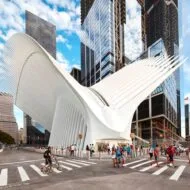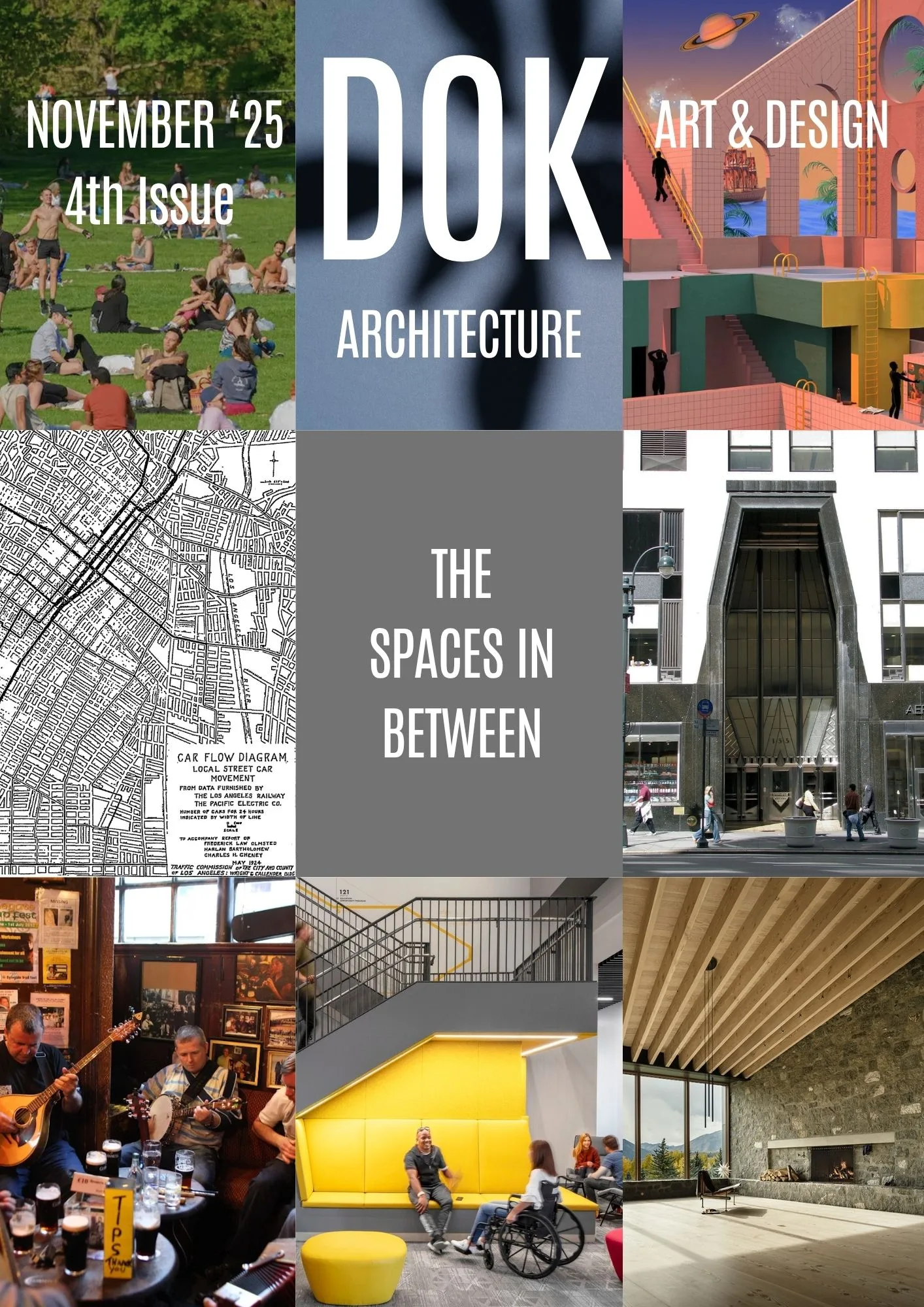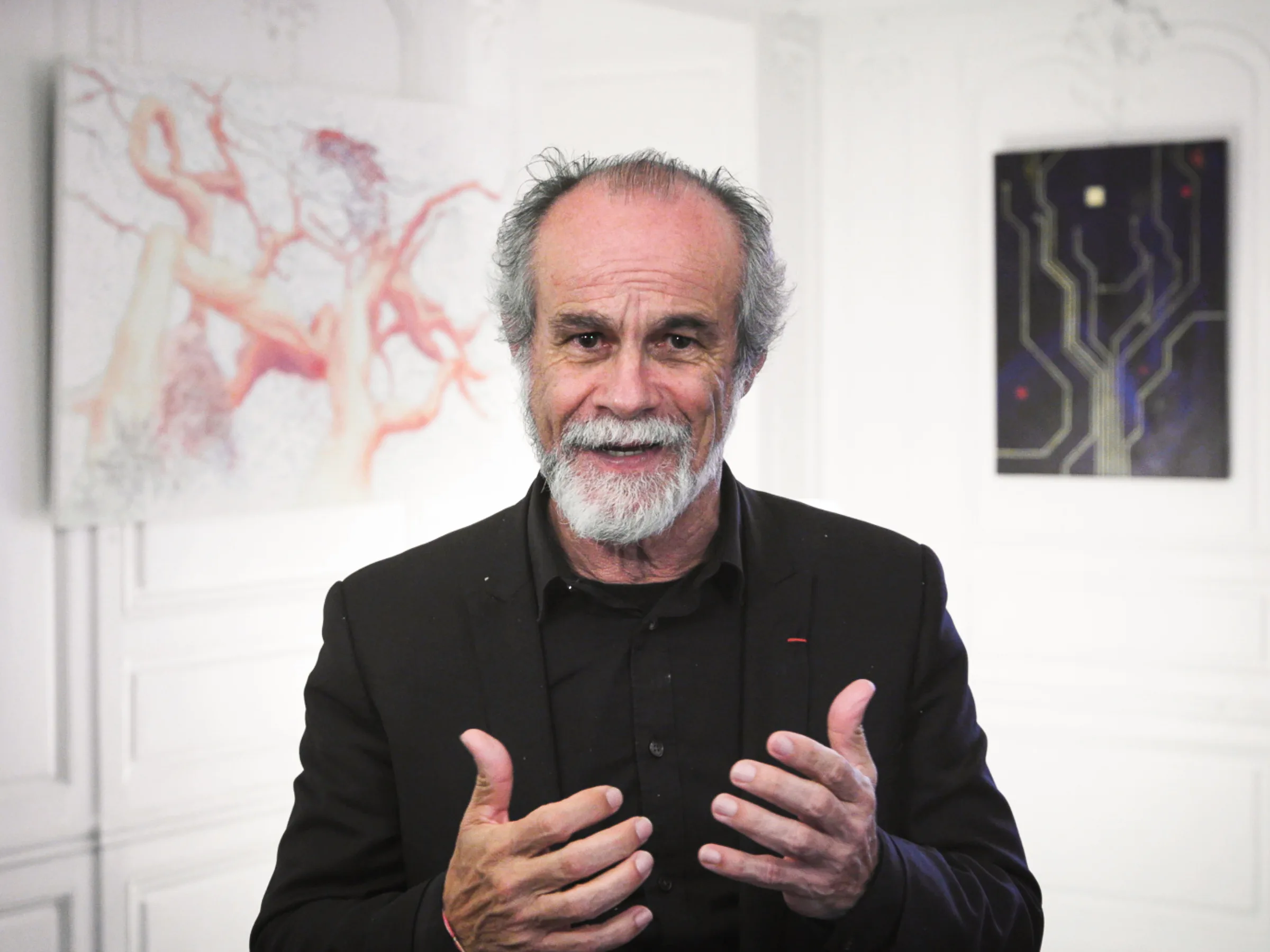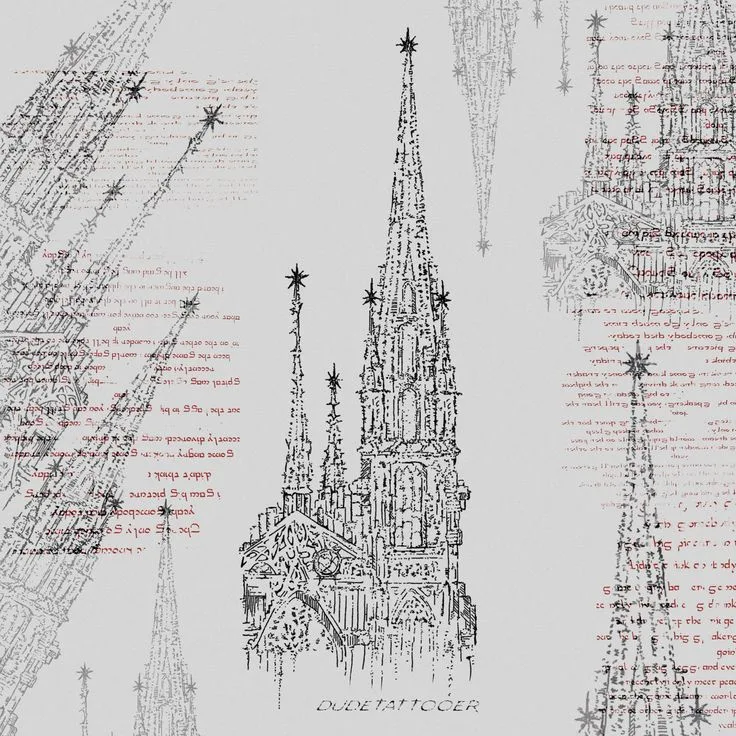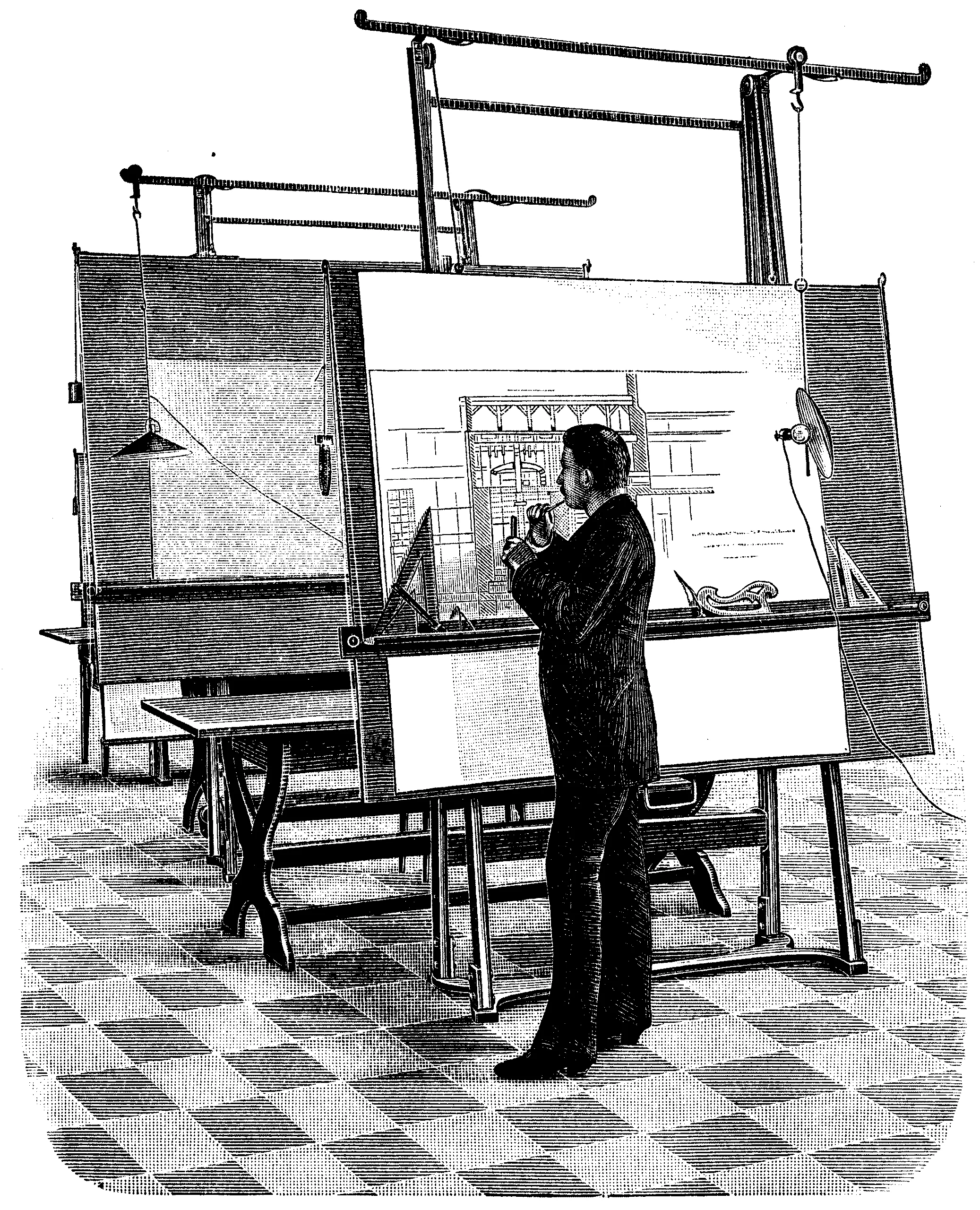


Doomscrolling is a cultural atmosphere system that permeates screens, streets, and rooms in a constant state of alarm. It causes narrowed attention, increased stress, and changes in how people move, wait, and gather. Architecture cannot correct this flow, but it can broaden perception, slow the pulse, and restore scale. Therefore, the built environment is important in the age of endless scrolling.

Noah Dreiblatt’s album Doomscrolling brilliantly represents the passage of time symbolized by newspapers that take over our identities.
For more information, see here:
https://noahdreiblatt.bandcamp.com/album/doomscrolling
The Psychological Landscape of Doomscrolling and the Built Environment
What is “doomscrolling” and how does it emerge in modern societies?
Doomscrolling is the compulsive habit of consuming negative news online. This concept, which became a common term during the pandemic, refers to a cycle of renewal and fear. In public life, it manifests as faces pressed against windows, queues, fragmented attention on public transport, and an atmosphere of general anticipatory stress that lasts longer than a single headline. This term describes both a behavior and a mood that permeates a space. This means that designers inherit its consequences in lobbies, squares, and homes.

The emotional and cognitive effects of constant negative news on individuals and communities
Repeated exposure to crisis media can trigger acute stress responses even in people who are distant from the event, meaning that distress spreads through networks into daily life. Graphic content intensifies this effect and is associated with stress symptoms and poorer functioning after viewing. Limiting social media use has been shown to improve mental health in young adults, suggesting an environmental opportunity: spaces that interrupt this exposure can preserve attention and mood.

How can urban and architectural environments amplify or mitigate these effects?
Urban life increases neural sensitivity to social stress, so environments with high levels of noise, surveillance, and bright lights can amplify the mental burden triggered by doomscrolling. In contrast, encountering nature reduces thoughts, and access to green spaces is associated with widespread mental and physical health benefits across all population groups. Architecture becomes a public health tool when it replaces sensory overload with shelter, edges with views, and asphalt with shade.
The role of digital media and physical space in the formation of collective identity
Digital platforms create “networked public spaces,” which are new domains where identity is formed and displayed, but these are not placeless phenomena, as the atmosphere of these spaces also permeates cafes, campuses, and streets. Physical “third places” give this identity a civic structure by hosting everyday relationships, weak ties, and daily rituals that make belonging permanent. When carefully maintained, like social infrastructure and public services, they offer people a real place to come together, strengthening resistance to polarization and fear.
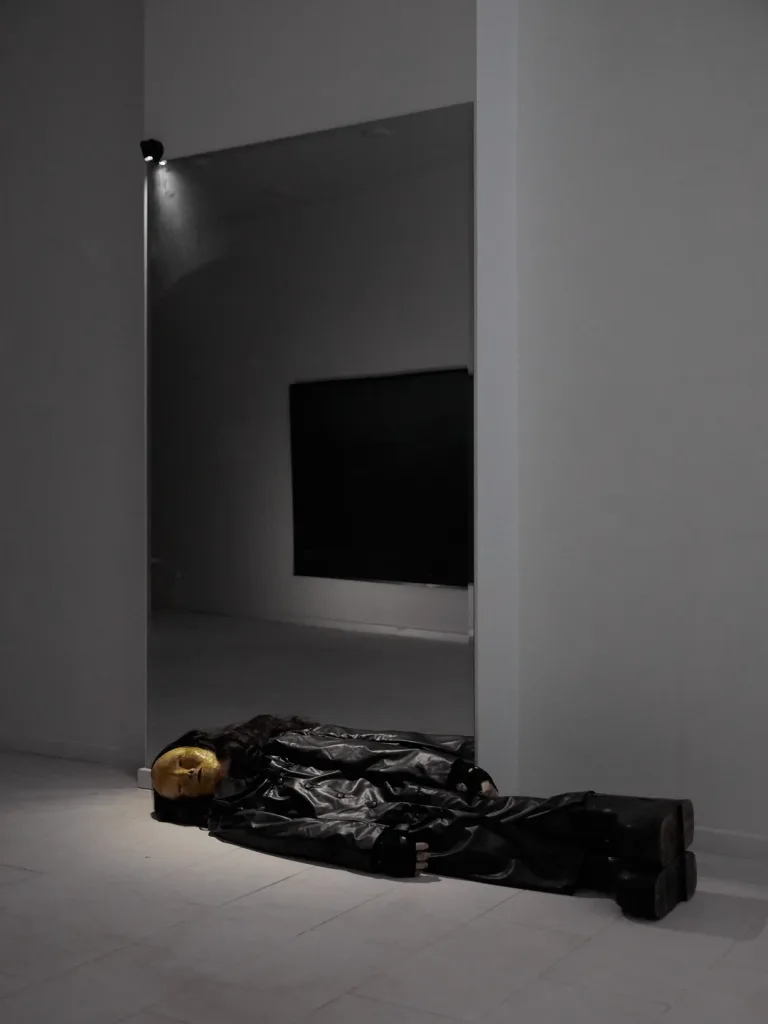
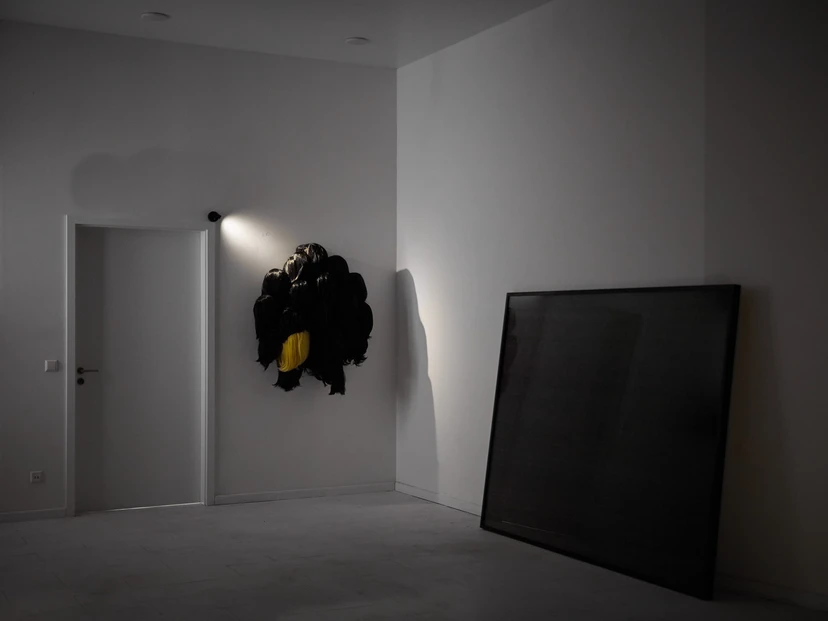
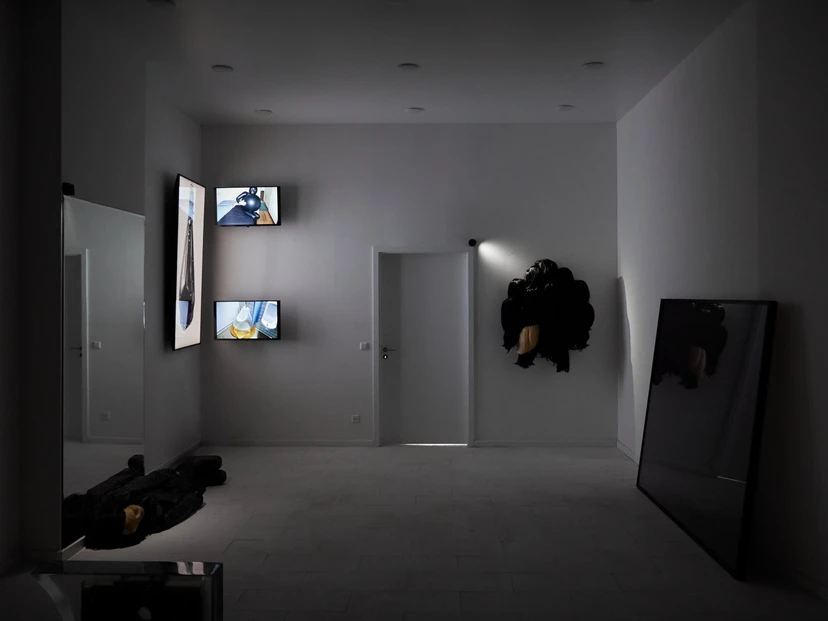
Doomscrolling 032c
The group exhibition titled “doomscrolling” held at 032c Gallery brings together several contemporary artists exploring the compulsive consumption of images in today’s digital culture. Focusing on the phenomenon of endlessly scrolling through often negative media content, the exhibition examines how constant exposure to visual content blurs our ability to distinguish meaningful images from meaningless ones.

The exhibition questions how context shapes the meaning of what we now see online, rather than the content itself. It explores the psychological and cultural effects of this constant visual overload and the anxiety-ridden digital behaviors that define modern life.
Accessibility, Friendly Cities, and Architectural Interventions
Defining accessibility and friendly urban environments from an architectural perspective
Accessibility means that people can approach, enter, move around, use, and safely exit buildings and public spaces on equal terms, regardless of their abilities. In practice, this is expressed through standards such as ISO 21542 and rights frameworks that require access to the physical environment, transportation, and information for full participation in civic life. Universal Design aims to create environments that appeal to the widest audience by redefining this as a fundamental quality rather than a special addition. A friendly city aligns with the WHO’s age-friendly spaces by extending this logic to streets, services, and governance, linking design to participation, safety, and health.
The importance of walkability, human-scale design, and sensory richness for mental health
Walkable environments support daily movement associated with a reduction in depressive symptoms, even below the legendary 10,000 steps or even the modest 7,000 steps. Human-scale streets make walking and lingering safe and understandable, while proximity and mixed uses enable social contact that benefits mood and cognitive function. Sensory-rich encounters with nature provide a “soft enchantment,” allowing for a reset of attention and a reduction in stress. Reducing hostile stimuli such as environmental noise is also important, as chronic noise is linked to sleep disorders and poor mental health.
Case studies of architectural projects that promote discovery and exploration in cities
Superkilen in Copenhagen treats a linear park as a catalog of global objects, transforming daily strolls into cultural discoveries across three distinct zones. Seoullo 7017 in Seoul transforms a highway overpass into a walkable arboretum that reconnects neighborhoods and showcases the city’s layered landscapes. Rotterdam’s Luchtsingel is a crowd-funded pedestrian bridge that connects separate areas and offers fun detours over infrastructure. Bangkok’s Benjakitti Forest Park transforms an old tobacco factory into a sponge city landscape with elevated walkways, allowing residents to discover wetlands within the metropolis.
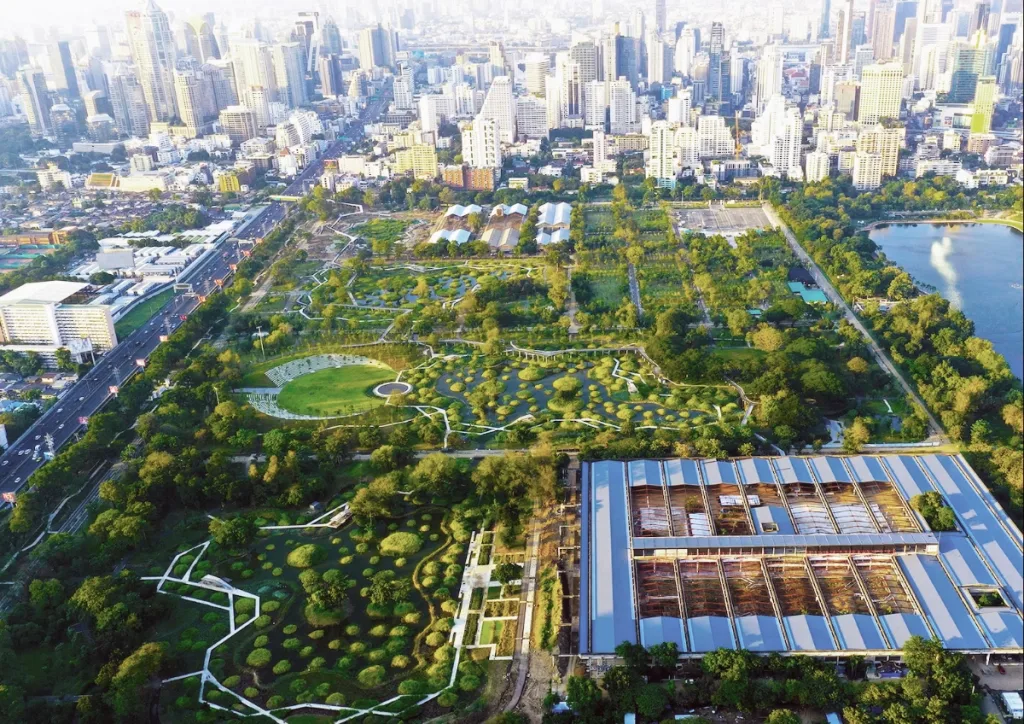


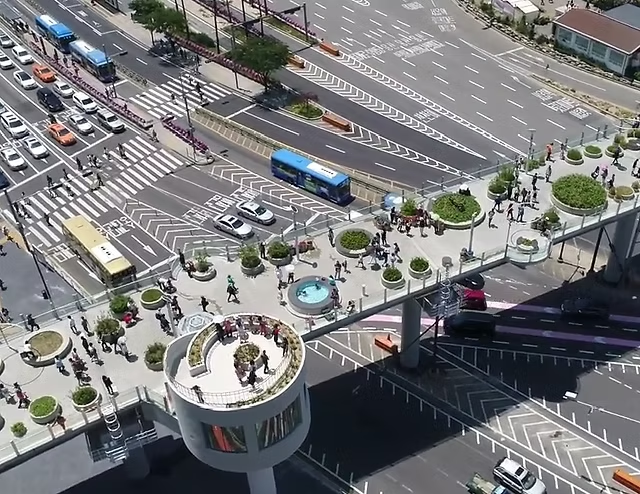

How can design actively counteract the isolation caused by doomscrolling?
Cities can promote daily togetherness by multiplying “third places”—spaces where people gather without the need for appointments or purchases—from libraries and small squares to community rooms in transportation hubs. Investing in social infrastructure strengthens resilience by providing communities with reliable spaces for weak ties, shared rituals, and mutual aid. Public space programs and small, repeatable invitations for interaction, when combined with people-centered arrangements, can measurably increase social connections. Global health organizations now address loneliness as a public health issue. This positions design as a preventive tool through proximity, visibility, and warm welcome.
Cultural Barriers, Identity Loss, and Architecture of Belonging
How do cultural norms and social structures shape the urban experience and access?
Cities are not neutral spaces; they code who belongs through laws, traditions, and everyday designs. For example, gender-based safety norms determine which streets are “acceptable,” when it is safe to stay out, and who is monitored or welcomed in public spaces. Rights-based frameworks argue that equal access to streets, services, and information is not a personal privilege but a civic right. The result is clear for designers: spatial choices either reproduce exclusion or rebalance towards participation.
The phenomenon of identity erosion under global media saturation and urban homogenization
As food culture becomes increasingly reduced to trends, cities face the risk of reflecting this reduction through interchangeable retail stores and generic interiors. Theory refers to this as displacement and the rise of “displacement”; here, while transportation and commerce dominate, memory and meaning weaken. Retail studies on “clone towns” measure the loss of distinct local character on main streets, demonstrating that homogenization is a lived reality. Algorithmic curation can intensify this effect by narrowing what communities see, making spatial differentiation more urgent.
https://en.wikipedia.org/wiki/Clone_town
Architecture’s potential to restore or preserve cultural identity through space and place
Place-based projects demonstrate that identity can be rebuilt not as a museum piece, but as a public asset. In Bahrain, the Revitalization of Muharraq project has transformed restored divers’ houses, workshops, and new civic spaces into a walkable “pearl diving” story that draws families back and rebalances the town’s social life. On Canada’s Fogo Island, a network of inns and art spaces run by a charity treats local crafts, fishing culture, and employment as parts of a single architectural ecology. In Liverpool’s Granby Four Streets area, a resident-owned land trust and phased renovations have transformed abandonment into a shared work of art, proving that governance, production, and the memory of a place can be carried forward.

Designing inclusive environments that resist the flattening effect of apocalyptic narratives
When culture is approached as a living right, the sense of belonging is strengthened. Therefore, international policy protects diversity of expression and asks cities to integrate it into daily life. Participation is fundamental to this process: moving from consultation to collective power invites people to shape the spaces that shape them, and research shows that collaborative design often increases the inclusion of those who are typically excluded. Public space policy now frames inclusivity as infrastructure and encourages municipalities to plan a network of accessible, welcoming spaces that can fearlessly accommodate differences. The built environment becomes a counter-narrative by amplifying voices, enabling communities to see themselves, and leaving room for as-yet-unseen futures.
Practical Strategies for Architects and Urban Designers: From Theory to Structure
Designing built environments that resist adversity and promote resilience
Start with salutogenic design, which focuses on health and uses space to foster a sense of coherence: everything feels understandable, manageable, and meaningful. Incorporate public space concepts like Healthy Streets indicators, which place people’s stress, safety, and comfort at the heart of street decisions. Combine these with trauma-informed design so that buildings reduce chronic stress and prevent the re-triggering of harm. Use WELL’s Mind concept and biophilic patterns as operational checklists that link policy, programs, and spatial cues to mental well-being.

Frames for designing built environments that resist adversity and promote resilience
Start with salutogenic design, which prioritizes health and uses space to foster a sense of coherence: everything feels understandable, manageable, and meaningful. Incorporate public space concepts like Healthy Streets indicators, which place people’s stress, safety, and comfort at the heart of street decisions. Combine these with trauma-informed design so that buildings reduce chronic stress and prevent the re-triggering of harm. Use WELL’s Mind concept and biophilic patterns as operational checklists that link policies, programs, and spatial cues to mental well-being.
Kayla Mattes: DOOMSCROLLING
DOOMSCROLLING is an exhibition by artist Kayla Mattes that examines our obsessive relationship with digital culture. Using handwoven tapestries, she transforms memes, TikToks, apps, and the ephemeral content of the internet into slow, analog works that humorously yet critically reflect how technology shapes our lives.
https://broadmuseum.msu.edu/exhibition/kayla-mattes-doomscrolling


Photos: Vincent Morse/MSU Broad Art Museum.
The exhibition highlights the dual nature of weaving and the impact of the Jacquard loom on early computers, revealing the historical link between weaving and computer science, while also pointing out that weaving has traditionally been considered “women’s work.”
Mattes’s works encourage viewers to pause, observe, and reconsider the frenetic pace of online life, reminding us of the tangible roots behind our digital world.
The exhibition was curated by Rachel Winter at the MSU Broad Art Museum as part of the Artist Project Series.
Measuring the impact: How can we assess whether the forms actually reduce anxiety, increase discovery, and support identity?
Create a compact assessment stack: a Post-Occupancy Evaluation to collect behavior and comfort data, a comparative BUS survey for user experience, and shared protocol-based counts of public life on the street. Monitor mental health using short, validated tools such as the WHO-5 and track social connections using the UCLA Loneliness Scale, then compare pre- and post-relocation or pre- and post-intervention conditions. Observe exploration and belonging behaviors through the mapping of legibility and dwell indicators, path, edge, node, area, and symbol structures, counting dwell times, seating times, and daily interactions. Complete the cycle by publishing the results and feeding them into the next cycle briefing, making the project learnable to the public.
Architectural responsibility in an era dominated by digital intensity
Note that connection and respect are considered part of health, safety, and well-being; professional standards define these as obligations to the public and the environment. Evaluate social value alongside cost and carbon, and make the benefit to society measurable and reportable through recognized tools.
Design spaces that broaden perception, reduce background stress, and make belonging a routine rather than a rarity.
Discover more from Dök Architecture
Subscribe to get the latest posts sent to your email.