




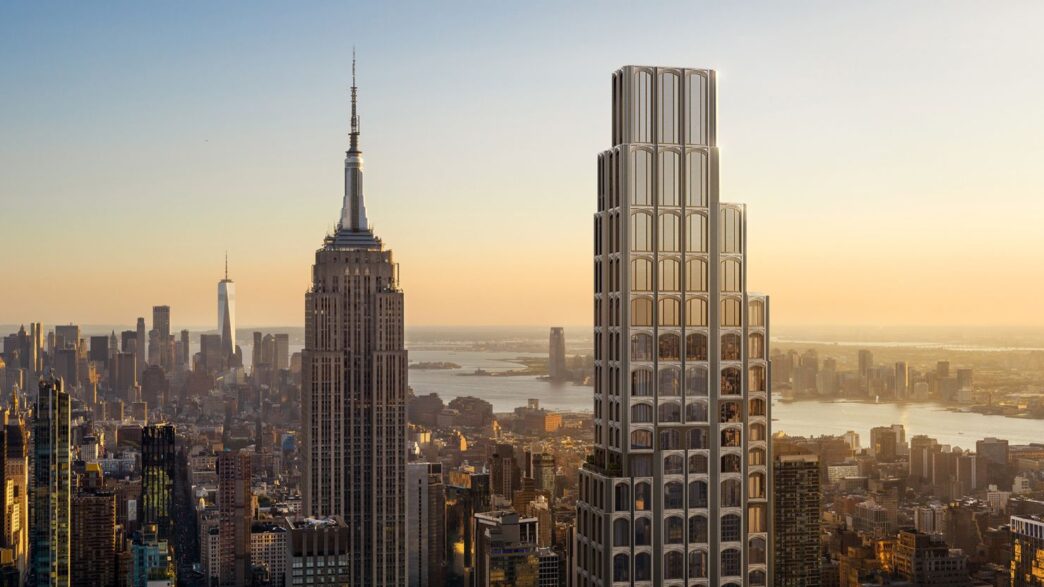
21st-century architecture is built not with bricks and mortar, but with data, ethics, and policy. Beyond the cranes and rising structures that are changing the skyline of our cities, a silent revolution is rewriting the DNA of the profession. This revolution is redefining the most fundamental rules of architecture, from an architect’s ethical responsibilities to the definition of a “good” building.
Behind this visible physical change lies a much deeper and more fundamental transformation. This change is not just about aesthetic preferences or new materials; it is reshaping the very essence of the profession in response to society’s most urgent demands. An architect’s job is no longer limited to designing a beautiful structure that meets the client’s wishes.
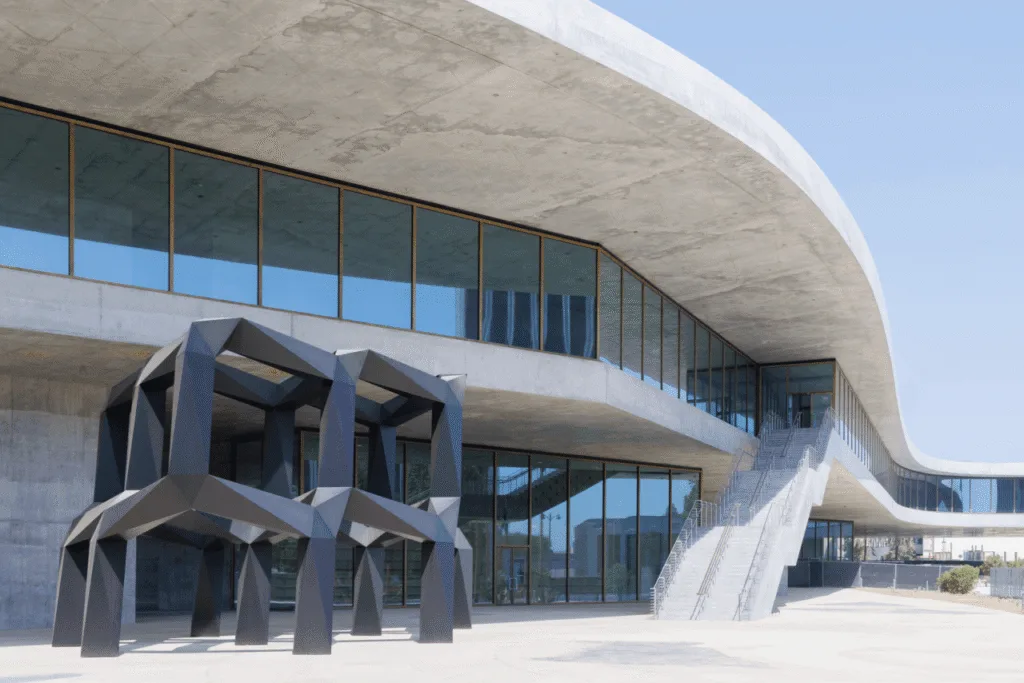
The purpose of this article is to highlight the most significant and surprising changes currently taking place in the world of architecture and construction, based on recent global reports and policy changes. These developments have the power to permanently alter how our buildings are designed, constructed, and how we live within them.
The 2026 Architectural Paradigm
The Role of the Architect is Changing Fundamentally
The architect’s traditional role is evolving into a position that goes beyond aesthetics and customer service, managing significant risks and increased oversight, often perceived as “thankless.” The architect continues to be the “customer’s first point of contact,” entrusted with the entire design and construction process. This expanding area of responsibility is being formalized by new professional regulations such as the UK’s 2025 ARB Code of Conduct and the American Institute of Architects’ (AIA) Code of Ethics.
These new rules require ethical changes that fundamentally redefine the architect’s professional duties:
- Public Safety and Environmental Justice: Architects now have a clear responsibility to promote justice, safety, and environmental equity in matters such as access to clean air and water for all. The new rules state that it is the architect’s duty to design buildings to be resilient to climate change (AIA E.S. 2.4).
- Sustainability Becomes a Requirement: Regulations require architects to set ambitious goals for reducing greenhouse gas emissions, conserving water, and using non-toxic materials (AIA E.S. 6.1, 6.2, 6.3, 6.5).
- Financial and Social Responsibility: This evolution shifts the architect’s role from “artistic autonomy to social stewardship.” The architect is now positioned as a guardian of public safety and human rights (The 2026 Global Architectural Paradigm).
This change is significant because it legally redefines the profession to meet society’s urgent demands for a safer, fairer, and more sustainable built environment. This demonstrates that the architect’s role has irreversibly evolved from an individual artistic expression to a collective social responsibility.
3.Governments Are Hiring “Design Directors” for Cities
Contrary to the common approach of leaving architectural quality to market forces or basic zoning laws, a surprising trend has emerged in recent years, with governments appointing “State” or “City Architects” to defend design quality.

One of the best examples of this approach is the position of “Bouwmeester” (Flemish Government Architect) in the Netherlands. This role aims to improve the quality of public buildings by offering high-level expertise, developing a long-term spatial vision, and using tools such as “Open Calls” to select designers for public projects (Architecture Policies in Europe).
This successful model has also influenced regions such as Brussels and Ghent in Belgium, as well as Ireland, which established the position of “State Architect.” These roles utilize “soft power” tools rather than merely imposing restrictive regulations. They aim to shape preferences and build a culture that values good design through public-private partnerships such as design awards and the Danish Architecture Center.
The significance of this trend lies in its representation of governments making proactive investments in creating high-quality living environments. This is the clearest evidence that architecture is no longer seen merely as a specialized service but also as a proactive public policy tool.
3. “Green” Buildings Can Accidentally Become More Dangerous
Have you ever considered that efforts to make a building ‘greener’ could inadvertently make it more dangerous? The idea that improvements aimed at increasing energy efficiency could lead to unexpected negative health outcomes highlights the complex systemic relationships within the architectural world. The fundamental problem is this: When existing buildings are more tightly insulated to improve energy efficiency, they can trap indoor air pollutants such as radon gas seeping from the ground. This can “unintentionally exacerbate radon accumulation.”
According to experts, the best approach is an integrated design framework based on the principle of “Prevention Comes Before Mitigation.” This framework requires architects, engineers (mechanical, geotechnical, facade), and radon specialists to collaborate from the very beginning of the project. This integrated approach involves designing robust building envelopes and mechanical ventilation systems that account for radon from the outset, rather than adding a specialized radon mitigation system later.
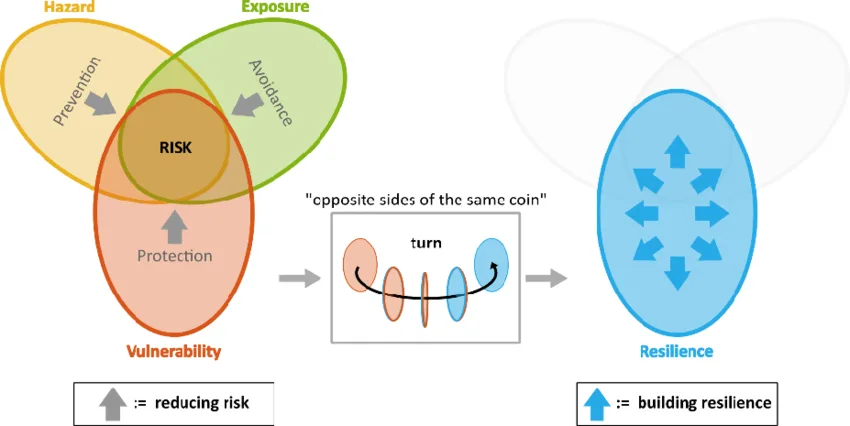
A resilience lexicon shaped by context: Review of resilience-related terms for critical infrastructures – Scientific paper on ResearchGate.
Source: https://www.researchgate.net/figure/Difference-and-overlap-between-reducing-risk-and-building-resilience-Each-risk-reducing_fig3_368392719 [Accessed on: January 6, 2026]
This situation highlights the most fundamental challenge of 21st-century architecture: systemic thinking. The buildings of the future must be designed not according to a single metric (such as energy efficiency), but as interconnected networks of health, safety, and sustainability.
4. Your Car Will Power Your Home: V2X Technology
The homes of the future are no longer just energy-consuming structures, but are also becoming energy storage facilities that are part of a smart grid. V2X (Vehicle-to-Everything) technology is transforming electric vehicles (EVs) into “wheeled power banks.”
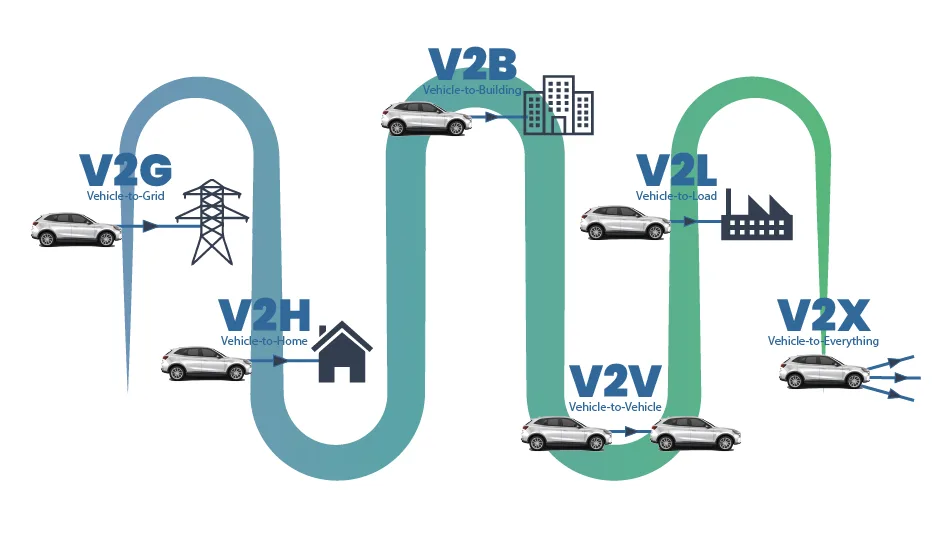
Thanks to this technology, your vehicle will be able to power your building during emergencies or when energy demand peaks. In the 2026 paradigm, architects will have to design buildings not just as “places to park cars,” but as resilient energy centers capable of two-way energy sharing with vehicles.
“The future is not just about solar panels, electric vehicles, or batteries; it’s about all of them working together intelligently.”
5. The Architect’s Lifeline in an Economic Crisis: Social Media
This profound transformation in the architecture profession is evident not only in ethics and politics, but also in the most fundamental business practices. As global economic downturns reduce project investments and increase competition, architectural design firms (ADFs) are turning to social media as a key business tool for survival. This situation shatters the perception of architecture as a pure art form, revealing it to be a business sector that must adapt to economic instability with modern and accessible tools.
The findings of a study on architecture firms in Egypt clearly illustrate this reality: The top strategies firms use to promote themselves are identified as “generating potential customers” and “attracting potential customers.” The most effective platforms for achieving these goals are Instagram and Facebook. However, the two biggest challenges companies face on social media are “limited resources” and “creating visual content.”
The quote emphasizing the importance of strategic change is as follows:
This shows that social media marketing can ensure growth and stability in challenging economic conditions.
It proves that architecture, like all other sectors, needs to embrace modern marketing tools against economic fluctuations and that social media plays a vital role in this process.
6. “Volume” Design and Mobility in Small Houses
In the world of 2026, where square meter prices have reached astronomical levels, “small houses” are becoming more than a necessity—they are a design marvel. The issue is no longer about space, but about managing volume and function.
Approaches like “Never Too Small” offer a fully functional living space in 30-40 square meters through movable walls, foldable furniture, and multi-purpose areas. This new design language proves that space is not a static box but a fluid organism that adapts to the user’s needs.
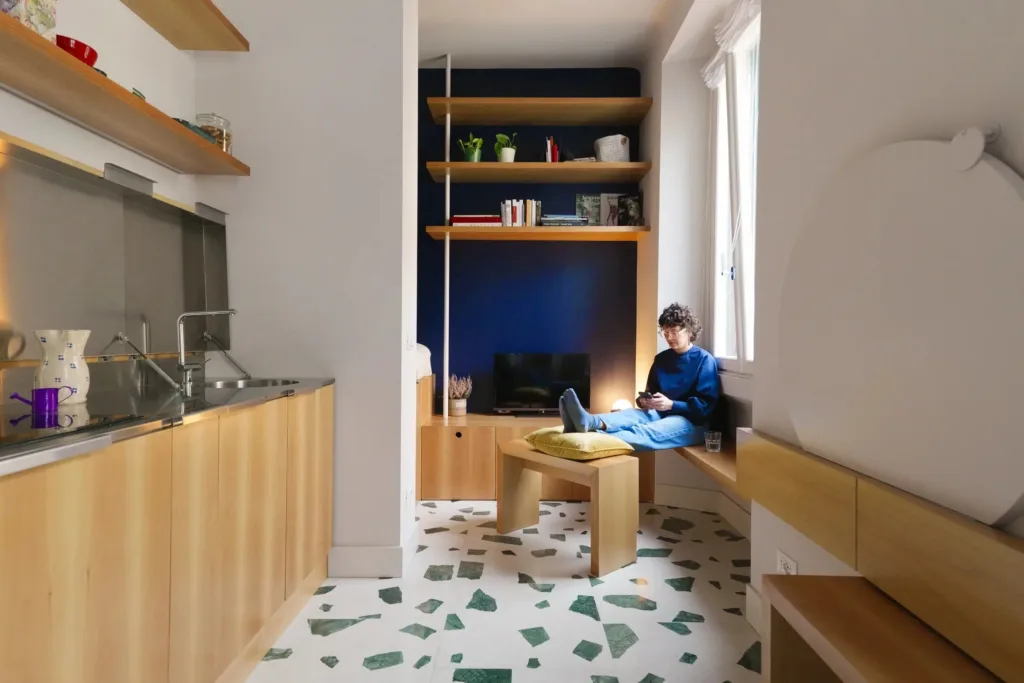
Never Too Small – Vol.2
“Small dwellings should not be labeled as ‘small’ as long as they meet user needs; what really matters is volumetric design.”
7. The Biggest Obstacle to Smart Construction Sites Is Not Technology, It’s Trust
The assumption that technology is the main driving force behind progress in the construction industry is quite widespread. Although advanced methods aimed at increasing efficiency, such as Lean Construction (LC) and Digital Visual Management (DVM), are increasingly discussed, it has become clear that the biggest obstacles to implementing these systems are not technological, but cultural and human.
Case studies on DVM in Finland identified the fundamental barriers as “lack of trust among project members” and “a shared culture of withholding information.” Similarly, research on the adoption of Lean Construction in Kuwait showed that the principle with the lowest score was “Culture/People,” confirming that behavioral aspects are the biggest obstacle.
No matter how much the legal and ethical responsibilities placed on architects increase (as seen in Chapter 1), achieving these goals is impossible without a fundamental culture of trust and transparency on the construction site. Revolution starts with regulation but is won through culture.
8. The New Formula for Affordable Housing: “Smart Luxury”
Governments are laying the groundwork for quality living environments by appointing ‘Design Directors’ (as mentioned in Section 2), while architects are responding to this call by transforming these new policies and economic incentives into tangible, livable spaces they call ‘Smart Luxury’. In the fight against the 2025 global housing crisis, architects are developing a new design solution called “smart luxury” or “smart housing.” This approach redefines the concept of affordable housing by focusing on efficiency and smart design rather than sheer size.
The key features of this approach are:
- Smaller, more efficient floor plans, typically ranging from 450 to 700 square feet (approximately 42-65 m²).
- Features such as flexible partition walls, integrated home office corners, smart storage solutions, and planning that prioritizes natural light.
- An emphasis on low-maintenance materials and minimal ecological footprints to keep long-term costs low.
This movement does not represent a return to low-cost, basic housing, but rather embodies a philosophy that “respects budgets, preserves human dignity, and elevates daily life.” In this new era, architects are transforming economic changes and policies into meaningful, livable spaces for the next generation, “policy
9. Conclusion
As we can see, the world of architecture is undergoing a quiet but radical revolution, driven by new ethical responsibilities, proactive government policies, and a deeper understanding of the human-centered challenges posed by technology. The architect’s role is evolving beyond that of a designer to become a social steward, while buildings themselves are moving beyond mere shelter to become smarter, safer, and more equitable systems.
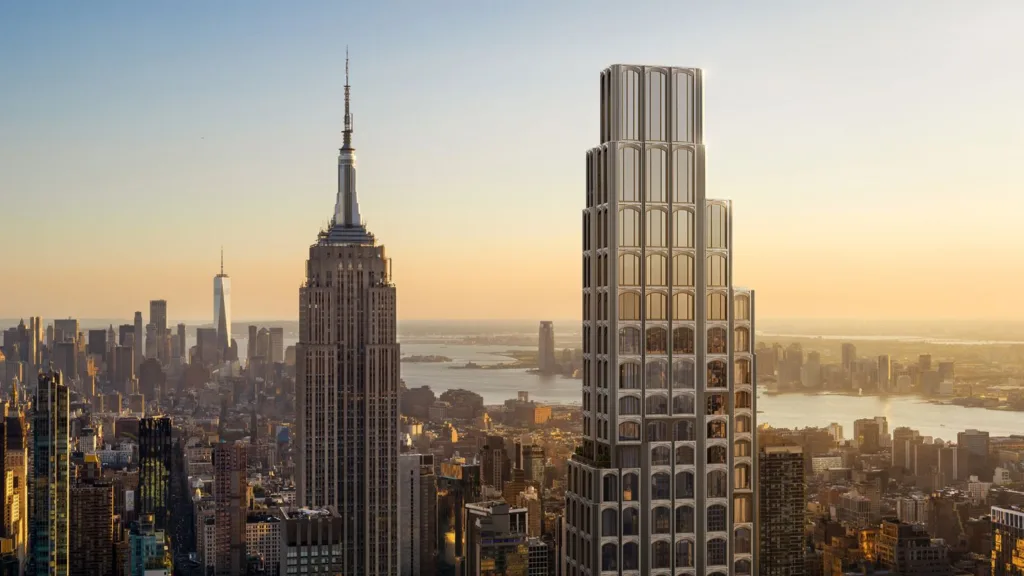
The architect of the future will have to be more of a systems integrator than an artist, more of a community steward than a service provider, and more of a trust architect than a technology user. These changes are shaping the fundamental dynamics that will determine the future of our built environment. So, as the architecture profession takes on the responsibility of shaping a more equitable, sustainable, and secure future, what would be the most important change you would like to see in the fabric of your own city?
Frequently Asked Questions
How does defining architecture as a “Human Right” and shifting ethical codes from “client interests” to “public benefit” redefine the architect’s social role and legal responsibilities?
Recognizing architecture as a human right ensures that the built environment is seen not merely as a technical product but as a fundamental necessity for individual well-being and health. Particularly in Brazil, the official inclusion of architecture and landscape architecture in this category requires every space to be evaluated as an area that promotes user health. With the new ARB Code of Ethics, effective September 1, 2025, architects are held directly responsible for the public interest, safety, and environmental stewardship, rather than client demands. This change transforms architects from mere designers into legal guardians of society and the ecosystem, extending professional responsibility beyond individual interests.
How do V2X (Vehicle-to-Everything) technology and smart energy management systems transform buildings from passive structures into dynamic energy storage and sharing centers at the city scale?
V2X (Vehicle-to-Everything) technology transforms electric vehicles from simple means of transportation into mobile energy storage units that interact with buildings and the grid. Thanks to this two-way energy flow, buildings can function as dynamic energy centers during times of increased energy demand or grid outages by utilizing vehicle batteries. Integrating electric vehicles into the system as “wheeled power banks” transforms buildings from passive structures into active components that provide city-scale energy resilience and flexibility. Thus, structures evolve from energy-consuming static boxes into living organisms that balance grid load and increase local energy autonomy.
How does the necessity of living in limited square footage force traditional “space”-focused design into a “volumetric and flexible design” paradigm based on movable partitions and multi-purpose use?
Urban density and rising land costs are forcing architectural design away from the traditional square-meter-focused approach toward a new paradigm based on volume and function management. Approaches such as “Never Too Small” demonstrate that a fully functional life is possible in 30-40 square meter spaces through flexibility and mobility strategies. Movable walls, foldable furniture, and multi-purpose spatial concepts are breaking down the static box mentality, creating fluid spaces that adapt to user needs. This new design language has become a necessity, maximizing user comfort and functional efficiency even in constrained spaces.
The 2026 “Great Alignment” process: How does it integrate technologies such as digital twins, BIM, and artificial intelligence beyond being mere tools into a cohesive whole aligned with sustainability and social justice goals?
The 2026 “Great Alignment” process transforms technologies such as artificial intelligence, BIM, and digital twins from individual tools into an integrated system where sustainability is the primary quality criterion. In this process, digital and physical workflows become inseparable, and technological integration is directly synchronized with sustainability and social justice goals. BIM is no longer just a design tool; it functions as a data center that manages the entire life cycle of a building, from design to demolition. The built environment is being reimagined as a living ecosystem that continuously optimizes itself, where data-driven decisions are blended with ethical values and social welfare.
Discover more from Dök Architecture
Subscribe to get the latest posts sent to your email.