

Rome, Italy: Baroque Scene
This city was rebuilt as a magnificent theater of faith and power. Baroque Rome is not merely a collection of buildings but a continuous, immersive performance in stone and space. The city itself becomes a stage; architecture, sculpture, and urban design converge to create an overwhelming emotional experience. It is an art of persuasion on a civic scale, designed to astonish pilgrims and proclaim the triumph of the Church.
Context: Rome’s Baroque Transformation
The stage was set with the Counter-Reformation and a profound need for renewal. Following the spiritual and material damage of the previous century, the Church in the 17th century sought to reestablish its central position and splendor. This was not merely a reconstruction but an intentional campaign of sensory propaganda. The city was to be reshaped as tangible proof of divine authority and a destination for the world’s faithful.
Papal Ambition: Patrons and Power
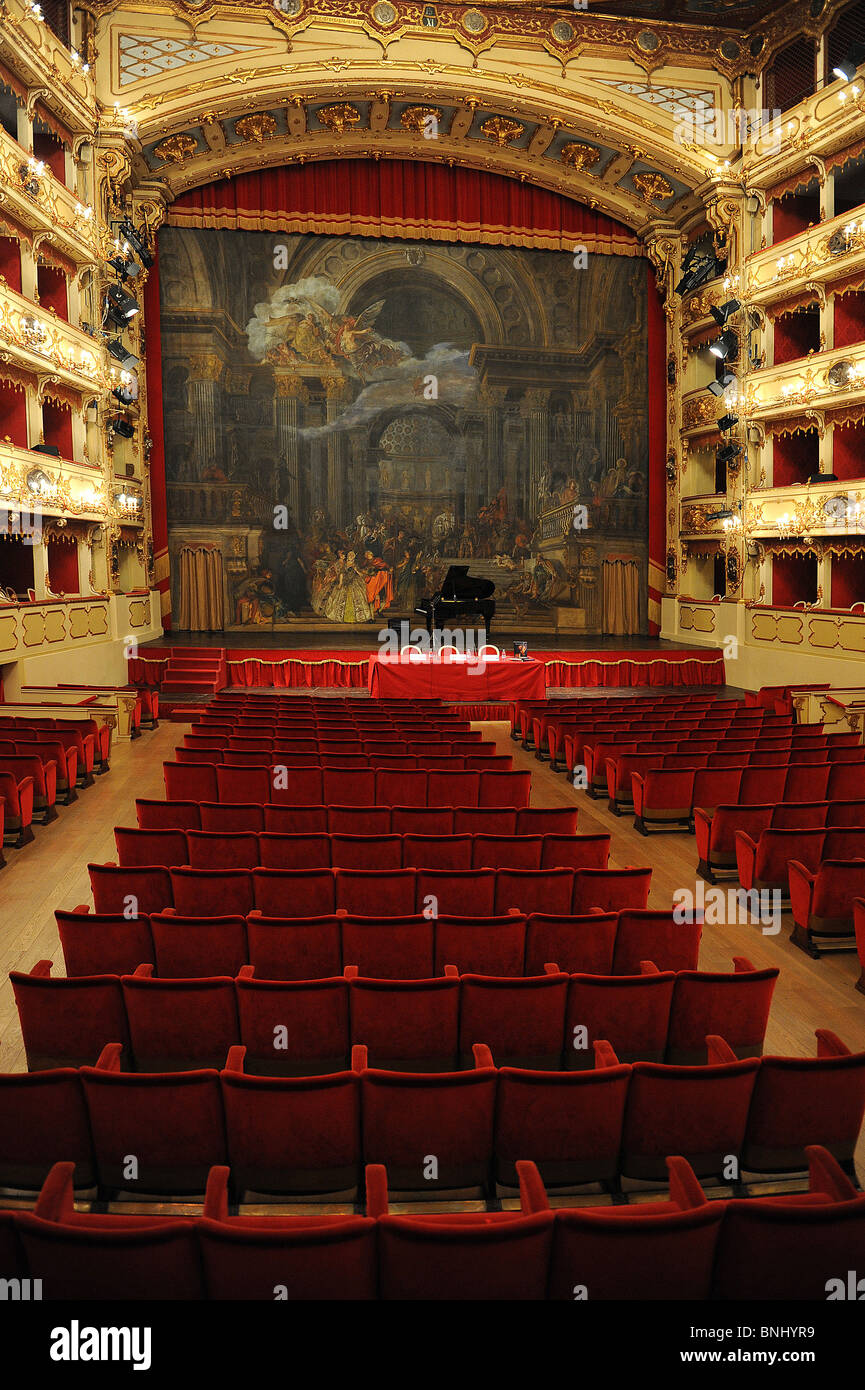
Baroque was fueled by the vision and treasury of successive popes who acted as supreme artistic directors. Figures such as Urban VIII Barberini and Alexander VII Chigi saw architecture as a direct extension of their spiritual and worldly authority. Their commissions were strategic investments in a legacy that would endure long after their pontificates. Each project served a dual purpose: to glorify God and to immortalize the patron’s family name in the sacred city.
From Renaissance Harmony to Theatrical Drama
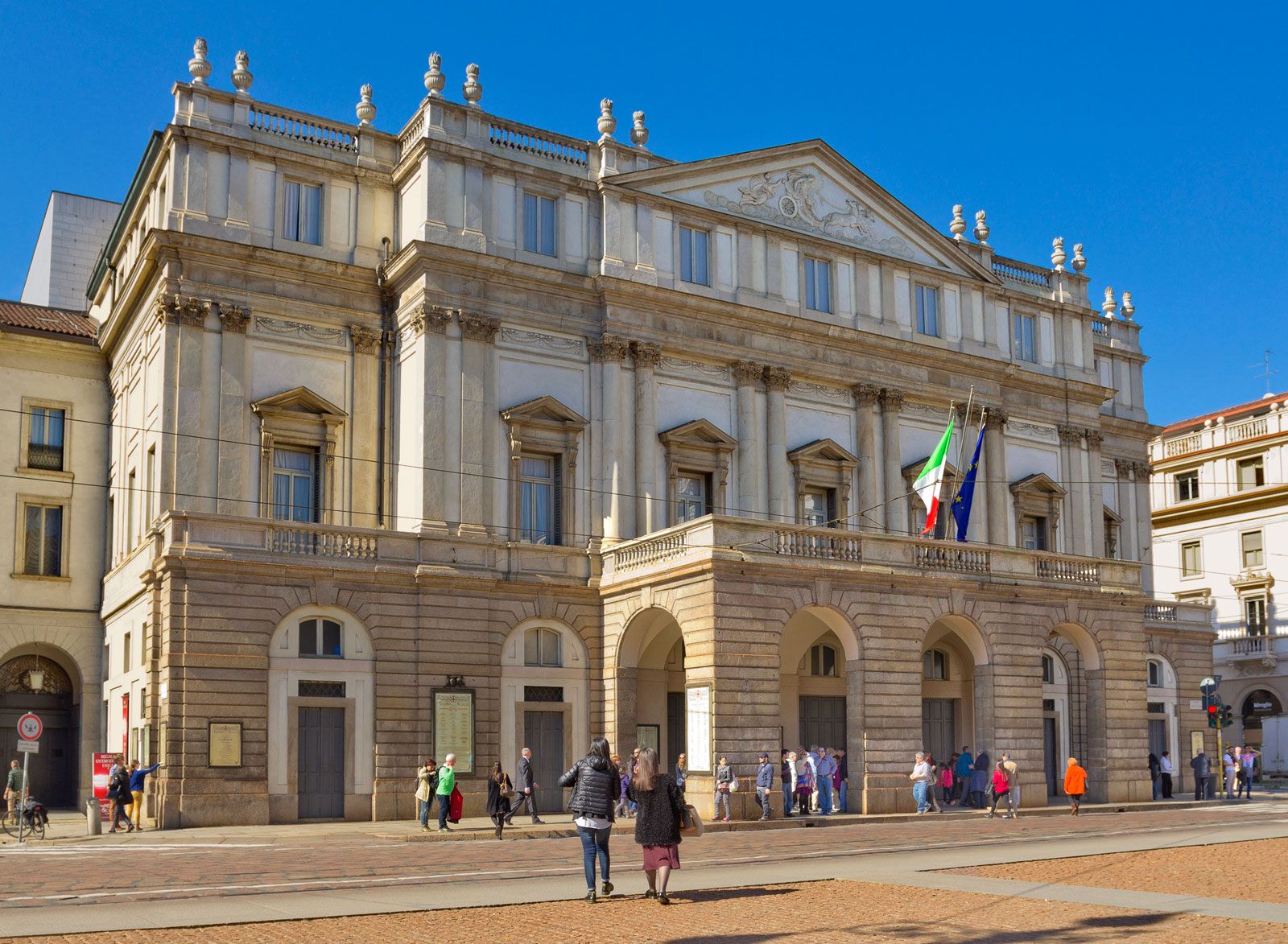
Baroque architects consciously moved away from the measured calm of the Renaissance. They replaced rational geometry with dynamic movement and intellectual balance with instinctual impact. Walls bend and flow, spaces expand and contract, and light is used like a dramatic actor. The goal was to shift from perfect proportion to emotional engagement, aiming to stir the soul rather than merely please the mind.
Urban Planning: Axes, Squares, and Fountains
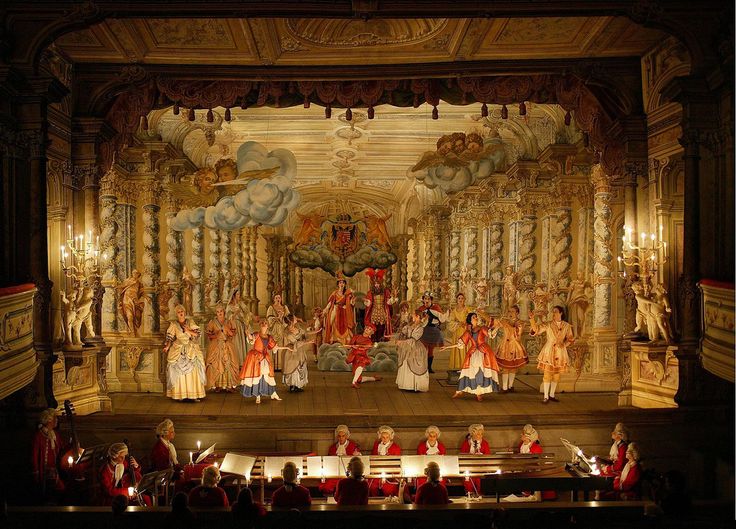
The Baroque mind saw the city as a flexible whole that could be shaped for processions and spectacles. Long, straight avenues were carved through the medieval fabric, linking major basilicas to impose order and direct movement. Squares became open-air rooms, embraced by colonnades like architectural arms. Fountains did more than supply water—they transformed urban nodes into lively theaters, monumental centers of myth and sound.
Important Architects: Bernini, Borromini, and Cortona

Gian Lorenzo Bernini was a master of grand gestures, blending sculpture and architecture into a seamless narrative of exuberance. His rival, Francesco Borromini, was a tormented genius of form, using complex geometry to create undulating, restless facades and domes that seemed to stretch toward the heavens. Pietro da Cortona translated this dynamism onto painted ceilings, transforming vaults into visionary skies. The rivalry and brilliance between them defined the language of the Roman Baroque style.
Stone-Crafted Masterpieces: Defining Baroque Structures
Baroque architecture is a physical manifestation of the dramatic shift in consciousness. Moving beyond Renaissance balance, it draws the viewer into an emotional and spiritual narrative. These structures are not static objects but dynamic experiences that inspire awe through the use of light, shadow, and intricate geometry. They represent a world in motion, where theatrical stones make the divine tangible.
Aziz Petrus Square: Bernini’s Embrace of the Faithful
Gian Lorenzo Bernini designed this square as a pair of colossal arms extending from the basilica. The wide colonnades, rather than enclosing, gather and symbolize the welcoming embrace of the Catholic Church. This architectural gesture transforms the open space into a social structure, allowing each pilgrim to feel individually acknowledged. Here, building and city engage in a sacred dialogue—an urban theater.
San Carlo alle Quattro Fontane: Borromini’s Geometric Complexity
Francesco Borromini designed this small church as a rebellion against straight walls and right angles. The façade undulates with a rhythmic concave and convex movement, as if it were breathing. The interior dome is like a complex honeycomb of crosses, octagons, and hexagons that geometrically converge into a single luminous oval shape. This is an architecture of profound intellectual puzzle, compressing cosmic order into an intimate chapel.
Trevi Fountain: Sculpture, Water, and Spectacle
This monument transforms a water source into a civic stage by merging urban infrastructure with mythological drama. Oceanus, presiding from a palace facade over the chaotic uprising of tritons and horses, blurs the line between nature and artifice. The roaring water and polished stone capture the eternal motion of the sea itself. This is a public heritage where architecture performs for the city, encouraging participation through ritual and coinage.
Sant’Ivo alla Sapienza: A spiral reaching for the sky
Borromini’s lantern tower, crowning the simple courtyard of Renaissance logic, offers a startling ascent of the imagination. Its intricate spiral, reminiscent of a bee’s stinger and the Tower of Babel, coils upward with restless energy. This is architecture as a conceptual diagram, mapping the arduous journey of human knowledge toward divine wisdom. The structure feels less built than woven—a paradox in stone, of mathematical precision and celestial yearning.
Jesus Church: Prototypes of the Baroque Facade
This facade set the grammar for Counter-Reformation churches worldwide. By skillfully layering architectural elements, it draws the eye upward, from a broad sense of stability toward a focused spiritual pinnacle. The scrolls elegantly solve the problem of transitioning from a wide lower level to a narrower upper level. It heralds a new era in which architecture’s primary role is to directly convey power and piety to the street.
Baroque Tool Kit: Principles for Architects
This is the architectural language of emotion and persuasion. It transcends static Renaissance ideals to directly affect the audience’s body and soul. Its principles are the tools used to create vivid, meaningful, and immersive experiences. The goal is not merely to host an event, but to orchestrate a profound sensory and psychological occurrence.
Dynamic Motion: Curved Walls and Wavy Facades
Architecture is abandoning its rigid geometry to embrace the fluidity of movement. Walls swell and contract as if breathing, while facades ripple like stones caught in waves. This kinetic quality challenges the nature of solid material, making mass feel transient and dynamic. It transforms the building from an observed object into a full-body, felt experience.
Play of Light: Dramatic Lighting and Shadow
Light is no longer just a tool; it is the lead actor in architectural drama. Meticulously weaponized, it is directed from hidden sources to illuminate gilded surfaces or cloak adjacent spaces in profound mystery. This sharp contrast between brightness and darkness shapes form with emotional intensity, creating an atmosphere of divine revelation, where the sacred makes its presence tangibly felt in the celestial beams.
Gesamtkunstwerk: The Synthesis of Architecture, Sculpture, and Painting
Here, the boundaries between artistic disciplines dissolve into a single overwhelming medium. The ceiling transforms into a painted sky filled with ascending figures, while plaster saints spill from niches as if stepping into the room. This total work of art aims to eliminate rational distinctions and engage all senses simultaneously. It represents the ultimate ambition of creating a complete, alternative world within the confines of a built structure.
Illusionist Effects: Quadratura and Forced Perspective
These are masterful tricks that eliminate the distance between reality and imagination. Quadratura painting implies a realm beyond the physical world by expanding architecture into impossible celestial vaults. Forced perspective manipulates space, making short corridors feel like majestic, receding avenues of power. This calculated deception is not a lie, but a longing truth where art is used to point toward a higher, idealized reality.
Discover more from Dök Architecture
Subscribe to get the latest posts sent to your email.