
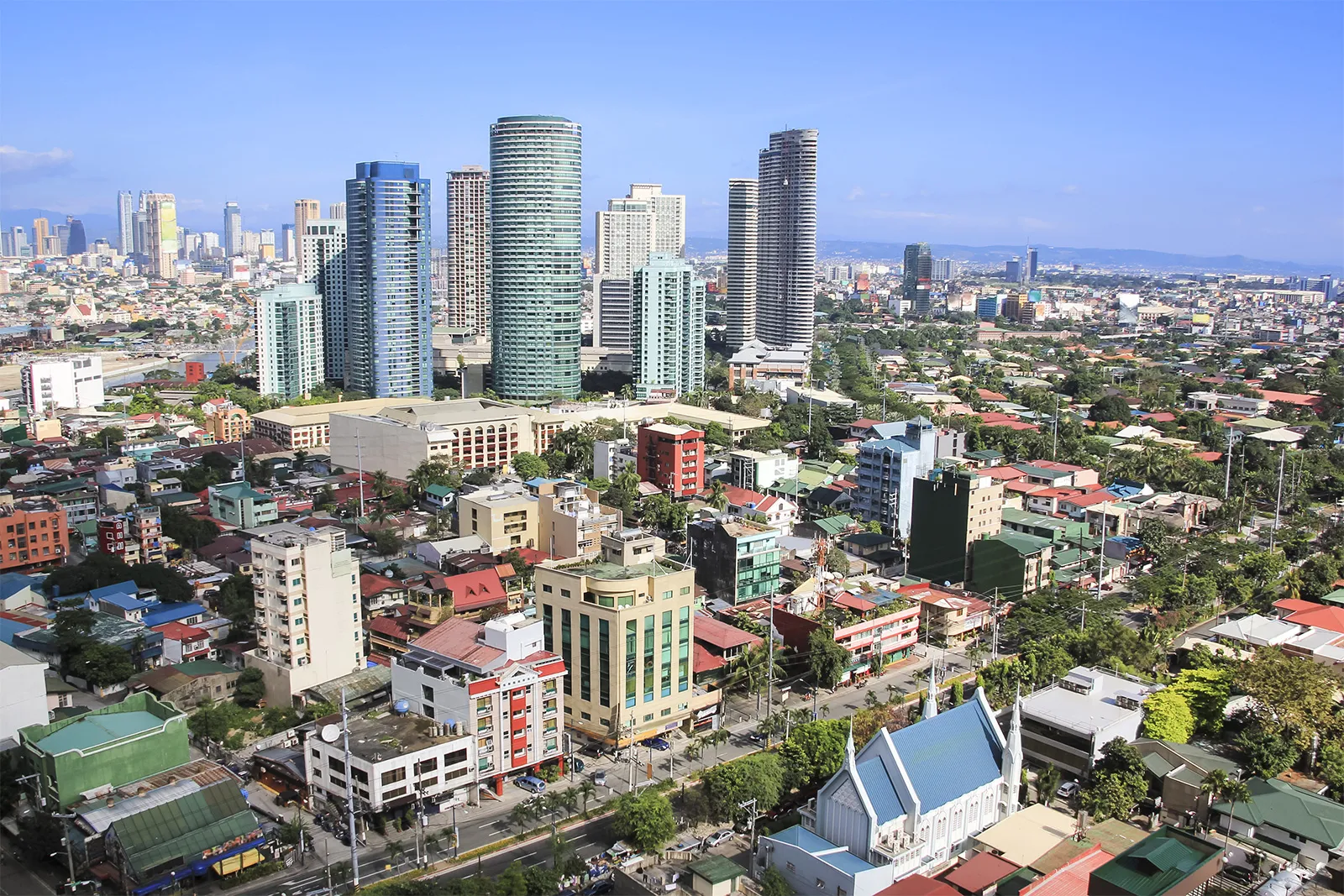
Manila, the vibrant capital of the Philippines, is a city where history and modernity intertwine. Its architectural landscape is a mesmerising narrative that reflects the country’s rich cultural heritage, colonial past and aspirations for the future. From ancient structures to contemporary skyscrapers, Manila’s architecture tells the story of its people and their resilience.

Historical Context of Manila Architecture
Manila’s architectural journey is deeply intertwined with its history. Each era has left an indelible mark on the city, resulting in a diverse and dynamic urban fabric. Understanding this context is crucial to appreciating the architectural evolution of the city and its significance today.
Pre-Colonial Architecture
Before the arrival of foreign colonisers, Manila was already a thriving settlement with its own architectural traditions. Indigenous buildings were primarily constructed of local materials such as bamboo, nipa palm and wood. The bahay kubo, a traditional Philippine house, exemplifies this period with its raised platform, thatched roof and open layout designed to accommodate the tropical climate. These houses were not only functional; they reflected a deep connection to nature and community, with spaces designed for family gatherings and communal activities.
The pre-colonial period emphasised the Filipino people’s mastery of creating spaces in harmony with their surroundings and laid the foundation for the architectural identity that would develop in the centuries to come.
Spanish Colonial Period
The arrival of the Spanish in the 16th century marked a transformative period for Manila’s architecture. The Spanish colonial government imposed European styles and principles of town planning, leading to the construction of grand churches, fortifications and government buildings. A prime example is Intramuros, a walled city that served as the heart of the Spanish colonial administration. The Church of San Agustin, a UNESCO World Heritage Site within the city walls, displays Baroque architecture blended with local materials and craftsmanship.
This period also introduced the concept of the plaza, where civil and religious life merged. The architecture of this period not only served functional purposes, but also aimed to convey the power and influence of the Spanish crown, leaving a legacy that still resonates in the cultural landscape of Manila today.
American Colonial Influence
The transition to American rule in the early twentieth century brought with it new architectural ideas and urban planning concepts. The Americans introduced a more modern approach characterised by the use of reinforced concrete, steel and glass. Iconic buildings such as Manila City Hall and the Philippine General Hospital reflect this shift towards neoclassical and Art Deco styles.
This period also saw the creation of parks and open spaces, encouraging a more organised urban environment. By emphasising functionality and accessibility, American architects and planners transformed Manila into a city that embraced modernity while respecting its historical roots. The blending of American and local influences created a unique architectural language that further enriched the city’s identity.
Post-Independence Developments
After gaining independence in 1946, Manila entered a new phase in its architectural evolution. The focus shifted towards national identity and cultural expression. Filipino architects began to explore styles that reflected local traditions, climate and materials. The Cultural Centre of the Philippines, designed by architect Leandro Locsin, embodies modernist principles while incorporating Filipino elements such as the use of local stone and open spaces that invite the community.
This period also saw an increase in high-rise buildings as the city sought to meet the growing population and urban demands. The silhouette began to change and contemporary designs blended with the remnants of the colonial past, creating a visual dialogue between eras.
Contemporary Architectural Trends
Today Manila is a thriving metropolis where contemporary architectural trends are shaping its future. Sustainability has become an important focus, with many new developments incorporating green technologies and practices. Architects are designing buildings that not only reflect modern aesthetics but also prioritise environmental responsibility.
Innovative projects such as SM Aura Premier and Bonifacio Global City showcase a combination of modern design and functionality, incorporating open spaces and community-orientated features. Furthermore, the rise of mixed-use developments demonstrates a shift towards urban living that promotes convenience and accessibility.
As Manila progresses, its architecture continues to evolve, embracing globalisation while remaining true to its rich history. The city stands as a testament to the resilience and creativity of its people, who are constantly redefining their identities in a rapidly changing world. Through this complex dance of old and new, Manila’s architectural narrative remains a vivid reflection of its past, present and future aspirations.
Manila, the capital of the Philippines, is a vibrant city where history and modernity intertwine. Its architectural landscape reflects a rich tapestry of influences ranging from Spanish colonial designs to contemporary innovations. This unique blend creates a dynamic environment that tells the story of a nation in constant evolution. As we explore Manila’s major architectural landmarks, we’ll uncover how these structures embody the city’s past and shape its future at the same time.
Important Architectural Landmarks
Intramuros Walled City
Intramuros, known as the Walled City, is a remarkable relic of Manila’s colonial past. Founded in the late 16th century, this fortified area served as the centre of Spanish power in the Philippines. It encompasses a world of history, complete with coral stone walls, cobblestone streets, centuries-old churches and vibrant plazas.
Walking through Intramuros is like stepping back in time. The area is full of stories of Spanish colonisation, the struggle for independence and the resilience of the Filipino people. Highlights include the iconic Fort Santiago, a military defence structure that later became a prison for national hero José Rizal. The mix of architectural styles in Intramuros exhibits Spanish influence, with baroque and neoclassical elements often seen in its buildings. Today, it serves not only as a historical site, but also as a cultural centre with museums, galleries and cafes that invite both locals and tourists to discover its charms.
Church of San Agustin
Within the walls of Intramuros is the Church of San Agustin, completed in 1607 and the oldest stone church in the Philippines. This architectural marvel is a UNESCO World Heritage Site and a testament to the skill and artistry of Filipino artisans. It is both imposing and beautiful, with a baroque façade adorned with intricate carvings and a majestic entrance that hints at the splendour within.
The interior of the Church of San Agustin is equally breathtaking, with ornate altars and a ceiling decorated with stunning trompe-l’œil artwork. The church has witnessed important historical events such as the wedding of important personalities and the baptism of national heroes. Today, it stands as a place of worship and a treasured symbol of Philippine heritage, attracting visitors from around the world who come to admire its beauty and learn about its history.
Rizal Memorial
The Rizal Monument in Rizal Park is a powerful tribute to José Rizal, the national hero whose writings inspired the Philippine independence movement. Erected in 1913, the monument features a tall and proud bronze statue of Rizal surrounded by a granite pedestal bearing the remains of the hero. The site is not just a memorial; it serves as a gathering place for national celebrations and a reminder of the sacrifices made for freedom.
The monument is surrounded by beautifully landscaped gardens and reflecting pools, creating a tranquil setting for contemplation. The monument symbolises the enduring spirit of the Filipino people and their quest for identity and sovereignty. The Rizal Memorial is a focal point in Manila, attracting crowds that celebrate and pay tribute to the legacy of a man whose ideas continue to inspire generations.
Cultural Centre of the Philippines
The Cultural Centre of the Philippines (CCP) is a bold expression of modern architecture and artistic ambition. Opened in 1969, the CCP was designed by renowned architect Leandro Locsin, who envisioned a space that would promote and preserve Philippine culture. The building itself is a masterpiece of modernist design, characterised by its broad lines and large spaces.
Inside, CCP hosts performances ranging from traditional Filipino dances to contemporary theatre productions. It serves as a platform that fosters creativity and expression for artists and cultural practitioners. The Centre is also home to galleries and museums that showcase the rich tapestry of Philippine arts and culture. CCP not only enriches Manila’s cultural landscape, but also plays an important role in promoting national pride and identity through the arts.
Ayala Triangle Gardens
In stark contrast to the historic areas of Intramuros, the Ayala Triangle Gardens represent the modern ambitions of Manila. This urban oasis is a green space located in the heart of Makati, the city’s central business district. The gardens are a testament to the city’s commitment to sustainability and creating liveable urban environments.
Surrounded by tall skyscrapers, the Ayala Triangle Gardens provide a refreshing escape from the hustle and bustle of city life. Here visitors can take leisurely walks along tree-lined pathways, view art installations or simply relax in lush greenery. The gardens also host various events and festivals, making it a vibrant community space. This blend of nature and modern architecture illustrates Manila’s evolving identity, where urban development fulfils the need for green space and community engagement.
Manila’s architectural landscape is a reflection of its rich history and dynamic future. From the historic walls of Intramuros to the modernity of Ayala Triangle Gardens, each landmark tells a story of resilience, creativity and cultural pride. As the city continues to grow and evolve, these structures continue to play an important role in shaping the city’s identity and offer a glimpse into what makes Manila truly unique.
Manila, the capital of the Philippines, is a living tapestry of history, culture and architectural evolution. Over the centuries, it has absorbed influences ranging from colonial powers to contemporary trends, creating a unique skyline that tells the story of its past while embracing modernity. This rich architectural landscape is not only a feast for the eyes; it reflects the city’s journey through time and its aspirations for the future.
Architectural Styles in Manila
Manila’s architectural identity is a mix of various styles, each representing different eras and cultural influences. From the intricate detailing of Baroque churches to the sleek lines of modernist buildings, every building has a story to tell. This section analyses some of the main architectural styles that define Manila’s urban fabric.
Baroque Architecture
Baroque architecture in Manila developed during the Spanish colonial period, characterised by grandeur and intricate detailing. The most notable examples are churches built under Spanish rule, such as the Church of San Agustin in Intramuros. This church, a UNESCO World Heritage Site, exhibits the elaborate facades and elaborate ornamentation typical of Baroque design. The use of local materials combined with European styles has resulted in buildings that are not only beautiful but also resistant to the tropical climate.
The Baroque influence went beyond religious buildings. Government buildings and mansions also adopted the style, creating a sense of power and permanence. The interplay of light and shadow, the dramatic use of space and ornate decorations all served to evoke awe and respect, reflecting the cultural values of the period. Today, these buildings stand as reminders of Manila’s rich history, drawing visitors and locals alike to appreciate their architectural splendour.
Art Deco Influences
As the world entered the 20th century, Manila began to embrace the Art Deco style, which emphasised geometric shapes, bold colours and sleek lines. This movement coincided with the Philippines’ efforts towards modernisation and independence. Buildings such as the Manila Metropolitan Theatre and the Philippine National Bank display the hallmarks of Art Deco with their striking facades and decorative motifs.
Art Deco architecture in Manila reflects a period of optimism and growth. Local materials and motifs were often used in the designs, blending traditional Filipino elements with modern aesthetics. This fusion not only signalled a break with colonial styles, but also represented the cultural identity of the country. The preservation of these buildings today emphasises the importance of this architectural period, as they continue to inspire contemporary designs while serving as cultural landmarks.
Modernist Movements
The mid-20th century modernist movement profoundly influenced the architectural landscape of Manila. Influenced by global trends, architects began to favour functionality and simplicity over ornate decoration. Buildings such as the Cultural Centre of the Philippines, designed by National Architectural Artist Leandro Locsin, embody this change. The use of concrete and minimalist forms reflects a new era of design that prioritises practicality and space.
Modernist architecture in Manila also emphasised harmony with the environment. The buildings were designed to be more in tune with the local climate, incorporating features such as large windows for natural light and ventilation. This approach not only improved the quality of life of its inhabitants, but also signalled a break with the past, as architects sought to create spaces that were both practical and aesthetically pleasing.
Neo-Classical Elements
Neo-classical architecture has marked Manila as a symbol of power and democracy, often associated with government and institutional buildings. The National Museum of Fine Arts and the Post Office Building are prime examples, with their majestic columns, symmetrical designs and elaborate pediments. Inspired by ancient Greek and Roman architecture, these buildings embody ideals of beauty and order.
The adoption of neo-classical elements in Manila reflects a yearning for stability and sophistication during periods of political change. These buildings often served as venues for important cultural and civic events, reinforcing their importance in the public consciousness. Today, with their monumental presence and historical significance, they remain vital components of Manila’s architectural heritage.
Sustainable Architecture Practices
In response to contemporary challenges such as urbanisation and climate change, Manila is increasingly adopting sustainable architectural practices. Modern architects are redesigning urban spaces to be more eco-friendly, with green roofs, energy-efficient materials and designs that encourage biodiversity. Projects that incorporate sustainable elements, such as the SM Aura Premier Shopping Centre, demonstrate how commercial architecture can align with ecological concerns.
This shift towards sustainability reflects a growing awareness of the need to protect the environment while accommodating urban growth. Architects and urban planners are now prioritising community engagement and social responsibility, ensuring that new developments contribute positively to the urban landscape. As Manila evolves, these sustainable practices will play a critical role in shaping a resilient, vibrant and inclusive city for future generations.
In conclusion, Manila’s architectural styles are a testament to the city’s rich past and dynamic future. From the richness of Baroque churches to the clean lines of modernist buildings and a commitment to sustainability, Manila’s architecture is a living narrative of its identity. Each style not only enriches the aesthetics of the city, but also reflects the aspirations and challenges of the people, creating a unique urban experience that continues to evolve.
Cultural Importance of Architecture
Manila’s architecture is more than just the buildings that rise and fall along the skyline; it is a living tapestry that reflects the rich cultural history and evolving identity of the Filipino people. From colonial-era churches to modern skyscrapers, each building tells a story and captures the essence of a nation that has been in flux for centuries. This research on the cultural significance of architecture reveals how architecture reflects Filipino identity, influences urban planning, attracts tourism, preserves heritage, and encourages civic engagement.
Reflection of Philippine Identity
Filipino identity is deeply intertwined with Manila’s architectural landscape. The city’s buildings display a mix of indigenous Filipino, Spanish colonial, American and contemporary influences. The historic walled city of Intramuros is a testament to the Spanish colonial era, with baroque churches and colonial mansions that evoke a sense of nostalgia and pride. The iconic San Agustin Church, with its intricate details and storied past, serves as a symbol of resilience and faith, representing the enduring spirit of the Filipino people.
In addition, modern buildings such as the Ayala Triangle Gardens reflect the transition towards a more progressive identity while maintaining a connection to nature. This interplay of old and new in Manila’s architecture highlights the dynamic nature of Philippine culture, where traditions are honoured and new ideas are embraced. Architectural diversity becomes a canvas that depicts the evolving narrative of the nation, showing how history and modernity coexist.
Impact on Urban Planning
Manila’s architecture significantly influences urban planning and shapes the way the city functions and grows. The layout of the city, with its mix of high-density developments and green spaces, reflects the need for sustainable living in an urban environment. The development of mixed-use areas, for example, encourages a vibrant urban life where residential, commercial and recreational facilities coexist.
As the city grapples with problems such as population density and traffic congestion, architecture plays an important role in the redesign of urban spaces. Projects such as Bonifacio Global City demonstrate innovative planning that prioritises walkability and public transport and reduces reliance on cars. These architectural strategies not only improve the quality of life of urban residents, but also address environmental concerns and promote a more sustainable urban future.
Role in Tourism
Architecture is one of the driving forces of tourism in Manila, attracting visitors who want to experience the city’s historical and cultural richness. Tourists flock to places such as Rizal Park, home to the monumental Rizal Monument in honour of national hero José Rizal. The blend of historic sites and contemporary developments creates a unique narrative that attracts people eager to discover the stories engraved in the city’s buildings.
Moreover, the preservation of colonial architecture, such as the Casa Manila Museum, offers visitors a glimpse into the past, enriching their understanding of Philippine history. Architectural diversity not only enriches the tourist experience, but also contributes to the local economy as heritage tourism continues to grow. Visitors leave with a deeper appreciation of the country’s culture, often sharing their experiences, which further promotes Manila as a vibrant destination.
Heritage Preservation
The preservation of Manila’s architectural heritage is a vital endeavour that demonstrates the city’s respect for its history and culture. Organisations and government bodies work tirelessly to preserve and restore historic structures, ensuring that future generations can appreciate their significance. Efforts to preserve buildings such as the Church of San Sebastian, the only steel church in Asia, underline the commitment to preserving the unique architectural styles that define the character of the city.
These efforts face challenges such as urban development pressures and the need for modernisation. However, community initiatives and advocacy for heritage conservation demonstrate a collective desire to preserve Manila’s architectural treasures. Through educational programmes and public awareness campaigns, residents are encouraged to value their rich heritage and develop a sense of pride and responsibility for conservation.
Community Participation and Architecture
Community engagement is a vital aspect of architecture in Manila because it enables residents to take an active role in shaping their environment. Local architects and planners often collaborate with communities to design spaces that reflect their needs and aspirations. This participatory approach not only leads to more meaningful designs, but also strengthens community ties.
For example, the creation of public parks and communal spaces in urban areas encourages social interaction and community building. Initiatives such as the “Poblacion Revitalisation Project” involve local voices in the planning process, ensuring that developments match the identity of the community. Such participation fosters a sense of ownership and pride among residents, reinforcing the idea that architecture can be a tool for social change and cohesion.
In conclusion, the cultural significance of architecture in Manila is immense and reflects the multifaceted identity of the Filipino people. It influences urban planning, drives tourism, preserves heritage and encourages civic engagement. As Manila continues to evolve, its architecture will continue to be a vital aspect of its cultural narrative, embodying the hopes and dreams of its residents.
Manila, the vibrant capital of the Philippines, is a city where rich colonial history and modern aspirations intersect. The city’s architectural landscape tells a story of resilience, adaptability and the ongoing struggle to balance tradition with contemporary needs. As Manila continues to develop and grow, it faces numerous challenges that shape its architectural journey.
Challenges in Architectural Development
As Manila develops, the challenges it faces in architectural development are multifaceted. These challenges arise from a variety of factors, including rapid urbanisation, environmental issues, tensions between preservation and modernisation, infrastructure constraints and regulatory complexities. Each of these elements plays an important role in shaping the architectural narrative of the city.
Urbanisation and Overcrowding
Manila’s urban landscape is a testament to rapid population growth and migration. As people flock to the city in search of better opportunities, this influx leads to overcrowding. This strains existing infrastructure, making it difficult to provide basic services such as housing, transport and sanitation. The result is a coexistence of informal settlements and high-rise buildings, often contrasting with each other.
Urbanisation is also forcing architects and planners to find innovative solutions that accommodate a growing population while maintaining a sense of community. Examples such as the vertical housing solutions currently under development seek to maximise limited space, creating environments where families can live together in compact yet functional units. However, ensuring that these new buildings do not jeopardise the cultural and historical essence of the city remains a difficult task.
Environmental Concerns
The environmental challenges facing Manila are significant and complex. Located in a tropical region prone to typhoons and floods, the city has to address the impacts of climate change. Rising sea level threatens coastal areas, while heavy rainfall can lead to severe flooding, especially in informal settlements.
Architects and urban planners are increasingly called upon to integrate sustainable practices into their designs. This includes the use of materials that are not only environmentally friendly, but also durable enough to withstand extreme weather conditions. Furthermore, incorporating green spaces and rainwater harvesting systems into urban planning can mitigate some of the environmental impacts. Projects such as the Ayala Triangle Gardens exemplify how integrating nature into the urban fabric can increase resilience while providing much-needed recreational spaces for the community.
Protection Against Modernisation
One of the most important debates in Manila’s architectural landscape is the tension between the preservation of historic buildings and the embrace of modernisation. The city is home to many colonial-era buildings that reflect its rich history and cultural identity. However, as the demand for new development increases, many of these buildings are at risk of demolition.
Balancing conservation with the need for modern amenities is a challenge that requires careful consideration and creativity. Initiatives such as the adaptive reuse of old buildings (converting them into hotels, offices or cultural centres) show how history can coexist with contemporary needs. With its well-preserved Spanish-era architecture, the Intramuros area is a prime example of how heritage can be celebrated while accommodating modern uses.
Infrastructure Limitations
Manila’s infrastructure is struggling to keep pace with its rapid growth. The city struggles with traffic congestion, limited public transport options and inadequate waste management systems. These limitations pose significant challenges for architects and urban planners, who have to consider not only the aesthetic aspects of their designs, but also their practical impact on everyday life.
Efforts to modernise infrastructure continue with projects aimed at expanding public transport networks, such as new metro lines under construction. These developments aim to alleviate congestion and improve accessibility, allowing for more cohesive urban planning. However, integrating these systems into the existing urban landscape requires foresight and innovative design to minimise disruption while increasing connectivity.
Policy and Regulatory Issues
Finally, the regulatory framework governing architectural development in Manila can be complex and often cumbersome. Zoning laws, building codes and property regulations can vary significantly across the city, creating barriers for developers and architects. Navigating these policies requires a deep understanding of local governance and community needs.
Recent initiatives aimed at streamlining regulations and promoting sustainable development have emerged by encouraging co-operation between government bodies and private sectors. These efforts are crucial in creating a more favourable environment for architectural innovation. As Manila continues to grow, the importance of effective policy-making and regulation cannot be overstated in shaping the future of the city’s architectural landscape.
As a result, the challenges facing architectural development in Manila are deeply intertwined with the city’s history, culture and aspirations. The city stands at a crossroads as it navigates the complexities of urbanisation, environmental concerns, conservation efforts, infrastructure limitations and regulatory issues. The way forward requires a thoughtful approach that honours the past while embracing the future and ensuring that Manila remains a vibrant and dynamic city for generations to come.
The Future of Architecture in Manila
As Manila continues to evolve, the future of its architecture is emerging as a vibrant tapestry of innovation, sustainability and community engagement. Steeped in rich colonial history and brimming with modern aspirations, this dynamic city is poised for exciting developments that will shape its urban landscape for generations to come.
Emerging Architectural Firms
A new wave of architectural firms is emerging in the heart of Manila, each bringing fresh perspectives and innovative ideas to the table. These firms are often led by young, passionate architects who are not only well-versed in contemporary design principles but also have a deep respect for the cultural heritage that defines the city. They strive to create spaces that resonate with the local community while pushing the boundaries of modern architecture.
For example, firms such as Studio Baticulon explore the integration of traditional Filipino aesthetics with modern materials and techniques. Their projects often reflect a deep understanding of local values and environmental contexts, and demonstrate how new designs can harmoniously coexist with the city’s historic fabric. These emerging firms are not only reshaping skyscrapers; they are also reshaping Manila’s identity.
Innovations in Design
The architectural landscape in Manila is increasingly characterised by innovative design approaches that prioritise functionality, aesthetics and sustainability. Architects are experimenting with bold forms, vibrant colours and sustainable materials, creating buildings that stand out yet feel rooted in their surroundings.
Innovative designs often feature flexible spaces that can adapt to a variety of uses, reflecting the changing needs of urban life. For example, mixed-use developments where residential, commercial and recreational spaces coexist are becoming more common. This not only maximises land use, but also promotes a sense of community. Furthermore, incorporating biophilic design principles that prioritise natural light, greenery and ventilation makes buildings more energy efficient while improving the well-being of occupants.
Community Centred Projects
An important trend for the future of architecture in Manila is the focus on community-centred projects. Architects and planners are increasingly recognising the importance of involving local communities in the design process, ensuring that developments truly meet their needs.
For example, community spaces such as parks, cultural centres and marketplaces are being designed with input from residents, encouraging a sense of ownership and pride. These projects not only serve functional purposes, but also enhance social interactions, creating vibrant neighbourhoods where people can come together, celebrate and collaborate. An exemplary project is Bonifacio Global City, which has been transformed from a business district into a vibrant urban space that encourages community engagement through public art, green spaces and pedestrian-friendly pathways.
Technology Integration
The integration of technology into architecture is revolutionising the way buildings are designed, constructed and maintained in Manila. Smart building technologies are making it possible to create structures that are not only energy-efficient but also responsive to the needs of occupants.
For example, the use of Building Information Modelling (BIM) allows architects to create detailed digital representations of buildings before they are built. This not only streamlines the design process, but also improves collaboration between various stakeholders. Furthermore, the rise of smart home technologies is encouraging a seamless living experience by enabling residents to control lighting, temperature, and security systems through their own devices. As technology continues to evolve, Manila’s architects are at the forefront of integrating these innovations into their designs to create smart, responsive urban environments.
Vision for Sustainable Urban Development
Sustainability is a cornerstone of future architecture in Manila. Faced with the challenges of urbanisation and climate change, architects are increasingly focusing on creating environmentally sensitive designs that promote sustainability.
This vision includes the use of renewable materials, green roofs and rainwater harvesting systems that aim to reduce the ecological footprint of buildings. Urban planners also advocate the development of public transport systems and pedestrian-friendly infrastructure to reduce reliance on cars. Projects such as the Manila Bay Rehabilitation show how architecture can play an important role in environmental restoration, transforming neglected areas into thriving ecosystems.
As Manila looks to the future, the blending of colonial legacies with modern ambitions will undoubtedly produce a rich architectural landscape that not only honours its past but also embraces the possibilities of tomorrow. Through emerging firms, innovative designs, community-centred projects, technological integration and a commitment to sustainability, the city is on its way to a brighter, more inclusive urban future.
Discover more from Dök Architecture
Subscribe to get the latest posts sent to your email.