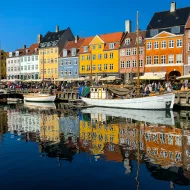



A city famous for its picturesque canals, Amsterdam embodies a seamless blend of history, architecture and modern urban planning. These miles of waterways are not just functional; they are a vital part of the city’s identity. Originally built for trade and defense, over the centuries they have become a symbol of Amsterdam’s unique character.

Historical Significance
The origins of Amsterdam’s canals date back to the 17th century, the Golden Age of the Netherlands. As the city grew rapidly due to trade, canals were ingeniously designed to manage water levels and facilitate transportation. The most famous of these waterways, the Herengracht, Keizersgracht and Prinsengracht, were critical to promote trade and protect the city from flooding. The careful planning of these canals not only met practical needs, but also reflected the ambitions and aspirations of the city. This historical context provides a rich background showing how Amsterdam grew from a small fishing village into a major European metropolis.
Architectural Styles
The architectural styles surrounding Amsterdam’s canals are as diverse as the city itself. Here you can find a remarkable array of buildings, from elegant gabled houses of the Golden Age to modern architectural marvels. Iconic narrow, long houses with distinctive facades are designed to maximize space in a densely populated area. Many of these structures have ornate ornamentation and are characterized by brickwork and large windows that allow natural light to flood the interiors. This architectural diversity not only enhances the aesthetic appeal of the canals, but also tells the story of the city’s evolution, showcasing a mix of historic and contemporary design principles.
UNESCO World Heritage Status
In 2010, Amsterdam’s canal ring was designated a UNESCO World Heritage site, a recognition that underlines its universal cultural significance. This status emphasizes the outstanding urban planning and architectural harmony of the canals. It also highlights the need for conservation so that future generations can appreciate the beauty and functionality of these waterways. Being part of UNESCO’s heritage list not only attracts tourists, but also fosters a sense of pride among residents, reminding them of their city’s rich history and the importance of sustainable urban development.
Economic Impact
Canals played a very important role in Amsterdam’s economy. Originally designed for trade, the canals facilitated the movement of goods and contributed to the city’s wealth. Today, the canals remain an economic asset, attracting millions of tourists each year. Boat trips, waterside dining and picturesque views attract visitors, boosting local businesses significantly. In addition, the real estate market around the canals is highly sought after, with properties fetching high prices due to their historical significance and scenic views. This economic impact shows how the canals transformed from functional waterways into vital components of Amsterdam’s modern economy.
Cultural significance
Beyond their functional and economic role, the canals are deeply connected to Amsterdam’s culture. Acting as a backdrop for countless festivals, art installations and community events, they foster a vibrant social life. The canals are also an integral part of local traditions, such as the famous “Canal Parade” during Pride Month, when colorfully decorated boats celebrate diversity. This cultural dynamism is a testament to how the canals not only define the physical landscape of the city, but also bind the community together, creating a shared identity and sense of belonging among its residents and visitors.
In conclusion, Amsterdam’s historic canals are more than just waterways; they are a vital part of the city’s heritage, architectural narrative, economic landscape and cultural fabric. Their significance continues to evolve, reflecting the interplay between history and progress as Amsterdam meets the challenges of modern urban life.
Amsterdam, the capital of the Netherlands, is famous for its picturesque canals that wind through the city, creating a unique urban landscape. These waterways not only contribute to the aesthetic appeal of the city, but also play an important role in historical and contemporary urban planning. The design and engineering of these canals reflect the innovative spirit of Amsterdam and address both functional needs and environmental considerations.
Design and Engineering of Ducts
Planning and Layout
The planning of Amsterdam’s canals dates back to the 17th century, during the Dutch Golden Age, when the city experienced rapid growth due to trade and commerce. The layout was meticulously designed to facilitate transportation and manage water effectively. The iconic concentric ring pattern of the canals-Herengracht, Prinsengracht and Keizersgracht-was not just for beauty; it served practical purposes. This arrangement allowed for easy navigation and transportation of goods, while also providing a natural defense mechanism against floods.
Urban planners of the time created a harmonious balance between land and water, using a grid system that integrated the canals with the city streets. This careful arrangement made every part of the city accessible, enhancing Amsterdam’s overall functionality and livability. The canals are now a UNESCO World Heritage Site, recognized for their historical significance and innovative design.
Construction Techniques
The construction of canals was no small feat, requiring advanced techniques for the time. The process began with extensive surveying and planning, followed by excavating the earth to create the waterways. Workers used wooden stakes to outline the canals before digging, often using simple tools such as shovels and picks. The soil removed from the canals was then used to build the surrounding houses and roads, demonstrating the skillful use of materials.
One of the most impressive aspects of the construction was the ability to manage water levels. Engineers built a series of locks and weirs to regulate the flow of water and prevent flooding. These structures were crucial to maintain the delicate balance of water levels, ensuring that the canals remained navigable and the land around them remained dry.
Water Management Systems
Water management is central to Amsterdam’s urban planning given its low-lying geography. The city’s location below sea level makes effective water management vital. Canals function as part of a larger system of dykes and drainage systems designed to control water levels and prevent flooding.
Modern technology has significantly improved these systems. Today, automated weirs and pumps work alongside the historic infrastructure to efficiently manage the flow of water. This mix of old and new technology demonstrates Amsterdam’s commitment to innovative urban design while respecting its historic roots. The city’s proactive approach to water management has become a model for other cities facing similar challenges.
Materials Used
The materials used in the construction of canals played an important role in their durability and aesthetic appeal. Early construction relied heavily on wood, especially local resources such as oak and pine. Wooden piles were driven deep into the ground to create canal banks and solid foundations for buildings.
Over the years, as the city developed, the use of materials adapted. Brick has become a popular choice for the construction of canal houses, not only for its durability but also for its visual appeal. The iconic gable facades of these houses, often painted in vibrant colors, add to the charm of the canals. Today, sustainable materials and practices are increasingly being integrated into the maintenance and restoration of these historic buildings, demonstrating a commitment to preserving the past while looking to the future.
Innovations in Urban Design
Amsterdam’s canals are not just historical monuments; they inspire modern urban design innovations. The city has embraced concepts such as sustainability and resilience in its ongoing urban planning efforts. For example, green roofs and permeable pavements that help manage stormwater and reduce urban heat are becoming increasingly common.
Moreover, canals themselves are being redesigned as multifunctional spaces. The canals serve not only as transportation routes, but also as spaces for recreation and social interaction. Floating gardens and public art installations along the banks encourage residents and visitors to engage with the waterway in new ways. This innovative spirit ensures that the canals remain a vital part of Amsterdam’s urban fabric and enrich the lives of those who live and work here.
As a result, the design and engineering of the Amsterdam canals exhibits a blend of historical significance and modern innovation. Careful planning, advanced construction techniques, effective water management, careful use of materials and forward-thinking urban design all contribute to making them one of the city’s hallmarks. As Amsterdam continues to evolve, its canals will undoubtedly remain a central feature, reflecting both its rich heritage and its progressive vision for the future.
Known for its picturesque canals and innovative urban design, Amsterdam tells a story of architectural evolution that reflects its rich history and forward-thinking spirit. A UNESCO World Heritage Site, the city’s canal system is not only a beautiful landscape, but also a canvas for a variety of architectural styles. Each building along the waterways contributes to Amsterdam’s identity narrative by intertwining past and present.
Architectural Styles along the Canals
As you stroll along the canals of Amsterdam, you will encounter a fascinating array of architectural styles that reflect the city’s historical and cultural journey. This architectural tapestry is woven from the threads of different eras, each leaving its mark on the city’s skyline.
Dutch Golden Age Architecture
The Dutch Golden Age, which spanned the 17th century, was a period of immense wealth and creativity in the Netherlands. This period is vividly reflected in the architecture of Amsterdam, especially along the canals. Characterized by large merchant houses, these buildings often feature ornate gables, large windows and intricate brickwork. The use of red and yellow bricks in combination with decorative stone details creates a striking visual appeal.
A notable example is the **Huis met de Hoofden** (House with Head), which exhibits the distinctive gable styles that have become synonymous with Amsterdam architecture. These structures were not just houses; they were symbols of wealth and status, designed to impress locals and visitors alike. The positioning of these houses by the canal allowed merchants to transport goods easily, emphasizing the city’s role as an important trade center.
Modernist Influences
Entering the 20th century, Amsterdam embraced modernist principles, introducing new forms and materials that contrasted sharply with the ornate styles of the past. This shift was marked by a focus on functionality and simplicity, as seen in the **De Bijenkorf department store** and the architecture of the **Amsterdam School**, which aimed to create more inclusive and community-oriented spaces.
The Modernist movement also promoted a more holistic approach to urban planning, encouraging the integration of green spaces and public spaces. Buildings began to incorporate large glass facades that encouraged natural light and blurred the boundaries between indoor and outdoor environments. This design philosophy not only enhanced the aesthetics of the city, but also prioritized sustainability, a concept that resonates deeply in contemporary architectural practice.
Significant Buildings and Landmarks
Along Amsterdam’s canal district, several buildings stand out as landmarks, each with its own unique story. The **Rijksmuseum** with its neo-Gothic facade serves as a cultural beacon, while the **Anne Frank House** is a poignant reminder of the past. Beyond being visually striking, these buildings embody the spirit and historical significance of the city.
Another notable example is **NDSM Wharf**, a former shipyard that has been transformed into a creative hub. This site demonstrates how adaptive reuse can breathe new life into old structures and make it a vibrant space for artists and entrepreneurs. Such transformations emphasize the importance of historic preservation while meeting contemporary needs.
Residential and Commercial Buildings
Amsterdam’s canals are lined with a mix of residential and commercial buildings, each serving different purposes in the urban fabric. Often charming and intimate, the residential buildings reflect the personal stories of the families who call them home. In contrast, commercial buildings are designed to attract attention and feature bold signage and inviting storefronts.
This dichotomy fosters a sense of community, creating a dynamic street life where locals and tourists mingle. The interaction between such structures also highlights the importance of mixed-use development, a principle that urban planners around the world are increasingly prioritizing to create vibrant, livable cities.
Conservation Efforts
As the modern city develops, the preservation of Amsterdam’s architectural heritage remains a critical issue. Efforts are underway to preserve the integrity of historic buildings while meeting modern needs. Local governments and organizations are working tirelessly to ensure that renovations respect the original design and materials, striking a balance between progress and preservation.
The city enforces strict regulations on alterations to canal-side properties, ensuring that any changes are compatible with the historic context. This commitment to preservation not only honors Amsterdam’s rich past, but also enhances its appeal as a destination for those interested in history and architecture.
As a result, the architectural styles along Amsterdam’s historic canals tell a compelling story of the city’s evolution. From the splendor of the Dutch Golden Age to the sleek lines of modernist design, each era contributes to a rich tapestry that reflects both history and innovation. As Amsterdam continues to grow and adapt, the balance between preserving its heritage and embracing the future remains a defining aspect of its architectural identity.
Amsterdam is a city where history flows through its canals, bringing together stories of the past and visions of the future. Its unique mix of ancient waterways and modern urban design showcases its commitment to sustainability and innovation. As we explore the intricacies of urban planning in Amsterdam, we will discover how the city integrates green spaces, improves transportation, embraces smart technologies, engages its community and faces future challenges.
Urban Planning and Sustainability
Urban planning in Amsterdam is not just about building buildings; it is about creating a harmonious environment where people, nature and technology coexist harmoniously. The city has made significant strides in sustainability, ensuring that its historic charm remains intact while encouraging a forward-thinking approach to urban living. This balance is reflected in various aspects of urban planning, which we will explore later.
Integration of Green Spaces
Amsterdam’s commitment to integrating green spaces is a distinctive feature of its urban planning. Parks, gardens and green roofs are carefully placed throughout the city, providing important breathing spaces in the middle of the urban landscape. These spaces are not just aesthetic; they serve critical ecological functions such as improving air quality, supporting biodiversity and managing stormwater. For example, Vondelpark, the city’s largest park, is a popular gathering place for locals and tourists alike. It demonstrates how green spaces can enhance community life while offering a refuge from the crowded city.
The city also encourages the development of community gardens, allowing residents to interact with nature and each other. These gardens not only provide fresh produce, but also promote community and environmental awareness. By prioritizing green spaces, Amsterdam exemplifies how urban areas can develop sustainably and enrich both the environment and the lives of its residents.
Transportation and Mobility
Transportation in Amsterdam is a model of efficiency and sustainability. The city’s extensive network of bicycles, trams and ferries emphasizes the commitment to reducing dependence on cars. Cycling is deeply embedded in local culture and dedicated cycle lanes make cycling safe and accessible for everyone. This mode of transportation not only reduces carbon emissions, but also promotes a healthier lifestyle.
The city has also invested in modernizing its public transport system to ensure that it is efficient and user-friendly. The tram system, for example, is a lifeline for many residents, connecting various neighborhoods and facilitating easy access to the city’s cultural and economic centers. The integration of electric buses and water taxis further enhances the environmentally friendly transportation environment.
Amsterdam’s focus on mobility goes beyond traditional vehicles and embraces innovative solutions such as shared mobility services and apps that provide real-time information. This approach reinforces Amsterdam’s reputation as a leader in sustainable urban mobility by encouraging residents and visitors to explore the city in environmentally responsible ways.
Smart City Initiatives
As a forward-thinking metropolis, Amsterdam has embraced smart city initiatives that leverage technology to improve urban living. These initiatives include using sensors and data analytics to monitor traffic patterns, air quality and energy consumption. By analyzing this data, the city can make informed decisions that improve the quality of life of its residents.
A notable example is the “Amsterdam Smart City” project, which brought together various stakeholders, including government, businesses and citizens, to collaborate on innovative solutions. This initiative has led to the development of smart street lighting that adjusts to pedestrian movement, improving safety while reducing energy waste. The city has also implemented smart waste management systems that minimize environmental impact by optimizing collection routes.
These initiatives not only make Amsterdam more efficient, but also encourage community engagement. By encouraging residents to participate in the digital transformation of their city, Amsterdam is creating a collaborative environment where innovation thrives.
Community Engagement in Planning
Community participation is a cornerstone of Amsterdam’s urban planning process. The city actively involves its residents in discussions about development projects and policy decisions. This participatory approach promotes transparency and inclusiveness by ensuring that the voices of different community members are heard.
Public forums, workshops and online platforms allow citizens to share their perspectives and contribute to the planning process. This engagement fosters a sense of ownership among residents, enabling them to be more invested in the outcomes of urban development. For example, when planning new parks or public spaces, the city often organizes surveys and consultations to gather feedback, ensuring that these spaces meet the needs of the community.
By prioritizing community engagement, Amsterdam not only improves the quality of its urban environment, but also strengthens the social bonds between its residents. This collaborative spirit is a testament to the city’s belief that effective urban planning should reflect the desires and needs of its residents.
Future Challenges and Opportunities
Despite its successes, Amsterdam faces challenges as it continues to grow and develop. Issues such as housing shortages, climate change and the need for sustainable economic development pose significant obstacles. But these challenges also present opportunities for innovation and improvement.
The city is actively exploring solutions to address the housing shortage by promoting mixed-use developments and affordable housing projects. Amsterdam is also investing in climate resilience measures to combat the effects of rising sea levels and extreme weather events. This proactive stance not only protects the city’s historic assets, but also secures a sustainable future for its residents.
As Amsterdam navigates these complexities, its commitment to sustainability and progressive urban planning will guide its path forward. The city is a beacon of how urban environments can be carefully designed and managed, blending historical heritage with modern developments to create a vibrant and livable city for future generations.
Amsterdam, a city famous for its picturesque canals, embodies a unique blend of history and modernity. Established in the 17th century during the Dutch Golden Age, the canals are much more than waterways; they are crucial to the city’s identity, shaping its culture, economy and social interactions. As we explore the cultural impact of these canals, we discover their profound influence on art and literature, their integral role in tourism, the vibrant festivals and events they host, the local traditions they nurture, and the educational programs that raise awareness of this UNESCO World Heritage site.
The Cultural Impact of Canals
Amsterdam’s canals are not just canals for boats; they are woven into the fabric of the city’s culture. Their presence has inspired countless artists and writers, attracted tourists from around the world, and encouraged community celebrations highlighting local customs and traditions. Furthermore, educational initiatives aim to preserve the history and importance of these waterways and ensure that future generations appreciate their cultural heritage.
Impact on Art and Literature
Canals have been a source of inspiration for artists and writers alike throughout history. The reflecting waters and fascinating architecture create a picturesque landscape that has been immortalized in countless paintings, photographs and literary works. Famous painters such as Vincent van Gogh and Claude Monet captured the ever-changing light and atmosphere of the canals in their masterpieces.
In literature, canals have formed the backdrop for many stories exploring the complexity of human relationships and the passage of time. The works of Dutch writers often incorporate canals into their narratives, symbolizing both the beauty of life and the challenges faced by city dwellers. This artistic participation not only celebrates the canals, but also deepens the connection between people and their environment.
Role in Tourism
The iconic canals are a major attraction for tourists visiting Amsterdam. Millions flock to the city every year to experience the unique charm of the waterways. Canal cruises offer visitors the chance to see the city from a different perspective, gliding past historic buildings and under fascinating bridges. The popularity of these tours has significant economic impact, supporting local businesses and creating jobs.
The canals also serve as a gateway to explore Amsterdam’s rich history and vibrant culture. Attractions near the canals, such as the Anne Frank House and the Van Gogh Museum, emphasize the city’s artistic and historical significance. This intertwining of culture and tourism encourages a deeper appreciation for the canals and their role in shaping Amsterdam’s identity.
Festivals and Events
The canals are also the center of many festivals and events that bring the community together. One of the most famous is the Amsterdam Canal Parade, part of the city’s Pride Celebrations. Colorfully decorated boats and jubilant participants sail through the canals, displaying love and acceptance. This event not only celebrates LGBTQ+ rights, but also emphasizes the canals as a space for expression and unity.
Other seasonal events, such as the Amsterdam Light Festival, turn the canals into a canvas for stunning light installations. Artists from around the world create mesmerizing displays that illuminate the waterways, attracting locals and tourists alike. These festivities highlight the canals as dynamic spaces that are constantly evolving and nurturing community spirit.
Local Traditions and Customs
Local customs and traditions are closely linked to the canals, reflecting the daily lives of Amsterdam residents. The tradition of “canal jumping” in summer, when locals take to the water in boats or paddleboards, exemplifies the community’s connection to these waterways. When the canals freeze over in winter, ice skating becomes a popular pastime, transforming the waterways into bustling outdoor rinks.
The canals are also essential for local markets and events, such as the floating flower market, which showcases the rich horticultural heritage of the Netherlands. These traditions not only celebrate the canals, but also foster a sense of belonging and pride among residents.
Education and Awareness Programs
Recognizing the historical and cultural significance of the canals, various educational programs aim to raise awareness about their importance. Amsterdam’s waterways are often taught in schools, teaching students about their history, ecology and the need for their protection. Guided tours and workshops attract locals and tourists alike, offering insights into the canals’ role in the city’s development.
Organizations dedicated to canal conservation also support initiatives that promote sustainable practices, ensuring that these beautiful waterways will remain vibrant for generations to come. Through education and community engagement, the canals continue to thrive as vital cultural landmarks.
As a result, Amsterdam’s canals are much more than a network of waterways; they are a vital part of the city’s cultural identity. Their influence on art and literature, their role in tourism, their importance in local traditions, and educational programs dedicated to their preservation highlight the deep connection between the canals and the people of Amsterdam. As the city develops, the canals remain a testament to its rich history and progressive spirit, inviting all who visit to explore and appreciate them.
Conclusion: The Future of Amsterdam Canals
As we look to the future of Amsterdam’s canals, we find ourselves at a fascinating crossroads where history meets innovation. A vital part of Amsterdam’s identity for centuries, the canals are not just picturesque waterways; they are an integral part of the city’s infrastructure, culture and urban planning. This summarizes the ongoing efforts to preserve these historic sites while meeting the needs of a modern city.
Ongoing Restoration Projects
In recent years, Amsterdam has initiated a series of restoration projects aimed at preserving the integrity of its canals. These initiatives focus on both the physical structures of the canals and the environments surrounding them. For example, the city has invested in restoring the original brickwork of the canal walls and improving the resilience of the canal system to climate change. This includes strengthening the banks and ensuring that the waterways remain clean and navigable. These projects aim not only to preserve the aesthetic beauty of the canals, but also to maintain the ecological health of the waterways, which are home to a variety of aquatic species.
Balancing Heritage and Modern Needs
The challenge of balancing heritage with modern needs is a critical aspect of urban planning in Amsterdam. As the city grows and develops, there is an urgent need for infrastructure that supports contemporary living without compromising historic integrity. This balance is evident in the city’s approach to urban development, where new buildings are designed to be compatible with the historic skyline. For example, innovative architectural designs use sustainable materials and energy-efficient technologies to ensure that modern additions do not overshadow the historic charm of the canals. This synergy creates a vibrant urban environment where the past and present coexist, enhancing the overall experience for both residents and visitors.
The Global Impact of Amsterdam’s Urban Design
Amsterdam’s unique approach to urban design has gained international attention, influencing cities around the world. The city’s commitment to sustainability, efficient public transportation and pedestrian-friendly spaces is a model for urban planners around the world. Cities such as Copenhagen and Melbourne have been inspired by Amsterdam’s integration of water management and urban living. Its intricate network of canals has inspired similar waterway systems in other metropolitan areas and emphasized the importance of adaptive urban design. As cities face challenges such as rising sea levels and population growth, lessons from Amsterdam’s proactive stance on urban planning are increasingly important.
Community Perspectives
Community participation plays a crucial role in shaping the future of Amsterdam’s canals. Residents are often at the forefront of discussions on urban development and conservation efforts. Their insights and experiences help inform decisions affecting the use of public spaces and the maintenance of historic sites. Initiatives such as local workshops and feedback sessions allow citizens to voice their views and contribute to the planning process. This participatory approach not only fosters a sense of ownership among residents, but also creates a more inclusive urban environment by ensuring that development is aligned with the values and needs of the community.
Final Thoughts on Conservation
When considering the future of Amsterdam’s canals, it is clear that preservation and progress can go hand in hand. Efforts to restore and maintain these historic waterways reflect a broader commitment to celebrate the city’s rich heritage while embracing the challenges of modern urban life. As Amsterdam navigates this delicate balance, it stands as a testament to the idea that history is not just a relic of the past, but a living, breathing part of the city’s identity. The canals will continue to flow, bridging the gap between tradition and innovation and inspiring future generations to appreciate the beauty and importance of urban landscapes.