
Did Haussmann design Paris for beauty or to control the uprisings?
This was a dual-purpose task with a single solution. The wide, straight boulevards were designed for imperial grandeur, sunlight, and fresh air, creating a beautiful stage for modern life. Yet these same streets held strategic importance, enabling the rapid deployment of troops and artillery fire, rendering barricades obsolete. The design was a masterful blend of aesthetics and authority—beauty itself had become an instrument of control. The city had been rebuilt to inspire awe in its citizens and to ensure they could
Visionary Plan: Haussmann’s Grand Ambition
His goal was to surgically implant a new circulatory system into the body of the old city. He envisioned Paris not as a collection of neighborhoods, but as a unified, functional organism of stone and space. This plan connected train stations, markets, and parks with a relentless geometric logic. It was an act of creation on an urban scale, aiming to forge a capital worthy of an empire and a new century. The plan focused less on individual buildings and more on the powerful connective tissue between them.
The Man Behind the Plan: Baron Georges-Eugène Haussmann
He was not an architect, but a manager with bulldozer-like determination and impeccable bureaucratic precision. Haussmann was a rare individual who combined a broad artistic vision with the ruthless pragmatism needed to realize it. Acting with absolute authority, he navigated political labyrinths and financial quagmires to turn his dreams into reality. His legacy is the city itself—a testament to the unyielding power of will applied to urban space. He stands as the ultimate reminder that the shape of
Napoleon III’s Mission: The Capital of a Modern Empire

Upon his return from exile in London, the Emperor was unsettled by the contrast between the order of that city and the chaotic, revolutionary turmoil of Paris. His mission was clear: to build a capital that would symbolize the stability, prosperity, and power of the Second Empire. He envisioned a city that would surpass all European rivals in hygiene, commerce, and monumental grandeur. This was not merely a renovation but a political project, using urban form to cement the legitimacy of the new dynasty. The streets would
The fundamental principles of the Haussmann style

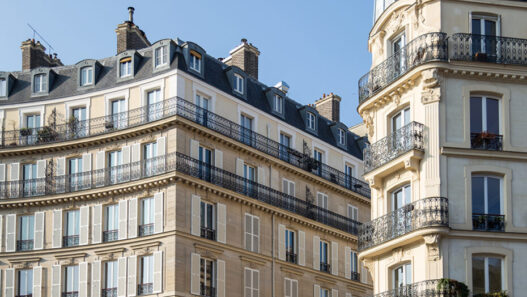
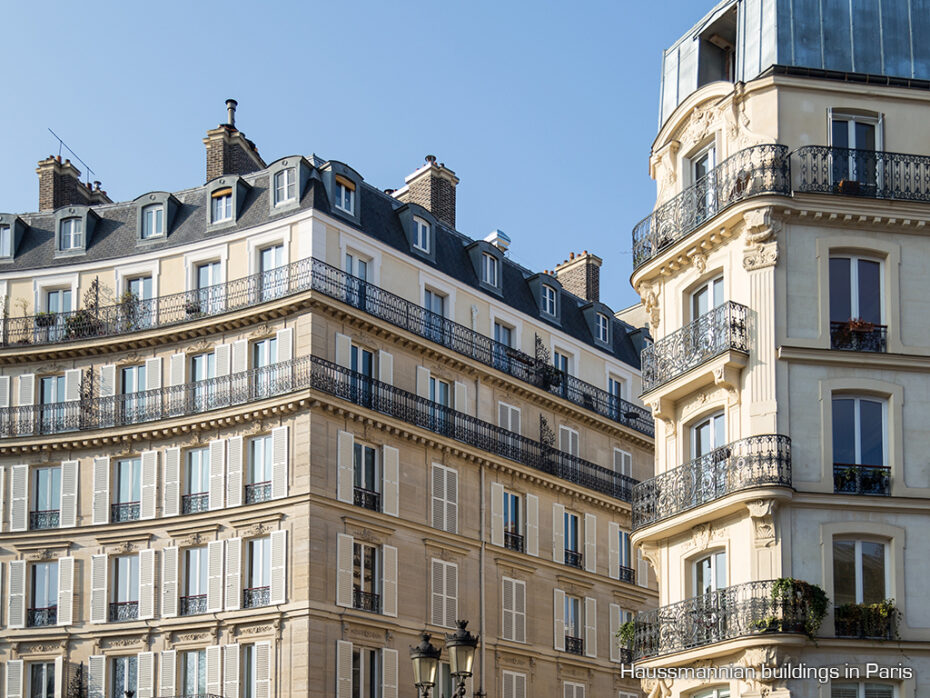
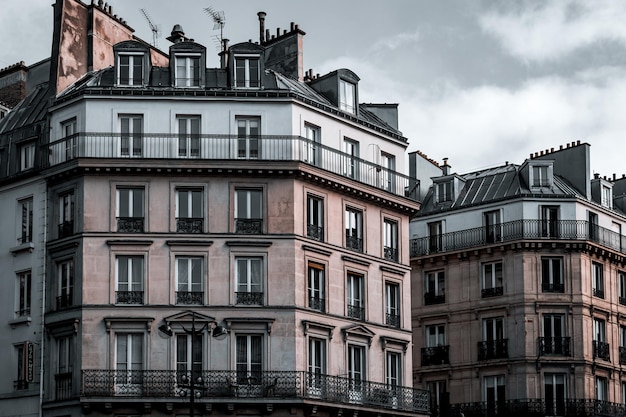
Tarz is defined by a harmonious repetition, creating a coherent streetscape—a symphony in limestone. Buildings adhere to strict height and facade regulations, featuring wrought-iron balconies and mansard roofs that shape the Parisian skyline. The ground floor is reserved for commerce, the noble first floor for the elite, and the upper floors ascend according to social status, like a vertical map of society. This orderly elegance turns individual buildings into pixels of a much larger, cohesive image. It is an
Pre-Haussmann Paris: The Medieval Labyrinth
This was a place where sunlight rarely reached the damp cobblestones, and narrow, winding streets intertwined in a dark, dense tangle. The city consisted of isolated villages separated within its walls, each with its own distinct character and potential for rebellion. In the crowded apartment buildings, there was no clean water or air, and diseases spread in the shadows. This urban fabric was a physical record of a city that had grown organically and without planning over centuries. For modernizers, this was not an
Anatomy of Transformation: Significant Urban Interventions
This was not merely a renovation, but a surgical operation on the city’s body. Baron Haussmann’s plan deliberately and comprehensively cut and reshaped Paris’s medieval, intricate structure through intentional and sweeping moves. These interventions imposed a new logic of circulation, hygiene, and control onto the old fabric. They replaced its organic and crowded past with a vision of a modern, imperial capital. The result was a city physically and socially reshaped for a new era.
Grand Boulevards: The Veins of Light and Air
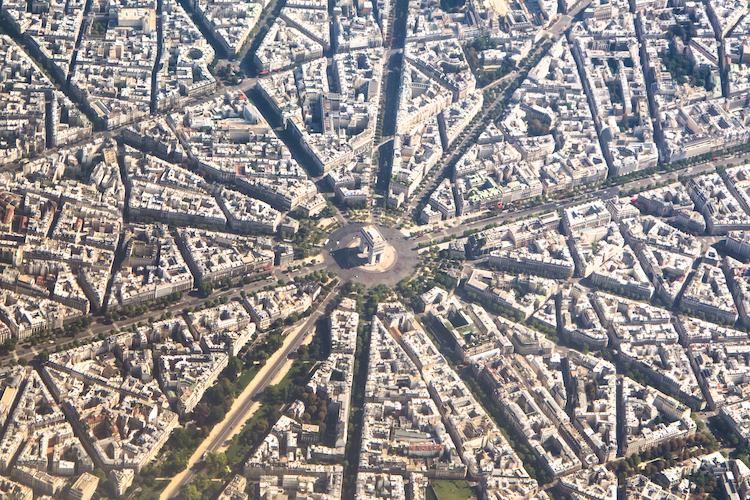
These wide, straight roads were designed as tools for public health and order. By cutting through dense and unhealthy neighborhoods, they allowed sunlight and air to circulate. Their primary function was to facilitate the movement of soldiers, but they also created spaces for the new spectacle of bourgeois life. The boulevard, lined with cafes and shops, became a stage for seeing and being seen. It transformed the experience of the city from a confined space into a fluid and displayed one.
Uniform Facades and the Birth of Parisian Apartments
A continuous stone facade, concealing the private realities within, created a dignified and harmonious streetscape. This enforced aesthetic unity reflected an image of a consistent and civilized society. Behind this elegant curtain, a new social typology emerged: multi-story apartments with hierarchical floor plans. From the piano nobile occupied by wealthy tenants to the servants in the attic, the arrangement of floors etched the class structure into the architecture itself. The facade became the public face of the new standardized urban life.
Parks and Public Spaces: The Lungs of the City
These were no longer just open spaces, but deliberately placed recreational areas. Parks like the Bois de Boulogne were designed as a democratic antidote to the mineral hardness of the new boulevards. They created indispensable green spaces that provided visual and psychological relief from the rigid geometry of the streets. Even more importantly, they served as social condensers where all classes could spend their leisure time, albeit often in carefully zoned areas. These planned oases were vital for the perceived health and happiness of the
Basic Infrastructure: Sewer, Water, and Gas
The visible stone city was supported by an invisible city of pipes and tunnels. A modern sewer network cleansed the city from below, literally washing away waste and foul odors believed to be the cause of diseases. At the same time, clean water and gas lines reached homes, establishing new standards of cleanliness and extending the day with artificial light. This hidden mechanism formed the true foundation of modern urban comfort and hygiene. It made the dense and magnificent city not only beautiful but also functionally livable.
Monumental Landscapes and Strategic Axes
Urban planning became an art of theatrical perspectives and symbolic power. Long, straight avenues were designed to culminate in a monument, museum, or train station, framing the city as a series of impressive tableaus. These axes organized perception and directed citizens’ gazes toward symbols of the state, culture, and progress. They imposed a comprehensible order on the metropolis, making it legible at a glance. The city was transformed into a monumental experience celebrating human intellect and imperial ambition.
Deciphering the Dual Legacy: Aesthetic Ideal and Social Control
Architecture is never a neutral act of creation; it is a physical debate about how society should be organized. The wide boulevards and uniform facades of a modern city often present a singular vision of order and beauty to the world. However, this vision is frequently built upon a foundation of power that seeks to govern and control the populace. Therefore, the legacy of any major urban intervention is dual, forever suspended between its declared artistic ideals and its unspoken political functions.
Argument for Beauty: Hygiene, Light, and Splendor
Pursuing beauty in urban planning is a moral argument for human dignity. It champions sunlight and fresh air as an antidote to the disease and darkness of cramped medieval streets. Monumental vistas and harmonious stonework are not mere decoration; they are designed to elevate the public spirit, offering a daily experience of civic pride and shared identity. This aesthetic ideal frames the city as a work of art for collective enjoyment, a testament to progress that transcends mere utility.
Control Argument: Barricades, Artillery Weapons, and Surveillance
When beauty is imposed by authority, it often carries a strategic dimension. Wide, straight streets are difficult to barricade and allow for the rapid deployment of troops to suppress uprisings. The demolition of dense, labyrinthine neighborhoods eliminates hiding places and creates clear lines of sight for surveillance. This architectural logic transforms the city into a power scheme where control is woven into the geometry of the streets, prioritizing order over organic community.
Case Study: The Elimination of Île de la Cité
Once a dense fabric of medieval houses and winding streets, Paris’s historic center was reshaped by a surgical intervention. Baron Haussmann’s project preserved the iconic cathedral but swept away almost everything around it, replacing a lived-in neighborhood with monumental administrative buildings and open courtyards. This was presented as a necessary act of hygiene and modernization for the old island. In reality, it was an act that deeply demonstrated the power of the state, eliminating a potentially rebellious populace to make way for symbols of government and
Social Cost: Displacement and the “Paris Periphery”
The true cost of radical urban beauty is often paid by those rendered invisible. The demolition of entire neighborhoods displaced the working poor, pushing them to the city’s edges and beyond. This created a new social geography: a bright, central core surrounded by a periphery of need. Thus, the architectural integrity of the center was achieved by exporting its disorder, creating a permanent division between the formal city and its marginalized inhabitants.
A Permanent Architectural Dialectic
This tension between aesthetic idealism and social control is not a historical footnote, but an ongoing condition of city-making. From the public square to the renewal project, every large-scale development reignites this fundamental debate. It questions whether form follows a vision of human flourishing or the logic of governance and economic efficiency. The city continues to serve as the primary canvas upon which both our highest ideals and our most rigid systems of power are simultaneously constructed.
Discover more from Dök Architecture
Subscribe to get the latest posts sent to your email.