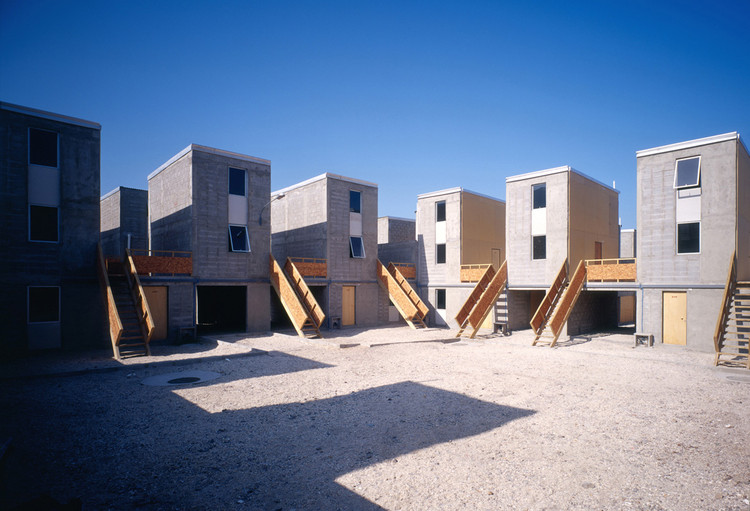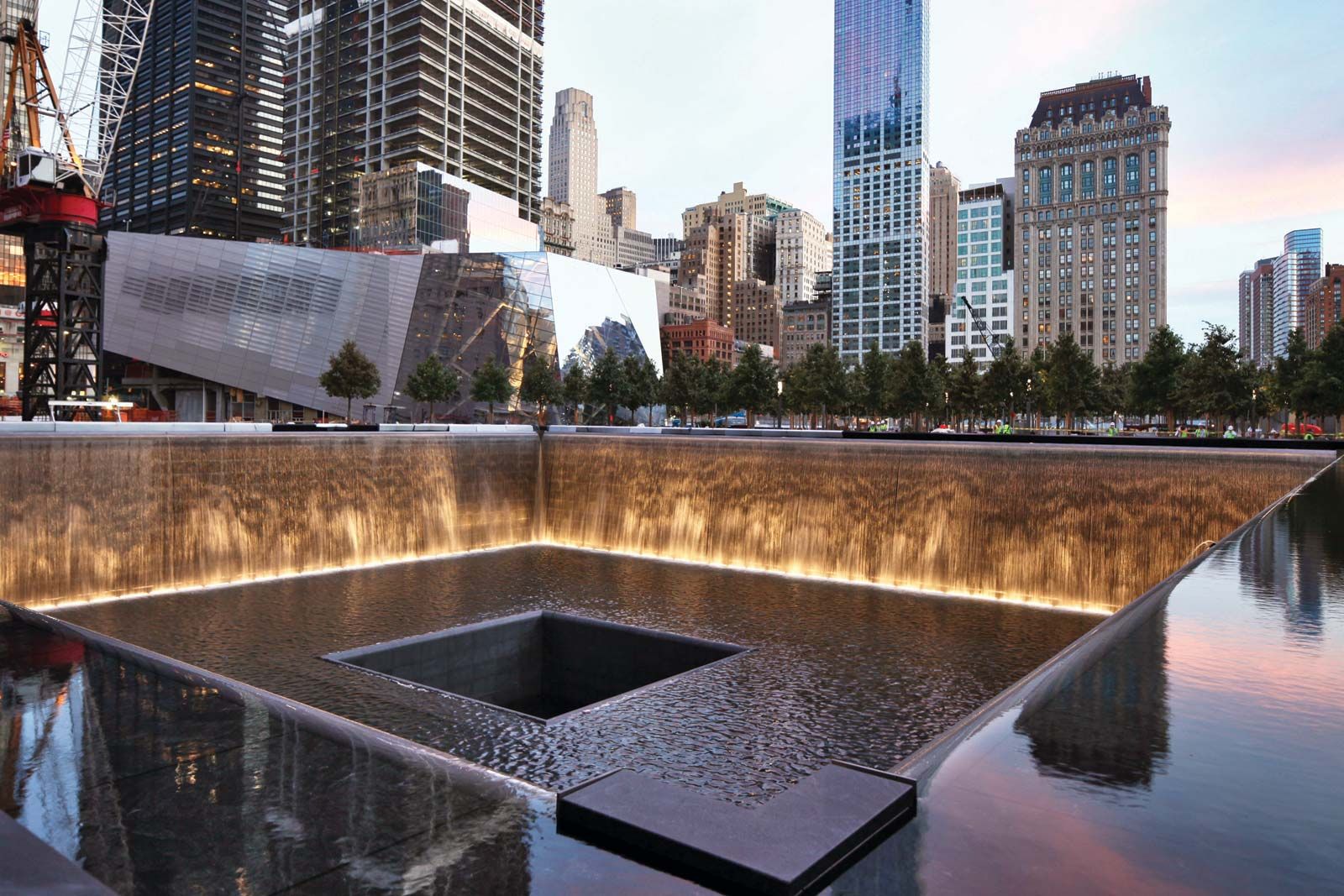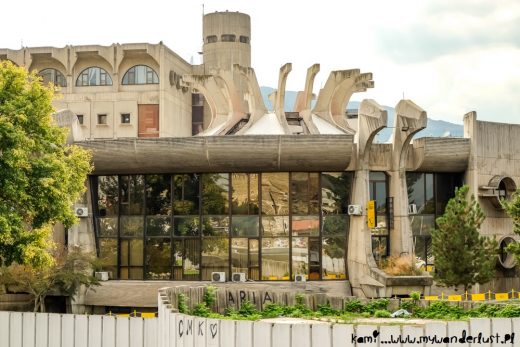


Grand Palais Châtillon
This is a cultural engine redesigned for an era of fluid experiences. The project transcends the traditional museum or gallery, becoming a permeable civic vehicle. Its architectural structure treats light, movement, and collective gathering as fundamental civic rights. The wonder of this structure lies not only in its scale but in its ability to offer both a monumental spectacle and an intimate discovery. This project demonstrates how a public building can be both an icon and a landscape, potentially remaining permanently unfinished in terms of its potential for public use.
Introduction to Vision and Context
This vision emerges at the intersection of historical heritage and future-oriented cultural needs. It responds to a world where the boundaries between art, technology, and social discourse are permanently blurred. The context is an evolving city that demands adaptable and emotionally resonant spaces. The goal is to create not just a container for culture, but a catalyst for culture. This is architecture designed as a dynamic participant in the city’s ongoing story.
Commission and Architectural Goals

The Commission undertook the rare task of redefining a national symbol for a new century. It demanded an architectural vision that balanced respect for the spirit of the original Grand Palais with a radical contemporary reinterpretation. The goal was to design a building that was both timeless and of its moment, solid yet ephemeral. This vision is measured by its capacity to inspire public admiration while fostering a sense of personal belonging. This architecture takes on the mission of creating a collective memory for future generations.
Site Specificity and Urban Integration

The design opens new pathways into the urban fabric by establishing a direct dialogue with the terrain. It treats the ground plane as a continuous public space, dissolving the sharp boundary between building and city. This integration transforms the site from an isolated parcel into a connective tissue for the neighborhood. The architecture embraces its context not through mimicry, but through thoughtful contrast and invitation. The result is a place that feels discovered rather than imposed—a natural extension of civic life.
Defining the “Grand Palais” Concept for the 21st Century

The concept is transforming from a palace of fine arts into a public palace. Its grandeur is now expressed not through opulent luxury but through accessibility, flexibility, and environmental awareness. The 21st-century version is defined by its permeability; its walls conceptually dissolve to create a building that embraces diverse audiences and uses. With its democratic intent, it is a magnificent space where culture is not merely observed but lived and created. This redefinition turns a monument into a living system.
Chatillion Architects’ Design Philosophy
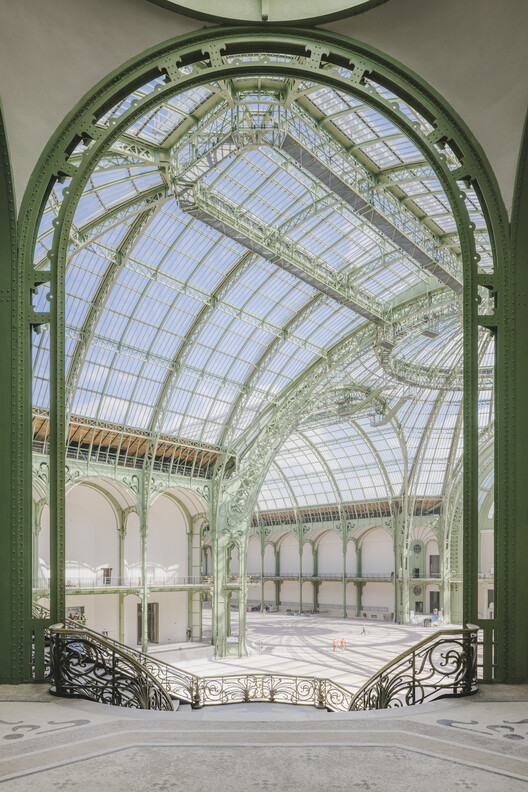
Their philosophy centers on the idea of empathetic forms, where geometry serves human emotions and experiences. They believe that materials should tell the story of time and touch, and honestly bear the traces of the production process. Light is treated as a fundamental building material, shaping space and mood in harmony with celestial rhythms. For them, sustainability is not a technical add-on but the core logic of poetic and responsible design. This approach gives rise to an architecture that is inherently grounded yet quietly transcendent.
Deconstruction of Design and Structure
This process reveals the architectural intention underlying the finished form. It is an intellectual exercise that deconstructs a building into its conceptual components, much like breaking down a sentence to understand its meaning. We see not just walls and roofs, but the hierarchy of ideas, the dialogue between mass and void, and the tension between order and expression. This is important because it transforms a static object into a legible narrative of decisions and priorities. It allows us to appreciate architecture not merely as shelter, but as built
Iconic Facade: Materials and Play of Light
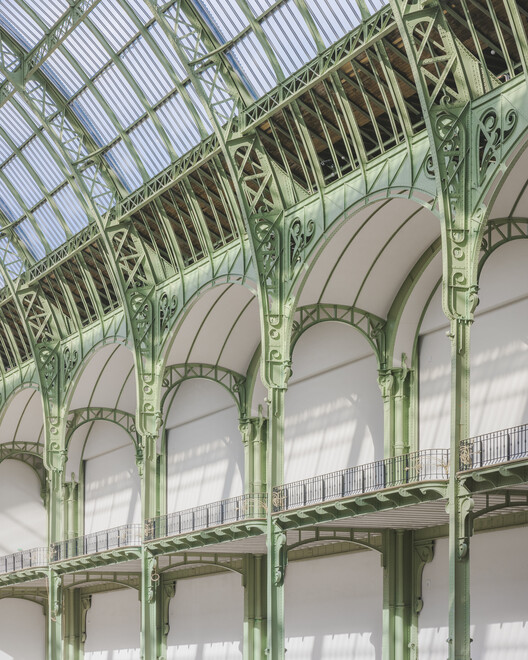
The facade is the public face of a building, a skillfully designed interface between interior life and the outside world. The choice of materials—from roughly hewn stone to ethereal glass—establishes character and texture even before a single door is opened. Through recesses, wings, and screens, the manipulation of light animates this surface throughout the day, creating ever-shifting shadows and highlights. This is significant, as it transforms the structure into a symbol by establishing identity and emotional resonance.
Structural Innovation and Engineering Achievements
These are like the hidden poetry of physics that liberate architectural form. They represent the moment when ambition in engineering allows design to transcend the traditional constraints of gravity and span. Consider the soaring cantilever that defies expectations, or the slender columns that achieve more with less. This is significant because it expands the language of what is buildable, offering new spatial experiences and visual lightness. It is a testament to human ingenuity, where calculation meets the desire to inspire awe.
Spatial Flow and Interior Experience
This is the choreography of movement and perception within the building’s shell. It governs the journey from threshold to heart, controlling sequences of compression and release, intimacy and grandeur. Experience is a sensory narrative composed of light, volume, material, and view. This is important because architecture is lived from within; it directly shapes our mood, behavior, and memory. A successful flow makes us feel guided, surprised, or lost in thought, and transforms space into a place.
Sustainable Systems and Environmental Strategy
This is the ethical and practical dimension of modern architecture: a long-term dialogue with the planet. It integrates passive design, responsive technologies, and circular material flows into the building’s core logic. This strategy treats the sun, wind, and rain not as adversaries, but as collaborators in climate and comfort. This is important because it redefines beauty to include responsibility, performance, and resilience. It positions the building as a conscious citizen within its ecosystem, not as an isolated resource consumer.
The Role of Technology in Form and Function
Technology is a continuously evolving toolkit that transforms visionary sketches into livable realities. Through digital design and fabrication, it influences form, making complex, organic shapes—once deemed impossible—now achievable. Functionally, it embeds intelligence, creating buildings that can learn, respond, and interact with users and the environment. This is significant because it bridges the gap between conceptually imagined ideas and their tangible implementation. It enables architecture to be more sensitively tailored to human needs and to express the contemporary spirit with greater fluid
Impact and Architectural Heritage
Its impact is measured not in years, but in the conversations it has permanently altered. The building became a physical thesis that challenged deep-rooted norms such as materiality, program, and public participation. Its legacy is a shifting foundation, a new set of questions that every subsequent architect must now answer. It transformed a space into a symbol and proved architecture’s power to define the cultural aspirations of an era.
Critical Reception and Public Perception
Initial reactions often oscillate between praise as a masterpiece and condemnation as an impractical folly. This contradiction is a sign of the work’s power, revealing the gap between professional dogmas and public intuition. Over time, as people begin to use these spaces and the shock of innovation subsides, the narrative matures. The building’s true success emerges when it becomes a beloved part of daily life, weaving its radical ideas into the city’s subconscious.
Influence on Contemporary Cultural Architecture
By eliminating the sterile white cube, the museum was proposed as an experiential journey rather than a neutral container. This rethinking spread in waves, with permeability, spatial narrative, and tactile materiality becoming the new default settings of cultural design. Architects now approach such projects not as facade designers, but as choreographers of public emotion and memory. The building taught us that culture is not merely displayed, but fundamentally shaped by the container that houses it.
Lessons for Architects
The most important lesson to be drawn from here is the profound courage required to pursue a single idea with unwavering conviction. It demonstrates that technical and budgetary constraints, when approached creatively, can become not limitations but the source of genuine innovation. Architecture reminds us that it communicates primarily through experience and atmosphere, long before any stylistic label is applied. This work advocates for an authorship that serves the public realm and creates value far beyond the client’s initial request.
Building in Use: Adaptability and Performance
The true test came after the opening, when sensitive geometries interacted with unpredictable human use. The spaces revealed a broad capacity to accommodate unplanned events and gatherings, proving that robust design allows for organic adaptation. Performance is measured by the wear patterns on floors and how light animates volumes at different times of day. It performs while staying true to its principles, gracefully extending its original purpose to meet new social needs without losing its essential character.
Discover more from Dök Architecture
Subscribe to get the latest posts sent to your email.