

Architectural vision is a term that summarises the ideas and concepts that shape our built environment. It is a plan of thought that guides architects and urban planners in designing spaces that are not only functional but also reflect cultural values and social needs. This vision is influenced by a myriad of factors, including technological developments, environmental concerns and, to a significant extent, economic conditions.

Definition of Architectural Vision
Architectural vision, at its core, expresses the overarching ideas and aspirations that inform the design of buildings and urban spaces. It encompasses not only aesthetics, but also functionality, sustainability and user experience. A strong architectural vision can inspire innovative designs that respond to the needs of a community and foster a sense of identity and belonging.
Historical Context
Throughout history, architectural vision has evolved in response to various influences. From the majestic cathedrals of the Middle Ages, reflecting religious fervour and community pride, to the ostentatious skyscrapers of the modern era, symbolising economic power and technological progress, each era has its own architectural language. The fact that many architectural movements emerge during periods of economic prosperity, while others are shaped by crises, reveals how intertwined architecture is with the economic fabric of society.
Importance in Urban Development
Architectural vision plays a crucial role in urban development as it shapes the way cities are built and function. A well-defined architectural vision can lead to the creation of vibrant public spaces, efficient transport systems and sustainable living environments. Cities such as Barcelona, with its iconic Gaudi buildings, or Tokyo, known for its innovative urban planning, exemplify how a coherent architectural vision can enhance urban life. This impact goes beyond aesthetics; it affects social interactions, economic activity and even health outcomes for residents.
Role of Economic Factors
Economic factors are crucial in determining the direction of architectural vision. During periods of economic recovery, there is often an influx of investment that encourages ambitious projects and experimentation in design. Conversely, periods of economic downturn can stifle creativity, leading to more conservative approaches focussed on cost effectiveness. For example, the Great Depression of the 1930s saw a shift towards simpler, functional designs as resources became scarce. In contrast, the post-war period marked a revival of architectural innovation, driven by economic recovery and the desire for modernity.
Blog Post Structure Overview
In this blog post, we will explore the complex relationship between economic crises and architectural vision. We will analyse past economic crises and consider how they have affected architectural styles and urban planning decisions. We will also look at case studies that demonstrate the resilience and adaptability of architects in the face of adversity. By understanding these dynamics, we can gain insight into how current economic challenges may shape the future of our built environment. Through this exploration, we will uncover the profound impact of economic conditions on the places we live and the visions that shape them.
Architecture is not just about buildings; it reflects the values, aspirations and conditions of society. Economic crises often act as catalysts for change in architectural vision, forcing architects and planners to adapt to new realities. These periods of hardship force innovation by rethinking how spaces are designed, used and evaluated. By examining the relationship between economic upheavals and architectural evolution, we can gain insight into how architecture responds to changing social needs.
Economic Crises Throughout History
Throughout history, economic crises have significantly influenced architectural trends and urban development. Each crisis has led to a unique set of challenges and opportunities that have shaped the built environment in profound ways. Understanding these historical contexts allows us to appreciate the adaptive nature of architecture.
The Great Depression and its effects
The Great Depression of the 1930s was a seismic event that reshaped America and the world. As unemployment rose and financial systems collapsed, the architectural landscape was deeply affected. Many construction projects were halted and the sector faced a severe contraction. However, this period also led to the emergence of innovative solutions. The New Deal programmes initiated by President Franklin D. Roosevelt aimed to stimulate the economy through public works projects. These initiatives not only created jobs, but also led to the construction of important infrastructure such as bridges, schools and parks designed to be functional yet beautiful.
Architects began to adopt a more utilitarian approach, focusing on affordable housing and community-centred designs. The principles of modernism gained traction, emphasising simplicity and functionality over ornate styles. This change was driven by a desire to create practical spaces that could withstand economic hardship while fostering a sense of community and resilience.
Post-War Reconstruction Period
In the aftermath of the Second World War, the world faced another economic upheaval, but this time there was an enthusiasm for reconstruction. War-torn nations sought to restore and modernise their cities. The Marshall Plan in Europe is a prime example of how economic recovery efforts directly influenced architectural practice. Countries such as Germany and France embarked on ambitious reconstruction projects that aimed not only to restore pre-war structures, but also to innovate.
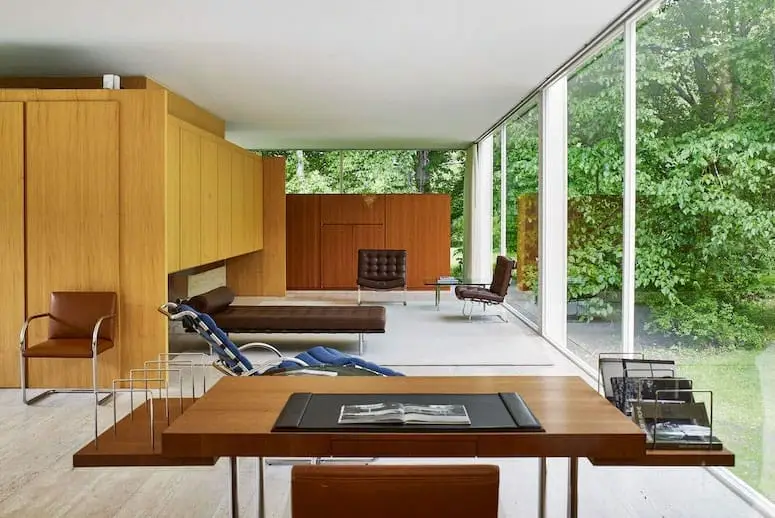
This period saw the rise of modernist architecture, focussing on clean lines, open spaces and the use of new materials such as concrete and glass. The International Style became emblematic of this period, reflecting a forward-looking vision intended to symbolise hope and progress. Architects such as Le Corbusier and Mies van der Rohe designed iconic buildings reflecting this spirit, often prioritising functionality and efficiency to meet the needs of a rapidly growing population.
Financial Crisis
The financial crisis marked an important turning point in the world of architecture. As housing markets collapsed and economies stalled, construction slowed dramatically, leading to a reassessment of urban planning and architectural priorities. Many architects faced unemployment and firms struggled to survive amidst a sea of foreclosures and abandoned projects.
In the wake of this crisis, a shift towards sustainability and resilience emerged. Architects began to prioritise green building practices, focusing on energy efficiency and environmentally friendly materials. Reflecting a more sustainable approach to urban development, the concept of “adaptive reuse”, where existing buildings are reused rather than demolished, gained popularity. This period also witnessed the rise of community-oriented projects aimed at revitalising neighbourhoods and fostering a sense of ownership and cooperation among residents.
Recent Economic Crises
In recent years, the economic downturn has continued to impact architectural practice. The COVID pandemic, for example, has reshaped our understanding of space and function. As remote working has become the norm, demand for flexible and multifunctional spaces has increased. Architects have begun to rethink residential designs to include home offices and shared spaces that can accommodate a variety of needs.
In addition, the economic impacts of climate change have prompted architects to respond with resilience in mind. Projects now often incorporate disaster preparedness and sustainability issues, addressing both immediate economic concerns and long-term environmental impacts. This holistic approach reflects the growing recognition that economic stability, environmental health and social well-being are interlinked.
Global Perspectives on Economic Crises
The impact of economic crises is not uniform; it varies across cultures and regions. In developing countries, economic downturns can lead to informal construction and slum development, forcing architects to find innovative solutions to provide safe, affordable housing. Conversely, in wealthier countries, crises can promote social equity and community participation by stimulating investment in infrastructure and public spaces.
Global perspectives on economic crises emphasise the need for adaptive and culturally sensitive designs. Architects are increasingly collaborating with local communities to ensure that their solutions address specific needs and contexts. This participatory approach not only promotes resilience, but also enriches the architectural narrative by bringing together different voices and experiences.
In conclusion, the interplay between economic crises and architectural vision is a testament to the resilience and adaptability of the built environment. Each crisis has given rise to new ideas, techniques and philosophies that have shaped our cities and societies. As we tackle future challenges, the lessons learnt from past crises will continue to inspire innovative architectural solutions that reflect the changing needs of society.
Economic crises have a profound impact on architecture, reshaping not only the skyline of cities, but also the philosophy behind building design and utilisation. When financial turmoil strikes, architects and urban planners often find themselves at a crossroads and are forced to rethink their approach to sustainability, functionality and aesthetic appeal. This research analyses key case studies that illustrate how different economic downturns have led to significant architectural changes, ultimately revealing the resilience and innovation of the area.
Architectural Change Case Studies
Architectural evolution is often stimulated by the oppressive realities of economic hardship. Throughout history, various crises have led to changes in architectural styles, practices and technologies, creating a landscape that reflects both challenge and creativity.
Iconic Buildings from the Great Depression
The Great Depression, which began in the late 1920s, had a profound impact on American society, characterised by widespread unemployment and poverty. However, in the midst of this despair, architecture flourished and iconic buildings emerged, symbolising hope and resilience. The construction of the Rockefeller Centre in New York is an important example of this. Commissioned by John D. Rockefeller Jr., this massive complex was developed in the depths of the Depression and became a sign of economic recovery. The Art Deco style of the buildings, characterised by bold geometric forms and flamboyant ornamentation, reflected both optimism and a new modernity.
Another important project was the Hoover Dam, completed in 1936. This monumental engineering feat not only created jobs, but also transformed the American Southwest by providing essential hydroelectric power and water resources. The dam’s architecture, both functional and awe-inspiring, demonstrated how economic necessity can drive innovative design and construction techniques.
Innovations in Post-War Architecture
After the Second World War, the world faced a different economic challenge: reconstruction. The war left many cities in ruins and necessitated a new approach to urban planning and architecture. This period saw the rise of modernist principles emphasising simplicity, functionality and the use of new materials. Architects such as Le Corbusier and Ludwig Mies van der Rohe advocated designs that rejected ornamentation in favour of clean lines and open spaces.
In the United States, suburbanisation began, leading to the construction of mass-produced housing. Ranch-style homes became popular, embodying the ideals of the new American lifestyle focused on family and leisure. This architectural trend not only addressed the housing shortage, but also reflected the cultural shifts of the time, emphasising comfort and accessibility.
Post Adaptive Reuse
While the financial crisis has brought significant challenges to the construction industry, it has also stimulated innovation through adaptive reuse. As many commercial properties fell into disrepair, architects began to transform old buildings into new spaces that meet contemporary needs. A striking example of this is the High Line in New York City, where a former railway has been transformed into a public park. This project has not only revitalised an idle site, but has also become a model for urban green spaces worldwide.
Adaptive reuse has become a common strategy in urban planning, allowing the preservation of historic structures while meeting modern demands. This approach not only conserves resources, but also fosters a sense of community by preserving the cultural heritage of neighbourhoods.
Contemporary Responses to Economic Challenges
In today’s world, architectural responses to economic challenges increasingly focus on sustainability and resilience. The ongoing threat of climate change and economic inequality has prompted architects to design buildings that are not only environmentally friendly but also socially responsible. Projects such as Bosco Verticale in Milan showcase vertical gardens that combat urban pollution while providing green space in densely populated areas.
Furthermore, the rise of smart technology in architecture has created opportunities for energy-efficient designs. Buildings equipped with smart systems can monitor and regulate energy use, reflecting a growing commitment to sustainability at a time when environmental concerns are paramount.
Lessons Learnt from Historical Case Studies
Analysing historical case studies reveals a pattern of adaptation and innovation in architecture during economic crises. Architects have continually adapted, using the challenges as opportunities to rethink how spaces are used and perceived. The ability to adapt existing structures, adopt new technologies and prioritise sustainability demonstrates a resilience that is crucial to overcome future uncertainties.
In conclusion, the impact of economic crises on architectural vision is profound and multifaceted. Each crisis has prompted architects to rethink their methodologies, resulting in buildings and urban spaces that not only respond to immediate needs but also reflect broader cultural shifts. As we face ongoing economic and environmental challenges, the lessons learnt from these historical contexts will continue to inspire future generations of architects and urban planners.
Architectural vision is not just a reflection of creativity; it is deeply intertwined with the economic landscape. Throughout history, architects have had to overcome the challenges posed by economic fluctuations, affecting everything from the materials used to the aesthetic choices made in design. Understanding this relationship reveals how architecture evolves in response to economic crises and shapes spaces that reflect both the times and the aspirations of society.
The Relationship between Economy and Design Trends
The interaction between economy and architectural design is a dynamic one. Economic prosperity often leads to ambitious projects and innovative designs, while downturns can force architects to reconsider their approach. In times of prosperity, there tends to be an increase in extravagant designs that showcase opulence and creativity. Conversely, in times of economic hardship, architects often turn towards practicality and functionality, reflecting a society that has to adapt to new realities. This relationship emphasises how architecture serves not only as a form of artistic expression, but also as a response to the socio-economic conditions of its time.
Material Choices Influenced by Economy
When economic difficulties arise, the choice of materials in architecture often changes dramatically. In times of prosperity, architects can emphasise wealth and glamour by choosing luxury materials such as marble, glass and high-quality metals. However, in times of economic downturn, the focus shifts to cost-effective and sustainable materials. For example, the use of reclaimed wood and recycled metals becomes more widespread, not only because of lower costs, but also as a conscious effort to promote sustainability. This shift not only addresses budgetary constraints, but also reflects growing societal awareness of environmental impacts. The choice of materials thus becomes a narrative of flexibility that accommodates both economic constraints and a collective desire for sustainability.
Changes in Aesthetic Preferences
Economic crises affect not only the practical aspects of architecture but also its aesthetic dimensions. When economies struggle, there is often a shift towards more utilitarian designs. At such times there can be an emphasis on functionality rather than ostentation, leading to styles that prioritise efficiency and simplicity. For example, in the post-financial crisis period, many architects have moved away from excessive ornamentation towards simpler, pragmatic designs that resonate with a society grappling with uncertainty. These shifts in aesthetic preferences reflect broader cultural shifts where minimalism and practicality are beginning to dominate the conversation around design.
The Rise of Minimalist Architecture
In response to economic constraints, minimalist architecture has received considerable attention. This design philosophy emphasises simplicity by focusing on the essentials and eliminating unnecessary details. Minimalist buildings often use open spaces and clean lines to create a calm and organised feel, which can be especially appealing in turbulent times. The appeal of this style lies in its ability to offer a sophisticated look without extravagance. Projects such as Tadao Ando’s Church of Light in Japan exemplify how minimalist architecture can create deeply emotional experiences while adhering to practicality. As people seek refuge from economic stress, these spaces offer clarity and tranquillity, demonstrating how architecture can respond to the mental and emotional needs of society.
Sustainability as a Response to Economic Constraints
Sustainability has emerged as a crucial aspect in architectural design, especially during economic crises. As financial resources become limited, the importance of creating buildings that are not only cost-effective but also environmentally friendly increases. Architects are increasingly integrating green technologies and sustainable practices into their designs. This includes solar panels, energy-efficient systems and the use of materials that minimise environmental impact. “The concept of ‘green building’ is gaining traction with examples such as the Bullitt Centre in Seattle showing how sustainable architecture can thrive even in the midst of economic hardship. This shift not only reflects a response to financial constraints, but also a broader commitment to protecting the planet for future generations.
The Impact of Technology and Economics on Design
Technological developments also play a vital role in shaping the responses of architecture to economic conditions. In times of economic downturn, the integration of technology can lead to innovative solutions that increase efficiency and reduce costs. For example, Building Information Modelling (BIM) allows architects to visualise and optimise designs before construction begins, minimising waste and maximising resources. Furthermore, advances in construction methods such as 3D printing are enabling structures to be created at a fraction of the cost and time traditionally required. These technological innovations not only make architecture more accessible during economic difficulties, but also open up new design possibilities, demonstrating how economic factors can drive technological progress in this field.
In conclusion, the impact of economic crises on architectural vision is profound and multifaceted. From material choices to aesthetic preferences, the interplay between economics and design trends is shaping the built environment to reflect the collective spirit of society. As architects continue to respond to economic shifts, they not only create spaces that fulfil immediate needs, but also contribute to a legacy of resilience, sustainability and innovation.
Architectural design is inherently linked to the economic environment. Economic crises shape not only the built environment, but also the vision and direction of architectural practice. As economies fluctuate, architects must adapt to new realities, balancing creative aspirations with financial limitations. This dynamic interplay between architecture and economics reveals how buildings and spaces evolve in response to societal needs and challenges, ultimately reshaping our societies and environments.
The Future of Architecture in Economic Uncertainty
As we ride the waves of economic uncertainty, the future of architecture looks both challenging and full of potential. Architects are being asked to rethink how they design spaces, considering not only aesthetics but also sustainability, social needs and financial viability. This holistic approach is necessary to create environments that are resilient to economic fluctuations and can promote social cohesion.
Forecasts for Upcoming Economic Trends
Looking to the future, economic trends suggest that the emphasis on sustainability and resilience will continue. With growing awareness of climate change and its impacts, architects are likely to prioritise environmentally friendly materials, energy-efficient designs and buildings that can withstand extreme weather conditions. There may also be a shift in the types of spaces we need as remote working cements its place in our lives. For example, mixed-use developments combining residential, commercial and recreational spaces may become more common and aim to create self-sufficient communities that reduce dependence on external economic factors.
Emerging Architectural Practices
In the face of economic uncertainty, architectural practice is evolving to become more adaptive and responsive. Architects are adopting collaborative approaches and engaging with local communities to better understand their needs and aspirations. This shift not only helps to ensure that designs are relevant and functional, but also fosters a sense of ownership among residents. Furthermore, the integration of technology into architectural processes, such as virtual reality for client presentations or building information modelling (BIM) for efficiency, will continue to transform the way architects work by making the design process more transparent and cost-effective.
Innovations Driven by Economic Challenges
Economic challenges often act as a catalyst for innovation in architecture. For example, during previous periods of crisis, we have witnessed the rise of modular construction techniques that allow for faster and more affordable building processes. These methods not only reduce costs, but also minimise waste, in line with the growing demand for sustainability. Similarly, architects are exploring the use of recycled materials and the adaptive reuse of existing structures to create new spaces without the need for extensive new construction. Such innovations not only address economic constraints, but also contribute to a more sustainable future.
The Role of Policy in Shaping the Future
Politics plays a crucial role in shaping the future of architecture in an environment of economic uncertainty. Building codes, zoning laws, and government regulations regarding the financing of public projects can significantly influence the practice of architecture. Promoting policies that favour affordable housing, sustainable development and community-oriented projects can help direct architects towards solutions that address pressing societal issues. Furthermore, policies that encourage public-private partnerships can lead to innovative developments that leverage both financial and creative resources, ultimately increasing community resilience.
Community and Collaborative Design Approaches
The importance of community participation in architectural design cannot be overlooked, especially in times of economic downturn. Collaborative design approaches allow architects to draw on local knowledge and preferences, ensuring that projects meet the specific needs of the community. By involving residents in the design process, architects can create spaces that not only reflect the identity of the community, but also encourage social interaction and cohesion. This participatory approach can lead to more successful and sustainable projects based on the values and aspirations of those who will live in them.
In conclusion, the interaction between economic crises and architectural vision is complex and multifaceted. As architects face new challenges, opportunities to renew and rethink their practice also arise. By embracing sustainability, community engagement and adaptive strategies, the future of architecture can thrive by creating spaces that not only withstand economic uncertainty, but also improve the quality of life for all.
Reflections on Architectural Resilience
As we conclude our exploration of the complex relationship between economic crises and architectural vision, it is important to reflect on the resilience that architecture embodies. Economic crises have historically shaped the built environment, forcing architects and planners to innovate, adapt and rethink their approaches. This final section summarises the main insights, emphasises the importance of adaptability and discusses future research and practice in this area.
Summary of Key Insights
Throughout our discussion, we have uncovered how economic crises act as catalysts for change in the field of architecture. When financial resources diminish, architects often feel compelled to think creatively. This imperative can lead to innovative design solutions that embrace a focus on sustainability, efficiency and community. For example, during the Great Depression, the United States witnessed the rise of public works projects that not only provided jobs but also contributed to enduring landmarks that reflected a spirit of resilience and hope. Today, similar trends can be seen in responses to the financial crisis, with a renewed emphasis on affordable housing and mixed-use developments. These insights show that while economic challenges can be daunting, they can also open the door to new ideas and practices that can ultimately enrich our urban landscape.
The Importance of Adaptability
Adaptability is the cornerstone of architectural flexibility. The ability to pivot in response to economic pressures allows architects to create spaces that are not only functional but also time-reflective. This adaptability goes beyond mere aesthetics or functionality; it includes a deep understanding of community needs and environmental sustainability. For example, the shift towards remote working in recent years has transformed office spaces into multifunctional environments that prioritise flexibility. This evolution shows how architecture can respond to changing social norms and economic realities, ensuring that spaces remain relevant and useful even in the face of uncertainty.
Reflections on Architectural Resilience
As we finalise our research into the relationship between economic crises and architectural vision, it becomes clear that architecture is not just about building buildings, but encompasses the wider societal aspirations, values and challenges of our time. Economic downturns often act as a crucible for innovative thinking in design, prompting architects and urban planners to reconsider their approach to sustainability, functionality and community engagement.
Summary of Key Insights
Throughout our discussion we have observed how economic crises have historically influenced the direction of architecture. These downturns can lead to a significant reassessment of priorities and often shift the focus from grandiose designs to more pragmatic, durable solutions. For example, the Great Depression gave rise to the minimalist aesthetic of the International Style, which emphasised functionality and simplicity over opulence. Such movements not only reflect the economic realities of their time, but also affect cultural identities and urban landscapes.
The Importance of Adaptability
Adaptability is emerging as the cornerstone of architectural flexibility. In the face of economic challenges, architects must change direction quickly to meet changing demands. This adaptability manifests itself in a variety of ways, from the redesign of existing structures for new uses to the use of sustainable materials that address both ecological and economic considerations. A notable example is the transformation of industrial warehouses into vibrant mixed-use spaces that not only revitalise neighbourhoods but also reflect a more sustainable approach to urban development. This flexibility is crucial to ensure that architecture remains relevant and responsive to the needs of society.
Future Directions for Research and Practice
Looking ahead, the intersection of architecture and economics will continue to evolve, especially as global challenges such as climate change and urbanisation intensify. Future research should focus on integrating economic models with architectural practices to create frameworks that support resilience. This could include investigating how financial incentives can encourage sustainable building practices or how community-orientated designs can emerge from economic necessity. The role of technology in this transformation is also important, as advances in materials science and digital manufacturing can lead to innovative solutions that address both economic and environmental concerns.
Promoting Interdisciplinary Dialogue
To promote true resilience in architecture, it is essential to encourage dialogue between multiple disciplines. Collaboration between architects, economists, sociologists and environmental scientists can lead to holistic approaches that address the complex nature of urban life. For example, integrating economic theory with urban planning can lead to the development of spaces that are not only aesthetically pleasing, but also economically viable and socially inclusive. By breaking down silos and encouraging interdisciplinary exchange, we can develop a richer understanding of how architectural practices can adapt to and thrive amidst economic fluctuations.
Final Thoughts on Economic Impact in Architecture
In conclusion, the impact of economic crises on architecture is a reminder of the inherent dynamism of the field. While economic challenges are daunting, they also present unique opportunities for innovation and growth. As architects and designers reflect on past crises, they can draw on these lessons to shape a more resilient, inclusive and sustainable future. By embracing change and prioritising adaptability, architecture can continue to inspire and uplift societies, turning adversity into opportunity. In this constantly evolving environment, the potential for creative expression and meaningful impact is limitless.
Discover more from Dök Architecture
Subscribe to get the latest posts sent to your email.