


Ergonomic design plays a crucial role in architecture, affecting not only the spaces we create but also the tools architects use to bring their visions to life. Often underestimated, drafting desks are crucial in shaping an architect’s working comfort and efficiency. Focused on ergonomic principles, these desks can significantly increase an architect’s productivity while minimizing physical strain.
Definition of Ergonomics
Ergonomics is the science of designing tools and environments to suit the needs and abilities of the user. It aims to increase comfort, efficiency and safety in the workplace. Ergonomics in architecture considers how the design of workspaces, tools and furniture affects the health and performance of architects. This includes everything from seating arrangements to the height and angle of drafting tables, ensuring that the workspace encourages good posture and reduces fatigue.
The Importance of Ergonomics in Architecture
In the fast-paced world of architecture, where creativity and precision go hand in hand, ergonomic design is essential. Architects often spend long hours drawing, drafting, and modeling, which can lead to tension and discomfort if their workspace is not optimized. By integrating ergonomic principles, architects can maintain focus and creativity without physical discomfort. This not only increases their productivity, but also contributes to their overall job satisfaction and well-being.
The Evolution of Drafting Tables
The evolution of drafting tables reflects advances in ergonomic design and technology. The first drafting tables were simple, flat surfaces that did not take into account the user’s posture. As the need for more comfortable and productive workspaces grew, the design of these tables changed. Modern ergonomic drafting tables now feature adjustable heights, different angles, and built-in storage solutions, allowing architects to customize their workspaces to suit their personal preferences and tasks. This evolution highlights the growing awareness of the importance of comfort in the creative process.
Ergonomic Features Overview
Ergonomic drafting desks have several key features that meet the needs of architects. Adjustable height mechanisms allow users to change the height of the desk to accommodate sitting or standing positions, promoting better posture. The tilting surface can be adjusted to reduce neck and back strain while providing a more natural drawing angle. Many desks also include integrated lighting, which reduces eye strain and increases focus. Collectively, these features contribute to a workspace that supports the physical and mental demands of architectural design.
Benefits of Ergonomic Design
The benefits of ergonomic design extend far beyond just comfort. Architects who work at ergonomic drafting tables often experience increased productivity because they can work for longer periods of time without discomfort. The reduced physical strain also reduces the likelihood of chronic problems such as back pain or repetitive strain injuries, which can sideline an architect for long periods of time. Additionally, a comfortable workspace encourages creativity and concentration, allowing architects to produce higher quality work. Ultimately, investing in ergonomic design is not just about improving comfort, but also about improving the overall quality of architectural practice.
In conclusion, ergonomic drafting tables are essential tools that significantly increase the comfort and precision of architects. By understanding and applying ergonomic principles, architects can create a workspace that not only supports their physical needs but also nurtures their creative potential.
In architecture, precision and creativity go hand in hand. Architects spend countless hours sketching, drafting, and conceptualizing their ideas, making their workspace crucial to their productivity and comfort. Ergonomic drafting tables have emerged as essential tools that not only increase comfort but also improve accuracy and efficiency. Designed with the user in mind, these tables meet the physical demands of long hours spent at the drafting table.
These desks include features that meet the unique needs of architects and ensure that their creative process is both enjoyable and effective. By encouraging better posture and reducing tension, ergonomic drafting desks allow architects to focus on their projects rather than discomfort or fatigue.
Key Features of Ergonomic Drafting Tables
Ergonomic drafting tables are equipped with several key features that significantly increase their usability and efficiency for architects. These features are designed to provide flexibility, comfort, and organization that allow architects to create their best work without the obstacle of physical limitations.
Adjustable Height Mechanisms
One of the standout features of ergonomic drafting desks is their adjustable height mechanism. These desks allow architects to customize the height to their individual needs, whether they prefer to sit or stand while working. This adaptability is crucial as it promotes better posture and can help alleviate issues associated with prolonged sitting or standing. The ability to change positions throughout the day can lead to increased energy and improved focus. For architects, this means they can interact with their designs from different perspectives, increasing creativity and precision.
Surface Slope Options
Another important feature of ergonomic drafting tables is the ability to tilt the drawing surface. This feature is especially useful for architects working on detailed sketches and technical drawings. By adjusting the angle of the surface, architects can find the most comfortable position for their hands and eyes, reducing neck and back strain. A tilted surface also increases visibility, allowing for clearer lines and more precise work. This is especially important when working with complex designs where every detail matters.
Material and Construction Quality
The materials and build quality of ergonomic drafting desks play a vital role in their effectiveness and durability. High-quality desks are usually made of sturdy materials that can withstand the rigors of daily use. A sturdy construction provides stability by preventing any wobbling or movement while drawing. Additionally, surfaces made of smooth and easy-to-clean materials help maintain an uncluttered workspace, which is essential for maintaining focus and creativity. The choice of material can also affect the aesthetic appeal of a workspace, allowing architects to choose desks that complement their personal style.
Integrated Storage Solutions
Ergonomic drafting desks often come with integrated storage solutions that can greatly improve an architect’s workflow. Drawers or compartments built into the desk provide easy access to essential tools like pencils, erasers, and drafting supplies. This organization minimizes clutter and helps architects keep their workspaces tidy, which can reduce distractions and increase concentration. A well-organized workspace is crucial to creativity, as it fosters an environment where ideas can flow freely without being interrupted by searching for misplaced tools.
Cable Management Systems
In today’s digital age, many architects are using electronic devices in addition to traditional drafting methods. Ergonomic drafting tables often include cable management systems to keep cords and cables organized and out of the way. This feature not only contributes to a cleaner aesthetic, but also prevents tripping hazards and tangled cables. Effective cable management allows architects to focus on their work without being distracted by messy cables, further enhancing their ability to concentrate on the intricate details of their designs.
Ultimately, ergonomic drafting tables are more than just furniture; they are essential tools that can significantly enhance an architect’s working experience. Offering adjustable heights, surface tilt options, high-quality materials, integrated storage, and effective cable management, these desks meet the unique needs of architects. Investing in an ergonomic drafting table can lead to increased comfort, improved precision, and ultimately, a more productive and enjoyable creative process.
Architects spend countless hours at their drafting tables, transforming their visions into precise designs. The tools they use play a crucial role in their comfort and productivity. Designed with the user’s health and productivity in mind, ergonomic drafting tables are revolutionizing the way architects work. These desks not only increase comfort, they also enhance precision, allowing architects to bring their creative ideas to life without the burden of discomfort.
Effect on Comfort and Health
The design of an ergonomic drafting table directly affects the comfort and health of an architect, which are vital for maintaining productivity and creativity. By understanding the various effects these tables have, we can appreciate their importance in the architectural profession.
Reducing Physical Strain
One of the most immediate benefits of ergonomic drafting desks is their ability to reduce physical strain. Traditional desks often force architects into awkward positions, causing neck, shoulder, and back discomfort. The adjustability of ergonomic desks allows users to find the perfect height and angle for their work. This adaptability means architects can change their posture frequently, reducing the risk of strain. For example, a designer can set their desk to a sitting position while sketching, and then raise it to work standing during detailed drafting, allowing for a more dynamic workflow.
Improving Posture
Good posture is essential for anyone who works long hours. Ergonomic drafting desks encourage a neutral spinal position, helping architects maintain proper alignment while working. This not only promotes comfort but also productivity, as good posture facilitates better blood flow and reduces fatigue. Architects can focus on their designs rather than their discomfort, resulting in greater creativity and productivity. By consciously adopting better posture through the use of these desks, architects can foster a healthier work environment that supports their long-term well-being.
Preventing Repetitive Strain Injuries
Repetitive strain injuries (RSI) are a major concern for architects who repeatedly perform the same motions, such as drawing, drafting, and using design software. Ergonomic drafting desks can help reduce the risk of RSI by allowing for a variety of working positions and movements. For example, desks that offer both standing and sitting options can encourage movement throughout the day, preventing stiffness and pain associated with long periods of static positions. Additionally, features such as wrist rests and tilted surfaces can further reduce pressure on the hands and wrists, making it easier for architects to work comfortably for long periods of time.
Psychological Benefits of Comfort
The psychological aspect of workplace comfort cannot be ignored. Ergonomic drafting tables not only increase physical comfort, but also contribute to a more enjoyable work environment. When architects feel physically comfortable, their mental focus increases. A well-designed workspace can reduce stress and increase satisfaction, which is crucial for creative professionals. For example, architects who work in a comfortable environment are more likely to be enthusiastic about their projects, leading to innovative design solutions and better collaboration with colleagues.
Long-Term Health Assessments
Investing in ergonomic drafting tables isn’t just a short-term fix; it has long-term health benefits. Over time, consistent use of ergonomic furniture can lead to significant reductions in chronic pain, reduce the risk of developing serious health problems, and improve overall well-being. By prioritizing comfort and ergonomics, architects can extend their careers and maintain a higher quality of life. This proactive approach to workplace design reflects the growing awareness of the importance of health in the challenging field of architecture, where creativity and sensitivity are paramount.
As a result, ergonomic drafting desks are a vital investment for architects, improving comfort, reducing physical strain and promoting better health. By understanding the profound impact these desks have on both well-being and productivity, architects can create a workspace that not only supports their physical needs but also nurtures their creative spirit.
In the world of architecture, drawing is not just a task, it’s an art form that requires tremendous precision and comfort. Architects spend countless hours at their desks, meticulously crafting designs that will eventually come to life. This prolonged sitting and concentration can lead to discomfort and fatigue, ultimately affecting the quality of their work. Ergonomic drafting tables are designed to address these issues by providing a workspace that encourages both comfort and precision. They’re not just furniture; they’re essential tools that can transform an architect’s workflow.
Precision in Architectural Drawing
The Importance of Sensitivity for Architects
Precision is essential in architectural drawings. Every line, curve, and angle plays a critical role in the overall design and functionality of a building. An error in measurement can lead to structural problems, increased costs, and even safety hazards. Architects must clearly and accurately convey their vision to clients, engineers, and builders, which requires precision at every stage of the design process.
An architectural drawing acts as a blueprint that guides the construction process. It must accurately represent dimensions, materials, and spatial relationships. Therefore, the ability to create precise drawings is not just a skill; it is a requirement that directly affects the success of any architectural project.
How Do Ergonomic Desks Improve Accuracy?
Ergonomic drafting tables are specifically designed to fit the natural posture of the human body, which can significantly increase accuracy in drawing. These tables often have adjustable heights and angles, allowing architects to work comfortably in a position that reduces pressure on their wrists, necks, and backs. By maintaining a natural posture, architects can better focus on their work and produce more precise drawings.
The design of these desks encourages more fluid movement of the arm, which is crucial when using drawing tools such as pens or pencils. When the body is relaxed, the mind is free to concentrate on the intricate details of a design, resulting in better accuracy and attention to detail. Additionally, many ergonomic desks come with built-in features such as grid lines or measuring scales that further aid in the precision of drawings.
Tools and Accessories for Enhanced Precision
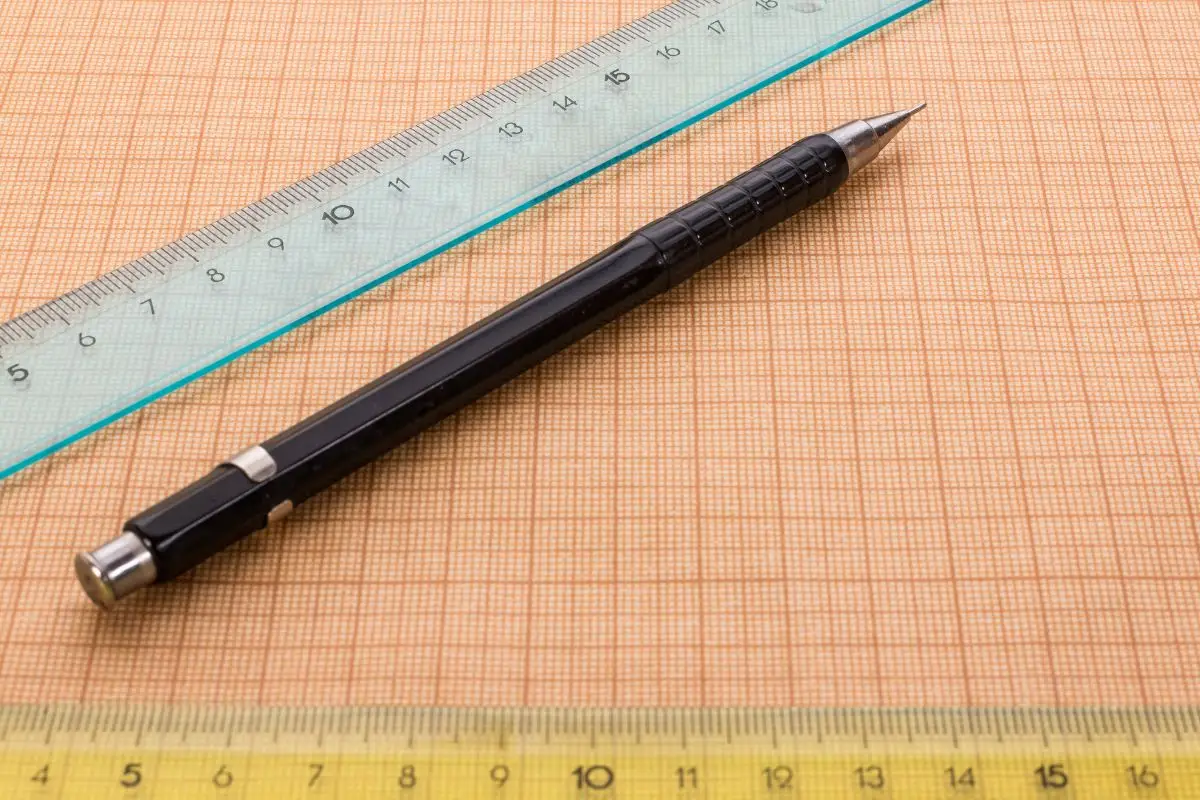
In addition to ergonomic desks, a variety of tools and accessories can further enhance precision in architectural drawing. Tools such as mechanical pencils, precision rulers, and digital drawing tablets can greatly improve the quality of your work. For example, mechanical pencils allow for consistent line weights, which is crucial for clarity in architectural plans.
Digital tools have revolutionized the way architects create designs. Software programs eliminate human error by offering advanced capabilities for scaling and measuring. When used in conjunction with ergonomic desks, these tools provide an ideal setup for architects to produce work that is both precise and innovative.
Case Studies of Successful Projects
Many architects have adopted ergonomic drafting tables and have seen significant improvements in their workflows. For example, one well-known architecture firm reported increased speed and quality of designs after integrating ergonomic desks into their practice. Architects reported less fatigue during long work hours, allowing them to maintain focus and creativity.
Another case study involved a community project where local architects used ergonomic desks to engage with the public in design workshops. The comfort provided by these desks encouraged greater participation and collaboration, resulting in innovative ideas and designs that reflected the needs of the community. This demonstrates how ergonomic furniture can not only enhance individual performance but also encourage teamwork and creativity in architectural projects.
Feedback from Professional Architects
Feedback from professional architects using ergonomic drafting desks is overwhelmingly positive. Many say that these desks have transformed their working experience. They say that physical strain is reduced and they can work for longer hours without discomfort. This comfort is directly reflected in their drawing quality, as they can maintain focus for longer periods of time.
Architects also appreciate the versatility of ergonomic desks, which can be adjusted for different tasks, such as sketching, drafting, or collaborating with others. The ability to customize workspaces to suit their needs has been a game-changer for many professionals. Ultimately, the consensus is clear: ergonomic drafting desks are not just a luxury, they are a valuable investment in an architect’s health and productivity.
As a result, ergonomic drafting tables play a vital role in improving both comfort and precision for architects. These tables support the physical well-being of architects, allowing them to produce work that meets the high standards of accuracy required in the field. As the architectural landscape continues to evolve, integrating ergonomic solutions will undoubtedly continue to be essential to fostering creativity and excellence in design.
In the world of architecture, where precision and creativity intersect, the tools we use can significantly impact our work. One of these tools that stands out is the ergonomic drafting desk. These specially designed desks are not only built for functionality, but also to increase user comfort, allowing architects to work for long periods of time without physical strain. As we examine the differences between ergonomic and traditional drafting desks, we will explore their designs, cost impacts, user experiences, durability, and special recommendations.
Comparing Ergonomic Drafting Tables to Traditional Desks
When evaluating the benefits of ergonomic drafting desks, it is important to understand how they compare to traditional desks. This comparison covers a variety of aspects, from design to user experience.
Design Differences
The design of ergonomic drafting desks is a key feature that sets them apart from the rest. Traditional desks often adhere to standard sizes and shapes, which may not accommodate the variety of postures required for long working hours. In contrast, ergonomic desks feature adjustable heights and angles, allowing architects to customize their workspace to their own comfort. This flexibility promotes healthier posture, reducing the risk of musculoskeletal disorders. Additionally, many ergonomic desks include built-in features such as cable management systems and integrated lighting, organizing the workspace and increasing productivity.
Cost Analysis
When investing in new equipment, cost is always a consideration. Ergonomic drafting tables can be more expensive than traditional desks. However, it is important to look beyond the initial price tag. While traditional desks may save money up front, the long-term benefits of ergonomic desks often outweigh the costs. Architects who invest in ergonomic desks may experience fewer health problems, which can reduce medical expenses and time lost due to discomfort. Increased productivity and comfort over time can provide a better return on investment, making ergonomic desks a financially sound choice in the long run.
User Experience Comparison
User experience is a vital factor when evaluating any workspace tool. Traditional desks can lead to discomfort and fatigue, especially for architects who spend long hours sketching and drafting. Ergonomic drafting desks, on the other hand, are designed with the user in mind. They encourage a natural body position and support a range of motion that can help maintain focus and creativity. The comfort these desks provide allows architects to be more engaged with their work, promoting a more enjoyable and productive experience overall.
Longevity and Durability
Durability and longevity are also important considerations when comparing these two types of desks. Traditional desks may be made from less durable materials, which can lead to wear and tear over time. Ergonomic drafting desks, on the other hand, are typically made from high-quality materials designed to withstand the rigors of daily use. Their adjustable components are designed to last, ensuring the desk remains functional and supportive for years to come. This durability not only extends the life of the desk, but also provides architects with a reliable workspace that can adapt to their changing needs.
Recommendations for Special Needs
Choosing the right drafting table ultimately comes down to individual requirements. For architects who frequently work on large-scale projects or who need to switch between sitting and standing positions, an adjustable ergonomic desk may be the best option. Conversely, those who prefer a fixed, traditional workspace may prefer a more classic design, provided they take regular breaks to reduce discomfort. Understanding architects’ specific needs and working styles can help guide them to make an informed decision that balances comfort, functionality, and aesthetic appeal.
In conclusion, the comparison between ergonomic drafting tables and traditional desks reveals significant differences in terms of design, cost-effectiveness, user experience, durability and suitability for individual needs. As architects strive to create innovative designs, investing in ergonomic solutions can improve their work environment and ultimately enable greater creativity and precision in their projects.
6. Conclusion and Future Trends
As we wrap up our review of ergonomic drafting tables, it’s important to consider how these tools not only increase architects’ comfort but also enhance their precision in design creation. Ergonomics is more than just a trend; it represents a fundamental shift in how we approach the work environment to foster creativity and productivity.
Summary of Key Points
Throughout our discussion, we have emphasized the importance of ergonomic drafting desks in the field of architecture. These desks are designed to support the user’s natural posture, reducing strain on the back, neck, and wrists. Adjustable features allow architects to customize their workspaces to accommodate different tasks and preferences. Furthermore, these desks increase comfort, helping to maintain focus and productivity during long work hours. Integrating features such as tilt angles and height adjustments not only enhance usability, but also support the intricate details required in architectural plans.
Future Innovations in Ergonomic Design
Looking ahead, the future of ergonomic drafting desks is bright and promising. We can foresee developments that include smart technology that will allow desks to adapt to the user’s posture and working style in real time. Imagine desks that can detect fatigue levels and suggest breaks or adjustments to maintain optimum comfort. Additionally, the materials used in construction are likely to evolve with a focus on sustainability and environmental impact to ensure ergonomic designs are not only effective but also eco-friendly.
The Role of Technology in Drafting Tables
Technology plays a major role in the evolution of drafting tables. With the rise of digital design, we are seeing the merging of physical and virtual tools. Ergonomic desks of the future may integrate touchscreens or embedded software to streamline design processes right in the workspace. This integration can streamline workflows, allowing architects to seamlessly transition between physical sketches and digital plans. Additionally, features like wireless charging and connected devices can enhance the overall user experience, making these desks not just a workspace but a hub for creativity.
Final Thoughts on Ergonomics in Architecture
The importance of ergonomics in architecture cannot be overstated. As architects face the demands of modern design challenges, the tools they use must evolve accordingly. Ergonomic drafting tables are much more than just furniture; they are an investment in health and productivity. By prioritizing comfort and precision, architects can unleash their full creative potential and deliver innovative designs that meet the needs of society.
Encouraging Architects to Invest in Ergonomics
As a result, it is essential to encourage architects to view ergonomics as a vital aspect of their practice. Investing in ergonomic drafting tables is not just a matter of comfort; it is a commitment to improving the quality of work and overall well-being. By embracing these tools, architects can develop a workspace that encourages creativity, reduces health risks, and ultimately leads to better design outcomes. In a profession that requires both precision and creativity, ergonomic design is a step towards a healthier, more productive future.
Discover more from Dök Architecture
Subscribe to get the latest posts sent to your email.