

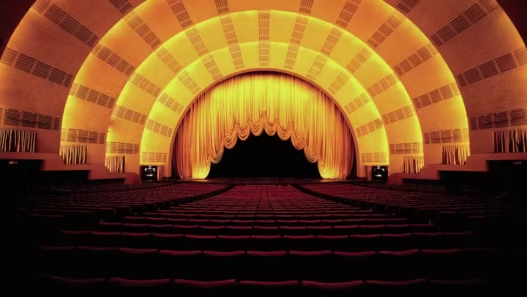

Radio City Music Hall -Contemporary Deco
Radio City Music Hall, which opened its doors in Manhattan in 1932, is a masterpiece that is said…
Art Deco Architecture is an architectural movement that was influential from the late 1920s to the mid-1940s, characterized by flamboyant and elegant designs. This style offers a mix of modernism and traditional elements.
Key Features:
Ornaments: Geometric patterns, colorful mosaics and sculptural details are used.
Rich Use of Materials: Luxury materials such as glass, metal and marble are preferred.
Dynamic Forms: High and bold lines, flowing forms and symmetrical arrangements stand out.
Technological Emphasis: With the impact of the industrial revolution, technological elements are integrated into architecture.
Important Buildings:
Chrysler Building (New York): One of the symbols of Art Deco, it draws attention with its elegant details.
Empire State Building (New York): One of the iconic buildings of the period with its height and design.
Palais de Chaillot (Paris): Known for its aesthetic and majestic facades.
Art Deco architecture combines aesthetics and functionality, reflecting the cultural and technological changes of the early 20th century.