



From Brutalism’s “I-hate-sunshine” energy to Baroque’s gold-leaf diva tantrums, architecture styles can feel like a cryptic game of Minecraft meets Art History 101. This no-bs guide cracks the code on 20 iconic design movements—no textbooks, just memes, vibes, and a sprinkle of existential angst. Perfect for architecture students, design nerds, or anyone who’s ever side-eyed a building and muttered, “But why?”
Brutalism Architecture: The Concrete Supervillain’s Playbook
Brutalism is when buildings cosplay as dystopian robot lairs—raw concrete, sharp angles, and “I’d rather gargle gravel than use color” energy.
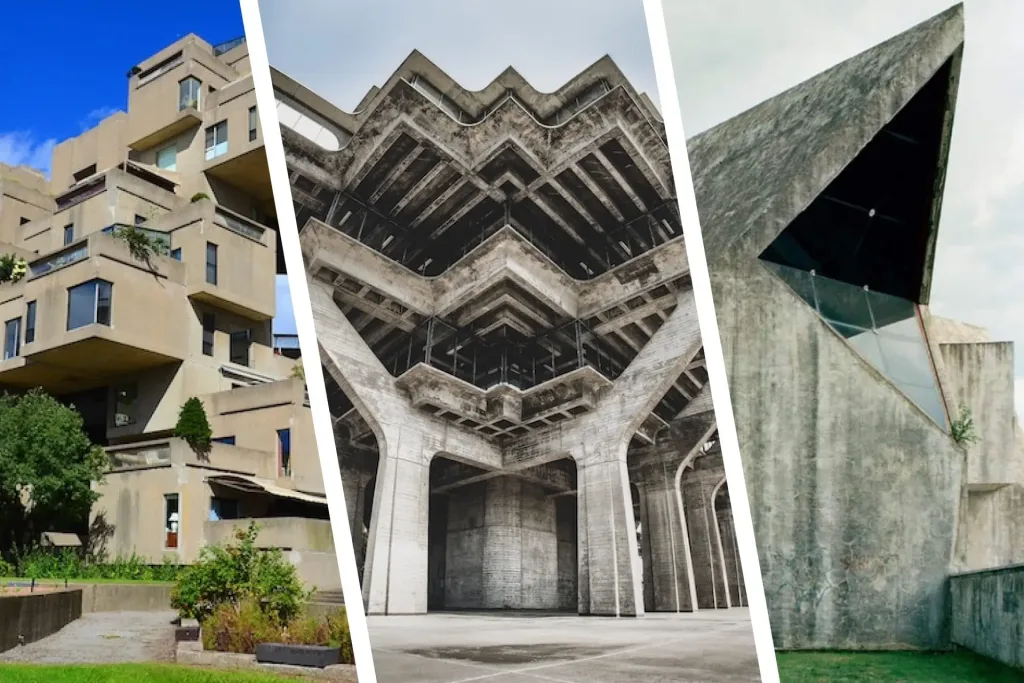
- Key Traits: Exposed concrete, fortress vibes, geometric shapes.
- Vibe: Unapologetic, philosophy-major-meets-apocalypse.
- Famous Example: Boston City Hall (aka “The Gray Ghost of Bureaucracy”).
Gothic Style: When Cathedrals Craved Drama (and God’s WiFi)
Gothic architecture is medieval Europe’s answer to “How do we make churches look like they’re on a caffeine bender?”

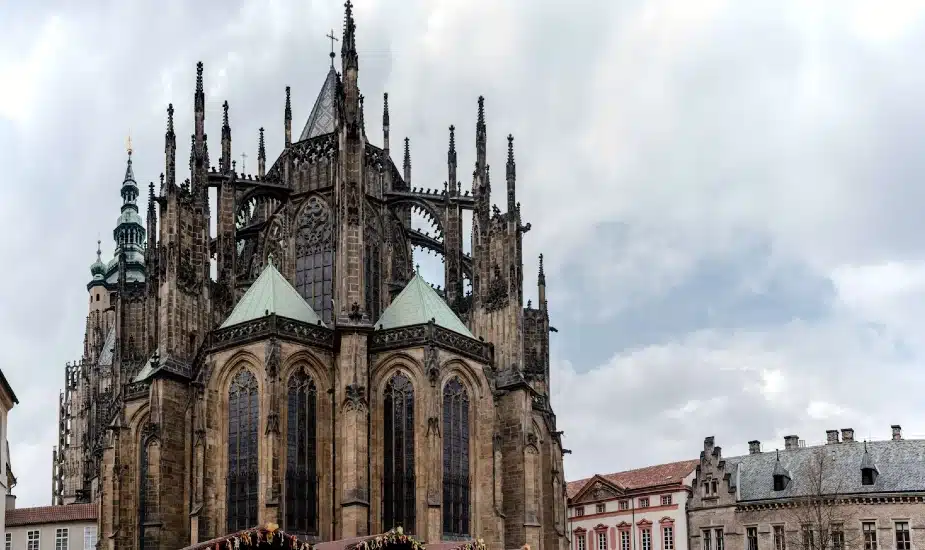
- Key Traits: Pointed arches, stained glass, spires that scream “I need cell service ASAP.”
- Vibe: Hauntingly extra, like a Tim Burton cathedral.
- Famous Example: Notre-Dame de Paris (pre-fire flex).
Bauhaus Design: Minimalist Robots on a German Caffeine High
Bauhaus is when architects say “Death to frills!” and birth sleek, geometric spaces that scream “Ikea’s strict German uncle.”


- Key Traits: Clean lines, functional furniture, zero ornamentation.
- Vibe: “Form follows function… and also my crippling fear of clutter.”
- Famous Example: Bauhaus (a concrete rectangle with attitude).
Art Deco Architecture: Jazz-Age Billionaires in Geometric Tuxedos
Art Deco is the Roaring Twenties’ architectural mic drop—zigzags, chrome, and “I’m basically the Great Gatsby’s summer home.”


- Key Traits: Sunburst motifs, sleek curves, metallic bling.
- Vibe: Opulent, retro-futuristic, “I vacation in Atlantis.”
- Famous Example: Chrysler Building (NYC’s chrome-plated ego trip).
Modernism: When Buildings Pretend They’re From the Future
Modernism is the “glass box” era—floating roofs, open plans, and “Nature? I’ll just frame it like a painting” energy.

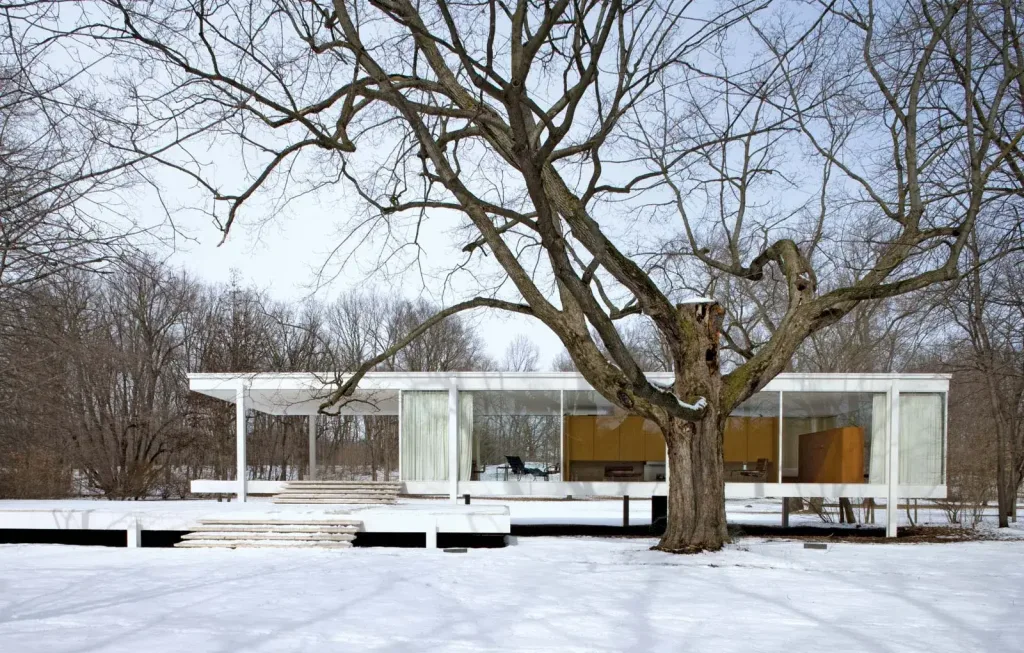
- Key Traits: Floor-to-ceiling windows, flat roofs, neutral tones.
- Vibe: “I’m sustainable… but also a pretentious art gallery.”
- Famous Example: Farnsworth House (a glass cube that hates curtains).
Postmodernism: Architecture’s Troll Era
Postmodernism is when designers say “Rules? LOL” and slap neon columns on classical temples.


- Key Traits: Clashing styles, irony, meme-worthy chaos.
- Vibe: “What even is beauty? Let’s ask this giant rubber duck.”
- Famous Example: Portland Building (a pastel troll face in concrete form).
Victorian Style: Houses That Ate a Craft Store
Victorian Style is when homes say, “More is more!” with intricate details, ornate trims, and a touch of gothic drama. Think lace doilies turned into architecture.

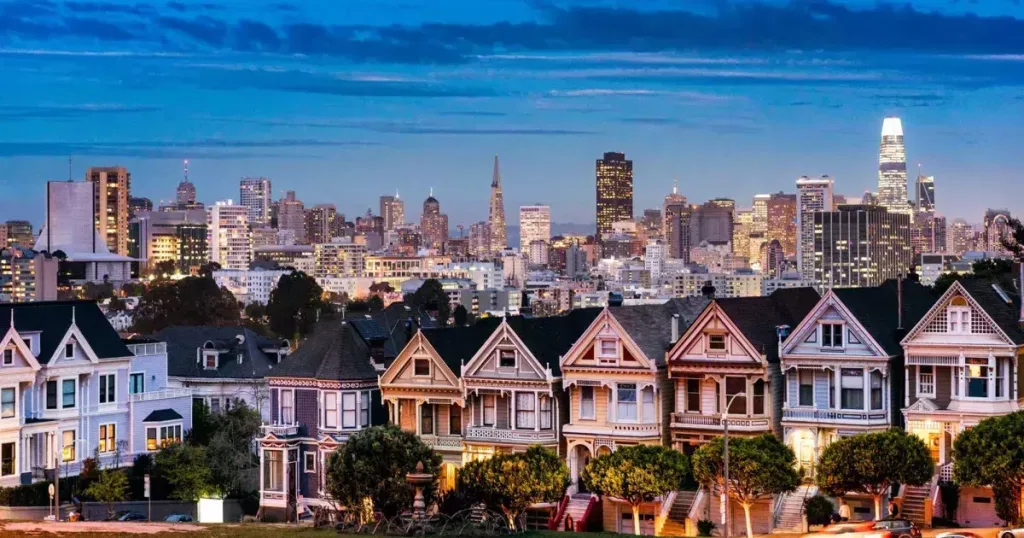
- Key Traits: Gingerbread trim, turrets, “more-is-more-and-then-add-a-dormer” philosophy.
- Vibe: A maximalist’s Pinterest board come to life.
- Famous Example: The Painted Ladies of San Francisco.
Deconstructivism: Architecture’s Midlife Crisis
Deconstructivism is when buildings have an existential crisis and decide to break all the rules. Expect fragmented forms and a chaotic, “I’m not like other buildings” vibe.

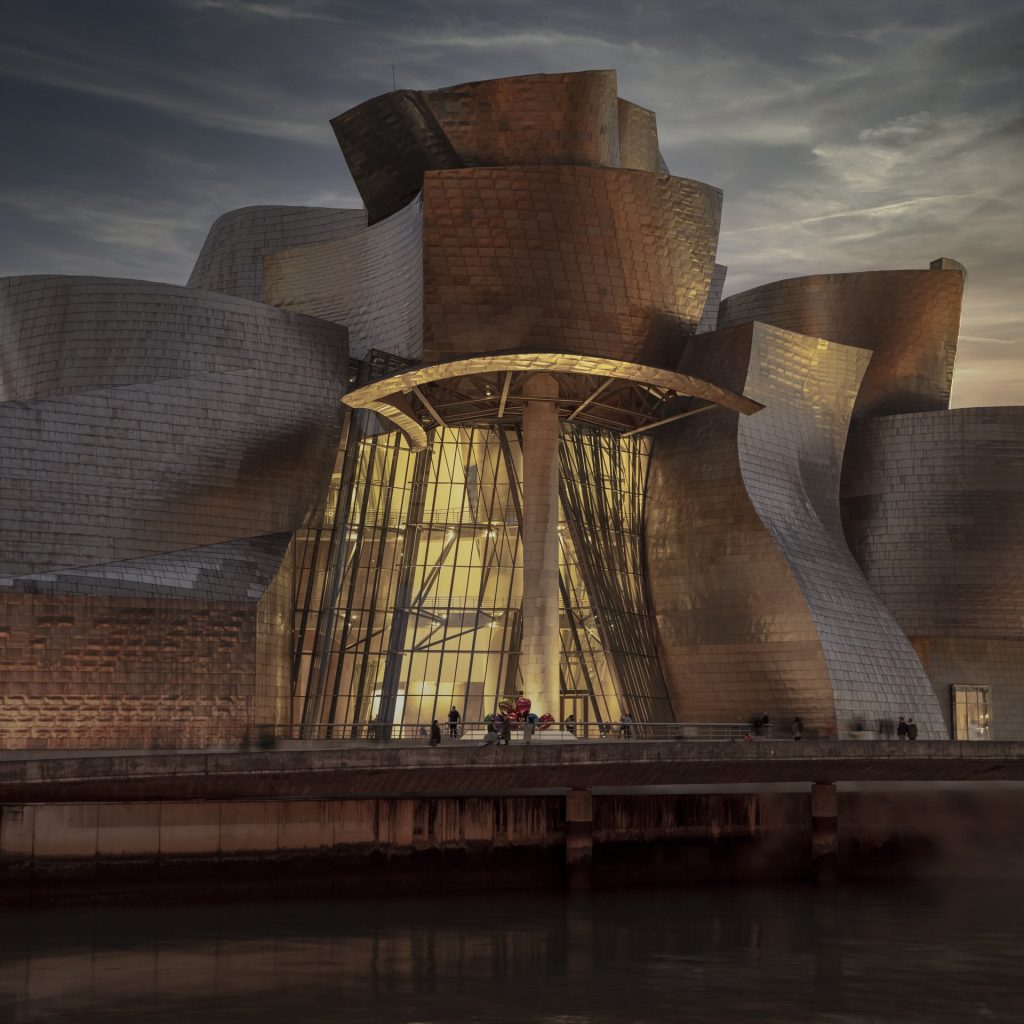
- Key Traits: Fragmented shapes, leaning walls, “I’m not drunk, you’re drunk” energy.
- Vibe: Darth Vader’s summer home after a philosophy degree.
- Famous Example: Guggenheim Museum Bilbao.
Scandinavian Design: Hygge Meets IKEA Catalog
Scandinavian Design is the cozy minimalism of your dreams—clean lines, natural materials, and a “less is more” attitude that makes you want to curl up with a good book and a cup of tea.


- Key Traits: Light wood, cozy minimalism, “I meditated on this bookshelf” simplicity.
- Vibe: A Swedish sauna crossed with a mindfulness app.
- Famous Example: Finnish Pavilion at Venice Biennale.
Mediterranean Style: Lemon Groves With a Mortgage
Mediterranean Style is when homes channel their inner Italian villa with stucco walls, terracotta roofs, and a “I’m always on vacation” energy, even if you’re just in the suburbs.

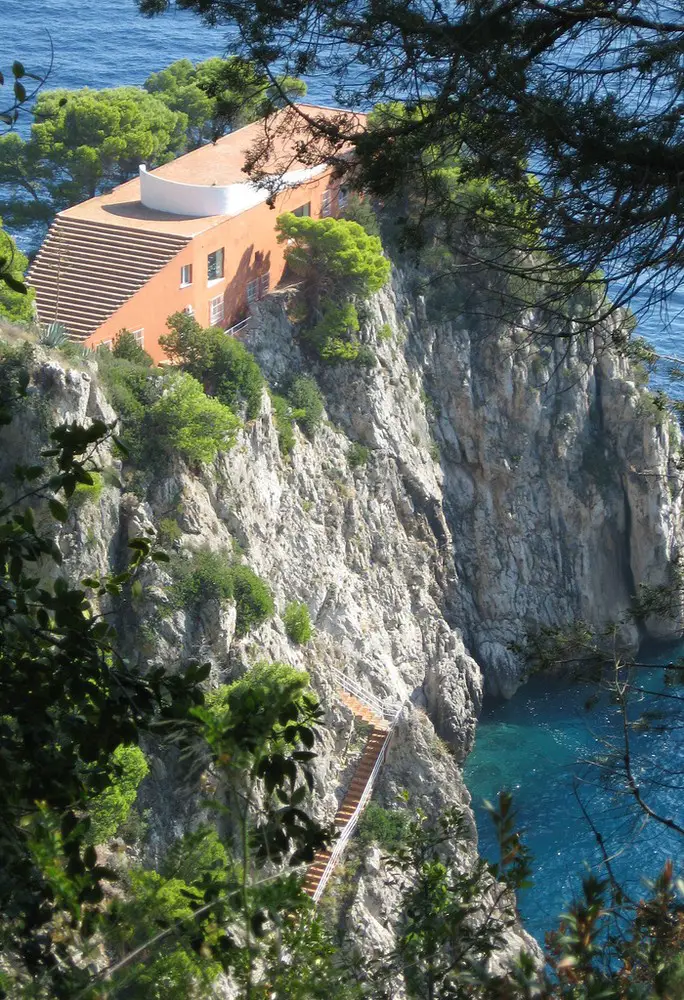
- Key Traits: Stucco walls, terracotta roofs, “I’m basically a villa in Santorini” energy.
- Vibe: Olive oil commercial meets timeshare brochure.
- Famous Example: Casa Malaparte.
Japanese Minimalism: Zen and the Art of Empty Space
Japanese Minimalism is the art of making less look like so much more. Think serene spaces, natural light, and a calming simplicity that says, “I’m at peace with my clutter-free life.”


- Key Traits: Tatami mats, sliding screens, “less is more, but also wabi-sabi” mantra.
- Vibe: A monk’s Airbnb with impeccable vibes.
- Famous Example: Katsura Imperial Villa.
High-Tech Style: Buildings That Flex Their Guts
High-Tech Style is when buildings show off their industrial muscles with exposed pipes, metal frames, and a “look at my high-tech abs” attitude. It’s architecture’s version of a gym selfie.

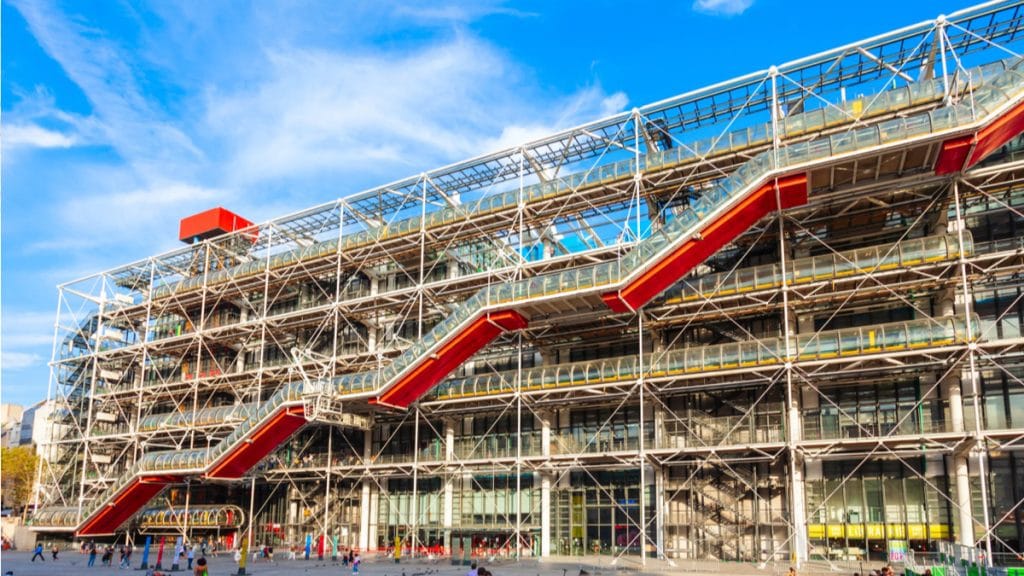
- Key Traits: Exposed pipes, steel skeletons, “I’m a spaceship’s LinkedIn headshot” aesthetic.
- Vibe: Industrial chic meets sci-fi fanfiction.
- Famous Example: Centre Pompidou.
Baroque Architecture: Ornamentation’s Glitter Bomb
Baroque Architecture is when buildings say, “Go big or go home” with elaborate details, dramatic curves, and a “more gold, please” aesthetic that’s basically a glitter bomb in stone.

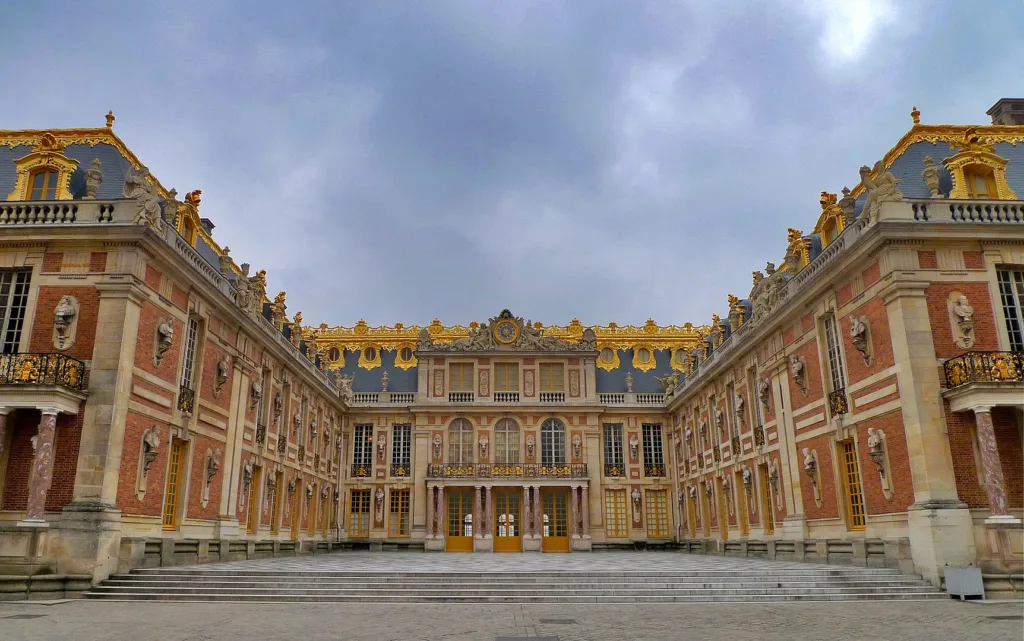
- Key Traits: Gold leaf, swirling curves, “I’m not extra, you’re basic” energy.
- Vibe: A diva’s fever dream after binge-watching Marie Antoinette.
- Famous Example: Versailles Palace.
Industrial Chic: Warehouses Gone Trust Fund
Industrial Chic is when old factories and warehouses get a trendy makeover with exposed brick, vintage lighting, and a “I’m gritty but also very expensive” vibe.
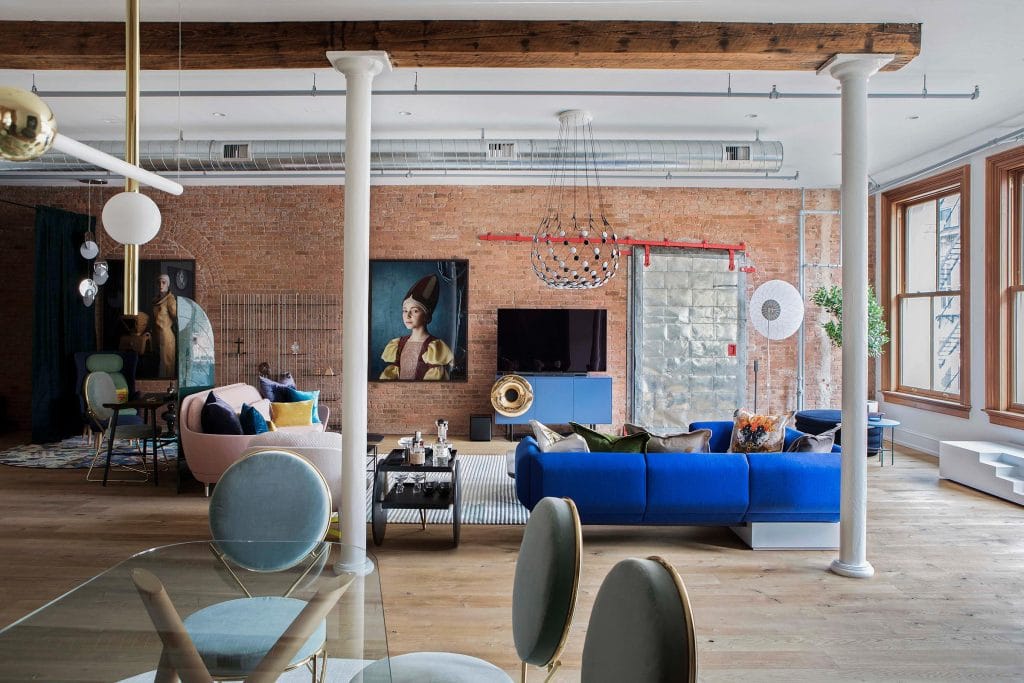
- Key Traits: Brick walls, Edison bulbs, “I paid $20k to look like a factory” irony.
- Vibe: Brooklyn loft meets Steampunk for Beginners.
- Famous Example: New York’s SoHo lofts.
Tudor Style: Shakespearean Cosplay for Houses
Tudor Style is when homes dress up like they’re straight out of a Shakespeare play with steep roofs, half-timbered walls, and a “ye olde English cottage” charm.


- Key Traits: Half-timbered walls, steep roofs, “I’m 70% chimney, 30% ‘hath’” energy.
- Vibe: A cottage from Hamlet with Wi-Fi.
- Famous Example: Anne Hathaway’s Cottage.
Mid-Century Modern: Atomic Age Time Capsules
Mid-Century Modern is when homes say, “Retro but make it futuristic” with sleek lines, bold colors, and a “I’m from the ’50s but still cool” energy.

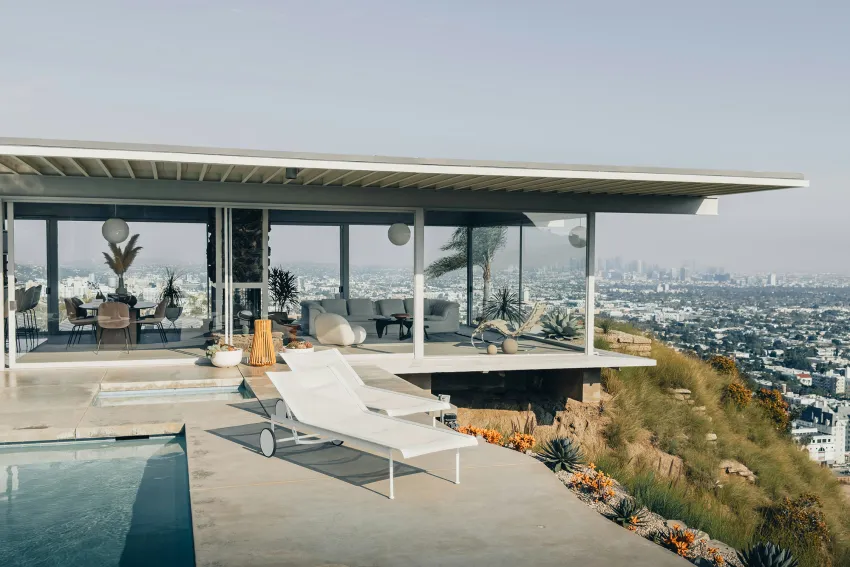
- Key Traits: Splayed legs, starbursts, “Eames chair or bust” retro futurism.
- Vibe: Mad Men meets The Jetsons.
- Famous Example: Stahl House.
Rococo Style: Cupcake Overdose in 3D
Rococo Style is when buildings go full-on pastel and frilly, like a cupcake overdose in architectural form. Think elaborate curves, pastel colors, and a “I’m sweet but also extra” vibe.

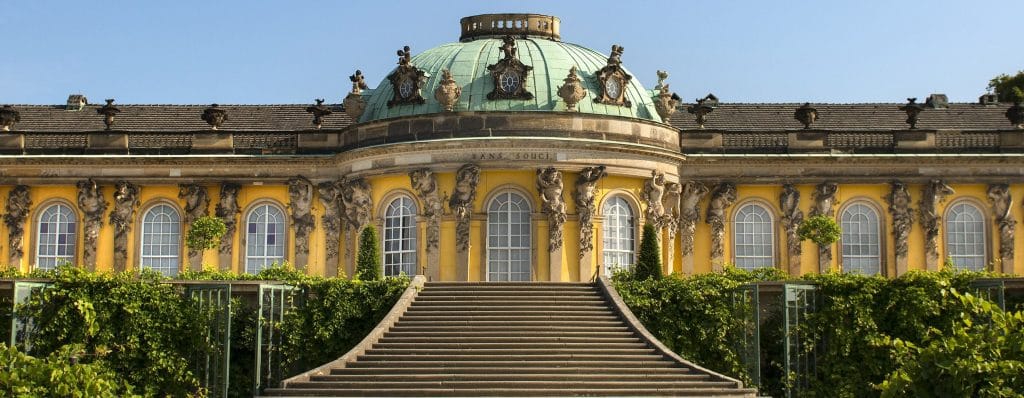
- Key Traits: Pastel curlicues, cherub infestations, “Marie Antoinette’s Pinterest board” energy.
- Vibe: A wedding cake that learned ballet.
- Famous Example: Sanssouci Palace.
Prairie Style: Frank Lloyd Wright’s Horizon Hug
Prairie Style is when homes embrace the landscape with low, horizontal lines and a “I’m one with nature” vibe, courtesy of Frank Lloyd Wright’s vision.

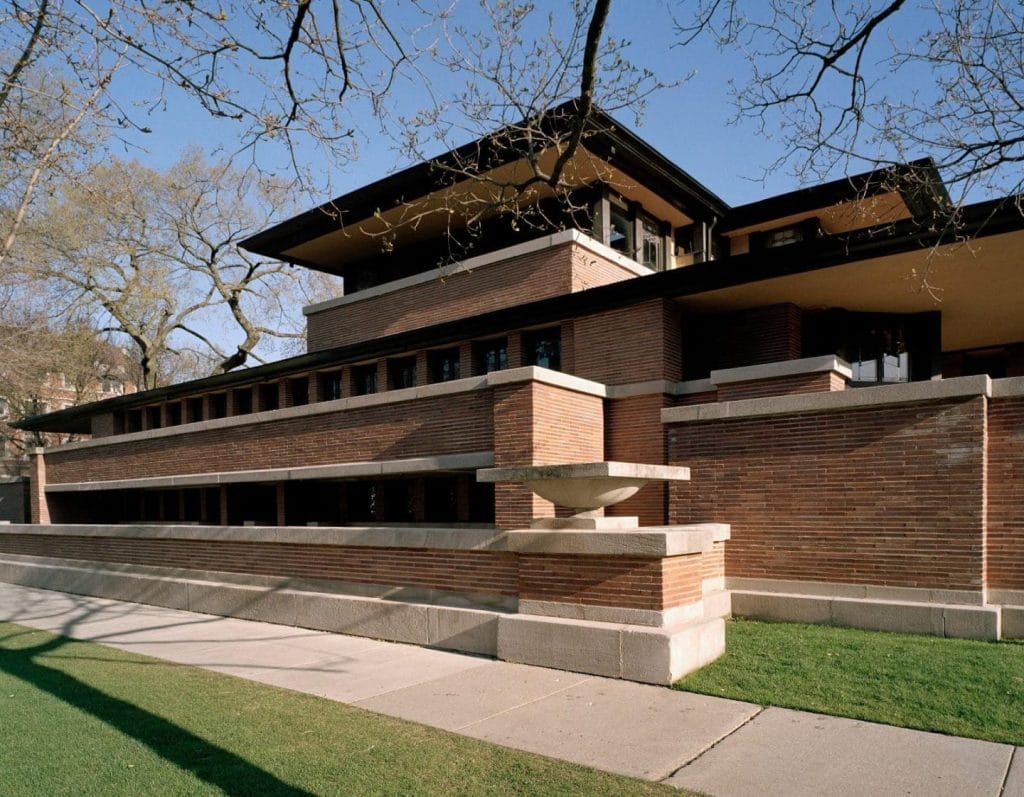
- Key Traits: Low roofs, horizontal lines, “Nature, but make it flat” philosophy.
- Vibe: A Midwest landscape in building form.
- Famous Example: Robie House.
Neo-Futurism: Blade Runner’s Sustainable Cousin
Neo-Futurism is when buildings look like they’re from a sci-fi movie but with a green twist. Think sleek, futuristic designs that say, “I’m from the future, but I recycle.”


- Key Traits: Sleek curves, eco-tech bling, “I’m a UFO’s Airbnb” aesthetic.
- Vibe: Green tech meets cyberpunk fanfic.
- Famous Example: Heydar Aliyev Center.
De Stijl: Mondrian’s Architectural Fanfiction
De Stijl is when buildings become living Mondrian paintings with bold primary colors, geometric shapes, and a “I’m abstract art in 3D” vibe. Think minimalist design meets maximalist color theory.

- Key Traits: Primary color blocks, grid obsession, “I’m a 3D Rietveld chair” simplicity.
- Vibe: A walking Piet Mondrian painting with a mortgage.
- Famous Example: Rietveld Schröder House.
FAQ Section: Architecture Styles, Explained
FAQ Section: Architecture Styles, Explained
- Q: Why does Brutalism look so… angry?
- A: It’s not angry—it’s just “aesthetically allergic to joy.”
- Q: Is Brutalism just a bunch of concrete blocks?
- A: Pretty much. Think of it as a giant LEGO set made of concrete, but without the fun colors.
- Q: Can Brutalism be cozy?
- A: Only if you find coziness in a fortress. It’s more about strength and raw materials than comfort.
- Q: Why do Gothic buildings have so many pointy bits?
- A: They’re reaching for the sky to get better reception from God’s WiFi.
- Q: Are Gothic buildings always dark and spooky?
- A: Not always, but they do love a good moody atmosphere with lots of shadows and mystery.
- Q: Can I live in a Gothic castle?
- A: Only if you’re okay with drafty halls and maybe a ghost or two.
- Q: What’s the deal with Bauhaus and minimalism?
- A: Bauhaus is like a robot that only drinks espresso—clean lines, no clutter, and super efficient.
- Q: Is Bauhaus design boring?
- A: Not boring, just very simple and functional. Think of it as the opposite of a messy room.
- Q: Can I Bauhaus my kitchen?
- A: Sure, if you like everything to have a place and a purpose, and nothing extra.
- Q: Why does Art Deco look so fancy?
- A: It’s like a billionaire from the 1920s dressed up in a geometric tuxedo—lots of glamour and shiny details.
- Q: Is Art Deco only for rich people?
- A: Not anymore! Anyone can add a touch of Art Deco glamour to their space with the right decor.
- Q: Can I Art Deco my bathroom?
- A: Absolutely! Think gold fixtures, geometric tiles, and maybe a fancy mirror.
- Q: What’s the difference between Modernism and Postmodernism?
- A: Modernism is “less is more”; Postmodernism is “less is a bore, let’s glue a gargoyle to this skyscraper.”
- Q: Is Modernism always white and sterile?
- A: Not always, but it does love clean lines and open spaces. Think of it as a very tidy spaceship.
- Q: Can I Modernism my living room?
- A: Yes, if you like minimal furniture and lots of natural light.
- Q: Why does Postmodernism look so weird?
- A: It’s like architecture’s troll era—anything goes, and the weirder, the better.
- Q: Is Postmodernism just a big joke?
- A: Not quite, but it does like to play with expectations and mix up different styles.
- Q: Can I Postmodernism my backyard?
- A: Go for it! Add a mix of crazy sculptures, bright colors, and unexpected shapes.
- Q: Is Victorian architecture just ‘maximum clutter’?
- A: Yes. “More is more, and then add a gazebo.”
- Q: Why do Victorian houses have so many details?
- A: They love showing off with lots of decorations, like lace on a fancy dress.
- Q: Can I Victorian my bedroom?
- A: If you love lots of patterns, frills, and antique furniture, then yes!
- Q: Why does Deconstructivism look so chaotic?
- A: It’s like architecture’s midlife crisis—breaking all the rules and looking a bit crazy.
- Q: Is Deconstructivism safe?
- A: Yes, even though it looks like it’s falling apart, it’s designed to be stable.
- Q: Can I Deconstructivism my office?
- A: Maybe not the whole office, but you can add some funky, asymmetrical furniture.
- Q: What makes Scandinavian design so cozy?
- A: It’s all about hygge—warm, cozy spaces with lots of natural light and simple, functional furniture.
- Q: Is Scandinavian design expensive?
- A: Not necessarily. Think IKEA—affordable and stylish.
- Q: Can I Scandinavian my entire home?
- A: Yes! Focus on minimalism, natural materials, and lots of cozy textures.
- Q: Why do Mediterranean homes look so relaxing?
- A: They’re inspired by lemon groves and seaside villas—lots of warm colors and outdoor living spaces.
- Q: Is Mediterranean style only for hot climates?
- A: No, you can bring the Mediterranean vibe anywhere with the right colors and plants.
- Q: Can I Mediterranean my patio?
- A: Definitely! Add some terracotta pots, a pergola, and lots of greenery.
- Q: Why is Japanese minimalism so calming?
- A: It’s all about zen—keeping spaces simple, uncluttered, and focused on natural beauty.
- Q: Is Japanese minimalism hard to achieve?
- A: It can be challenging if you’re used to lots of stuff, but it’s very rewarding.
- Q: Can I Japanese minimalism my closet?
- A: Yes, by keeping only what you need and organizing it neatly.
- Q: Why do High-Tech buildings look so exposed?
- A: They like to show off their inner workings, like a building flexing its muscles.
- Q: Is High-Tech style only for big buildings?
- A: No, you can incorporate High-Tech elements into smaller spaces with exposed pipes and industrial materials.
- Q: Can I High-Tech my garage?
- A: Sure! Think exposed beams, metal shelves, and lots of functional storage.
- Q: Why is Baroque so over-the-top?
- A: It’s like a glitter bomb of ornamentation—the more dramatic, the better.
- Q: Is Baroque only for fancy places?
- A: Not anymore. You can add Baroque elements to any space with rich fabrics and elaborate decor.
- Q: Can I Baroque my dining room?
- A: Yes, with a fancy chandelier, ornate furniture, and lots of gold accents.
- Q: Why does Industrial Chic look so rough
- A: It’s like a warehouse that got a trust fund—rough materials but with a stylish twist.
- Q: Is Industrial Chic comfortable?
- A: It can be, with the right mix of industrial elements and cozy furnishings.
- Q: Can I Industrial Chic my kitchen?
- A: Absolutely! Think exposed brick, metal stools, and industrial-style lighting.
- Q: Why do Tudor houses look so old-fashioned?
- A: They’re like houses in Shakespearean cosplay—lots of timber, steep roofs, and old-world charm.
- Q: Is Tudor style only for big houses?
- A: No, you can add Tudor elements to any home with the right details and materials.
- Q: Can I Tudor my front door?
- A: Yes, with a heavy wooden door and some decorative hardware.
- Q: Why does Mid-Century Modern look so retro?
- A: It’s like a time capsule from the Atomic Age—clean lines, bold colors, and futuristic shapes.
- Q: Is Mid-Century Modern still popular?
- A: Yes, it’s having a big comeback with its timeless and stylish design.
- Q: Can I Mid-Century Modern my living room?
- A: Definitely! Think retro furniture, geometric patterns, and lots of natural light.
- Q: Can I Rococo my apartment?
- A: Only if you’re prepared to dust 1,000 gold cherubs daily.
- Q: Why is Rococo so fancy?
- A: It’s like a cupcake overdose in 3D—lots of curves, gold, and elaborate details.
- Q: Is Rococo only for rich people?
- A: Not anymore. You can add Rococo elements to any space with the right decor and a love for fancy details.
- Q: Why does Prairie Style look so flat?
- A: It’s like a horizon hug—low, wide buildings that blend with the landscape.
- Q: Is Prairie Style only for rural areas?
- A: No, you can incorporate Prairie Style elements into any home with the right design and materials.
- Q: Can I Prairie Style my backyard?
- A: Yes, with lots of natural landscaping and a focus on horizontal lines.
- Q: Why does Neo-Futurism look so futuristic?
- A: It’s like Blade Runner’s sustainable cousin—sleek, modern, and eco-friendly.
- Q: Is Neo-Futurism expensive?
- A: It can be, but there are affordable ways to incorporate sustainable and modern elements into your space.
- Q: Can I Neo-Futurism my home office?
- A: Yes, with lots of natural light, modern furniture, and eco-friendly materials.
- Q: Why does De Stijl look so geometric?
- A: It’s like Mondrian’s architectural fanfiction—lots of straight lines, primary colors, and simple shapes.
- Q: Is De Stijl only for art lovers?
- A: No, anyone can appreciate the clean, modern look of De Stijl.
- Q: Can I De Stijl my bedroom?
- A: Yes, with a focus on primary colors, simple furniture, and geometric patterns.
Congrats! You’ve now survived Architecture 101. Next time you spot a concrete bunker or a gold-leafed monstrosity, you’ll know whether to whisper “slay” or “therapy.”
P.S. If Google asks, you’re now a certified “architecture vibe translator.” 🎓🏗️