

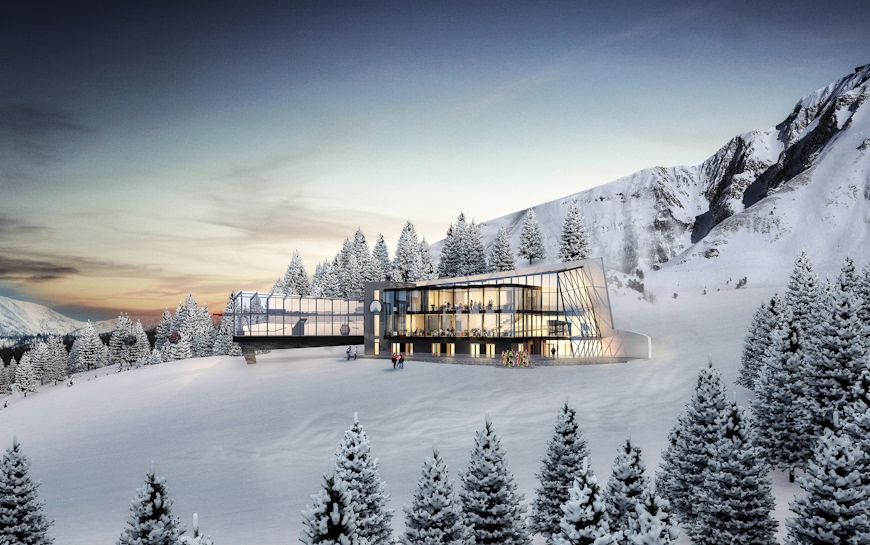
Ski resorts are much more than slopes and lifts, these winter wonders beckon skiers and snowboarders from around the world. They are carefully designed environments where architecture plays a crucial role in shaping the visitor experience, blending seamlessly with the natural landscape and responding to the unique challenges of a harsh, mountainous environment.

Defining Ski Resorts: Purpose and Functionality
Ski resorts are complex and multifaceted destinations designed to offer a complete winter sports experience. They encompass a range of facilities and services, each with a specific purpose and function:
- Accommodation: Hotels, chalets and apartments offer a range of accommodation options for visitors, from luxury suites to budget-friendly accommodation.
- Skiing and Snowboarding: Slopes, lifts and ski schools cater to skiers and snowboarders of all levels, providing access to a variety of terrain and challenges.
- Dining and Entertainment: Restaurants, bars and après-ski venues offer a variety of dining and entertainment options, creating a lively social atmosphere.
- Retail and Services: Shops, rental outlets and other services cater to visitors’ needs, providing everything from ski equipment to souvenirs.
- Infrastructure: Roads, parking lots and utilities provide the necessary infrastructure to support resort operations and the visitor experience.
Historical Context of Ski Resort Development: Evolution and Milestones
The development of ski resorts has evolved significantly over the past century, driven by technological advances, changing leisure preferences and growing demand for winter tourism.
- First Ski Resorts: The first ski resorts emerged in the late 19th and early 20th centuries, often in remote mountainous areas with limited infrastructure.
- Post-WWII Boom: The post-WWII period saw a surge in the development of ski resorts, with increased leisure time and disposable income.
- Modernization and Expansion: The second half of the 20th century saw the modernization of ski resorts with the introduction of high-speed lifts, snow-making technology and improved accommodation facilities.
- Sustainability and Innovation: In recent years, ski resorts have increasingly focused on sustainability, combining environmentally friendly practices and innovative architectural designs.
Understanding the Unique Environment: Climate and Terrain Considerations
Ski resort architecture must respond to the unique challenges of a harsh, mountainous environment characterized by extreme temperatures, heavy snowfall and difficult terrain.
- Climate Resilience: Buildings should be designed to withstand extreme cold, heavy snowfall and strong winds using durable materials and robust construction techniques.
- Terrain Adaptation: Architecture should integrate seamlessly with the surrounding terrain, minimizing environmental impact and maximizing views and access.
- Energy Efficiency: Ski resorts should be energy efficient to reduce their environmental footprint and minimize operating costs in a challenging climate.
The Relationship between Architecture and Recreational Experience
Ski resort architecture plays a crucial role in shaping the visitor experience, creating a sense of place and enhancing the enjoyment of winter sports.
- Aesthetics and Atmosphere: Buildings should be aesthetically pleasing and create a warm atmosphere, reflecting the spirit of adventure and relaxation associated with skiing.
- Functionality and Accessibility: Buildings should be functional and accessible, providing easy access to pistes, lifts and other amenities.
- Social Interaction: Architecture should encourage social interaction, creating spaces for gathering, dining and après-ski activities.
Global Trends in Ski Resort Architecture
Ski resort architecture is evolving globally to reflect changing trends in sustainability, technology and visitor expectations.
- Sustainable Design: Ski resorts are increasingly adopting sustainable design principles by using renewable energy sources, minimizing environmental impact and promoting responsible tourism.
- Technological Integration: Smart technologies are being integrated into ski resorts, improving efficiency, safety and the visitor experience.
- Architectural Innovation: Innovative architectural designs are pushing the boundaries of ski resort architecture, creating unique and memorable experiences.
As ski resorts continue to evolve, architecture will play a vital role in shaping their future, balancing functionality, sustainability and the search for a truly memorable winter experience.
Design Principles for Ski Resorts
Creating a successful ski resort requires more than just building slopes and lifts. It requires a thoughtful approach to design that considers the unique challenges and opportunities presented by the mountainous environment and the needs of visitors. Here are some key design principles that guide the creation of exceptional ski resorts:
Integration with Nature: Harmonizing Architecture with Landscape
Ski resorts should be designed to blend seamlessly with the surrounding natural environment, minimizing their impact and enhancing the beauty of the landscape.
- Site Sensitivity: Buildings should be carefully sited to minimize disturbance to natural features such as forests, streams and wildlife habitats.
- Material Selection: Using natural materials such as wood, stone and metal that complement the surrounding landscape can create a sense of harmony and place.
- Sustainable Practices: Using sustainable construction techniques such as green building standards and energy-efficient design can minimize the environmental impact of the facility.
Accessibility and Flow: Design for Efficient Movement and Safety
Ski resorts should be designed to facilitate efficient movement and ensure the safety of visitors both on and off the slopes.
- Clear Circulation Routes: Well-defined paths and signage should direct visitors to the slopes, lifts, accommodation and other amenities.
- Accessible Design: Buildings and facilities should be accessible to people with disabilities and provide equal access to all facilities.
- Safety Features:Safety features such as railings, lighting and snow removal systems should be included to minimize risks and provide a safe environment.
Community Spaces: Creating Spaces for Social Interaction and Gathering
Ski resorts should provide spaces for visitors to gather, socialize and enjoy the après-ski atmosphere.
- Central Gathering Spaces: Central plazas, lobbies and public spaces should be designed to encourage interaction and create a sense of community.
- Dining and Entertainment: Restaurants, bars and entertainment venues should offer a variety of options for dining, socializing and enjoying live music or events.
- Open Spaces:Open spaces such as fire pits, patios and decks should be designed to provide opportunities to relax and enjoy mountain views.
Environmental Sustainability: Embedding Environmentally Friendly Practices in Design
Ski resorts should strive to minimize their environmental impact and promote sustainable practices in all aspects of their operations.
- Energy Efficiency: Buildings should be designed to maximize energy efficiency through the use of renewable energy sources, passive solar design and energy saving technologies.
- Water Conservation: Water conservation measures such as low-flow fixtures, rainwater harvesting and graywater systems should be implemented.
- Waste Management: Waste management systems should be in place to reduce waste generation and encourage recycling and composting.
By adhering to these design principles, ski resorts can create a harmonious balance between the built environment and the natural landscape and provide a safe, enjoyable and sustainable experience for visitors.
Materials and Construction Techniques in Ski Resort Architecture
The unique challenges of a mountainous environment with its extreme weather conditions and challenging terrain require a careful selection of materials and construction techniques to ensure the durability, functionality and sustainability of ski resort buildings.
Local Materials: Leveraging Regional Resources for Sustainable Design
Adopting local materials not only reduces the environmental impact of transportation, but also creates a sense of place and authenticity.
- Wood: Often sourced from sustainably managed forests, timber is a popular choice for its durability, insulating properties and natural beauty. It can be used for structural elements, cladding and interior finishes.
- Stone: Locally quarried stone provides durability, thermal mass and a rustic aesthetic. It is often used for foundations, walls and exterior accents.
- Metal: Steel and aluminum are durable and weather-resistant materials suitable for structural elements, roofing and cladding. They can also be used for accents and details.
Weather Resistant Structures: Design for Snow and Wind Loads
Buildings in ski resorts must withstand heavy snowfall, strong winds and extreme temperatures.
- Roof Design: Roofs should be designed with a steep slope to facilitate snow fall and prevent accumulation. Durable materials such as metal or asphalt shingles are often used.
- Structural Integrity: Buildings should be designed with robust structural elements to withstand high wind loads and seismic activity.
- Insulation: Adequate insulation is essential to maintain comfortable temperatures inside buildings and reduce energy consumption.
Energy Efficiency: Implementing Sustainable Building Technologies
Energy efficiency is extremely important in ski resorts where heating costs can be significant.
- Passive Solar Design: Orienting buildings to maximize solar gain and minimize heat loss can reduce energy consumption.
- Renewable Energy Sources: Solar panels, wind turbines and geothermal systems can provide renewable energy sources for heating, lighting and other needs.
- Energy Efficient Appliances: Using energy efficient appliances, lighting and HVAC systems can significantly reduce energy consumption.
Interior Design Creating Comfortable and Inviting Spaces for Guests
Interior design plays an important role in creating a warm and comfortable atmosphere for guests.
- Warm and Comfortable Aesthetics: Using warm colors, natural materials and comfortable furniture can create a feeling of warmth and relaxation.
- Functional Layout: Interiors should be designed to be functional and accessible, with clear circulation paths and ample storage space.
- Local Influences: Incorporating local design elements and artwork can create a sense of place and connect guests to the surrounding environment.
By carefully selecting materials and construction techniques, architects and builders can create durable, energy-efficient and aesthetically pleasing ski resort buildings, enhancing the visitor experience and minimizing environmental impact.
The Role of Ski Resort Architecture in Enhancing the Visitor Experience
Beyond the slopes and lifts, the architecture of a ski resort plays a crucial role in shaping the overall visitor experience. It’s about creating a sense of place, fostering a welcoming atmosphere and providing amenities that enhance comfort, convenience and enjoyment.
Guest Facilities: Designed for Comfort and Convenience
A well-designed ski resort prioritizes guests’ comfort and convenience, making every aspect of their stay enjoyable.
- Spacious and Welcoming Accommodation: Hotels, chalets and apartments should offer comfortable and spacious accommodation with modern amenities such as high-speed internet, entertainment systems and well-equipped kitchens.
- Easy Accessto Amenities: Guests should have easy access to pistes, lifts, restaurants, shops and other amenities with clear signage and well-defined routes.
- Relaxation and Wellness: Spa facilities, fitness centers and indoor pools provide opportunities for relaxation and rejuvenation, enhancing the overall guest experience.
Recreation Facilities: Integrating Non-Skiing Activities
Ski resorts are increasingly expanding their offerings to appeal to a wider range of interests and create a more diverse experience.
- Non-skiing Activities: Activities such as snowshoeing, cross-country skiing, ice skating and snow tubing offer alternative forms of winter recreation for those who do not ski or snowboard.
- Family Friendly Amenities: Playgrounds, indoor play areas and family-friendly dining options cater to families with young children, making the resort a welcoming destination for all ages.
- Après Ski Entertainment: Live music venues, bars and restaurants offer a vibrant après ski scene with opportunities to socialize and enjoy the mountain atmosphere.
Scenic Landscapes: Maximizing Visual Connections with the Surrounding Landscape
Breathtaking mountain views are one of the key attractions of ski resorts. Architecture should enhance these views and create opportunities for guests to connect with the natural environment.
- Panoramic Windows: Large windows and balconies offer stunning views of the surrounding mountains, creating a sense of awe and wonder.
- Outdoor Spaces: Verandas, decks and outdoor seating areas offer the opportunity to enjoy fresh air, sunshine and mountain views.
- Nature Trails: Well-maintained nature trails offer opportunities for hiking, snowshoeing or simply enjoying the tranquility of the surrounding forest.
Seasonal Adaptability: Designed for Year-Round Use
Many ski resorts are now extending their activities beyond the winter season, offering a range of activities and amenities that can be enjoyed throughout the year.
- Summer Activities: Hiking, biking, golf and other outdoor activities can extend the resort’s season by attracting visitors during the warmer months.
- Year-round Amenities: Indoor pools, fitness centers and spa facilities can be enjoyed year-round, providing a variety of amenities for guests.
- Multipurpose Spaces: Buildings can be designed with multipurpose spaces that can be adapted for different activities throughout the year.
Case Studies: Successful Architectural Features that Enhance the Visitor Experience
- The Lodge at Vail, Colorado: This luxury hotel features a grand lobby with soaring ceilings, panoramic windows and a fireplace, creating an inviting and elegant atmosphere.
- The Four Seasons Resort Hualalai, Hawaii: This resort blends seamlessly into the natural landscape with lava rock walls, cascading waterfalls and lush tropical gardens.
- The Oberoi Udaivilas, India: This opulent resort features stunning palace-like architecture with intricate details, courtyards and reflecting pools that create a truly immersive experience.
By thoughtfully combining these design principles, ski resorts can create a truly memorable experience for visitors, blending comfort, convenience and a sense of place with the breathtaking beauty of the mountain environment.
Challenges in Ski Resort Architecture
While ski resorts offer a unique and exciting experience, their development presents a unique set of challenges for architects and developers. Balancing environmental concerns, legal requirements, economic viability and community engagement is crucial to creating successful and sustainable ski destinations.
Environmental Impact: Addressing Development Concerns
Ski resorts are built in inherently sensitive mountain environments. Minimizing their impact on the natural landscape is a critical issue.
- Habitat Fragmentation: Development can degrade ecosystems and affect biodiversity by fragmenting wildlife habitats.
- Water Resources: Construction and operation may impact local ecosystems and water resources by affecting water quality and availability.
- Visual Impact: Large-scale development can alter the visual character of the landscape, affecting scenic views and the aesthetic appeal of the area.
Solutions:
- Sustainable Design: Using green building practices, minimizing energy consumption and using sustainable materials can reduce the environmental footprint.
- Habitat Mitigation: Implementing measures to minimize habitat fragmentation, such as wildlife corridors and habitat restoration, can help preserve biodiversity.
- Water Conservation: Implementing water conservation measures such as low-flow fixtures, rainwater harvesting and graywater systems can reduce water consumption.
Regulatory Restrictions: Navigating Zoning and Building Regulations
Ski resort development is subject to a complex web of regulations, zoning ordinances and building codes designed to protect the environment and ensure public safety.
- Zoning Restrictions: Zoning regulations generally limit development density, building heights, and the types of activities allowed in certain areas.
- Building Regulations: Building regulations ensure the safety and functionality of structures by setting construction standards, fire safety requirements and accessibility rules.
- Environmental Permits: Development often requires permits from various agencies, including those responsible for water quality, air quality and wildlife protection.
Solutions:
- Early Consultation: Engaging with regulators early in the design process can help identify potential challenges and ensure compliance.
- Adaptive Design:Adapting designs to meet regulatory requirements while maintaining the vision of the project can be a crucial strategy.
- Collaboration: Working closely with local authorities and community groups can facilitate a smoother permitting process and build support for the project.
Economic Viability: Balancing Cost and Quality in Design
Balancing the need for high quality design with economic constraints is a constant challenge in ski resort development.
- Construction Costs: Mountainous terrain, inclement weather and remote locations can significantly increase construction costs.
- Operating Costs: Energy consumption, snow removal and maintenance can be significant expenses for ski resorts.
- Return on Investment: Balancing initial investment costs with long-term profitability is crucial to the financial success of the project.
Solutions:
- Value Engineering: Using value engineering techniques to optimize design and construction costs without compromising quality.
- Energy Efficiency: Incorporating energy-efficient design features can reduce operating costs and increase sustainability.
- Diversification of Revenue Streams: Developing non-ski activities and amenities can attract year-round visitors and generate additional revenue.
Community Engagement: Involving Local Stakeholders in the Design Process
Building strong relationships with local communities is essential to the success of any ski resort project.
- Community Input: Getting input from local residents, businesses and environmental groups can help address concerns and build support for the project.
- Transparency and Communication: Clear communication of project plans, addressing concerns and providing updates can improve trust and understanding.
- Economic Benefits: Emphasizing the economic benefits of the project, such as job creation and increased tourism, can help gain community support.
Solutions:
- Public Meetings: Organize public meetings and workshops to gather input and address concerns.
- Community Advisory Boards: Establish advisory boards with representatives from local communities to provide ongoing input and feedback.
- Economic Impact Studies: Conduct economic impact studies to demonstrate the potential benefits of the project to the local economy.
Case Studies: Challenges in Ski Resort Projects
- Development of Whistler Blackcomb, Canada: This resort faced challenges related to environmental impacts, particularly the impact on grizzly bear habitat. Solutions included habitat mitigation measures and a commitment to sustainable development practices.
- Expansion of Aspen, Colorado: This resort faced challenges with community engagement due to concerns about increased traffic and development density. Solutions included public meetings, community advisory boards, and a focus on preserving the character of the town.
- Mammoth Mountain Ski Area Development, California: This resort faced water resource challenges, with concerns about its impact on local water resources. Solutions included water conservation measures and a commitment to sustainable water management practices.
By addressing these challenges head-on, architects and developers can create ski resorts that are not only successful, but also environmentally sensitive, economically viable and embraced by the local community.
The Future of Ski Resort Architecture
The ski resort environment is constantly evolving due to technological advances, changing guest expectations and the urgent need for environmental responsibility. The future of ski resort architecture lies in embracing innovation, sustainability and adaptability to create a truly exceptional experience for visitors.
Emerging Trends: Innovations in Design and Sustainability
The future of ski resort architecture is being shaped by a focus on innovative design and sustainable practices.
- Biomimicry: Taking inspiration from nature to create buildings that are energy efficient, durable and integrated with their surroundings.
- Modular Construction: Using prefabricated components to speed construction, reduce waste and minimize environmental damage.
- Passive Solar Design: Maximizing solar gain and minimizing heat loss through strategic building orientation, glazing and insulation.
- Renewable Energy Sources: Integrating solar panels, wind turbines and geothermal systems to reduce dependence on fossil fuels.
- Water Conservation: Implementation of water-saving fixtures, rainwater harvesting and gray water systems to minimize water consumption.
Technological Integration: Smart Solutions for Enhanced Guest Experience
Technology is playing an increasingly important role in enhancing the guest experience in ski resorts.
- Smart Homes: Integrating smart home technology into accommodation to provide personalized comfort, convenience and control over lighting, temperature and entertainment systems.
- Digital Concierge Services: Providing guests with access to real-time information, booking services and personalized recommendations through mobile apps and digital platforms.
- Automated Systems: Utilizing automated systems for snowmaking, maintenance and lift operations to increase efficiency and safety.
- Virtual Reality Experiences: Delivering virtual reality experiences to showcase the resort’s amenities, trails and surrounding landscape.
- Data Analytics: Collecting and analyzing data to optimize operations, personalize guest experiences and improve sustainability.
Global Perspectives: A Comparative Analysis of Ski Resort Architecture Worldwide
Ski resorts around the world adopt different architectural approaches, reflecting local cultures, environmental conditions and design trends.
- European Alps: Characterized by traditional chalet-style architecture, often featuring wood, stone and intricate detailing.
- North America: A mix of modern and traditional styles focusing on spacious accommodations, panoramic views and outdoor amenities.
- Asia: A mix of modern and traditional influences with a focus on luxury, comfort and cultural experiences.
- South America: Emerging ski resorts focusing on sustainable design, eco-tourism and integration with the natural environment.
Resilience and Adaptation: Preparing for Climate Change Impacts
Climate change poses significant challenges for ski resorts with impacts on snowfall patterns, glacier retreat and extreme weather events.
- Snowmaking Technology: Investing in advanced snowmaking technology to ensure reliable snow conditions even at higher temperatures.
- Water Management: Implementing water conservation measures and adapting snowmaking systems to minimize water consumption.
- Infrastructure Resilience: Designing buildings and infrastructure to withstand extreme weather events such as heavy snowfall, high winds and flooding.
- Alternative Activities: Develop non-skiing activities to attract visitors during periods of low snowfall or extreme weather conditions.
Conclusion: The Lasting Importance of Thoughtful Architecture in Ski Resorts
The future of ski resort architecture is about creating a harmonious balance between innovation, sustainability and guest experience. By embracing emerging trends, integrating technology and adapting to the challenges of climate change, ski resorts can continue to offer visitors a unique and memorable experience. Thoughtful architecture plays a crucial role in shaping the future of ski resorts, ensuring their continued success and relevance in a rapidly changing world.