

Vienna, the capital of Austria, is a city where history and modernity are seamlessly intertwined, creating an architectural tapestry that tells a story of cultural richness and artistic innovation. Walking its streets you can encounter grand palaces, intricate churches and sleek contemporary buildings, all of which contribute to the city’s unique charm. This post aims to explore Vienna’s architectural landscape, focusing on its historical context, the various styles that have shaped it and the importance of Baroque and Modernist influences.

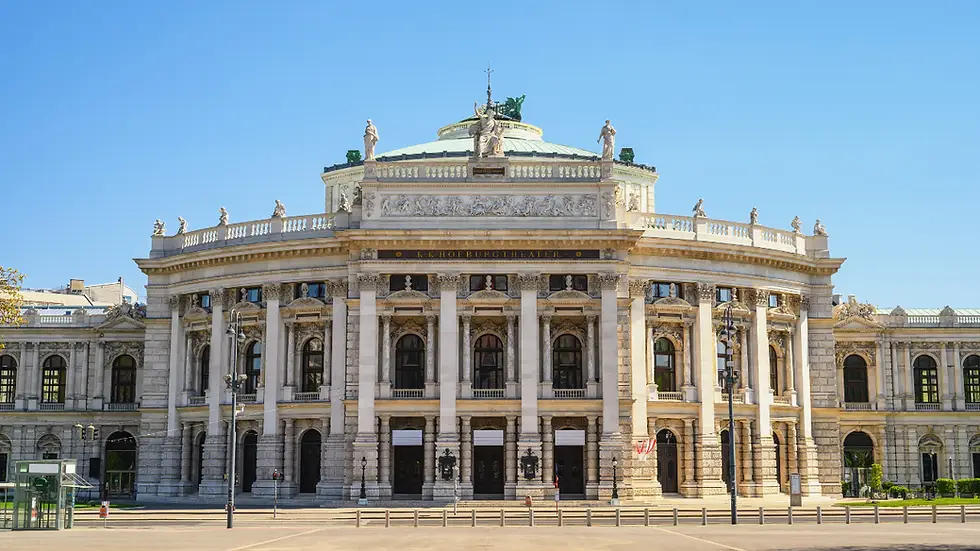
Historical Context
Vienna’s architectural evolution is rooted in its history. Originally a Roman settlement known as Vindobona, the city has undergone numerous transformations over the centuries. The Middle Ages saw the rise of Gothic architecture, with buildings such as St. Stephen’s Cathedral emerging as symbols of the city’s growing importance. But it was during the Baroque period, particularly in the 17th and 18th centuries, that Vienna truly blossomed. Influenced by the Catholic Church and the Habsburg monarchy, this period produced some of the most opulent buildings, reflecting both power and faith.
The 19th and early 20th centuries marked another important shift, with Vienna embracing Modernism. This movement sought to move away from traditional styles and focus on functionality and simplicity. Architects such as Otto Wagner and Adolf Loos played important roles in this transformation by introducing innovative designs that challenged the status quo.
Overview of Architectural Styles
Vienna’s architectural landscape is a rich mosaic of styles. The grandeur of Baroque architecture is perhaps the most striking, characterized by its dramatic forms, intricate details and grandeur. Buildings such as Schönbrunn Palace and the Belvedere exemplify this style, with their lavish ornamentation and awe-inspiring expansive gardens.
In contrast, Modernist architecture favors clean lines and minimal ornamentation. The Secession Building, with its gold leaf dome and striking facade, stands as a testament to this movement. Symbolizing Vienna’s artistic rebellion against traditional aesthetics, it shows how architecture could express new ideals of beauty and function.
The interplay between these styles is evident throughout the city. Baroque silhouettes can be juxtaposed with modern buildings to create a dialog between the past and the present.
The Importance of Baroque and Modernism
The importance of Baroque and Modernism in Vienna cannot be overstated. Baroque architecture not only reflects the historical power dynamics of the city, but also embodies the artistic aspirations of its time. Elaborate designs and grandiose structures served to inspire awe and respect, reinforcing the authority of the Habsburgs and the Church.
Modernism, on the other hand, represented a radical shift in thinking. It embraced new technologies and materials and prioritized function over form. This movement encouraged architects to rethink their design approach, leading to the creation of buildings that align with contemporary values such as sustainability and accessibility. The legacy of modernism continues to influence architects today, as they strive to create spaces that are not only aesthetically pleasing, but also meet the needs of modern society.
Fusion of eras
It is the fusion of these two periods that makes Vienna’s architectural narrative particularly fascinating. The city not only showcases the succession of styles, but also creates a dialog between them. For example, the Karlskirche, a Baroque masterpiece, stands close to modern buildings such as Wien Mitte, showing how old and new can coexist harmoniously.
This fusion reflects a broader cultural dialogue where historical respect meets contemporary innovation. In Vienna, architects often draw inspiration from the past while integrating modern techniques and materials to create a unique architectural identity that is both reflective and forward-thinking.
Purpose of the Blog Post
The aim of this blog post is to examine the architectural wonders of Vienna, exploring how its historical context and different styles contribute to its unique identity. By examining the importance of Baroque and Modernist influences, we aim to highlight the city’s rich heritage and ongoing evolution. Whether you are an architecture enthusiast, a history buff or a curious traveler, Vienna’s architectural landscape offers a fascinating glimpse into the interplay of history and modernity, inviting everyone to appreciate the beauty that emerges from this dynamic dialogue.
# Vienna, Austria: Baroque Splendor Meets Modernist Expressions
Vienna, the capital of Austria, is a city where history and modernity coexist in a stunning tapestry of architectural styles. Among these, the Baroque period, characterized by an emphasis on grandeur, drama and ornamentation, stands out. This architectural movement, which flourished in the seventeenth and eighteenth centuries, left a lasting impression on Vienna’s skyline, creating iconic buildings that continue to fascinate visitors. As we explore these Baroque masterpieces, we will also see how they interact with modern expressions and create a unique cultural dialog that defines the city today.
Iconic Baroque Buildings in Vienna
Vienna’s Baroque architecture is a testament to the city’s rich history and artistic ambition. These buildings offer a glimpse into the past and still play an active role in the cultural life of the city. Each building tells a story that reveals the values, aspirations and artistic innovations of its time. Let’s explore some of the most iconic Baroque buildings that define the essence of Vienna.
St. Charles Church
St. Charles Church or Karlskirche is one of the most outstanding Baroque churches in Vienna. Commissioned by Emperor Charles VI in the early 18th century, this architectural gem was built to honor the saint who protected the city from the plague. The church’s striking dome, inspired by St. Peter’s Basilica in Rome, rises majestically above the surrounding landscape, attracting the attention of passers-by.
Inside, visitors are greeted by a breathtaking interior with ornate frescoes depicting the life of St. Charles and divine splendor. The church serves not only as a place of worship, but also as a cultural venue, hosting concerts and events that highlight its acoustic brilliance. The mix of spirituality and art that makes St. Charles Church the focal point of Viennese life embodies the city’s historical depth and remains relevant in contemporary culture.
Schönbrunn Palace
Schönbrunn Palace is a magnificent example of Baroque architecture that once served as the summer residence of the Habsburgs. With its extensive gardens and majestic facade, the palace is a UNESCO World Heritage Site, attracting millions of visitors each year. The palace has more than 1,000 rooms, each adorned with elegant décor that showcases the opulence of imperial life.
Walking through Schönbrunn, you can feel the splendor of the past, from the opulent ballroom to the Emperor’s private apartments. The gardens, designed in the French formal style, offer a tranquil escape with fountains, sculptures and the famous Gloriette offering panoramic views of the city. Schönbrunn is not just a historical site; it is a vibrant cultural center that hosts concerts, festivals and exhibitions, seamlessly combining Vienna’s rich history with the present day.
Belvedere Palace
Another Baroque masterpiece, the Belvedere Palace was built as a summer residence for Prince Eugene of Savoy. Consisting of two palaces, the Upper and Lower Belvedere, this architectural marvel is framed by beautifully landscaped gardens that add to its elegance. The palaces are renowned for their stunning art collections, including works by Gustav Klimt and Egon Schiele, making it an important center for art enthusiasts.
The Upper Belvedere reflects the architectural brilliance of the Baroque period with its majestic staircase and intricate frescoes, while the gardens are a testament to the harmonious relationship between nature and design. The Belvedere Palace serves not only as a historical landmark but also as a living museum showcasing the development of art and culture in Austria.
Karlskirche
Another important architectural landmark is the Karlskirche, the symbol of Baroque architecture in Vienna. Its striking dome and twin bell towers form a dramatic silhouette against the sky. Built in response to the plague, the church is a testament to the community’s resilience and faith.
The interior of the church is adorned with stunning frescoes and intricate details that draw visitors into a world of divine beauty. The reflecting pond in front of the church adds to its splendor, offering a picturesque view. The Karlskirche is not just an architectural triumph; it is a living space for worship and cultural events and demonstrates how historic buildings can adapt to modern life while maintaining their historical significance.
Hofburg Palace
Once the imperial palace of the Habsburgs, the Hofburg Palace is a vast complex encompassing various architectural styles, including Baroque. Its splendor is reflected in the lavishly decorated state rooms and the impressive architecture of the Imperial Apartments. For centuries, the palace has witnessed history and served as the center of political power in Austria.
Today, the Hofburg is a multifaceted institution that houses museums, the Austrian National Library and the offices of the President of Austria. Its gardens and courtyards are visited by locals and tourists alike, making it a vibrant part of the city’s cultural landscape. The Hofburg Palace is an example of how architectural heritage can serve a variety of functions, blending the past with the present in an ongoing narrative of Vienna’s identity.
In short, Vienna’s Baroque buildings are not just relics of a bygone era; they are living monuments that continue to shape the city’s cultural and architectural identity. Each building tells a story, reflecting the aspirations and artistic achievements of its time, while interacting with the modern world to create a seamless blend of history and contemporary life.
# Vienna, Austria: Baroque Splendor meets Modernist Expressions
Influence of Modernist Architecture
A city steeped in history and rich in architectural heritage, Vienna has long been a canvas for artistic expression. The transition from the splendor of Baroque buildings to the sleek lines of modernism marked a significant shift in the city’s architectural narrative. This evolution reflects broader cultural and social changes, as modernist architecture sought to break with tradition and embrace innovation. The influence of Modernism in Vienna is not only about aesthetics; it reflects a new way of thinking about space, function and the role of architecture in everyday life.
Important Modernist Architects in Vienna
Vienna’s modernist movement is characterized by several key figures, each of whom made unique contributions to the city’s architectural landscape. One of the most important is Otto Wagner, often considered the father of modern architecture in Austria. His works, including the iconic Postsparkasse, show a shift from ornate designs to functional yet elegant structures. Wagner emphasized the importance of design in everyday buildings, combining aesthetics with practicality.
Another influential architect was Adolf Loos, known for his radical ideas on ornament. His famous essay “Ornament and Crime” argued that decorative elements were unnecessary in modern design. Loos’ buildings, such as the Müller House, exemplify his belief in minimalism and the beauty of simplicity. Loos’ approach paved the way for future generations of architects to explore the concept of unadorned space.
In addition, Richard Neutra’s work, although primarily active in the United States, was also inspired by the Viennese modernist ethos. Characterized by its harmony with nature and innovative use of materials, its designs reflect the ideals nurtured in Vienna’s early 20th-century architectural schools.
Important Modernist Buildings
Vienna has numerous modernist buildings that reflect the city’s architectural evolution. The Secession Building, designed by Joseph Maria Olbrich in 1897, stands as a testament to the modernist movement’s embrace of new ideas. Its striking golden dome and minimalist design challenge the ornate Baroque style that dominates much of the city. It serves as a contemporary art gallery and is a symbol of the city’s commitment to artistic innovation.
Another landmark is the Karl Marx-Hof, one of the tallest residential buildings in the world. Designed by Karl Ehn, this massive structure exemplifies modernist principles with its functional design and communal living spaces. Not only providing housing but also fostering a sense of community, it demonstrates how modernism sought to improve the quality of life for its residents.
Gasometer, a former gas storage facility converted into a mixed-use complex, demonstrates how modernist architecture can revitalize urban spaces. It reflects a modern approach to urban living by bringing together residential, commercial and cultural functions.
The Role of Functionality
Functionality is the cornerstone of modernist architecture and distinguishes it from previous decorative styles. In Vienna, this principle emerged in response to the changing needs of the growing urban population. Architects began to prioritize practical solutions, designing buildings that serve specific purposes while simultaneously improving the lives of their residents.
This focus on functionality can be seen in residential buildings that include common areas that allow for interaction between residents. Open floor plans and the use of large windows encourage natural light and airflow, creating healthier living environments. This shift in design philosophy not only addressed the practical needs of the residents, but also reflected a broader social movement towards egalitarianism and accessibility.
Modernist Materials and Techniques
The materials and techniques used in modernist architecture also played an important role in shaping Vienna’s urban landscape. Steel and reinforced concrete became key materials that allowed for greater structural innovation and the creation of larger, more open spaces. These materials allowed architects to experiment with form and function, resulting in previously unimaginable designs.
In addition, the use of glass in modernist buildings became widespread, blurring the lines between interior and exterior spaces. This transparency reflects modernism’s sense of openness and connection to the environment. Buildings such as the Vienna University of Technology exemplify this trend, using glass facades to create inviting, light-filled interiors.
The Impact of Modernism on Urban Planning
The influence of modernism went beyond individual buildings and significantly shaped urban planning in Vienna. Modernist principles encouraged a rethinking of urban spaces, emphasizing the importance of public spaces and their role in community life. The integration of green spaces, pedestrian paths and bicycle lanes reflects the desire to create a more livable city.
The redevelopment of areas such as the Danube Canal exemplifies this modernist approach to urban planning. What was once an industrial zone has been transformed into a vibrant public space, home to parks, cafes and recreational areas, encouraging social interaction and community engagement. This transformation highlights modernism’s legacy of fostering environments that prioritize human experience and well-being.
As a result, the influence of modernist architecture in Vienna is profound, intertwining with the city’s rich history while paving the way for a future of functionality, innovation, and community-orientation. The dialogue between past and present continues to shape the architectural landscape, making Vienna a unique blend of Baroque splendor and modernist expression.
# Vienna, Austria: Baroque Splendor meets Modernist Expression
Vienna, the capital of Austria, is a city where history and innovation coexist in a vibrant architectural tapestry. From the splendor of Baroque palaces to the sleek lines of modernist buildings, Vienna exhibits an extraordinary interplay between these two important styles. This dynamic relationship not only shapes the city’s skyline, but also reflects the cultural narrative of a city that has always been at the forefront of artistic and intellectual movements.
Interaction between Baroque and Modernism
Design Principles of Baroque and Modernism
Baroque architecture emerged in the late 16th century and is characterized by its dramatic expressions, intricate details and sense of movement. It often includes flamboyant ornamentation, grand staircases and extensive frescoes designed to inspire awe and respect. The use of light and shadow is very important in Baroque design, creating a theatrical atmosphere that draws the viewer’s eye throughout the space.
In contrast, modernism, which gained momentum in the early 20th century, advocates simplicity and functionality. Modernist architects prioritized clean lines, open spaces and a lack of ornamentation. This style reflects a break with tradition, embracing new materials such as steel and glass and emphasizing the purpose of the building over decorative elements. Modernism often seeks to harmonize with the environment, focusing on sustainability and efficiency.
Despite these differences, the dialog between Baroque and modernism reveals a fascinating architectural evolution. In Vienna, this interaction is particularly evident, as both styles contribute to the city’s identity. The splendor of Baroque elements is often juxtaposed with the minimalism of modernist designs, leading to innovative and unexpected architectural expressions.
Case Studies of Blended Styles
Vienna is home to many remarkable examples of the fusion of Baroque and modernist elements. One notable example is the Kunsthistorisches Museum, a Baroque masterpiece in dialog with the contemporary architectural language of the nearby MuseumsQuartier. Designed by modern architects, MuseumsQuartier brings a new and innovative approach to public space while incorporating the historical fabric of the city.
Another striking example is the Secession Building, which reflects the spirit of the Secessionist movement in Vienna. While the building has modernist influences, its decorative elements draw on Baroque traditions, showing how these styles can coexist and enrich each other. This blending not only enhances the aesthetic appeal, but also invites visitors to explore the historical context behind each architectural choice.
Cultural Reflections in Architecture
Vienna’s architectural styles reflect the city’s rich cultural history. Often associated with the Catholic Church and the Habsburg monarchy, Baroque architecture symbolizes power, spirituality and art. It represents a time when art was a means to express divine splendor and state authority. In contrast, modernism emerged during a period of social change and upheaval, promoting ideas of democracy, individualism and progress.
This cultural background shapes how we perceive the built environment. In Vienna, walking through Baroque streets can evoke feelings of nostalgia and reverence, while modernist neighborhoods inspire thoughts of innovation and forward thinking. Each style offers a unique lens through which to understand the history, values and desires of the city.
Public Reception and Criticism
The acceptance of architectural styles has always been a topic of lively debate in Vienna. Baroque architecture, admired for its artistry and grandeur, has been embraced as a cultural heritage. Both locals and tourists appreciate the historical significance and beauty of these buildings as symbols of Vienna’s imperial past.
In contrast, modernist architecture has been criticized for its austerity and perceived lack of warmth. Some argue that modern buildings can disrupt the historic fabric of the city and create tensions between preservation and innovation. Others celebrate the role of modernism in pushing boundaries and introducing new ways of living and interacting in urban spaces. This ongoing dialogue between admiration and criticism highlights the complexity of architectural evolution and its impact on social values.
Future Trends in Architectural Fusion
Looking to the future, the combination of Baroque and modernist elements is likely to continue to shape Vienna’s architectural landscape. Emerging trends emphasize sustainability and adaptive reuse, encouraging architects to blend historical styles with modern techniques. This approach not only respects the city’s heritage, but also addresses contemporary challenges such as climate change and urban density.
Innovative projects such as integrating green spaces into historic districts or using modern materials in the restoration of Baroque buildings are increasingly common. These efforts reflect a growing awareness of the importance of historic preservation while embracing the possibilities of modern design. In this way, Vienna can preserve its cultural richness while evolving to meet the needs of its residents and visitors.
Ultimately, the interplay between Baroque and modernism in Vienna is a testament to the city’s dynamic architectural narrative. By carefully considering design principles, cultural values and public acceptance, architects can create spaces that honor the past while boldly looking to the future. This rich dialog promises to keep Vienna at the forefront of architectural innovation, making it a city that continues to inspire and fascinate.
# Vienna, Austria: Baroque Splendor Meets Modernist Expressions
Vienna’s Architectural Preservation Efforts
Vienna is a city where history and modernity coexist in a delicate balance. Its architectural landscape tells the story of centuries, showcasing styles ranging from Gothic to Baroque to Modernist. Preserving this rich heritage is not only important for aesthetic reasons, but also for cultural identity and education. Architectural conservation efforts in Vienna reflect a determination to maintain this historical narrative while adapting to contemporary needs.
The Importance of Conservation
Preserving Vienna’s architecture is not just about bricks and mortar. It is about preserving the stories, traditions and values embedded in these buildings. Each building represents a time and a community and contributes to the unique character of the city. Conservation acts as a bridge between past and future, enabling current and future generations to connect with their heritage. This connection fosters a sense of pride and belonging among residents and visitors alike.
Moreover, preserved architecture can enhance tourism, which is vital for Vienna’s economy. Tourists come to the city not only for its vibrant culture, but also for its historic sites that tell the story of the city’s development. In this way, conservation can enrich the cultural fabric of the city and stimulate local economies.
Key Organizations and Initiatives
Various organizations play an important role in the preservation of Vienna’s architectural heritage. The Austrian Federal Monuments Office is at the center of these efforts, overseeing the conservation and maintenance of listed buildings. Its work includes conducting research, providing funding and offering technical advice on restoration projects.
In addition to government agencies, various non-profit organizations and local community groups are actively involved in conservation initiatives. These organizations often engage in advocacy by raising awareness about the importance of preserving historic buildings. They organize events, workshops and campaigns to encourage public participation in preservation efforts.
One notable initiative is the “Vienna Monument Fund”, which provides financial support for the restoration and maintenance of historically significant buildings. This fund reflects a collaborative approach that combines public and private resources to ensure the enduring legacy of Vienna’s architectural heritage.
Challenges in Conservation
Despite a strong commitment to preservation, Vienna faces numerous challenges. One key issue is the balance between preserving historic integrity and meeting modern needs. As the urban population grows, the demand for space and modern facilities can conflict with the desire to preserve historic areas. Finding solutions that respect architectural character while providing the necessary updates can be complex.
Another challenge is financing. While some restoration projects receive government support, many depend on private donations or community fundraising. Economic fluctuations can affect these resources, making it difficult to sustain long-term preservation efforts.
Furthermore, the growing threat of climate change poses risks to historic buildings. Adapting conservation techniques to address environmental concerns such as rising temperatures and extreme weather conditions is crucial to the longevity of these structures.
Education Programs and Public Awareness
Education plays a vital role in architectural conservation. Various programs in Vienna aim to raise awareness about the value of historic architecture. Schools and universities often incorporate local history into their curricula, encouraging students to discover and appreciate their city’s rich architectural heritage.
Public workshops and guided tours are also effective in engaging the public. These initiatives invite residents and visitors to learn about the importance of different styles and the stories behind the buildings. By fostering a sense of ownership and pride, these programs can inspire individuals to actively participate in conservation efforts.
Furthermore, digital platforms and social media have become important tools for raising awareness on architectural conservation. Online campaigns can reach a wider audience, generating interest in historic sites and encouraging grassroots movements for their preservation.
Successful Preservation Projects
Vienna has seen a number of successful conservation projects that serve as inspiring examples for future efforts. One notable example is the restoration of the Karlskirche, a stunning Baroque church that underwent extensive renovations to restore its original splendor. This project not only preserved the architectural integrity of the church, but also enhanced its role as a cultural landmark.
Another noteworthy initiative is the revitalization of the Naschmarkt district, where the old market stalls have been preserved while modern amenities have been introduced. This mix of old and new has created a vibrant space that respects the historic context while serving the needs of contemporary life.
These success stories emphasize that conservation is not about freezing time, but about creating a dynamic space where history and modernity can thrive together. As Vienna continues to evolve, architectural conservation efforts will ensure that the past remains a vital part of its identity and enrich the lives of all who experience its beauty.
# Vienna, Austria: Baroque Splendor Meets Modernist Expressions
The Future of Viennese Architecture
Summary of Key Points
A city steeped in history, Vienna exemplifies a remarkable blend of Baroque splendor and modernist innovation. Throughout the architectural timeline, one can witness the evolution of styles, reflecting the cultural and social changes of each era. From the opulent palaces of the Baroque era, such as Schönbrunn Palace, to the sleek lines of modernist buildings, Vienna has always been a canvas of architectural diversity. This rich heritage is not just about preserving the past; it is about understanding how these influences shape the city’s future.
The city’s commitment to sustainable development and contemporary design demonstrates a forward-thinking approach. As Vienna grapples with urban challenges, it continues to embrace innovative solutions that respect its historic context while pushing boundaries. This interaction between old and new defines the architectural narrative of the city and sets the stage for its future.
The Role of Architects in Shaping the Landscape of the Future
Vienna’s architects play a crucial role in designing the city’s future. They have a delicate balancing act: preserving the historical essence while incorporating modern functionality. Architects today are not just designers; they are storytellers who weave narratives into their buildings. Each project becomes a dialog between the past and the future, reflecting the aspirations of society.
With the growing emphasis on sustainability and environmental awareness, architects are increasingly using eco-friendly materials and energy-efficient designs. This shift is vital as cities around the world face the consequences of climate change. In Vienna, architects are exploring green roofs, smart technology integration and public spaces that encourage social interaction to foster a vibrant urban life.
Encouraging Innovative Design
Design innovation is essential if Vienna is to succeed in a rapidly changing world. The city’s architectural community is encouraged to experiment with new forms, materials and technologies. This spirit of innovation can be seen in projects such as Gasometer, where a former gas storage facility has been transformed into a mixed-use space combining residential, commercial and cultural facilities.
Moreover, contemporary architectural competitions often encourage creativity and push the boundaries of design. These initiatives invite new ideas that challenge traditional norms, resulting in groundbreaking buildings that contribute to Vienna’s skyline. By embracing innovative design, Vienna is not only enhancing its aesthetic appeal, but also improving the quality of life for its residents.
The Importance of Community Engagement
Community participation is fundamental to the architectural process in Vienna. Involving residents in discussions about urban development ensures that projects meet the needs and aspirations of those living in those areas. This participatory approach fosters a sense of ownership and pride among citizens, creating a more harmonious urban environment.
Public forums, workshops and collaborative design processes allow architects to gather valuable insights from the community. This dialog not only informs design choices, but also helps to identify potential challenges early on. When residents feel listened to and valued, the resulting architecture resonates with society, making it more than a building; it becomes part of the city’s identity.
Final Thoughts on Architectural Evolution
As Vienna continues to evolve, its architectural landscape will reflect the dynamic interplay between history and modernity. The future lies in the city’s ability to adapt and innovate while honoring its rich heritage. Together, architects, urban planners and community members will shape this journey to ensure that Vienna remains a vibrant and livable city.
The challenge in this ever-changing context will be to maintain the delicate balance between growth and conservation. By fostering a culture of creativity, sustainability and community engagement, Vienna can create a future that respects its past while embracing the possibilities of tomorrow. Vienna’s architectural evolution is not just about buildings; it is about creating spaces that inspire, connect and enrich the lives of all who call this great city home.