

Permeable pavements are an innovative solution to some of the pressing environmental challenges facing urban areas today. As cities expand and the amount of impervious surfaces increases, many areas are struggling with issues such as flooding, water pollution and reduced groundwater recharge. Permeable pavements offer a way to effectively manage stormwater while continuing to provide robust surfaces for traffic and pedestrians.

Description and Overview
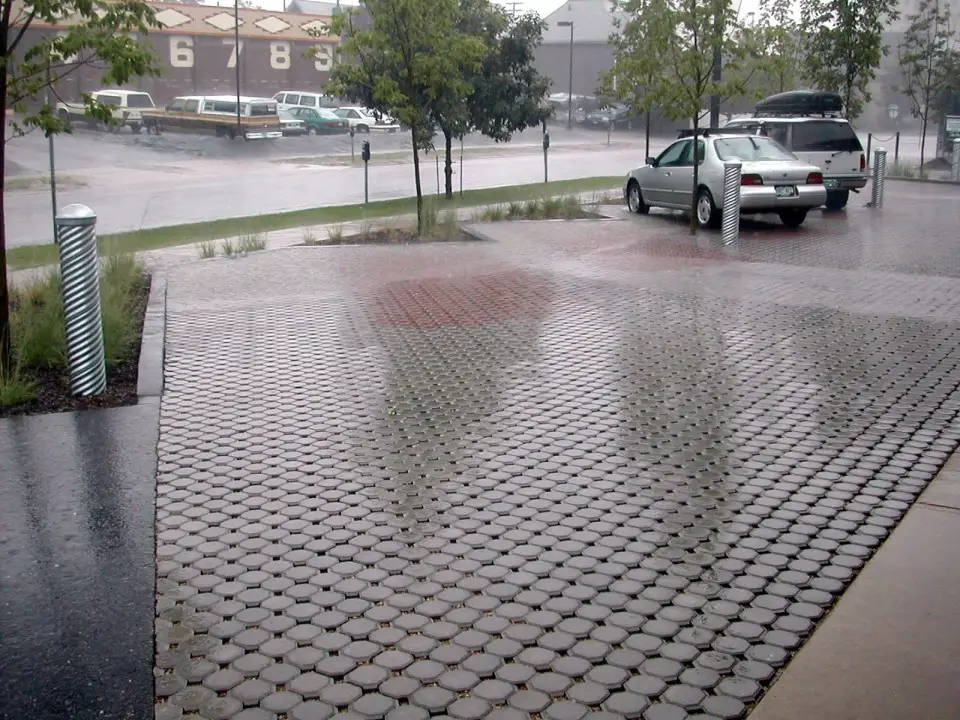
Permeable pavements are surfaces designed to allow water to pass through them by filtering rainwater and encouraging natural drainage. Unlike conventional pavements, which often cause excessive runoff, permeable pavements are constructed with materials that allow water to infiltrate, reducing the load on stormwater systems. They can be made from a variety of materials, such as porous asphalt, permeable concrete or interlocking pavers, and each allows water to flow while maintaining the necessary strength for vehicular and pedestrian traffic. This innovative design not only helps manage stormwater, but also contributes to the overall health of urban ecosystems.
Historical Context
The concept of permeable paving is not entirely new. In ancient times, various cultures used materials such as gravel and stone to create surfaces that allowed water drainage. However, modern permeable pavements began to gain traction in the 20th century as cities faced increasing urbanisation and the resulting environmental impacts. The oil crises of the 1970s also fuelled interest in sustainable practices, including permeable surfaces. Over the decades, advances in materials and engineering have further developed these systems, making them a practical choice for contemporary urban infrastructure.
Importance in Urban Design
In urban design, permeable pavements play an important role in mitigating the negative impacts of urbanisation. Conventional pavements contribute to problems such as urban heat islands, increased flooding and deterioration of water quality. Permeable pavements help counter these problems by promoting water infiltration, which can replenish local aquifers and reduce surface runoff. Furthermore, by integrating green spaces with permeable surfaces, cities can increase biodiversity and improve the overall aesthetics of urban environments. This approach is in line with the broader goals of creating liveable, sustainable and resilient cities.
Objectives of Sustainable Infrastructure
Sustainable infrastructure aims to balance environmental, economic and social needs while minimising negative impacts. Permeable pavements are compatible with these objectives by supporting stormwater management, reducing pollution and encouraging groundwater recharge. They help create resilient urban landscapes that can withstand extreme weather events such as heavy rainfall and flooding. Moreover, as cities grapple with climate change, it is becoming increasingly vital to incorporate permeable pavements into urban planning. These surfaces not only help manage water effectively, but also promote environmentally sound practices within communities.
Blog Post Structure Overview
This blog post will explore various aspects of permeable pavements in more depth. We will examine the different types of permeable coatings available and how they function. Following this, we will discuss the benefits and challenges associated with their implementation, including real-world case studies highlighting successful applications. Finally, we will consider future trends in permeable pavement technology and their potential impact on urban development. By the end of this research, readers will have a comprehensive understanding of how permeable pavements can transform urban environments into more sustainable and resilient spaces.
Types of Permeable Pavements
Permeable pavements are innovative solutions designed to effectively manage stormwater runoff while enhancing the aesthetic appeal of urban and suburban landscapes. Unlike traditional impermeable surfaces that can lead to flooding and water pollution, permeable pavements allow water to infiltrate, reducing the load on drainage systems and encouraging groundwater recharge. This section discusses the various types of permeable pavements and examines their unique properties, applications and benefits.
Pervious Concrete
Permeable concrete is a special form of concrete with high porosity that allows water to pass through its surface. This material consists of a mix containing larger aggregates and little or no fine aggregates, which create voids that facilitate drainage. One of the key benefits of pervious concrete is that it minimises the risk of flooding during heavy rainfall by reducing surface runoff.
In real-world applications, permeable concrete is often used for driveways, car parks and walkways. Its aesthetic versatility allows it to blend seamlessly with a variety of architectural styles. Furthermore, this type of pavement can help filter pollutants from stormwater, improving water quality before it enters local waterways. Cities such as Portland, Oregon have adopted permeable concrete in green infrastructure initiatives and demonstrated its effectiveness in urban environments.
Porous Asphalt
Porous asphalt is another popular option for permeable pavements and is specifically designed to allow water to run off its surface. The mix used in porous asphalt contains larger aggregate particles and a specially formulated binder that maintains the flexibility and durability of traditional asphalt while promoting permeability.
One of the main advantages of porous asphalt is its ability to handle high traffic volumes, making it ideal for commercial car parks and roads. This type of pavement not only reduces runoff, but also helps to reduce the heat island effect that is common in urban areas. Cities such as Atlanta have implemented porous asphalt on their roads, demonstrating its capacity to improve both drainage and urban aesthetics. Its ability to cope with various weather conditions while maintaining structural integrity makes it a reliable choice for municipalities.
Interlocking Paving Stones
Interlocking pavers are concrete or brick units designed to fit together in a specific pattern, creating a durable surface that allows water infiltration. Their permeability can be further increased by filling the gaps between the pavers with sand, gravel or turf. This flexibility in design makes interlocking pavers a popular choice for patios, walkways and driveways.
The aesthetic appeal of interlocking pavers is one of their standout features as they come in a variety of shapes, colours and textures, allowing for creative designs that enhance outdoor spaces. Beyond their beauty, these pavers are highly functional and provide a robust surface that can withstand heavy loads while facilitating water drainage. Communities often use interlocking pavers on parkways and public plazas, adding both functionality and visual interest in urban landscapes.
Gravel and Stone Systems
Gravel and stone systems consist of loose aggregates that provide a permeable surface while allowing rainwater to infiltrate into the ground. These systems can be used in a variety of applications, including driveways, walkways and garden paths. The natural aesthetics of gravel and stone complement many landscaping styles, making them an attractive option for both residential and commercial properties.
An important advantage of gravel and stone systems is the ease of installation and maintenance. They can be simply placed, often requiring fewer resources than other types of permeable pavements. In addition, these systems can effectively filter pollutants from stormwater, promoting cleaner runoff. Many homeowners and landscape designers prefer gravel for its sustainability and aesthetic qualities, especially in environmentally friendly and low maintenance landscapes.
Comparison of Material Properties
When evaluating various types of permeable pavements, it is important to consider material properties, including permeability, durability and maintenance requirements. Permeable concrete and porous asphalt are noted for their durability and ability to handle vehicular traffic, making them suitable for commercial applications. In contrast, interlocking pavers offer design versatility, while gravel and stone systems excel in ease of installation and natural aesthetics.
Overall, the choice of permeable pavement depends largely on the specific needs of a project, including traffic levels, aesthetic preferences and environmental considerations. By understanding the unique characteristics of each type, designers and builders can make informed decisions that contribute to sustainable urban development and effective stormwater management.
Environmental Benefits
The architecture of our buildings and cities has a significant impact on the environment. As we become increasingly aware of ecological challenges, the focus on sustainable design is growing. This chapter explores the myriad environmental benefits that thoughtful architecture offers, from managing stormwater to enhancing biodiversity. Each element plays a vital role in creating healthier and sustainable urban environments.
Stormwater Management
Stormwater management is very important in urban areas where impervious surfaces such as roads and buildings prevent rainwater from entering the ground. When it rains, this water can lead to flooding, erosion and water pollution. Effective stormwater management involves designing landscaping and buildings to allow water to be naturally absorbed. Techniques such as green roofs, permeable pavements and rain gardens help retain and filter rainwater, reducing runoff. Cities like Portland, Oregon, for example, have implemented green infrastructure projects that not only manage stormwater but also create beautiful public spaces. These designs not only protect local waterways, but also improve the overall aesthetics of urban areas.
Reducing the Urban Heat Island Effect
The urban heat island effect occurs when cities become significantly warmer than their rural surroundings, primarily due to human activities and the built environment. This phenomenon can lead to increased energy consumption, higher emissions of air pollutants and heat-related diseases. Architects and urban planners can reduce this impact by using reflective materials, increasing vegetation cover and encouraging shade in urban designs. For example, in cities such as Singapore, the integration of trees and green spaces has proven to be effective. These green areas not only cool the air, but also improve the quality of life of city dwellers, making cities more livable and enjoyable.
Increasing Biodiversity
Biodiversity refers to the variety of life in a given habitat or ecosystem. Urban environments often struggle with biodiversity loss due to habitat destruction and pollution. However, innovative architectural practices can increase biodiversity by incorporating natural elements into designs. For example, green roofs and vertical gardens provide habitats for birds, insects and other wildlife in concrete-dominated landscapes. Cities such as Melbourne, Australia have adopted such initiatives, allowing flora and fauna to thrive in urban environments. By prioritising biodiversity, architects not only contribute to ecological balance, but also create spaces that connect people with nature.
Improving Water Quality
Water quality is a critical issue in urban areas where pollutants from roads and buildings can contaminate local waterways. Sustainable architecture can help improve water quality through responsible design choices. For example, the use of biofiltration systems in the landscape helps filter harmful substances from rainwater before it reaches rivers and lakes. By adopting these practices, cities such as Amsterdam have integrated water management into their urban planning. This not only provides cleaner water, but also supports ecosystems that rely on healthy water bodies. By integrating such practices, cities can conserve their natural resources and promote a healthier environment for all.
Carbon Footprint Reduction
The carbon footprint of buildings is significant and contributes to climate change through greenhouse gas emissions. Sustainable architecture seeks to reduce this impact through various strategies. Utilising renewable energy sources, increasing energy efficiency and selecting sustainable materials can significantly reduce a building’s carbon footprint. For example, the Bullitt Centre in Seattle was designed to be one of the greenest commercial buildings in the world, using solar panels and rainwater harvesting systems. Such buildings not only minimise environmental impact, but also demonstrate that sustainability can coexist with functionality and beauty. By investing in sustainable architecture, societies can take meaningful steps towards combating climate change and creating a healthier planet.
Ultimately, the environmental benefits of thoughtful architectural design are enormous. From managing stormwater to reducing carbon footprints, each element contributes to a more sustainable and resilient urban landscape. As we continue to renew and adapt our built environments, we pave the way for healthier ecosystems and societies.
Economic Impacts
Understanding the economic impacts of architectural projects is crucial for stakeholders, including governments, investors and communities. These impacts can be seen in a variety of ways, from immediate financial benefits to long-term sustainability and job creation. By examining specific issues such as cost-benefit analysis and job creation, we can get a clearer picture of how architectural decisions shape economic landscapes.
Cost-Benefit Analysis
Cost-benefit analysis (CBA) is a systematic approach used to assess the economic viability of a project. It involves comparing the projected costs of a project with its expected benefits. In architecture and construction, this can mean analysing the costs associated with building new structures, such as materials and labour, against the benefits that these structures will bring, such as increased productivity, enhanced community engagement and improved public services.
For example, consider the construction of a new public library. Costs may include not only the physical building but also long-term operating expenses. However, benefits such as increased access to information, community programmes and even the revival of local businesses can far outweigh these costs. By conducting a comprehensive CBA, decision makers can ensure that resources are allocated efficiently, ultimately leading to stronger economic outcomes.
Long Term Savings
Investing in well-designed, sustainable architecture can lead to significant savings in the long term. Initially, projects may require higher upfront costs, especially when using energy-efficient technologies or sustainable materials. However, the savings achieved over time can be significant. For example, buildings designed with energy efficiency in mind can significantly reduce utility bills through lower energy consumption.
Consider a school built with high-performance insulation and solar panels. While the initial investment may be higher than with traditional construction methods, in the long run the savings on energy bills can free up funds for educational resources and staff. Furthermore, sustainable buildings generally require less maintenance and last longer, resulting in greater savings for both owners and taxpayers.
Job Creation in Installation and Maintenance
The architecture sector is an important driver of job creation, especially in the areas of installation and maintenance. When new buildings are constructed, a wide range of skilled workers are needed, from architects and engineers to construction labourers and electricians. Each of these roles contributes to the local economy by providing employment opportunities, stimulating spending and supporting community development.
Beyond construction, the ongoing maintenance of buildings also creates jobs. Facilities management, landscaping and cleaning services are just some of the areas that require labour. This stable job creation is vital for local economies as it provides individuals with regular employment and the ability to contribute to their communities. The ripple effect of these jobs can lead to increased demand for local services, further boosting economic growth.
Property Value Addition
Architectural improvements can significantly increase the value of properties. Whether through renovation, new construction or the implementation of green building practices, enhancing the aesthetic and functional appeal of a property can attract both buyers and tenants. For example, a well-designed commercial space with modern amenities can attract businesses that might otherwise have chosen less desirable locations.
Furthermore, properties with sustainable features often have faster appreciation rates due to the growing demand for environmentally friendly spaces. A residential building equipped with smart technology and energy-efficient systems not only appeals to environmentally conscious buyers, but can also command higher prices on the market. This added value is an important consideration for property owners and investors who want to maximise their returns.
Financing and Incentives
Funding and incentives play a crucial role in driving architectural projects forward. Various government programmes and private initiatives provide financial assistance to encourage sustainable building practices and innovative designs. These incentives can take the form of tax credits, grants or low-interest loans, making it more favourable for developers and homeowners to invest in high-quality, sustainable projects.
For example, many local governments offer incentives for buildings that meet certain energy standards or utilise renewable energy sources. These incentives not only make projects more financially viable, but also support broader community goals such as reducing carbon footprints and improving residents’ quality of life. By effectively utilising these financing opportunities, stakeholders can foster a culture of innovation and sustainability in architectural practice, ultimately leading to a more prosperous economy.
In summary, the economic impacts of architectural projects extend far beyond immediate financial considerations. Through careful analysis, investment in sustainable practices and taking advantage of funding opportunities, communities can create environments that not only thrive economically, but also improve the quality of life of their residents.
Examples of Successful Practices
In the field of architecture and urban planning, successful practices serve as beacons of innovation and resilience. These case studies not only showcase remarkable designs, but also emphasise the careful integration of community needs and environmental considerations. By studying various projects in different sectors, we can gain insight into effective strategies and potential pitfalls, and ultimately enrich our understanding of architectural success.
Urban Park Projects
Urban parks play a crucial role in improving urban life and offer residents a respite from the hustle and bustle of urban environments. A prominent example is the High Line in New York City. Originally an abandoned elevated railway, the High Line has been transformed into a vibrant linear park running through the city. This project not only preserved a piece of history, but also encouraged biodiversity and community engagement by providing green space. The design encourages social interaction with seating areas and art installations that invite visitors to linger and explore.
The success of the High Line has inspired similar projects around the world, demonstrating the value of adaptive reuse in urban design. Such parks not only improve mental well-being by providing nature in urban environments, but also boost local economies by attracting tourists. The integration of native plants and sustainable practices shows how urban parks can serve both ecological and social purposes.
Housing Developments
In residential architecture, the focus is often on creating spaces that foster community while ensuring individual comfort. EcoVillage in Ithaca, New York is a notable example of this. This sustainable community is designed around the principles of ecological living and social interaction. The houses are built with energy-efficient materials and the layout encourages walking and cycling, reducing dependence on cars.
EcoVillage includes shared resources such as community gardens and communal houses that promote a sense of belonging among residents. The project demonstrates how thoughtful design can overcome modern challenges of sustainability and social isolation. Prioritising green spaces and communal areas, EcoVillage not only improves the quality of life of its residents, but also sets a precedent for future residential projects focused on sustainability and community.
Commercial Areas
Commercial architecture often aims to create environments that enhance productivity and customer experience. Apple Park in Cupertino, California is one of the best examples of this. Designed by Foster + Partners, this stunning campus embodies Apple’s commitment to innovation and environmental stewardship. The circular design encourages collaboration between employees, while extensive landscaping integrates the building with its natural surroundings.
Apple Park incorporates a variety of sustainable technologies, including solar panels and natural ventilation systems, demonstrating how commercial spaces can lead the way in sustainability. The design not only improves employee well-being, but also reshapes the perception of corporate space by creating an inviting atmosphere for visitors. This project highlights the potential of commercial architecture to align business objectives with environmental responsibility.
Municipal Infrastructure Projects
Municipal infrastructure projects are essential for the functioning of cities and successful implementation can significantly improve urban life. Copenhagen Harbour Baths is an excellent case study, transforming a once polluted harbour into a recreational area for city residents. The project promoted community health and well-being by cleaning the water and designing accessible swimming areas.
The Harbour Baths has become a popular destination, demonstrating how infrastructure can serve dual purposes: functional and recreational. By prioritising public access and environmental restoration, this project provides a model for future urban developments. It emphasises the importance of integrating infrastructure with community needs and environmental objectives, leading to vibrant urban areas.
Lessons learnt from failures
While successful projects inspire us, understanding failures is equally important for progress in architecture and urban planning. An important example is the Pruitt-Igoe housing project in St. Louis, which was demolished in the 1970s because it failed to meet the needs of its residents. Originally conceived as a modernist solution to the housing shortage, the project struggled with social issues, lack of community involvement, and inadequate maintenance.
The Pruitt-Igoe case teaches us the importance of involving communities in the design process. It emphasises that architecture is not only about aesthetics, but also about addressing social and economic factors. Learning from such failures allows architects and planners to develop more inclusive and sustainable projects that prioritise the needs of residents. By reflecting on past mistakes, we can create environments in the future that are not only functional, but also foster a sense of community and belonging.
In conclusion, these case studies shed light on the diverse practice of architecture and urban planning, showing how thoughtful design can transform spaces and improve lives. By analysing both successes and failures, we can draw valuable lessons to guide future projects towards more sustainable and inclusive outcomes.
The Future of Permeable Pavements in Urban Planning
As cities continue to grow and face challenges such as flooding, urban heat and environmental degradation, permeable pavements are emerging as a vital solution. These innovative materials allow water to pass through surfaces, reducing runoff and encouraging groundwater recharge. With the future of urban planning shifting towards sustainability, the role of permeable pavements is becoming increasingly important. This research will address key innovations, policies, community engagement and synergies between these technologies and smart city initiatives.
Innovations in Materials Science
The field of materials science is witnessing exciting developments that promise to increase the effectiveness of permeable coatings. Researchers are developing new composite materials that not only allow water to flow through, but also increase durability and load-bearing capacity. For example, bio-based materials containing natural fibres and recycled plastics are being tested for their structural integrity and environmental friendliness.
Another promising innovation is the use of porous asphalt and concrete mixtures. These materials are designed to maintain their permeable properties while supporting heavy traffic loads, making them suitable for urban roads and car parks. The addition of additives such as polymers and hydrophilic agents can further enhance the performance of these pavements in various weather conditions.
Real-world applications of these innovations can be seen in cities like Philadelphia, where permeable pavements are being integrated into roads and public spaces to effectively manage stormwater. As these materials continue to evolve, they will play an important role in designing more resilient urban environments.
Policy and Regulatory Frameworks
Supportive policy and regulatory frameworks are necessary for the widespread adoption of permeable pavements. Many cities are beginning to recognise the benefits of these surfaces and are drafting regulations that encourage their use. This includes zoning laws that favour sustainable materials in new developments and incentives for property owners who choose permeable options.
Cities such as Portland, Oregon, have implemented policies that encourage the use of permeable pavements in various projects. They demonstrate their commitment to sustainable urban development by offering tax breaks and grants to developers who incorporate these materials into their designs. Furthermore, establishing guidelines for the maintenance and installation of permeable pavements ensures their effectiveness over time by addressing concerns about clogging and long-term performance.
As policy makers continue to engage with urban planners and environmental scientists, the integration of permeable pavements into urban landscapes will become a standard practice and lead cities towards more sustainable futures.
Community Engagement and Education
Community involvement plays a crucial role in the successful implementation of permeable pavements. Educating residents about the benefits of these systems, such as reducing flooding, improving air quality and enhancing aesthetics, can increase public support and encourage their adoption in private projects.
Workshops, public demonstrations and interactive materials can empower communities to advocate for permeable options in their neighbourhoods. For example, cities can organise events to showcase permeable pavement installations and allow residents to see the benefits first-hand. Engaging local schools in education programmes about stormwater management and sustainable practices can also inspire future generations to prioritise environmental stewardship.
Successful community-driven projects, such as in Chicago, demonstrate the power of grassroots movements in promoting permeable pavements. By involving residents in decision-making and providing platforms for them to make their voices heard, cities can create a shared vision for sustainable development.
Integration with Smart City Technologies
The future of urban planning is increasingly intertwined with smart city technologies, and permeable pavements can play an important role in this evolution. By integrating sensors and data analytics, cities can monitor the performance of permeable surfaces in real time. This technology can monitor water absorption rates and identify maintenance needs, ensuring that pavements remain effective over time.
Furthermore, smart city infrastructure can optimise stormwater management systems and reduce flood risks by directing excess rainwater to permeable areas. For example, integrating permeable pavements with smart drainage systems enables a more proactive approach to managing urban water flows.
Cities such as Barcelona are already trialling these integrations, using smart sensors in public spaces to monitor environmental conditions. As the Internet of Things (IoT) continues to evolve, the synergy between permeable pavements and smart technologies will pave the way for more efficient and sustainable urban ecosystems.
Vision for Sustainable Urban Futures
The vision of a sustainable urban future is one in which cities are in harmony with nature, and permeable pavements are a cornerstone of this ideal. By facilitating groundwater recharge and reducing stormwater runoff, they contribute to healthier urban environments, promote biodiversity and improve air quality.
Imagine cities where green spaces and permeable surfaces coexist, reducing the urban heat island effect and improving the quality of life of residents. This vision goes beyond just aesthetics to include social equity, ensuring that all communities have access to green infrastructure that promotes resilience and sustainability.
In cities like Stockholm, urban planners have already begun to incorporate these principles into their designs, creating neighbourhoods that prioritise ecological balance and community well-being. Looking to the future, the adoption of permeable pavements as a core component of urban planning will be crucial to building cities that are not only liveable, but thrive in harmony with their natural surroundings.