


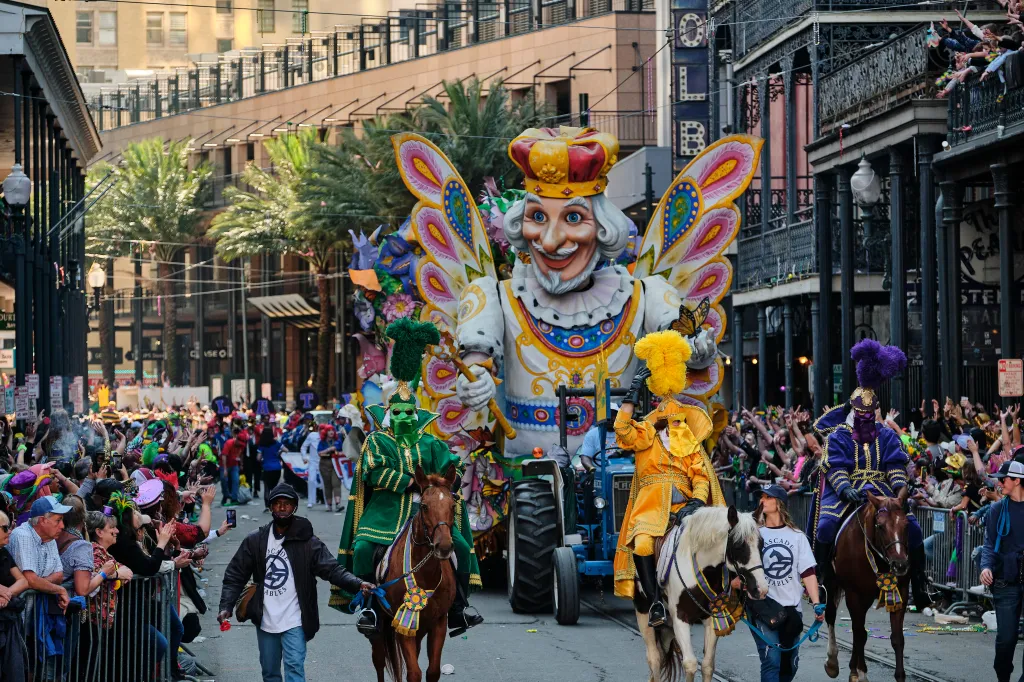
Cultural festivals are vibrant celebrations of heritage, identity and creativity, often transforming urban spaces into dynamic stages for artistic expression, community engagement and cultural exchange. The relationship between cultural festivals and urban architecture is a fascinating one, where the built environment plays an important role in shaping the festival experience, which in turn is influenced by the unique character of the festival.
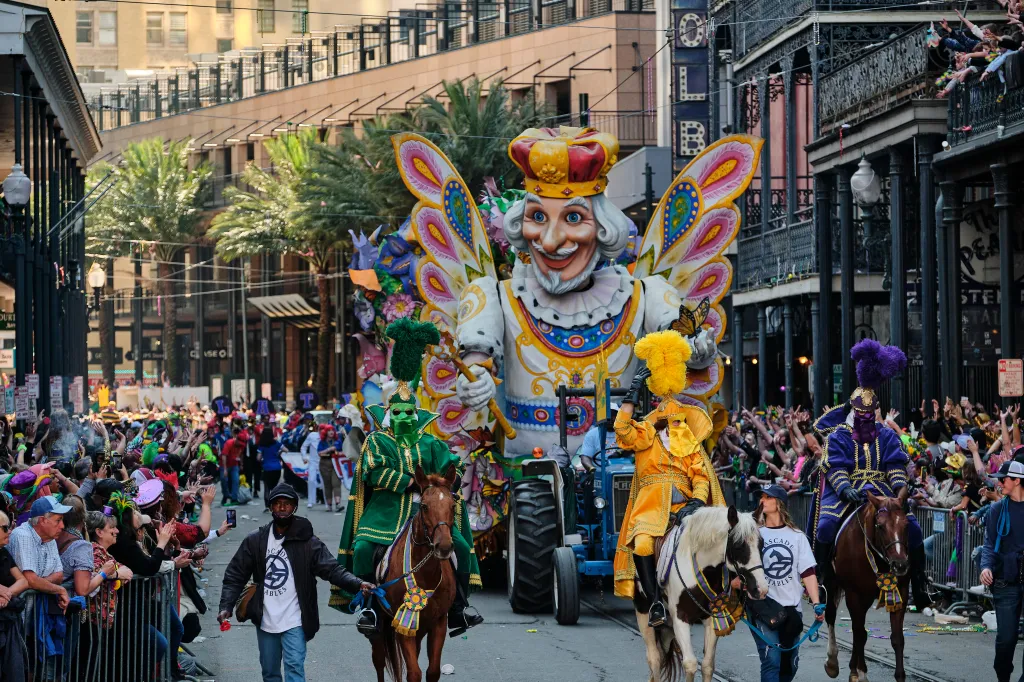
Defining Cultural Festivals: Characteristics and Objectives
Cultural festivals are diverse events that celebrate a wide range of themes, from music and art to food, history and religion. They have common characteristics:
- Celebration of Culture: Festivals showcase the traditions, values and artistic expressions of a particular community or region.
- Community Gathering: They bring people together, fostering a sense of belonging and shared identity.
- Artistic Expression: Festivals provide a platform for artists, performers and artisans to showcase their talents and interact with audiences.
- Economic Impact: They often generate significant economic activity by attracting tourists, stimulating local businesses and supporting cultural institutions.
Historical Context of Cultural Festivals: Evolution over Time
Cultural festivals have a long and rich history and have evolved over time to reflect changing social, political and economic contexts.
- Ancient Origins: Festivals have been celebrated for centuries and are often based on religious rituals, agricultural cycles or historical events.
- Medieval Festivals: Medieval festivals often included religious processions, theatrical performances and elaborate banquets.
- Renaissance Festivals: Festivals celebrating art, literature and scientific discoveries emerged during the Renaissance.
- Modern Festivals: Modern festivals are increasingly diverse, covering a wide range of themes from music and film to food and technology.
Understanding Urban Architecture: Basic Concepts and Features
Urban architecture encompasses the design and construction of buildings, infrastructure and public spaces in cities. Key concepts include:
- Form and Function: Buildings and spaces are designed to serve specific purposes while also contributing to the overall aesthetic and functional character of the city.
- Public Space: Public spaces such as plazas, parks and streets play a vital role in promoting social interaction, community engagement and urban living.
- Sustainability: Sustainable design principles are increasingly being incorporated into urban architecture to minimize environmental impact and promote resource efficiency.
- Cultural Identity: Urban architecture often reflects the history, culture and values of a city, contributing to its distinctive character and identity.
Relationship between Festivals and Urban Spaces
Cultural festivals and urban areas have a symbiotic relationship where each influences and shapes the other.
- Festivals as a Catalyst for Urban Renewal: Festivals can revitalize neglected urban areas, attract investment, promote tourism and boost community pride.
- Urban Areas as Stages for Festivals: Cities provide the infrastructure and public spaces necessary to host large-scale festivals, creating a dynamic and vibrant atmosphere.
- Architectural Adaptations for Festivals: Festivals often require temporary structures, stage installations and lighting installations that can be integrated into the existing urban fabric.
- Festivals as Inspiration for Urban Design: Festivals can inspire new urban design concepts by incorporating elements of temporary structures, public art installations and innovative lighting designs into permanent urban spaces.
Global Trends in Cultural Festivals and their Architectural Impact
Cultural festivals are a global phenomenon with unique characteristics and architectural impacts in different parts of the world.
- Emerging Economies: Festivals are increasingly used as a tool for economic development and cultural promotion in emerging economies.
- Sustainability: There is an increasing emphasis on sustainable practices in festival planning and design, minimizing waste, promoting recycling and using renewable energy sources.
- Digital Integration: Technology plays an increasingly important role in festival planning, marketing and audience engagement.
- Community Engagement: Festivals increasingly focus on involving local communities in the planning and execution of events, fostering a sense of ownership and pride.
By understanding the complex interplay between cultural festivals and urban architecture, we can appreciate the transformative power of these events to shape cities and foster a sense of community, creativity and cultural vitality.
The Transformative Effects of Cultural Festivals on Urban Spaces
Cultural festivals are more than just celebrations; they are catalysts for urban transformation that breathe new life into public spaces, encourage community engagement and stimulate local economies. From temporary structures to innovative public realm designs, the architectural elements of festivals play a crucial role in shaping this transformative impact.
Temporary Structures: Innovations in Design for Festival Needs
Festivals often require temporary structures to house stages, food stalls, art installations and other essential elements. These structures are not just functional; they are opportunities for innovative design and architectural expression.
- Sustainable Materials: The use of eco-friendly materials such as bamboo, recycled plastic and sustainable fabrics minimizes environmental impact and promotes circularity.
- Modular Design: Modular structures can be easily assembled and disassembled, reducing construction time and waste.
- Adaptive Reuse: Reusing existing structures, such as shipping containers or reused materials, adds unique character and reduces waste.
- Interactive Design: Interactive structures such as climbing walls, light installations or participatory art projects engage visitors and create memorable experiences.
Public Spaces: Redesigning Urban Spaces for Cultural Expression
Festivals often transform ordinary urban spaces into vibrant cultural hubs, showcasing the city’s unique character and fostering a sense of community.
- Pedestrianization: Closing streets to traffic creates a pedestrian-friendly environment, allowing for open-air markets, performance spaces and public gatherings.
- Lighting Design: Creative lighting installations can transform public spaces at night, creating a magical and inviting atmosphere.
- Public Art Installations: Temporary art installations, sculptures and murals can add a touch of whimsy and creativity to urban spaces.
- Interactive Design: Interactive elements such as fountains, projection mapping or augmented reality experiences can engage visitors and create a sense of wonder.
Community Participation: Promoting Local Participation through Architecture
Festivals can empower local communities by providing opportunities to participate in the design and construction of temporary structures and public spaces.
- Community Workshops:Workshops and design competitions allow residents to contribute their ideas and skills to the architectural elements of the festival.
- Local Craftsmanship: Using local artisans and craftspeople to build structures and create installations showcases local talent and fosters a sense of pride.
- Participatory Art Projects: Interactive art projects that involve community members in the creation process can foster a sense of ownership and belonging.
Economic Impact: Strengthening Local Economies through Architectural Development
Festivals can provide significant economic benefits for local communities by stimulating tourism, supporting local businesses and creating jobs.
- Increased Tourism: Festivals attract visitors from near and far, generating revenue for hotels, restaurants, shops and transportation services.
- Support for Local Businesses: Festivals provide a platform for local businesses to showcase their products and services, increasing sales and brand awareness.
- Job Creation: Festivals create temporary and permanent jobs in various sectors such as construction, hospitality and event management.
Case Studies: Major Festivals and their Architectural Transformations
- Burning Man Festival, Nevada: Held annually in the Black Rock Desert, this festival features a temporary city built entirely from scratch, showcasing innovative and sustainable design principles.
- Edinburgh Fringe Festival, Scotland: This world-renowned arts festival showcases the city’s rich cultural heritage by transforming its streets and public spaces into a vibrant stage for performance.
- Venice Biennale, Italy: This international art exhibition uses the city’s canals, palaces and public spaces as a canvas for contemporary art installations, showcasing the transformative power of art in urban environments.
By embracing the transformative power of cultural festivals, cities can create vibrant and engaging public spaces, encourage community engagement and stimulate local economies. Architectural elements of festivals, from temporary structures to innovative public space designs, play a crucial role in shaping this positive impact.
Architectural Design Influenced by Cultural Festivals
Cultural festivals are not just temporary events; they are powerful sources of inspiration for urban design, influencing architectural philosophies, material choices and artistic expressions. By embracing the spirit of festivals, architects can create spaces that are not only functional, but also culturally rich, engaging and inclusive.
Design Philosophy: Integrating Cultural Themes into Urban Architecture
Festivals provide a unique opportunity to weave cultural themes into the fabric of urban architecture, creating spaces that resonate with the community’s history, identity and values.
- Storytelling through Architecture: Buildings and public spaces can be designed to tell the stories of the community by incorporating historical narratives, local legends or artistic traditions into design elements.
- Cultural Icons and Symbols: Incorporating cultural icons, symbols or motifs into architectural details such as facades, ornamentation or public art installations can create a sense of place and cultural identity.
- Design Inspired by Festivals: Drawing inspiration from the temporary structures, art installations and vibrant atmosphere of festivals can inform the design of permanent urban spaces, creating a sense of dynamism and celebration.
Materials and Techniques: Utilizing Local Resources for Festival Structures
Festivals often showcase the craftsmanship and creativity of local artisans using materials and techniques unique to the region. These practices can inspire architects to incorporate sustainable and locally sourced materials into their designs.
- Local Stone and Timber: Using locally quarried stone or sustainably harvested timber adds a sense of authenticity and reduces the environmental impact of construction.
- Traditional Craftsmanship: Using traditional building techniques such as bricklaying, wood carving or weaving can create a sense of history and cultural continuity.
- Recycled Materials: Using recycled materials such as salvaged wood, reused brick or recycled plastic promotes sustainability and adds a unique character to the design.
Artistic Expressions: The Role of Art Installations in Urban Design
Festivals often include temporary art installations that transform urban spaces into living galleries, showcasing the creativity and talent of local and international artists. These installations can inspire architects to incorporate art into their designs and create spaces that are both functional and aesthetically engaging.
- Public Art Integration: Integrating public art installations into the design of buildings, plazas and streets can create a sense of wonder, encourage conversation and enhance the overall aesthetic appeal of the urban environment.
- Interactive Art Experiences: Incorporating interactive art installations such as light shows, sound sculptures or participatory art projects can create engaging experiences for visitors and foster a sense of community.
- Site Specific Art: Commissioning site-specific art installations that respond to the unique characteristics of the place can create a sense of place and cultural identity.
Accessibility and Inclusion: Design for Diverse Audiences
Festivals are often designed to be accessible and inclusive, welcoming people of all backgrounds and abilities. Architects can learn from this approach and create urban spaces that are welcoming and accessible for all.
- Universal Design Principles: Incorporating universal design principles such as ramps, accessible toilets and clear signage ensures that all visitors can enjoy the urban environment.
- Multisensory Experiences: Designing spaces that engage multiple senses – sight, sound, touch and smell – can create a more immersive and inclusive experience for all visitors.
- Community Engagement: Involving community members in the design process, especially those with disabilities or from marginalized groups, can ensure that the design reflects the needs and perspectives of a diverse population.
By embracing the spirit of cultural festivals, architects can create urban spaces that are not only functional but also culturally rich, engaging and inclusive. The transformative power of festivals can inspire innovative design solutions, promote sustainability and foster a sense of community and belonging.
The Role of Cultural Festivals in Urban Revitalization
Cultural festivals are more than just celebrations; they are powerful tools for urban revitalization that breathe new life into neglected areas, strengthen community identity and promote social cohesion. By embracing the festival spirit, cities can create vibrant and engaging public spaces, promote sustainable practices and build a stronger sense of community.
Urban Renewal: Transforming Neglected Areas through Festivals
By transforming neglected urban areas into vibrant cultural hubs, festivals can attract investment, promote tourism and boost community pride.
- Attract Investment: By showcasing the potential of underutilized spaces, festivals can attract developers and investors who see the value in revitalizing these areas.
- Revitalize Tourism: Festivals attract visitors from near and far, generating revenue for local businesses, hotels and restaurants and creating a buzz in the revitalized area.
- Creating Public Spaces: Festivals transform often neglected streets, plazas or parks into vibrant public spaces, encouraging people to gather, socialize and enjoy the area.
- Improving Infrastructure: Festivals can encourage infrastructure improvements such as lighting, signage and public transportation, making the area more accessible and attractive.
Community Identity: Strengthening Local Culture through Architectural Heritage
Festivals can celebrate a community’s unique cultural heritage by showcasing local traditions, art forms and architectural landmarks.
- Heritage Preservation: By highlighting the historical significance of buildings and places, festivals can raise awareness of their importance and encourage their preservation.
- Promoting Local Craftsmanship: Festivals can showcase local artisans, craftspeople and artists, showcasing their skills and traditions and fostering community pride in their heritage.
- IntergenerationalConnection: Festivals can bring people of all ages together, sharing stories, traditions and experiences, strengthening the bond between generations.
Social Cohesion: Festivals as a Catalyst for Community Building
Festivals can foster a sense of community by bringing people together, creating opportunities for interaction and promoting a shared sense of belonging.
- Building Connections: Festivals provide a platform for people from different backgrounds to come together, share experiences and build relationships.
- Creating Shared Experiences: Festivals provide opportunities for people to participate in events, performances and celebrations, creating shared memories and a sense of community.
- Empowering Local Voices: Festivals can empower local residents to participate in the planning and execution of events and give them a voice in shaping their communities.
Environmental Considerations: Sustainable Practices in Festival Architecture
Festivals can promote sustainable practices by using eco-friendly materials, reducing waste and minimizing their environmental impact.
- Sustainable Materials: Festival organizers can choose sustainable materials such as bamboo, recycled plastic and compostable food containers for temporary structures.
- Waste Reduction: Festivals can implement waste management programs to encourage recycling, composting and reduce single-use plastics.
- Energy Efficiency: Festivals can use renewable energy sources such as solar panels or wind turbines to power their events.
By embracing the transformative power of cultural festivals, cities can create vibrant and engaging public spaces, strengthen community identity, promote social cohesion and support sustainable practices. Festivals are not just celebrations; they are catalysts for urban revitalization, creating a more sustainable, equitable and culturally rich future for all.
Challenges and Considerations in Festival Architecture
While cultural festivals offer a vibrant and transformative force for urban areas, their architectural aspects also present a unique set of challenges and considerations. From logistical barriers to environmental concerns, overcoming these complexities is crucial to ensuring a successful and sustainable festival experience.
Logistical Issues: Planning and Implementation of Temporary Structures
Festivals often include a complex network of temporary structures, from stages and food stalls to art installations and seating areas. Planning and implementing these structures efficiently and safely requires careful consideration.
- Site Analysis: Thorough site analysis is essential to determine the best locations for structures, taking into account accessibility, visibility and potential impacts on surrounding areas.
- Structural Integrity: Temporary structures must meet safety standards and withstand potential weather conditions, which requires careful engineering and construction oversight.
- Accessibility and Circulation: Planning accessible routes, clear signage and adequate circulation is crucial to ensure a comfortable and enjoyable experience for all participants.
- Logistics and Coordination: Coordinating the delivery, assembly and dismantling of the structures requires meticulous planning and communication between various stakeholders.
Regulatory Framework: Navigating Building Regulations and Permits
Festival organizers must navigate a complex regulatory framework to ensure compliance with building codes, safety regulations and permitting requirements.
- Building Codes and Safety Standards: Temporary structures must meet specific building codes and safety standards that require professional engineering assessments and inspections.
- Permitting Process: Obtaining the necessary permits from local authorities can be a time-consuming process and requires detailed plans, specifications and insurance documentation.
- Environmental Regulations: Festivals must comply with environmental regulations, including noise regulations, waste management requirements and potential impacts on natural resources.
- Accessibility Requirements: Festivals must comply with accessibility regulations and ensure that all areas are accessible to people with disabilities.
Environmental Impact: Addressing Waste and Resource Management
Festivals generate significant amounts of waste, which requires careful planning and implementation of sustainable waste management practices.
- Waste Reduction: Encouraging attendees to bring reusable water bottles, offering compostable food containers and minimizing single-use plastics can significantly reduce waste.
- Recycling and Composting: Providing clear signage and designated bins for recycling and composting can encourage responsible disposal of waste.
- Sustainable Materials: Using eco-friendly materials such as bamboo, recycled plastic and sustainable fabrics for temporary structures can minimize environmental impact.
- Energy Efficiency: Using renewable energy sources such as solar panels or wind turbines and implementing energy-efficient lighting can reduce the festival’s carbon footprint.
Social Resistance: Balancing Development with Local Concerns
Festivals can sometimes face resistance from local communities concerned about potential disruptions, noise levels or impacts on their neighborhoods.
- Community Engagement: Engaging with local residents early in the planning process, seeking their views and addressing their concerns can help build support for the festival.
- Transparency and Communication: Providing clear and timely information about the festival’s plans, schedule and potential impacts can help allay concerns and build trust.
- Mitigation Measures: Implementing measures to minimize noise levels, traffic congestion and other potential disruptions can help address community concerns.
- Social Benefits: Emphasizing the economic and social benefits of the festival, such as job creation, tourism revenue and community building, can help gain community support.
By addressing these challenges and considerations, festival organizers can create a successful and sustainable event that benefits both the community and the environment. Festival architecture is not just about temporary structures; it is about creating a vibrant and engaging experience that leaves a positive and lasting impact on the city.
The Future of Cultural Festivals and Urban Architecture
Cultural festivals are no longer just temporary celebrations; they are becoming dynamic forces shaping the future of urban architecture. As cities grapple with challenges such as climate change, social inequality and technological advancements, festivals are emerging as catalysts for innovative design solutions, promoting a more sustainable, inclusive and resilient urban landscape.
Emerging Trends: Innovations in Festival Design and City Planning
Festivals are pushing the boundaries of design, combining innovative concepts and sustainable practices to create more engaging and impactful experiences.
- Temporary Architecture: Temporary structures are becoming more sophisticated, using lightweight materials, modular designs and innovative construction techniques to create dynamic and adaptable spaces.
- Interactive Experiences: Festivals are incorporating interactive elements such as augmented reality, virtual reality and digital art installations to create immersive and engaging experiences for attendees.
- Sustainable Practices: Festivals adopt sustainable practices, use recycled materials, reduce waste and promote energy efficiency to minimize their environmental impact.
- Community-Led Design: Festivals increasingly involve local communities in the design process, fostering a sense of ownership and ensuring that the event reflects the unique character of the region.
Technology Integration: The Role of Digital Tools in Festival Architecture
Digital tools are transforming the way festivals are planned, designed and experienced, creating more efficient, interactive and accessible events.
- Virtual and Augmented Reality: VR and AR technologies are being used to create immersive experiences, allowing attendees to explore festival grounds, interact with art installations and engage with artists in new ways.
- Data Analytics: Festival organizers are using data analytics to understand attendee behavior, optimize event logistics and personalize experiences.
- Mobile Apps: Mobile apps provide attendees with real-time information about programs, maps, accessibility features and other important details.
- Smart Infrastructure: Festivals incorporate smart technologies such as sensors, lighting systems and digital signage to improve safety, efficiency and sustainability.
Global Perspectives: A Comparative Analysis of Festivals and Urban Design Around the World
Festivals around the world showcase different approaches to urban design, providing valuable insights into best practices and emerging trends.
- Urban Renewal: Festivals play an important role in revitalizing neglected urban areas, attracting investment, promoting tourism and fostering community pride.
- Cultural Heritage: Festivals preserve cultural heritage and enhance a sense of place by celebrating local traditions, art forms and architectural landmarks.
- Social Cohesion: Festivals bring people together, create opportunities for interaction and foster a shared sense of belonging.
- Sustainable Practices: Festivals adopt sustainable practices, use environmentally friendly materials, reduce waste and minimize their environmental impact.
Design for Resilience: Preparing Urban Spaces for Future Festivals
As cities face increasing challenges, festivals play an important role in preparing urban spaces for future events, ensuring they are flexible, adaptable and sustainable.
- Climate Change Adaptation: Festivals incorporate design elements that address climate change, such as flood-resistant structures, heat-resistant materials and sustainable water management systems.
- Disaster Preparedness: Festivals develop emergency plans and implement safety measures to ensure the well-being of attendees in the event of natural disasters or other emergencies.
- Accessibility and Inclusion: Festivals prioritize accessibility and inclusion, ensuring that all participants can fully participate, regardless of ability or background.
- Community Resilience: Festivals increase community resilience by fostering social connections, empowering local residents and creating a sense of shared responsibility.
Conclusion: The Lasting Impact of Cultural Festivals on Urban Architecture
Cultural festivals are not just temporary events; they are powerful forces shaping the future of urban architecture. Embracing innovation, technology and sustainability, festivals create vibrant, engaging and resilient urban spaces that foster community, celebrate culture and inspire a more sustainable future. As cities continue to evolve, cultural festivals will continue to be at the forefront of urban design, fostering innovation, promoting inclusivity and shaping a more vibrant and resilient urban landscape.