

A fascinating blend of functionality and aesthetics, library architecture explores the design of spaces dedicated to the preservation, organization and dissemination of knowledge. It is a field that reflects evolving societal values, technological advances and the enduring importance of access to information.


Defining Libraries: Purpose and Cultural Significance
Libraries are more than book depositories; they are vital cultural institutions that serve as centers of learning, community engagement and intellectual exploration.
- Preservation of Knowledge: Libraries act as guardians of knowledge, preserving and protecting books, manuscripts and other valuable materials for future generations.
- Access to Information: Libraries provide equal access to information for all, regardless of background or socioeconomic status, promoting literacy and empowering individuals.
- Community Centers: Libraries serve as community centers by offering a wide range of programs, services, and resources that support learning, creativity, and social interaction.
Historical Evolution of Library Architecture
The design of libraries has evolved over time to reflect changing societal needs, technological advances and architectural styles.
- Ancient Libraries:Ancient libraries, such as the Library of Alexandria, were often large buildings designed to house large collections of scrolls and manuscripts.
- Medieval Libraries: Medieval libraries are often associated with monasteries and cathedrals, often with ornate architecture and intricate detailing.
- Renaissance and Baroque Libraries: The Renaissance and Baroque periods saw the emergence of large, ornate libraries that showcased the power and prestige of knowledge.
- Modern Libraries: Modern libraries have open, flexible spaces, incorporate technology, and emphasize accessibility and user-friendliness.
Key Features of Effective Library Design
Effective library design prioritizes functionality, accessibility and user experience, creating spaces that are welcoming, inspiring and conducive to learning.
- Flexibility and Adaptability: Libraries should be flexible and adaptable to accommodate changing needs and technologies, allowing for seamless integration of digital resources.
- Natural Light and Ventilation: Natural light and ventilation are essential to create a comfortable and inviting atmosphere, promote well-being and reduce energy consumption.
- Accessibility and Inclusion: Libraries should be accessible to all, regardless of physical ability or language, and ensure that everyone can benefit from the resources and services they offer.
The Role of Libraries in Knowledge Dissemination and Community Engagement
Libraries play a crucial role in disseminating knowledge and promoting civic engagement, serving as vital resources for individuals and communities.
- Educational Resources: Libraries provide access to a wide range of educational resources, including books, journals, databases and online learning platforms.
- Community Programs: Libraries promote community engagement and lifelong learning by offering a variety of programs and services such as story time for children, book clubs, author talks, and computer literacy classes.
- Digital Literacy: Libraries are increasingly playing a role in promoting digital literacy by providing access to computers, the Internet and digital skills training.
Overview of Global Trends in Library Architecture
Global trends in library architecture are driven by the desire to create innovative, sustainable and inclusive spaces that meet the changing needs of societies.
- Sustainable Design: Libraries are increasingly adopting sustainable design principles, including green building materials, energy-efficient technologies and environmentally friendly practices.
- Technology Integration: Libraries are embracing technology by incorporating digital resources, interactive displays and innovative learning tools to enhance the user experience.
- Community Engagement: Libraries focus on community engagement, creating spaces that are welcoming, accessible and responsive to the needs of their communities.
By understanding the principles of library architecture, we can appreciate the vital role libraries play in our society, promoting learning, supporting literacy and empowering individuals and communities.
Architectural Elements of Libraries
The design of a library is a delicate dance between functionality and aesthetics, creating spaces that are both inviting and conducive to learning. Every element, from layout to materials, plays a crucial role in shaping the character of the library and enhancing the user experience.
Spatial Organization: Balancing Quiet Work and Cooperation Spaces
A well-designed library offers a wide variety of spaces that cater to different needs and learning styles, balancing quiet study areas with collaborative spaces.
- Quiet Study Areas: These areas are designed for focused concentration and often include individual study tables, closed reading rooms or designated quiet zones.
- CollaborativeWorkspaces: These spaces encourage interaction and collaboration and include group study rooms, meeting spaces and open areas for informal gatherings.
- Flexibility: A successful library design includes flexible spaces that can be adapted to different needs, allowing for both individual and group activities.
Natural Light and Ventilation: Improving User Experience
Natural light and ventilation are essential for creating a comfortable and inviting atmosphere in a library, promoting well-being and reducing energy consumption.
- Daylight Maximization: Libraries are often designed to maximize natural light, using large windows, skylights and light wells to illuminate reading areas and create a sense of openness.
- Ventilation Systems: Effective ventilation systems provide fresh air circulation, maintain a comfortable temperature and humidity level, and improve air quality.
- Energy Efficiency: Sustainable design principles, such as passive solar heating and cooling, can reduce energy consumption and minimize the environmental impact of the library.
Material Selection: Aesthetic Considerations and Durability
The materials used in a library should be both aesthetically pleasing and durable, creating a warm atmosphere while withstanding the wear and tear of heavy use.
- Warm and Inviting Materials: Wood, stone and other natural materials often create a warm and inviting atmosphere, promoting a sense of comfort and peace.
- Durable Surfaces: Materials used in high-traffic areas such as floors and furniture should be durable and resistant to scratches, stains and abrasion.
- Acoustic Considerations: Materials can be selected to absorb sound and minimize noise levels, creating a quieter and more conducive environment for working.
Technology Integration: Adapting to the Digital Age
Libraries are increasingly using technology to enhance the user experience, provide access to digital resources and promote digital literacy.
- Digital Resources: Libraries offer a wide range of digital resources, including e-books, audiobooks, databases and online learning platforms, accessible via computers, tablets and smartphones.
- Wireless Connectivity: Reliable wireless connectivity is essential to provide access to digital resources and allow users to work on their own devices.
- Interactive Displays: Interactive displays such as touch screens and multimedia kiosks can be used to showcase library resources, provide information, and engage visitors.
Accessibility: Ensuring Inclusivity in Library Design
Libraries should be accessible to everyone, regardless of physical ability or language, and ensure that everyone can benefit from the resources and services they offer.
- Universal Design: Universal design principles such as ramps, elevators, and accessible restrooms ensure that the library is accessible to people with disabilities.
- Multilingual Resources: Libraries should provide resources in multiple languages, including books, signage, and staff assistance, to appeal to diverse communities.
- Assistive Technology: Libraries should offer assistive technology to support users with disabilities, such as screen readers, braille displays, and captioning devices.
By carefully considering these architectural elements, libraries can create spaces that are both functional and inviting, fostering a love of learning and providing a welcoming environment for all.
Notable Examples of Library Architecture
Each a testament to the power of knowledge and the beauty of design, they stand as a source of learning and inspiration, demonstrating the evolution of library architecture and its lasting impact on society.
British Library, London: A Testament to the Preservation of Knowledge
As a vast repository of knowledge, the British Library is a testament to the importance of preserving and protecting our cultural heritage.
- Large Scale: Housing more than 150 million items, the library’s impressive scale reflects the vastness of human knowledge and the importance of preserving it for future generations.
- Modern Design: The library’s modern design, with a striking glass façade and open, airy spaces, creates a warm and inspiring atmosphere for visitors.
- Technological Integration: The library seamlessly integrates technology, offering digital resources, interactive exhibitions and a state-of-the-art research facility.
The New York Public Library: A Historic Landmark of Learning
A majestic landmark in the heart of Manhattan, the New York Public Library embodies the grandeur and prestige of knowledge.

- Architectural Icon: The library’s iconic Beaux-Arts architecture, featuring grand arches, ornate detailing and a soaring reading room, evokes a sense of history and tradition.
- Cultural Center: The library serves as a cultural center that fosters intellectual discourse and community engagement by hosting exhibitions, lectures and events.
- Public Access: The library’s commitment to public access ensures that everyone can benefit from its resources, regardless of background or socioeconomic status.
Bibliothèque Nationale de France, Paris: Architectural Splendor
A masterpiece of modern architecture, the Bibliothèque Nationale de France showcases the innovative and bold spirit of library design.


- Bold Design: The library’s original design, with four tall towers and a large open space, reflects a commitment to openness and accessibility.
- Technological Advances: The library incorporates the latest technology, offering digital resources, interactive exhibitions and a state-of-the-art research facility.
- Cultural Significance: The Library serves as a national treasure, housing a vast collection of books, manuscripts, and other cultural artifacts.
Seattle Central Library: A Modern Icon of Innovative Design
A striking example of contemporary library architecture, the Seattle Central Library embodies the spirit of innovation and community engagement.
- Unique Design: The library’s distinctive design of stacked boxes and a dramatic glass façade creates a dynamic and inviting atmosphere.
- Public Spaces: The library prioritizes public spaces, offering a variety of seating areas, meeting rooms and open spaces for collaboration and interaction.
- Technology Integration: The library seamlessly integrates technology, offering digital resources, interactive displays and a state-of-the-art research facility.
Stuttgart City Library, Germany: A Model for Contemporary Library Spaces
A model of contemporary library design, the Stuttgart City Library demonstrates the power of architecture to create warm and inspiring spaces for learning.


- Open and Accessible: The library’s open and accessible design, with a central atrium and a series of interconnected floors, encourages exploration and learning.
- Natural Light: The library maximizes natural light using large windows and skylights to create a bright and airy atmosphere.
- Sustainable Design: The library incorporates sustainable design principles by using energy-efficient technologies and environmentally friendly materials.
Each with its own unique character and significance, these libraries demonstrate the power of architecture to create spaces that encourage learning, inspire creativity and connect communities. Serving as vital sources of information, education and cultural enrichment, these libraries are a testament to the enduring importance of libraries in our society.
Cultural Impact of Library Architecture
Beyond their practical function as repositories of information, libraries have a profound cultural impact, shaping community identity, promoting lifelong learning, and supporting tourism and economic development. Their architecture, often a reflection of the values and aspirations of the communities they serve, plays a vital role in this cultural influence.
Promoting Community Identity and Lifelong Learning
Libraries serve as cultural anchors that foster a sense of community identity and encourage lifelong learning.
- Community Hubs: Libraries are often central gathering places, offering a wide range of programs and services that cater to different interests and needs, fostering a sense of belonging and common purpose.
- Lifelong Learning: Libraries support individuals throughout their lives by providing access to a wide range of resources, from books and journals to online databases and digital learning platforms.
- Cultural Heritage: Libraries preserve and showcase local history and culture, connecting communities to their past and fostering a sense of pride and belonging.
Tourism and Economic Benefits of Architecturally Significant Libraries
Architecturally significant libraries attract visitors from around the world, generating economic benefits for local communities and supporting the preservation of these cultural treasures.
- Tourist Destinations: Libraries with stunning architecture, such as the New York Public Library or the Seattle Central Library, become popular tourist destinations, attracting visitors who spend money on lodging, dining and souvenirs.
- Economic Development: Libraries can act as a catalyst for economic development, attracting investment and stimulating tourism-related businesses in the surrounding area.
- Cultural Tourism: Libraries contribute to the cultural tourism industry by showcasing a region’s architectural heritage and artistic achievements.
Educational Opportunities and Outreach Programs in Libraries
Libraries offer a wide range of educational opportunities and outreach programs, engaging communities and promoting literacy and lifelong learning.
- School Programs: Libraries often partner with schools to provide access to resources, host author visits, and offer educational programs for students of all ages.
- Community Outreach: Libraries host a variety of events and programs, such as book clubs, author talks and workshops, engaging local communities and fostering a love of reading and learning.
- Digital Literacy: Libraries play an important role in promoting digital literacy, empowering individuals in the digital age by providing access to computers, the internet and digital skills training.
Preserving Cultural Heritage through Library Architecture
Preserving the architectural heritage of libraries is essential to preserving cultural heritage and ensuring that these spaces remain accessible and meaningful for future generations.
- Historical Significance: Libraries often reflect the architectural styles and values of their time and reflect the history and culture of the communities they serve.
- Cultural Identity: Libraries are an integral part of a community’s cultural identity and represent its values, aspirations and achievements.
- Connecting Generations : Preserving libraries enables future generations to connect with the past, learn from history and appreciate their community’s cultural heritage.
Case Studies: Successful Community Engagement Initiatives
Many libraries have successfully engaged local communities in preservation and interpretation processes, fostering a sense of ownership and pride.
- San Francisco Public Library: The library has a strong community engagement program that involves local residents in volunteer opportunities, educational programs, and events.
- Chicago Public Library: The library engages diverse communities and promotes literacy by hosting a variety of programs and events, including author talks, book clubs, and workshops.
- Los Angeles Public Library: The library has a strong outreach program that provides services to underserved communities and promotes access to information and resources.
These examples demonstrate the power of community engagement in preserving libraries and ensuring that these spaces remain meaningful for future generations. By fostering a sense of ownership and pride, communities can play a vital role in preserving cultural heritage and ensuring that the stories of these institutions are not forgotten.
Library Architecture Challenges
Libraries are vital cultural institutions, yet their design and maintenance face a number of challenges in the modern world. Balancing tradition with innovation, securing funding and adapting to a rapidly changing technological environment are just some of the obstacles that must be overcome to ensure libraries remain relevant and accessible for future generations.
Balancing Traditional Functions with Modern Needs
Libraries are tasked with adapting to the demands of the digital age while maintaining traditional functions such as providing access to books and encouraging quiet study.
- Digital Resources: Integrating digital resources such as e-books, online databases and interactive displays, while maintaining a welcoming environment for traditional book lovers can be a delicate balancing act.
- Collaborative Spaces: Creating spaces that encourage collaboration and group work while also providing quiet spaces for focused study requires careful planning and design.
- Accessibility: Ensuring that libraries are accessible to all, regardless of physical ability or language, requires careful consideration of universal design principles and the inclusion of assistive technologies.
Addressing Funding and Resource Allocation for Library Projects
Ensuring adequate funding and resources is crucial for maintaining and updating libraries, but competition for limited funds can be a challenge.
- Government Funding: Government funding for libraries can be limited, especially in times of economic hardship or competing priorities.
- Private donations: Relying on private donations can be unpredictable and large sums of money can be difficult to secure.
- Resource Allocation: Even with adequate funding, it can be difficult to effectively allocate resources to meet the diverse needs of libraries, such as technology upgrades, building maintenance, and program development.
Mitigating Environmental Impacts at Library Sites
Like all buildings, libraries have an environmental footprint and minimizing their impact is crucial for sustainability.
- Energy Efficiency: Adopting energy efficient technologies such as solar panels, LED lighting and high-performance insulation can reduce energy consumption and minimize the library’s carbon footprint.
- Sustainable Materials: Using sustainable building materials such as recycled wood, bamboo and locally sourced stone can reduce the environmental impact of construction and renovation.
- Water Conservation: Implementing water-saving measures such as low-flow fixtures and rainwater harvesting systems can conserve water resources and reduce the environmental impact of the library.
Involvement of Different Stakeholders in Library Design
Designing libraries that meet the needs of diverse communities requires the involvement of a wide range of stakeholders, including library staff, community members, and local government officials.
- Community Input: Involving community members in the design process ensures that the library reflects the needs and aspirations of the people it serves.
- Staff Collaboration: Working closely with library staff ensures that the design incorporates the practical needs of librarians and other staff.
- Government Partnerships: Collaborating with local government officials can help secure funding, navigate permitting processes, and ensure that the library complies with local regulations.
Future-proofing Libraries for Technological Advances
The rapid pace of technological change poses a challenge for libraries, requiring them to adapt and evolve to remain relevant and accessible.
- Technology Integration: Libraries should be designed to adapt to future technological advances such as virtual reality, augmented reality, and artificial intelligence.
- Digital Literacy Programs: Libraries should offer programs and resources that promote digital literacy and empower individuals to navigate the digital world and access information effectively.
- Flexibility and Adaptability: Libraries should be designed with flexibility and adaptability in mind, allowing for future upgrades and changes to accommodate new technologies and changing needs.
Meeting these challenges requires a collaborative and innovative approach, prioritizing community engagement, providing adequate resources, reducing environmental impacts, and adapting to a rapidly changing technological environment. By addressing these challenges head-on, we can ensure that libraries remain vital cultural institutions, promoting learning, supporting literacy, and empowering individuals and communities for generations to come.
The Future of Library Architecture
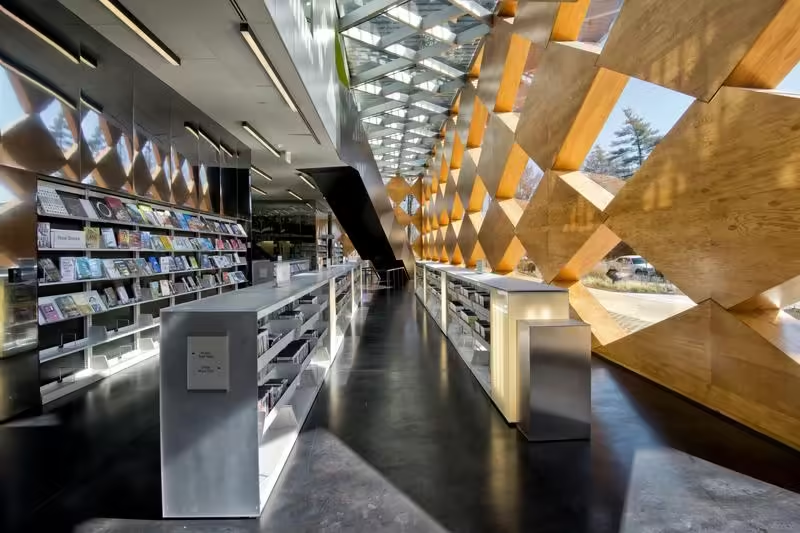
The future of library architecture is bright with growing awareness of their cultural significance, a commitment to sustainable practices, and the power of technology to increase visitor engagement. These trends are shaping innovative approaches to conservation, interpretation and accessibility, ensuring that these spaces remain meaningful for generations to come.

Emerging Trends in Sustainable Library Design
Sustainable practices are becoming increasingly important in library design, minimizing environmental impact and ensuring the long-term viability of these spaces.
- Green Building Practices: Adopting green building practices in library construction and renovation minimizes energy consumption, reduces waste and protects the environment.
- Renewable Energy Sources: Integrating renewable energy sources such as solar panels and wind turbines can reduce reliance on fossil fuels and promote sustainability.
- Water Conservation: Implementing water-saving measures such as low-flow fixtures and rainwater harvesting systems can conserve water resources and reduce the environmental impact of the library.
The Role of Technology in Shaping Library Spaces of the Future
Technology is transforming the way we experience libraries by delivering immersive and interactive experiences that bring knowledge to life.
- Virtual Reality and Augmented Reality: VR and AR technologies allow visitors to experience libraries in a new way, immersing themselves in historical events, exploring distant worlds and gaining a deeper understanding of the past.
- Interactive Exhibits: Interactive exhibits such as touch screens, multimedia displays and virtual tours engage visitors and provide a more dynamic and engaging learning experience.
- Digital Storytelling:Digital platforms such as websites, mobile apps and social media can be used to share library stories, connect with visitors and promote historical awareness.
Global Perspectives on Innovative Library Projects
Around the world, innovative library projects are pushing the boundaries of preservation and interpretation, showcasing the latest trends and technologies.
- National Library of China: The library uses digital technologies to create immersive experiences for visitors, including virtual reality tours and interactive exhibitions.
- The Bibliotheca Alexandrina: The library is implementing sustainable practices such as green building and ecological restoration to protect the environment and enhance the visitor experience.
- National Library of Singapore: The library uses digital storytelling to share the stories of Singapore’s history and culture, connecting with visitors and preserving their memories.
Case Studies: Visionary Libraries Shaping the Future of Learning
Several visionary library projects are setting the standard for sustainable practices, innovative technologies and community engagement.
- Denver Public Library: The library uses immersive exhibits, interactive displays, and digital storytelling to engage visitors and provide a comprehensive understanding of the library’s history and resources.
- Seattle Central Library: The library is working to preserve its architectural heritage through a combination of land acquisition, historical research and public education.
- Toronto Public Library: The library works to promote the preservation of libraries and commemorate victims of war, emphasizing the importance of peace and reconciliation.
Conclusion: The Lasting Importance of Library Architecture in Society
Library architecture plays a vital role in understanding history, reminding us of the human cost of conflict and its lasting impact on the world. By adopting sustainable practices, utilizing technology and encouraging community engagement, we can ensure that these spaces remain relevant and meaningful for future generations. The future of library architecture is bright, promising innovative approaches to preservation, interpretation and accessibility, ensuring that these powerful reminders of the past continue to shape our understanding of the world.