

Singapore, a small city-state located at the southern tip of the Malay Peninsula, is a fascinating example of sustainable urban planning. Despite its limited land area, Singapore has managed to develop into a vibrant metropolis known for its efficient infrastructure, lush greenery and innovative urban solutions. The city’s approach to urban planning reflects a balance between economic growth and environmental sustainability, making it a model for cities around the world.

Historical Context
Singapore’s history of urban development is deeply intertwined with its colonial past. Founded by Sir Stamford Raffles in 1819 as a trading center, Singapore quickly developed into a bustling port city. The early 20th century saw rapid population growth driven by immigration and trade. Post-independence in 1965, Singapore faced significant challenges, including housing shortages and economic instability. In response, the government implemented comprehensive urban planning strategies that focused on building public housing, improving infrastructure and creating green spaces. This historical development highlights Singapore’s resilience and adaptability to overcome urban challenges over time.
Economic Growth and Urbanization
Singapore’s rapid economic growth has been the driving force behind its urbanization. As a global financial center, the city-state has attracted multinational corporations, leading to the rapid growth of its economy. This growth has required the development of extensive urban infrastructure, including transportation networks, commercial and residential areas. The government’s proactive approach to urban planning has ensured the integration of economic and spatial strategies, creating an environment in which businesses can thrive while ensuring a high quality of life for residents. This balance is evident in areas such as the Central Business District, which combines high-rise offices with green spaces and amenities.
Demographic Changes
Singapore’s demographics are diverse, with a melting pot of cultures and ethnicities. The population has grown significantly since independence, creating a need for inclusive urban planning that caters to diverse groups. Currently, the city-state is grappling with the challenges of an aging population and low birth rates, leading to innovative solutions in urban design. For example, the development of age-friendly communities and integrated healthcare reflects a commitment to ensuring that all citizens can enjoy a high quality of life. This demographic evolution has pushed Singapore to create spaces that promote social inclusion and participation.
The Role of Government Policy
The Singapore government plays an important role in shaping the urban environment through forward-thinking policies. The Urban Redevelopment Authority (URA) is instrumental in planning and land use, ensuring that development is aligned with national goals. Policies such as the Concept Plan and Master Plan set the long-term vision for the city, focusing on sustainability, efficiency and livability. In addition, initiatives such as the Green Mark Program encourage environmentally friendly building practices. This proactive governance has made Singapore a leader in sustainable urban development and demonstrated how effective policies can foster urban innovation.
Global Comparisons
Compared to other global cities, Singapore stands out for its unique blend of urban efficiency and environmental consciousness. While cities like New York and Tokyo are known for their skylines and cultural vibrancy, Singapore has carved a niche for itself by prioritizing sustainability. Its integration of nature into urban spaces, such as the Bay Gardens and its extensive network of park connectivity, sets it apart. In addition, Singapore’s extensive public transportation system significantly reduces dependence on cars, a challenge faced by many large cities. This holistic approach to urban planning offers valuable lessons for cities around the world grappling with similar issues of growth, sustainability and livability.
In conclusion, Singapore’s urban landscape is a testament to the power of strategic planning, innovation and community engagement. As the city-state continues to evolve, it is committed to building a sustainable future by balancing economic growth with environmental stewardship. Singapore’s journey is a model for other urban areas striving to achieve similar goals in a rapidly changing world.
A vibrant city-state, Singapore stands as a remarkable model of sustainable urban planning. Situated at the intersection of commerce and culture, it demonstrates how a densely populated region can harmonize development with ecological integrity. The journey towards sustainability is woven into the fabric of Singapore’s urban landscape, resulting in a city that is not only functional but also livable and resilient. This research on sustainable urban planning in Singapore reveals Singapore’s commitment to core principles that prioritize environmental health, social equity and economic viability.
Basic Principles of Sustainable Urban Planning
Green Spaces and Biodiversity
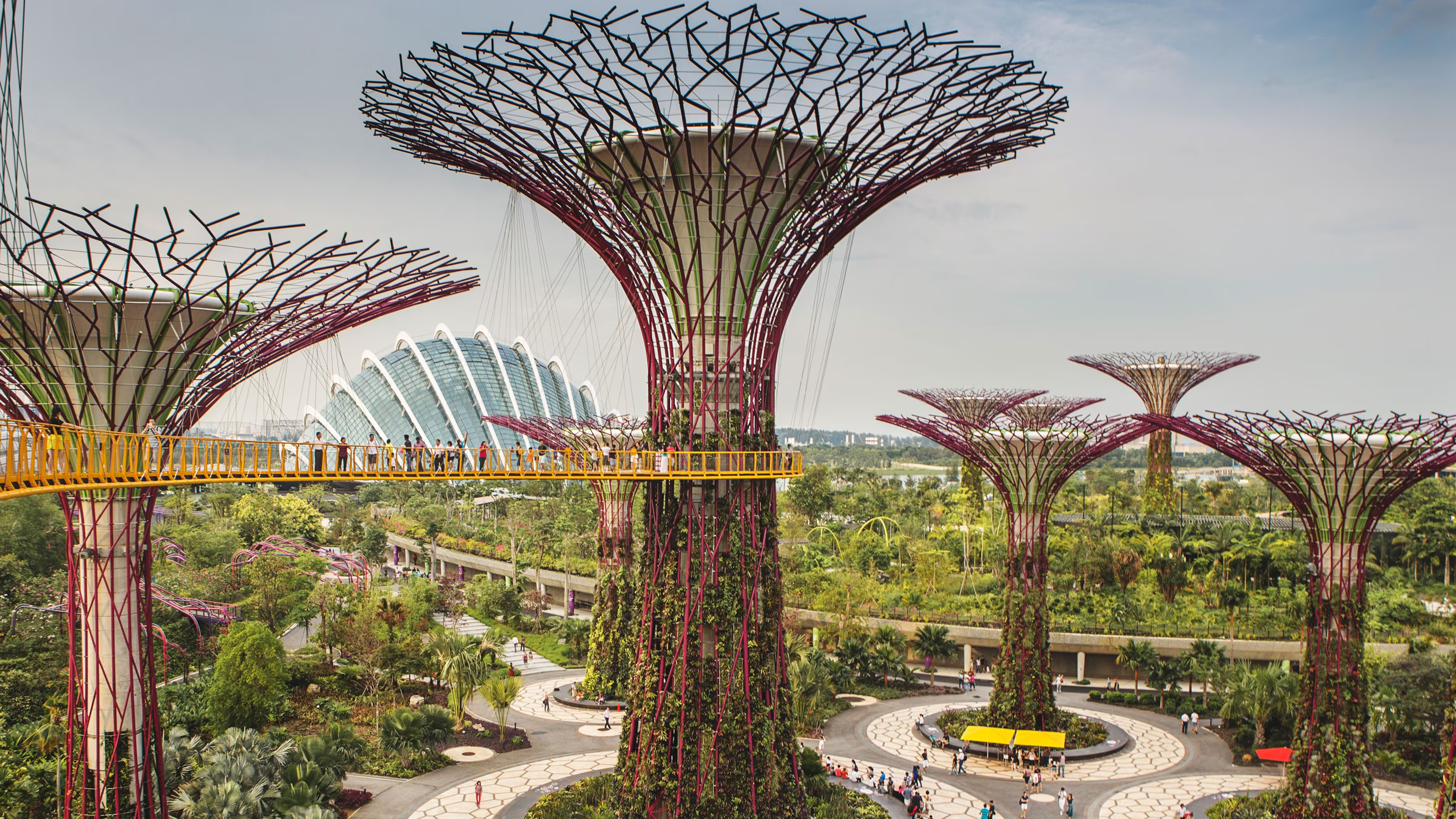
One of the cornerstones of sustainable urban planning in Singapore is the integration of green spaces and biodiversity into the urban environment. Despite its high population density, Singapore has made significant strides in creating parks, gardens and nature reserves across the city. The iconic Gardens by the Bay exemplifies this commitment with its futuristic structures housing a variety of plant species, while Supertree Grove contributes to the local ecosystem as well as enhancing the aesthetic appeal of the city.
These green spaces serve multiple functions. They provide habitat for flora and fauna, promote biodiversity and improve air quality, acting as vital lungs for the city. They also offer residents a respite from the urban hustle and bustle, promoting mental wellbeing and community interaction. Initiatives such as the “City in a Garden” vision highlight Singapore’s commitment to balancing urbanization with nature and ensuring that green spaces are accessible and connected.
Mixed-Use Developments
Mixed-use developments have emerged as a transformative approach to Singapore’s urban planning strategy. By combining residential, commercial and entertainment space in the same area, these developments create vibrant communities where people can live, work and play without the need for extensive travel. This strategy not only increases convenience but also reduces carbon emissions by reducing reliance on cars.
A case in point is the **One-North** development, which integrates research facilities, business space and residential units. This mix encourages innovation and collaboration between residents and professionals. By prioritizing walkability, mixed-use developments in Singapore create vibrant neighborhoods that thrive on social interaction while encouraging active lifestyles. Such designs not only optimize land use, but also create a sense of community, which is crucial in a densely populated city.
Public Transportation Systems
Efficient public transportation is vital for sustainable urban planning and Singapore excels in this area. The city-state has an extensive network of buses, trains and taxis that seamlessly connect different parts of the city. Of particular note is the Mass Rapid Transit (MRT) system, which provides a reliable and affordable means of transportation that significantly reduces traffic congestion.
Singapore’s public transport initiatives support sustainability by encouraging residents to choose public transport over private vehicles. The government’s continued investment in expanding and modernizing the network demonstrates its commitment to making public transport more accessible and efficient. In addition, initiatives such as the use of electric buses and the promotion of bicycle infrastructure further enhance the sustainability of urban mobility, making it easier for citizens to choose environmentally friendly transportation options.
Energy Efficiency and Renewable Resources
Energy efficiency and the use of renewable resources underpin Singapore’s approach to sustainable urban planning. The city-state has implemented various policies to reduce energy consumption in buildings, such as the Building and Construction Authority’s Green Mark Scheme. This program encourages developers to adopt environmentally friendly practices, resulting in energy-efficient designs that minimize waste and reduce carbon footprints.
Singapore is also investing in solar energy, taking advantage of its tropical climate to generate renewable energy. The installation of solar panels on rooftops and the innovative use of floating solar farms on reservoirs are just a few examples of how the city-state is embracing sustainable energy solutions. These initiatives not only contribute to reducing GHG emissions, but also set a precedent for other urban areas to follow in their quest for energy resilience.
Community Engagement and Inclusion
Sustainable urban planning in Singapore is not just about infrastructure and technology; it is deeply rooted in community engagement and inclusiveness. The government actively seeks the views of residents on urban development projects, ensuring that their voices are heard and taken into account. This participatory approach fosters a sense of ownership among citizens, encouraging them to take pride in their neighborhood and contribute to its upkeep.
Programs to foster social cohesion are integral to this principle. Initiatives such as community gardens and local festivals encourage interaction between residents, strengthening ties between different populations. By prioritizing inclusivity, Singapore ensures that all citizens, regardless of background, can benefit from and enjoy the city’s resources, making urban living a shared experience that enhances quality of life.
As a result, Singapore’s commitment to sustainable urban planning is evident in its innovative practices and principles. Prioritizing green spaces, mixed-use developments, efficient public transportation, energy sustainability and community engagement, the city-state is setting a global benchmark for urban living. As cities around the world grapple with the challenges of urbanization, Singapore’s model offers valuable insights into creating resilient and sustainable urban environments for future generations.
Singapore is often highlighted as a model for sustainable urban planning, combining the vibrant energy of a vibrant metropolis with an unwavering commitment to environmentally friendly practices. This small island nation has deftly navigated the challenges of urbanization by creating spaces that not only accommodate its population, but also enhance the quality of life of its residents and protect the environment. The following sections explore some of the most significant sustainable projects in Singapore, revealing the innovative spirit and forward-thinking strategies that define this global city-state.
Key Sustainable Projects in Singapore
Gardens by the Bay
Gardens by the Bay is a breathtaking example of how Singapore blends nature with urban development. Spanning over a hectare, this futuristic garden is home to the iconic Supertree Grove, a collection of towering vertical gardens that not only serve as a striking landmark, but also play an important role in sustainability. These structures harness solar energy to power nighttime light shows and are designed to collect rainwater and use it for irrigation.
The gardens also include the Flower Dome and Cloud Forest, where visitors can experience different climates and plant species from around the world. By incorporating natural ecosystems into urban life, Gardens by the Bay increases biodiversity and provides a green sanctuary for locals and tourists alike. This project exemplifies how Singapore prioritizes environmental compliance, creating spaces that educate the public about sustainability and the importance of protecting our planet.
Marina Bay Sands
Marina Bay Sands is not just an architectural marvel; it represents a commitment to sustainable design in the heart of Singapore. The integrated resort features an innovative cooling system that reduces energy consumption and a rainwater harvesting system that collects water for irrigation and other non-potable uses. Offering spectacular views of the city, the rooftop SkyPark also serves as a green space, encouraging biodiversity and providing a tranquil setting amidst the urban landscape.
Marina Bay Sands has also implemented energy-efficient practices throughout its operations. From LED lighting to advanced waste management systems, the resort demonstrates how luxury can coexist with sustainability. By prioritizing environmentally friendly initiatives, Marina Bay Sands is setting a precedent for future developments and demonstrating that it is possible to achieve wealth without compromising environmental responsibility.
Eco-City Initiative
Singapore’s Eco-City Initiative is a visionary project that aims to transform urban development through sustainable practices. It focuses on creating self-sufficient communities that integrate residential, commercial and recreational spaces while reducing their ecological footprint. The Eco-City Initiative encourages a holistic approach to urban living by promoting public transportation, green buildings and energy-efficient infrastructure.
One of the most important aspects of this initiative is the emphasis on community participation. Residents are encouraged to participate in sustainability efforts, fostering a sense of ownership and responsibility for their environment. This collaborative approach not only improves quality of life, but also educates citizens on the importance of sustainable living, making it a cornerstone of Singapore’s urban planning philosophy.
Punggol Waterway Project
The Punggol Waterway Project is a striking example of how Singapore is transforming water management into a vital urban feature. This picturesque waterway runs through the heart of Punggol, blending seamlessly with residential areas while providing recreational opportunities for the community. Designed as part of the larger Punggol Waterway Park, the project addresses flooding and water quality issues while enhancing the natural landscape.
The waterway is lined with lush greenery, walking paths and cycling routes that encourage outdoor activities and promote a healthy lifestyle. It also acts as a natural drainage system, reducing the risk of flooding during heavy rains. Integrating water management into urban design, the Punggol Waterway Project demonstrates how Singapore is creatively addressing environmental challenges while improving the livability of its neighborhoods.
Singapore Botanic Gardens
A UNESCO World Heritage Site, Singapore’s Botanic Gardens is a testament to the country’s commitment to preserving nature in an urban environment. This verdant oasis spans hectares and boasts an impressive collection of flora, including the famous National Orchid Garden, which showcases thousands of orchid species.
Beyond their aesthetic appeal, Botanical Gardens play an important role in conservation and education. They serve as a research center for tropical horticulture and biodiversity and contribute to global efforts to conserve plants. The Gardens also provide a space for community engagement with numerous programs and events aimed at educating visitors on the importance of sustainability and environmental stewardship. Interweaving education and entertainment, Singapore Botanic Gardens fosters a deeper appreciation for nature in an increasingly urbanized world.
As a result, Singapore’s commitment to sustainable urban planning is vividly demonstrated through its remarkable projects. From the innovative designs of Gardens by the Bay to the community-driven Eco-City Initiative, these efforts highlight how the city-state balances development with environmental awareness. Singapore serves as a beacon for cities around the world, proving that sustainability and urbanization can go hand in hand, creating vibrant spaces for current and future generations.
Innovations in Urban Design and Architecture
Singapore stands out as a beacon of innovation in urban design and architecture, blending cutting-edge technology with sustainable practices. The city-state is not only a center of economic activity, but also a pioneer in creating livable urban spaces that blend nature and modernity. Innovations in urban design and architecture in Singapore serve as a model for cities around the world, showing how creativity can meet the challenges of urbanization.
Vertical Gardens and Green Roofs
In a city where land is scarce, vertical gardens and green roofs have emerged as innovative solutions to increase urban biodiversity and improve air quality. These lush green structures adorn buildings, bringing nature into the concrete landscape. The iconic Bosco Verticale in Milan may have popularized vertical gardens, but Singapore has taken the concept to new heights. Supertree Grove and Gardens by the Bay exemplify how vertical gardens can be integrated into public spaces and offer not only aesthetic value but also ecological benefits. These installations help reduce the urban heat island effect, provide insulation and even encourage urban wildlife.
Green roofs, on the other hand, transform roofs into living ecosystems. They absorb rainwater, reduce runoff and reduce flooding, which is increasingly vital in a city prone to heavy rainfall. Many residential and commercial buildings in Singapore have green roofs, creating a seamless transition between urban life and nature. This integration not only beautifies the skyline, but also enhances the well-being of residents by providing a connection to nature.
Smart Technology Integration
The integration of smart technology into Singapore’s urban design represents a forward-thinking approach to urban living. The city-state has embraced the Internet of Things (IoT) to create a connected urban environment. Smart sensors collect data on traffic patterns, weather conditions and energy use, enabling real-time adjustments to improve efficiency and sustainability.
For example, Singapore’s smart traffic management system uses data analytics to optimize traffic flow, reducing congestion and lowering emissions. Public transportation has also been improved with smart ticketing and real-time updates, making it easier for residents to navigate the city. By leveraging technology, Singapore demonstrates how urban spaces can become more responsive to the needs of their residents, promoting a more sustainable and efficient urban ecosystem.
Climate Responsive Architecture
Climate-sensitive architecture is another hallmark of Singapore’s urban design philosophy. Given its tropical climate, architects in Singapore have adopted design strategies that encourage natural ventilation, shade and thermal comfort. Buildings are often designed with large overhangs, adjustable louvers and shaded courtyards to minimize dependence on air conditioning.
One notable example is Marina Bay Sands, whose iconic design is not only pleasing to the eye but also incorporates features that respond to the local climate. The building’s three towers are connected by a sky park that provides cooling breezes and stunning views, while its reflective surfaces help reduce heat absorption. Such designs are not just functional; they celebrate the relationship between architecture and the environment, allowing residents and visitors to enjoy comfortable spaces while minimizing energy consumption.
Modular and Prefabricated Buildings
As urban areas become denser, the need for efficient construction methods has led to the rise of modular and prefabricated structures in Singapore. These innovative building techniques allow structures to be assembled quickly, reducing construction time and minimizing waste. By manufacturing building components off-site, developers can ensure higher quality control and reduce the environmental impact associated with traditional construction methods.
An excellent example of this approach is mass housing construction in Singapore, where prefabrication has been adopted to meet the growing demand for affordable housing. The Housing and Development Board (HDB) has introduced prefabricated systems that not only speed up the construction process, but also ensure that homes are built to high sustainability standards. This method not only addresses the housing shortage, but also promotes a more sustainable urban landscape.
Adaptive Reuse of Historic Buildings
The adaptive reuse of historic buildings is a strong testament to Singapore’s commitment to preserving its heritage while embracing modernity. The city-state has successfully transformed old warehouses, colonial buildings and industrial sites into vibrant spaces that serve new purposes. This practice not only conserves resources, but also preserves the city’s cultural narrative.
One of the best examples of adaptive reuse is the transformation of the former Tanjong Pagar Railway Station into a mixed-use development. This historic site has been revitalized to include restaurants, retail spaces and community centers, demonstrating how old buildings can be integrated into the modern urban fabric. By breathing new life into these buildings, Singapore is honoring its past while creating dynamic spaces for contemporary use.
As a result, Singapore’s innovations in urban design and architecture are reshaping the way cities think about sustainability. From vertical gardens that bring nature back into urban life to smart technologies that increase efficiency, the city-state exemplifies how creativity can pave the way for a more sustainable future. By embracing climate-smart architecture, modular building techniques and adaptive reuse, Singapore is setting a strong example for cities around the world, proving that urban spaces can be both livable and environmentally friendly.
Challenges and Criticisms of Urban Planning in Singapore
Urban planning in Singapore is often hailed as a model of efficiency and innovation. But like any complex system, it faces numerous challenges and criticisms. Understanding these issues is crucial to understanding the delicate balance Singapore strives to maintain between growth and sustainability.
Land Scarcity and Housing Demand
Singapore is a small island nation with a surface area of just over a square kilometer. This limited space creates a unique challenge for urban planners, especially when it comes to housing. The high demand for housing is due to the growing population and influx of expatriates. To meet this demand, the government has adopted innovative housing solutions such as vertical living in high-rise apartment complexes. While these initiatives help meet the housing need, they also raise concerns about overcrowding and quality of life.
Moreover, as land becomes more scarce, competition for space between various sectors (residential, commercial and recreational) becomes more pronounced. Urban planners must negotiate these competing interests while ensuring that housing remains affordable. The Housing and Development Board (HDB) has made significant strides in providing public housing, but affordability remains an issue, especially for low-income families who may struggle to find suitable living conditions.
Environmental Concerns
As Singapore continues to develop, environmental issues are emerging as critical focal points in urban planning discussions. Rapid urbanization often leads to the loss of green spaces, which are vital for maintaining ecological balance and improving the quality of life of urban residents. Although Singapore is known for its lush gardens and parks, pressure for more residential and commercial development threatens these natural areas.
In addition, climate change is a constant concern as rising sea levels threaten Singapore’s low-lying coastal areas. City planners are increasingly incorporating sustainable practices such as green roofs and rainwater harvesting systems to reduce environmental impacts. However, it is difficult to implement these measures on a large scale while at the same time meeting the demands of a growing urban population.
Socioeconomic Inequality
Despite its reputation as a prosperous country, Singapore is plagued by socioeconomic inequality. The rapid pace of urban development has created inequalities in wealth and access to resources. While many citizens enjoy a high standard of living, others face challenges with employment, education and housing.
Urban planning in Singapore must address these inequalities by ensuring that all residents have access to basic services such as healthcare, education and public transportation. Initiatives aimed at integrating affordable housing into diverse neighborhoods are crucial to promote social cohesion. Planners are increasingly aware that the success of a city is measured not only by economic growth, but also by the well-being of its residents.
Protecting Cultural Heritage
In the midst of modernization, preserving cultural heritage poses another significant challenge for urban planners in Singapore. The city-state is home to a rich cultural fabric, each with its own history and traditions. As new developments increase, there is a risk that historic sites will be overlooked or even demolished.
Efforts to preserve cultural heritage are crucial to maintaining Singapore’s identity. The government has implemented policies to protect important historic sites and encourage adaptive reuse of buildings, enabling them to serve new functions while maintaining their historic significance. This balance between modernization and conservation is vital for fostering a sense of belonging among city dwellers and enriching the urban landscape.
Balancing Development and Sustainability
A major challenge in Singapore’s urban planning narrative is to strike a balance between development and sustainability. As a global city-state, Singapore is constantly striving to improve its economic competitiveness while also prioritizing environmental sustainability. This dual focus is epitomized in initiatives such as the Green Mark Scheme, which promotes environmentally friendly building practices.
Planners are faced with the task of integrating sustainable practices into all aspects of urban life, from transportation systems to energy-efficient buildings. The city is also exploring smart technologies to optimize resource use and reduce waste. However, balancing the immediate needs of a growing population with long-term environmental goals remains a complex endeavor.
In conclusion, the challenges and criticisms of urban planning in Singapore reflect the complex nature of managing a global city-state. Singapore continues to evolve as a dynamic urban environment, addressing issues such as land scarcity, environmental concerns, socioeconomic inequality, cultural heritage preservation and the need for sustainable development. The journey towards a sustainable future is ongoing and requires constant innovation and collaboration among all relevant stakeholders.
The Future of Urban Planning in Singapore
As Singapore continues to evolve as a global city-state, the future of urban planning is poised to reflect the city’s commitment to sustainability, innovation and resilience. The blending of high-density living with nature and advanced technology is setting the stage for a transformative approach to urban design. In this section, we will explore the upcoming projects and initiatives shaping this future, examine the policy directions and innovations driving change, discuss Singapore’s impact on the regional and global stage, highlight the role of citizen engagement, and envision a sustainable urban future.
Upcoming Projects and Initiatives
Singapore is home to numerous ambitious projects aimed at enhancing the urban landscape. One notable initiative is the “Forest City” concept, which emphasizes integrating greenery into urban areas. The ongoing development of the Greater Southern Waterfront is another important project, transforming an underutilized area into a vibrant mixed-use area that prioritizes parks, waterfronts and residential areas. These projects not only aim to increase green spaces, but also focus on improving the quality of life for residents.
In addition, the government is actively pursuing smart city initiatives such as the Smart Nation program, which integrates technology into urban systems. This program envisions a future where citizens benefit from seamless connectivity, improved public services and enhanced urban mobility. The integration of smart technologies into everyday life is not just about convenience; it is about creating a more efficient and sustainable urban environment.
Policy Directions and Innovations
The future of urban planning in Singapore is also being driven by innovative policies that prioritize sustainability and resilience. The Urban Redevelopment Authority (URA) is constantly reviewing its planning frameworks to ensure they are aligned with global sustainability goals. For example, the introduction of the Singapore Green Plan sets out a comprehensive strategy to advance the city-state’s environmental commitments.
It encompasses initiatives ranging from increasing the adoption of green building standards to improving energy efficiency in infrastructure. One of the most important innovations is the promotion of vertical greenery and rooftop gardens, which not only beautify the skyline but also improve air quality and reduce urban heat. These policies reflect a holistic approach to urban planning that seeks to balance development with ecological integrity.
Regional and Global Impact
Singapore’s urban planning strategies are increasingly influential beyond its borders. The city-state serves as a model for other countries grappling with rapid urbanization and environmental challenges. Countries in Southeast Asia and beyond look to Singapore for insights on sustainable development practices, particularly those that promote a high quality of life while managing limited land resources.
International conferences and forums often highlight Singapore’s achievements in urban planning. The city-state’s emphasis on integrating nature into the urban fabric and innovative public transportation systems offer valuable lessons for global urban planners. By sharing experiences and best practices, Singapore reinforces its position as a thought leader in sustainable urban development.
Citizen Participation in Planning
A key aspect of Singapore’s urban planning is the active participation of citizens. The government recognizes that urban areas must meet the needs and aspirations of the people who live there. Various platforms allow residents to voice their views and participate in the planning process. For example, public consultations are routinely organized to gather feedback on proposed developments and policies.
This participatory approach not only empowers citizens, but also fosters a sense of community ownership over urban spaces. Initiatives such as “Our Singapore Conversation” encourage dialogue between the government and the public, allowing diverse perspectives to shape the future of the city. By involving citizens in the planning process, Singapore fosters social cohesion and develops a shared vision for its urban environment.
Vision for a Sustainable Urban Future
Looking to the future, Singapore envisions a future where urban life is in harmony with nature and technology. The city-state aims to be a ‘City in a Garden’, where lush greenery and biodiversity flourish alongside urban development. This vision is not based on aspirations alone; it is based on actionable strategies that prioritize sustainability and resilience.
As Singapore continues to invest in sustainable infrastructure, green technologies and community engagement, it sets a precedent for what urban living can achieve. Its focus on creating inclusive, resilient and adaptive urban environments makes it a leader in the global dialogue on sustainable urban planning.
As a result, the future of urban planning in Singapore is characterized by a commitment to sustainability, innovation and citizen engagement. As the city-state navigates the complexities of modern urbanization, it is committed to creating a vibrant, inclusive and environmentally sensitive urban landscape that serves as a beacon for cities around the world.