

Biophilic design is a concept that emphasizes the intrinsic human connection with nature. By integrating natural elements and processes into the built environment, it aims to create spaces that promote well-being, productivity and a sense of connection with the natural world. This approach recognizes the profound impact of nature on our physical and mental well-being and seeks to harness the restorative power of nature in our daily lives.

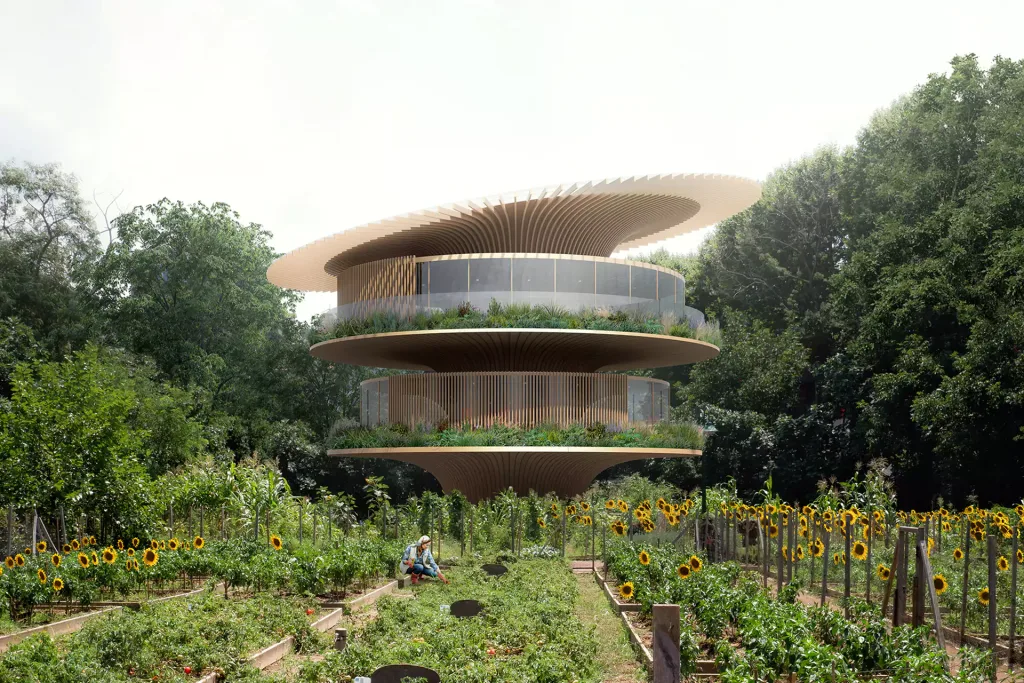
Benefits of Biophilic Design
Biophilic design offers numerous benefits that affect both individuals and communities:
- Improved Wellbeing: Research has shown that exposure to nature can reduce stress, anxiety and depression, as well as promote a sense of relaxation and calm. Biophilic design elements such as natural light, greenery and water features contribute to these positive effects.
- Improved Productivity: Research shows that incorporating natural elements into workplaces can increase employee productivity, creativity and focus. This is attributed to the calming and stimulating effects of nature, which can improve cognitive function and reduce fatigue.
- Increased Healing: Hospitals and healthcare facilities are increasingly adopting biophilic design principles to create more healing environments. Natural elements can aid patient recovery, reduce the perception of pain and promote faster healing.
- Reduced Environmental Impact: Biophilic design encourages sustainable practices such as using natural materials, incorporating green roofs and optimizing energy efficiency. This approach contributes to a more environmentally sensitive built environment.
- Enhanced Social Connection: Biophilic design can foster a sense of community by creating inviting public spaces that encourage interaction and engagement with nature. This can lead to stronger social bonds and a greater sense of belonging.
History of Biophilic Design
The concept of biophilic design has its roots in several fields, including
- Environmental Psychology: This field explores the relationship between humans and their environment, recognizing the influence of nature on our well-being.
- Biomimicry: This approach takes inspiration from nature to design innovative solutions by mimicking natural processes and forms.
- “Biophilia Hypothesis”: Coined by biologist Edward O. Wilson, this hypothesis suggests that humans have an innate connection to nature that stems from our evolutionary past.
Although the term “biophilic design” was coined in the late 20th century, the principles behind it have been practiced for centuries. Recognizing the importance of nature for human health and well-being, ancient civilizations often incorporated natural elements into their architecture and urban planning.
Biophilic Design Principles
Biophilic design is guided by a set of principles that aim to connect people with nature in a meaningful way. These principles include
- Direct Experience of Nature: Access to natural elements such as plants, water and sunlight allows direct interaction with the natural world.
- Indirect Experience of Nature: Incorporating natural patterns, shapes and materials such as wood, stone and organic textures evokes a sense of nature without direct contact.
- Natural Light and Air: Maximizing natural light and ventilation promotes well-being and reduces dependence on artificial lighting and air conditioning.
- Water Features: The sound and movement of water has a calming effect, creating a sense of peace and tranquility.
- Greenery: Plants and trees provide visual stimulation, improve air quality and create a sense of connection with the natural world.
- Biomimicry: Taking inspiration from nature to design innovative solutions, such as using natural patterns or mimicking natural processes.
- Earth Connection: Connecting people to the earth through materials such as wood, stone and soil to create a sense of place and belonging.
By applying these principles, architects, designers and planners can create spaces that promote well-being, productivity and a sense of connection with the natural world.
Understanding the Importance of Nature in Design
The human relationship with nature is deeply rooted and is a fundamental aspect of our well-being and survival. Recognizing this natural connection, the design field is increasingly embracing nature as a vital element in creating spaces that promote health, happiness and sustainability.
Psychological and Physiological Benefits of Nature
Nature’s impact on our well-being goes beyond aesthetic appeal, affecting our psychological and physiological states in profound ways.
- Stress Reduction: Exposure to nature has been shown to reduce levels of cortisol, the hormone associated with stress. This reduction in stress leads to improved mood, reduced anxiety and a greater sense of calm.
- Improved Attention and Focus: Research shows that spending time in nature can improve cognitive function, improving attention span, memory and problem-solving abilities.
- Enhanced Creativity: Nature inspires creativity and innovation, providing a source of inspiration and stimulating new ideas.
- Physical Health Benefits: Nature encourages physical activity, which is essential for maintaining a healthy body. Exposure to sunlight also supports the production of vitamin D, which is vital for bone health and immune function.
Nature’s Impact on Human Health and Wellbeing
The benefits of nature go beyond individual well-being, affecting the health and well-being of entire communities.
- Reduced Health Costs: By supporting mental and physical health, nature can contribute to reduced health costs associated with stress-related illnesses and chronic diseases.
- Improved Quality of Life: Access to green spaces and natural elements improves overall quality of life by promoting a sense of community, social interaction and connection to place.
- Increased Life Span: Research shows that living in areas with greater access to nature can contribute to a longer life span.
The Role of Nature in Building Sustainable Societies
Integrating nature into design is crucial to building sustainable communities that thrive for future generations.
- Environmental Sustainability: Nature-based design encourages sustainable practices such as using renewable resources, reducing energy consumption and minimizing environmental impacts.
- Climate Change Mitigation: Green spaces and natural elements can help mitigate climate change by absorbing carbon dioxide, reducing heat island effects and promoting biodiversity.
- Community Resilience: Nature-based solutions such as green roofs, rain gardens and urban forests can help build community resilience by providing natural flood control, air purification and heat mitigation.
By understanding the profound impact of nature on human health, well-being and sustainability, designers can create spaces that not only meet functional needs, but also contribute to a healthier and more sustainable future through a deeper connection with the natural world.
Incorporating Nature into Building Design
Integrating nature into building design is not just an aesthetic choice; it is a fundamental approach to creating spaces that promote well-being, sustainability and a deeper connection with the natural world. This involves the thoughtful incorporation of natural elements, materials and processes into the built environment.
Use of Natural Materials in Building Design
Natural materials such as wood, stone, bamboo and clay offer a number of advantages over synthetic materials:
- Sustainability: Natural materials are renewable and generally require less energy than synthetic alternatives, reducing the environmental impact of construction.
- Durability: Many natural materials are extremely durable and can last for generations with proper care.
- Aesthetic Appeal: Natural materials add warmth, texture and a sense of authenticity to spaces, creating a more inviting and comfortable atmosphere.
- Health Benefits: Some natural materials, such as wood, can improve indoor air quality by absorbing pollutants and contribute to a healthier environment.
Incorporating Natural Elements into Building Design
Bringing the outdoors indoors can be achieved through a variety of strategies:
- Greenery: Incorporating plants, trees and green walls can improve air quality, reduce noise pollution and create a sense of tranquility.
- Water Features: Fountains, ponds and waterfalls can add visual and auditory appeal, encouraging relaxation and connection with nature.
- Natural Light: Maximizing natural light through large windows and skylights can reduce energy consumption and create a brighter, more stimulating environment.
- Open Spaces: Creating open terraces, courtyards and rooftop gardens provides opportunities for interaction with nature, encourages physical activity and social interaction.
Use of Green Roofs and Walls in Building Design
Green roofs and walls are innovative solutions that offer numerous benefits:
- Environmental Sustainability: They reduce stormwater runoff, improve air quality and provide habitat for wildlife.
- Energy Efficiency: Green roofs can help regulate building temperatures, reducing the need for heating and cooling.
- Aesthetic Appeal: Green roofs and walls add visual interest and create a more inviting atmosphere.
- Urban Greening: They improve the overall quality of life in cities by contributing to urban greening initiatives.
The Importance of Natural Light in Building Design
Natural light is essential for human well-being and productivity:
- Improved Mood and Productivity: Natural light can elevate mood, increase focus and boost productivity.
- Reduced Energy Consumption: Maximizing natural light reduces the need for artificial lighting, saving energy and lowering costs.
- Health Benefits: Exposure to natural light supports the production of vitamin D, which is essential for bone health and immune function.
By combining these strategies, architects and designers can create buildings that are not only functional but also foster a sense of connection with the natural world, promoting well-being, sustainability and a more harmonious relationship between humans and nature.
Biophilic Design in Practice
Biophilic design is no longer a theoretical concept, but a growing movement that is transforming the built environment. Here are some real-world examples of how biophilic principles are being applied to create healthier, more sustainable and more inspiring spaces.
Biophilic Design in Buildings Case Studies
- The Bullitt Center, Seattle, USA: This LEED Platinum certified building is one of the best examples of biophilic design, featuring natural light, green walls and sustainable materials. It has a living roof, rainwater harvesting system and a sophisticated ventilation system that brings fresh air into the building.
- Eden Project, Cornwall, UK: This unique biodome complex showcases a wide variety of plant life from around the world. Visitors can experience diverse ecosystems, learn about biodiversity and connect with nature in a unique and immersive way.
- GreenPix Zero Energy Media Center, Beijing, China: This building has a green roof, solar panels and a rainwater harvesting system. It also has a large atrium filled with greenery, creating a naturally lit and inviting space.
Examples of Biophilic Design in Urban Planning
- Singapore’s Gardens by the Bay: This iconic park features a series of Supertrees, tall structures that combine greenery and technology to create a unique urban landscape. The park also features Cloud Forest, a biodome that recreates the cool and humid climate of tropical mountain forests.
- The High Line, New York, USA: Built on a former railroad line, this elevated park transforms a neglected urban area into a vibrant green corridor. Featuring native plants, wildflowers and spectacular views of the city, the park offers a unique connection to nature in the heart of Manhattan.
- Clippership Wharf, Boston, USA: This waterfront project includes green roofs, public plazas and a network of walkways connecting residents to the harbor. The design prioritizes pedestrian access and creates a more livable and sustainable urban environment.
The Role of Biophilic Design in Creating Sustainable Cities
Biophilic design plays a crucial role in creating sustainable cities that are resilient, healthy and enjoyable for their residents.
- Improved Health and Wellbeing: By incorporating nature into urban spaces, biophilic design can reduce stress, improve mental health and encourage physical activity.
- Increased Biodiversity: Green roofs, urban forests and other nature-based solutions can increase biodiversity in cities, create habitats for wildlife and enhance the ecosystem services provided by nature.
- Climate Change Mitigation: Green spaces can help mitigate climate change by absorbing carbon dioxide, reducing heat island effects and managing stormwater runoff.
- Improved Quality of Life: Biophilic design can create more livable and enjoyable urban environments, encouraging social interaction, community engagement and a sense of place.
As cities continue to grow and evolve, biophilic design offers a powerful tool for creating sustainable, resilient and healthy urban environments that prioritize the well-being of both people and the planet.
The Future of Biophilic Design
The future of biophilic design is bright due to the growing understanding of its benefits and the urgency of combating climate change and creating resilient cities. Here is a look at the exciting possibilities that lie ahead:
The Impact of Climate Change on Biophilic Design
Climate change is a major factor shaping the future of biophilic design. As temperatures rise and weather conditions become more extreme, incorporating nature into the built environment becomes increasingly important to mitigate the effects of climate change and create resilient cities.
- Climate Change Adaptation: Biophilic design will play a key role in adapting to the impacts of climate change. Green roofs, urban forests and other nature-based solutions can help reduce heat island effects, manage stormwater runoff and improve air quality.
- Design for Resilience: Biophilic design principles can be used to create buildings and cities that are more resilient to extreme weather events. For example, incorporating natural elements such as trees and vegetation can help reduce wind speed and protect buildings from damage.
- Prioritizing Sustainability: Climate change is accelerating the need for sustainable design practices. Biophilic design contributes to a more sustainable built environment by prioritizing the use of renewable materials, energy efficiency and water conservation.
The Role of Biophilic Design in Creating Resilient Cities
Resilient cities are those that can withstand and adapt to shocks and stresses, including climate change. Biophilic design is essential for creating resilient cities that are healthy, sustainable and thriving.
- Creating Green Infrastructure: Biophilic design can be used to create green infrastructure such as green roofs, urban forests and permeable pavements that help manage stormwater runoff, reduce heat island effects and improve air quality.
- Connecting People to Nature: Biophilic design can help reconnect people with nature, promoting a sense of place, community and environmental protection.
- Promoting Sustainable Practices: Biophilic design principles can be integrated into urban planning and design to promote sustainable practices such as the use of renewable energy sources, waste reduction and water conservation.
The Future of Biophilic Design in the Face of Technological Advances
Technological developments also play a role in shaping the future of biophilic design.
- Smart Technologies: Smart technologies can be integrated into biophilic design to create more responsive and adaptive spaces. For example, sensors can be used to monitor air quality, adjust lighting levels and optimize building performance.
- Vertical Greenery: Technological advances in vertical gardening and green wall systems are making it easier to add greenery to urban areas, even in densely populated areas.
- Biomimicry: Biomimicry, the practice of mimicking nature’s designs and processes, is becoming increasingly sophisticated and is leading to innovative solutions for building design, materials and energy systems.
The future of biophilic design is a fusion of nature and technology, creating spaces that are not only beautiful and inspiring, but also flexible, sustainable and adaptable to the challenges of the 21st century.
Conclusion
Biophilic design is not just a trend; it is a fundamental shift in our approach to the built environment, recognizing the profound impact of nature on human health, well-being and sustainability. By incorporating natural elements, materials and processes into our buildings and cities, we can create spaces that are not only functional but also restorative, inspiring and resilient.
Summary of Key Points
- Biophilic design emphasizes the intrinsic human connection to nature and integrates natural elements into the built environment to promote well-being, productivity and a sense of connection to the natural world.
- It offers numerous benefits, including improved well-being, enhanced productivity, increased healing, reduced environmental impact and enhanced social connection.
- Biophilic design principles can be applied in a variety of ways, such as using natural materials, incorporating greenery and water features, maximizing natural light and creating open spaces.
- This plays a crucial role in creating sustainable cities that are resilient, healthy and enjoyable for their residents.
The Importance of Biophilic Design in Creating Sustainable and Healthy Communities
Biophilic design is important for creating sustainable and healthy communities in terms of
- Promoting well-being: By connecting people with nature, biophilic design can reduce stress, improve mental health and encourage physical activity.
- Increasing resilience : Nature-based solutions can help mitigate the effects of climate change, manage stormwater runoff and create more resilient urban environments.
- Promote a sense of place: Biophilic design can help create a sense of place and community by encouraging social interaction and connection to the environment.
The Future of Biophilic Design and its Potential Impact on the Built Environment
The future of biophilic design is bright with technological advances, growing awareness of climate change and the desire to create more sustainable and resilient cities.
- Smart technologies: Biophilic design will increasingly integrate with smart technologies to create more responsive and adaptive spaces.
- Vertical greening: Technological advances in vertical gardening and green wall systems will make it easier to add greenery to urban spaces.
- Biomimicry: Biomimicry will continue to inspire innovative solutions for building design, materials and energy systems.
By embracing biophilic design, we can create a built environment that is not only functional but also restorative, inspiring and sustainable, promoting a harmonious relationship between humans and nature.